Cumberland County Maine Old Port Festival
For close to five decades, the first Sundays of June in Portland belonged to a single street party. The Old Port Festival turned the city’s historic waterfront district into a day of music, food and crowds, drawing tens of thousands of people to streets that were closed to vehicles and handed over to stages, vendors and a parade. It cost nothing to walk in. It asked nothing of visitors beyond showing up. And then, after its June 2019 edition, it stopped. What follows is a portrait of the event as it ran: where it happened, who put it on, what a day there felt like, and why its final edition closed a run of forty-six years.

About
The Old Port Festival was Portland’s early-summer street festival, a one-day gathering held in the Old Port district, the historic waterfront quarter where Congress, Pearl, Commercial and Temple Streets meet the harbour. Portland Downtown, a nonprofit downtown improvement district, produced and managed the event.
A day at the festival ran on a simple formula. Live music played from stages set around the district — three stages in the 2017 edition — while a parade moved through the closed streets and local food, craft and retail vendors filled the blocks between them. A children’s activity area kept younger visitors busy, and the streets themselves, closed to vehicles for the day, became the festival’s floor. In later years the surrounding Old Port Weekend added a ninety-foot Ferris wheel to the skyline, a tall landmark above the rooftops that marked the weekend from a distance.
Admission cost nothing. The organiser’s vendor FAQ for the final edition records no admission cost, and the festival’s crowds — thirty-five thousand to forty thousand people in a typical year — walked in freely from the surrounding streets. About two hundred fifty vendors took part in the final edition, a mix of food sellers, makers and retailers that gave the day the feel of a city market as much as a music event.
The festival’s name never carried its county or state. Sources print it simply as the Old Port Festival, and that short name is how Portland knew it.
For a useful comparison, see the Aroostook County Maine Mawiomi of Tribes Festival for another county festival.
Quick Facts
| Item | Detail |
| Published name | Old Port Festival |
| Host city | Portland, Maine |
| County seat | Portland holds the seat of Cumberland County |
| Venue | Old Port district, Portland |
| Organiser | Portland Downtown |
| Final edition | Sunday 9 June 2019 |
| Final edition hours | Eleven in the morning to five in the afternoon |
| Admission | No admission cost |
| Vendors at the final edition | About two hundred fifty |
| Typical annual attendance | Thirty-five thousand to forty thousand |
History
The Old Port Festival began in 1973, and for its first thirty-six years it fell on the first Sunday in June. That fixed place on the calendar made it one of Portland’s most reliable dates: the opening weekend of summer belonged to the Old Port, year after year, rain or shine. In 2010 the festival moved to the second Sunday in June, a shift the record ties to rain patterns — the first Sunday had grown too wet to trust, and the second Sunday offered a better chance of dry streets.
The 2009 edition left the festival’s most famous mark. That year the event attempted the world’s largest lobster roll, a sixty-one-foot, nine-and-a-half-inch roll stuffed with forty-eight pounds of lobster meat. The attempt, recorded in an encyclopedia layer, captured the festival’s character: a city event willing to be playful with its own most famous food, and a crowd large enough to eat the evidence.
By 2017 the festival had reached its forty-fourth annual edition. On Sunday 11 June 2017, three stages stood around the Old Port, headline acts played through the day, and the familiar programme — parade, food, vendors, children’s activities — filled the closed streets. The record of that edition comes from a city magazine layer, which presents the day as a full-scale version of the festival at its height.
Two years later, the festival closed. The final edition fell on Sunday 9 June 2019, running from eleven in the morning to five in the afternoon, and the organiser’s vendor FAQ billed it as the end of a tradition forty-six years in the making. An encyclopedia layer records the June 2019 festival as the last Old Port Festival, and a travel layer agrees, calling 2019 the last event. Nothing in the credible layers that followed points to a return.
Across those forty-six years the festival kept the same shape: one day, one district, free to enter, built around music, food and a parade. The move from the first Sunday to the second in 2010 was the only change of date the record shows, and the Ferris wheel of the later Old Port Weekends was the one addition that rose above the rooftops.
What to Expect
Music set the pace of the day. Stages stood at points around the Old Port, and the 2017 edition’s three stages gave the district a rolling soundtrack from late morning into the afternoon, with headline acts drawing the largest crowds. Between sets, visitors drifted along streets closed to vehicles, past food sellers and craft and retail vendors, the district’s shopfronts open behind the stalls.
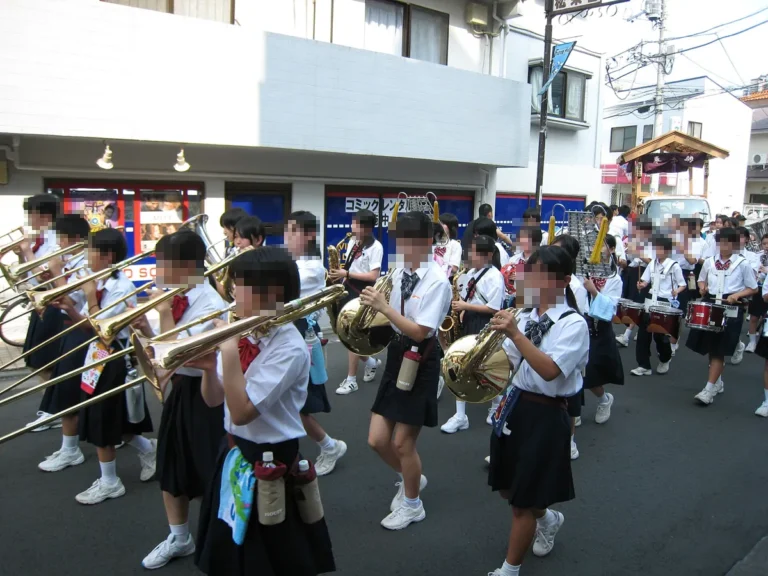
A parade wound through the festival at the heart of the day, and a children’s activity area gave younger visitors their own corner of the event. Food ran to local cooking, the kind of stalls that turn a street festival into a tasting tour of the city, and the craft and retail vendors added a market feel to the blocks between the stages. In the festival’s later years, the surrounding Old Port Weekend put a ninety-foot Ferris wheel above the district, a landmark visible from the waterfront and a ride that summed up the weekend’s fairground mood.
The crowds were large — thirty-five thousand to forty thousand people in a typical year — but the festival’s footprint spread them across several streets, so the day felt busy rather than packed. Admission cost nothing, which meant visitors could come and go as they pleased, stay for a single set or spend the whole afternoon moving between stages, stalls and the parade route.
Planning Your Visit
The Old Port Festival no longer runs, so a visit today means walking the district where it happened rather than attending the event. Portland’s Old Port still holds the streets the festival filled — Congress, Pearl, Commercial and Temple Streets — and the waterfront quarter remains the city’s most walkable neighbourhood, its shopfronts, restaurants and harbour views carrying the same setting the festival borrowed each June.
Come on foot if you can. The festival’s own logic was pedestrian: streets closed to vehicles, stages and stalls spread across a compact district, and the best way to take it in was to wander. A morning arrival leaves the whole day open, and the district’s food and shops fill the hours the festival once filled with stages and a parade.
Anyone hoping for a revival should know the position plainly. The credible record holds no later edition, and the claims of an Old Port Festival in 2026 come from search-optimised content-farm layers that the research disowns. The separate Old Port Fest Revival Barcrawl, a multi-bar crawl on Saturday 13 June 2026, is a different event run by a separate crawl organiser, not a return of the festival.
A Day Modelled on the Final Edition
The final edition ran from eleven in the morning to five in the afternoon, and a day built on its hours would have run like this.
Eleven in the morning: arrive in the Old Port as the festival opened, the streets already closed to vehicles and the first music starting on the stages around the district.
Late morning: walk the vendor blocks between the stages, past food sellers and craft and retail stalls, and find a spot for the parade as it moves through the closed streets.
Midday: eat from the local food stalls, then take younger visitors to the children’s activity area while the music continues across the district.
Afternoon: move between the stages for the headline sets, ride the ninety-foot Ferris wheel of the surrounding Old Port Weekend for a view over the rooftops and the harbour, and finish with a last pass through the vendors before the five o’clock close.
How the Editions Compare
The festival’s two fully documented editions show the same event at different points in its run. The forty-fourth annual edition, on Sunday 11 June 2017, was the festival at its height: three stages around the Old Port, headline acts, and the full programme of parade, food, vendors and children’s activities filling the closed streets. The final edition, on Sunday 9 June 2019, carried the same shape in a shorter frame, running eleven in the morning to five in the afternoon with about two hundred fifty vendors and no admission cost.
The clearest change across the festival’s history was its date. For thirty-six years it fell on the first Sunday in June; from 2010 it moved to the second Sunday, a shift tied to rain patterns. Everything else about the event stayed steady: one day, one district, free entry, music on stages, a parade and vendors along closed streets. The ninety-foot Ferris wheel of the later Old Port Weekends was the one visible addition, a fairground landmark above a festival that otherwise kept its street-level character to the end.
Checklist
A festival day in the Old Port would have rewarded a little preparation:
- Arrive on foot: the Old Port’s streets are compact, and the festival’s district was built for walking.
- Bring cash for the food and craft stalls, and a bag for anything you buy from the retail vendors.
- Pick a meeting point near one of the stages if your group splits up between the music and the vendors.
- Give younger visitors time at the children’s activity area before the afternoon crowds build.
- Check the weather: the festival’s own move to the second Sunday in June was a response to rain.
- Stay for the parade, the day’s centrepiece, and leave time for the Ferris wheel’s view over the harbour.
Beyond the Festival
The Old Port district outlasted the festival that borrowed its streets each June. The quarter’s working waterfront, its brick shopfronts and its harbour views remain the setting the festival filled, and a walk through Congress, Pearl, Commercial and Temple Streets still shows why the event chose this ground: compact blocks, a harbour at the edge of the district, and room for crowds to spread.
Portland’s wider calendar carries other summer gatherings, but none of them is the Old Port Festival under another name. The festival’s free entry, its parade and its stages belonged to the event itself, and the district today holds the memory of a June day when its streets closed to vehicles and opened to music.
Why It Matters
A free street festival that runs for forty-six years becomes part of a city’s calendar, and the Old Port Festival earned that place. It asked nothing at the gate, it filled the city’s most walkable district, and it drew thirty-five thousand to forty thousand people a year to a day of music, food and a parade. For Portland, it was the opening of summer: the first Sundays of June, and then the second, given over to the Old Port.
Its ending matters too. The festival did not fade into a smaller version of itself or merge into another event; it closed with a final edition in June 2019, billed as the end of a tradition forty-six years in the making. The Old Port Festival is a finished chapter in Portland’s story, remembered for the June days when its streets belonged to everyone.
Frequently Asked Questions
What made the Old Port Festival different from other Portland street events?
Its scale and its price. The festival closed several streets in the Old Port district, ran three stages in its 2017 edition, drew thirty-five thousand to forty thousand people a year, and charged no admission. Portland Downtown produced and managed it as a free, citywide day rather than a ticketed show.
Why did the festival move from the first Sunday in June to the second?
Rain patterns. For its first thirty-six years, from 1973 to 2009, the festival fell on the first Sunday in June. In 2010 it moved to the second Sunday because the first Sunday had grown too wet to trust, and the second offered a better chance of dry streets.
What did the final edition in June 2019 include?
The final edition ran on Sunday 9 June 2019, from eleven in the morning to five in the afternoon, with about two hundred fifty vendors, no admission cost, and the familiar programme of live music, a parade, local food, craft and retail vendors and a children’s activity area across the closed streets of the Old Port.
Has the Old Port Festival returned since 2019?
No. The June 2019 edition was the final one, and the credible record holds no later edition. Claims of an Old Port Festival in 2026 come from search-optimised content-farm layers that the research disowns, and the Old Port Fest Revival Barcrawl on Saturday 13 June 2026 is a separate multi-bar crawl, not a return of the festival.
What to Expect From the Next Cumberland County Maine Old Port Festival
How often is Cumberland County Maine Old Port Festival held?
The festival took place each June for close to five decades, a single day in the Old Port district, and closed with its final edition on Sunday 9 June 2019. It no longer runs.
When is the next Cumberland County Maine Old Port Festival?
No later edition appears in the credible record. The June 2019 gathering stands as the last Old Port Festival, and nothing in the trustworthy material points to a return, so there is no coming date to plan around.
Will the dates change?
There is no coming edition whose date could shift. The festival’s calendar closed with June 2019, and the only dates that matter now are the ones already in its history: the first Sundays of June through 2009, the second Sundays from 2010, and the final Sunday, 9 June 2019.
The Old Port Festival filled Portland’s waterfront district with music, food and crowds for forty-six Junes, free to anyone who walked in. Its final edition in June 2019 closed that run, and the festival now lives in the record of those June days — and in the streets of the Old Port, which still hold the shape of the day it made.