Bartholomew County Indiana Ethnic Expo Festival
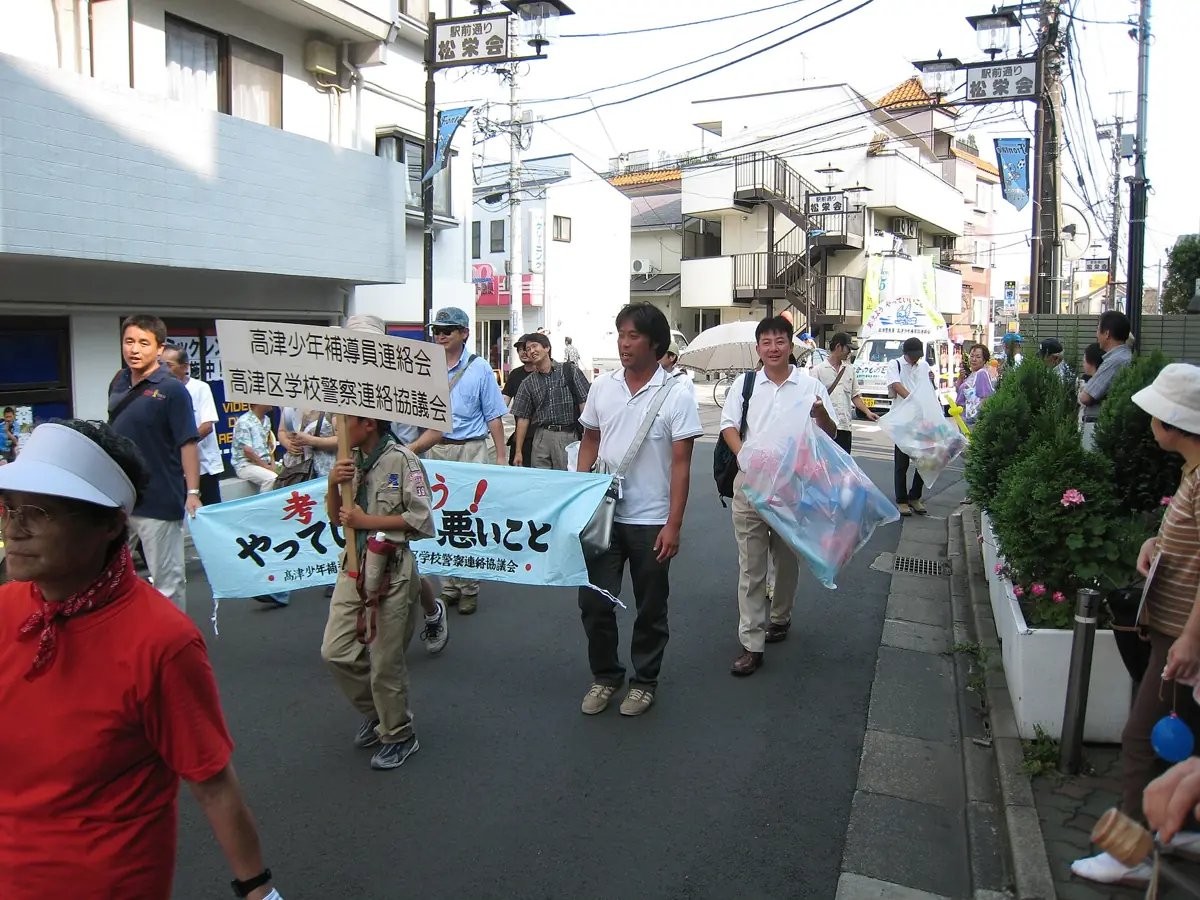
Columbus, Indiana, has served as the seat of Bartholomew County since the county was founded on February 12, 1821, and a place that old learns a few things about hosting a crowd. Roughly 82,208 people now live across the county’s 409.52 square miles, and once a year a healthy share of them — joined by visitors from Indianapolis, Louisville, and Cincinnati — drift toward the courthouse blocks for Ethnic Expo, a weekend of food stalls, dance stages, and borrowed traditions that makes a mid-sized Indiana city feel briefly like a world’s fair.
The premise is simple: neighbors cook the dishes they grew up with, performers share the music they love, and everyone else eats, listens, and asks questions. What makes it work is the setting — a downtown built around remarkable architecture, where a festival can spill out of a plaza and into streets that already look like a destination.
The Bartholomew County Numbers Behind Ethnic Expo
| Festival | Ethnic Expo |
| Area | Bartholomew County, Indiana |
| County seat and host city | Columbus |
| County population | 82,208 |
| Region | South-central Indiana, roughly midway between Indianapolis and Louisville |
| Typical timing | A weekend in September, in most years |
| Admission | Free to enter; food and drinks sold separately |
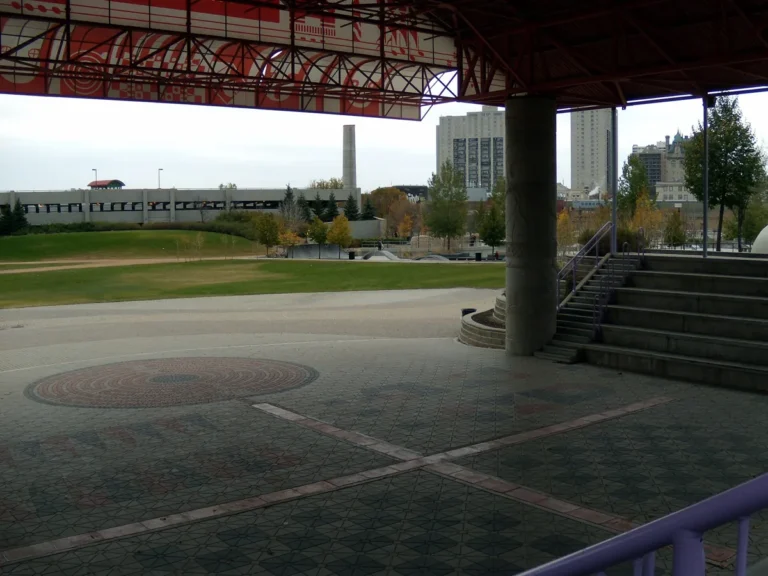
| Setting | Downtown Columbus streets and plazas, walking distance from the county courthouse |
| Signature features | International food booths, cultural performances, family activities |
| Organized by | Coordinated locally in Columbus with municipal and community partners |
Inside Ethnic Expo: Columbus’s Global Block Party
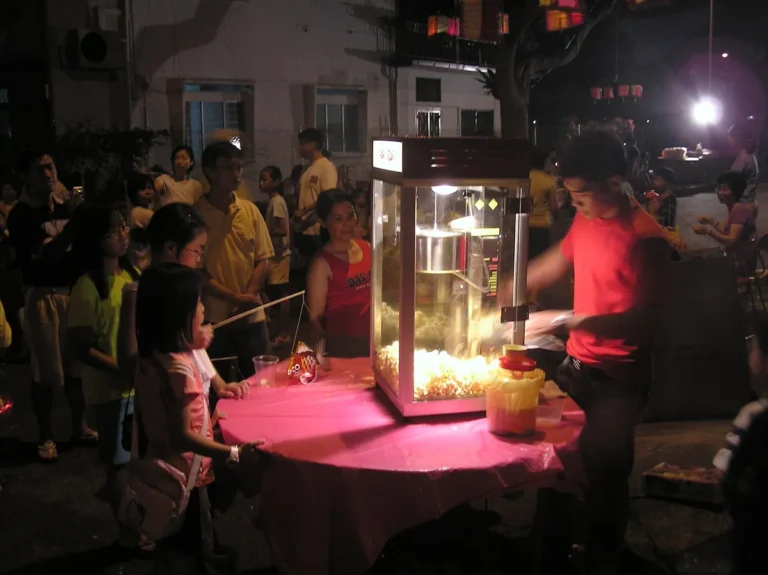
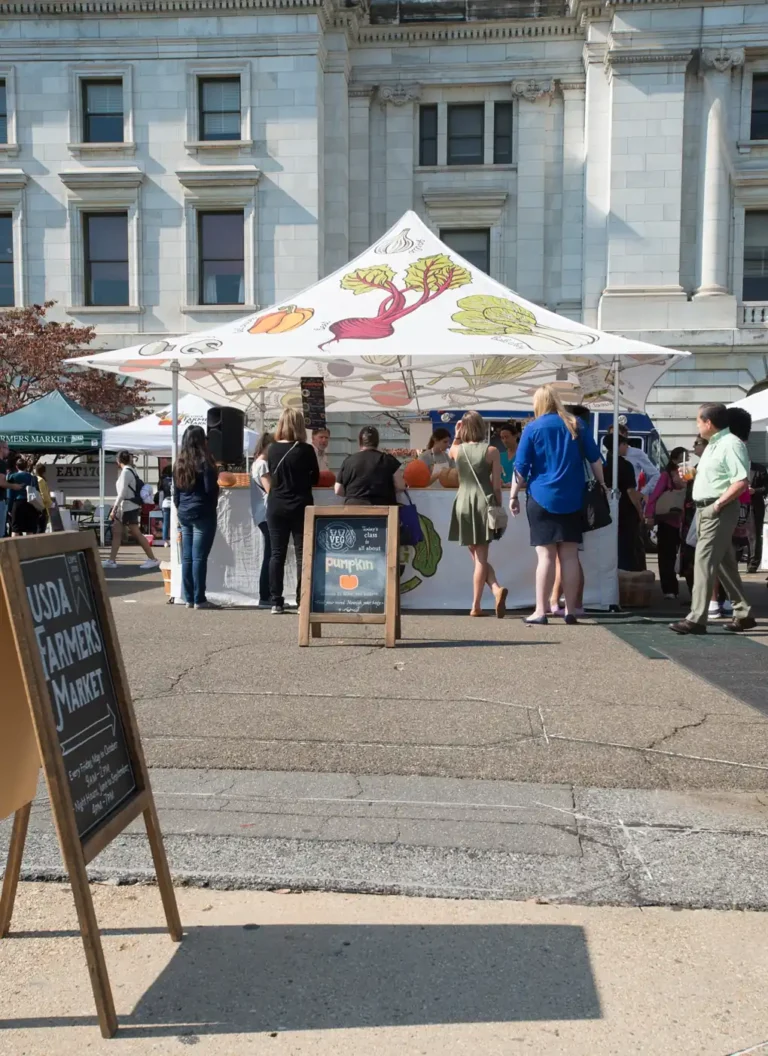
Ethnic Expo is not a ticketed event staged behind fencing. It is a street festival that borrows the bones of downtown Columbus — sidewalks, plazas, parking lots, and closed-off blocks — and fills them with tents. Booths are run largely by local families, churches, student groups, and cultural organizations, which is why the food tastes like home cooking rather than fairground concessions.
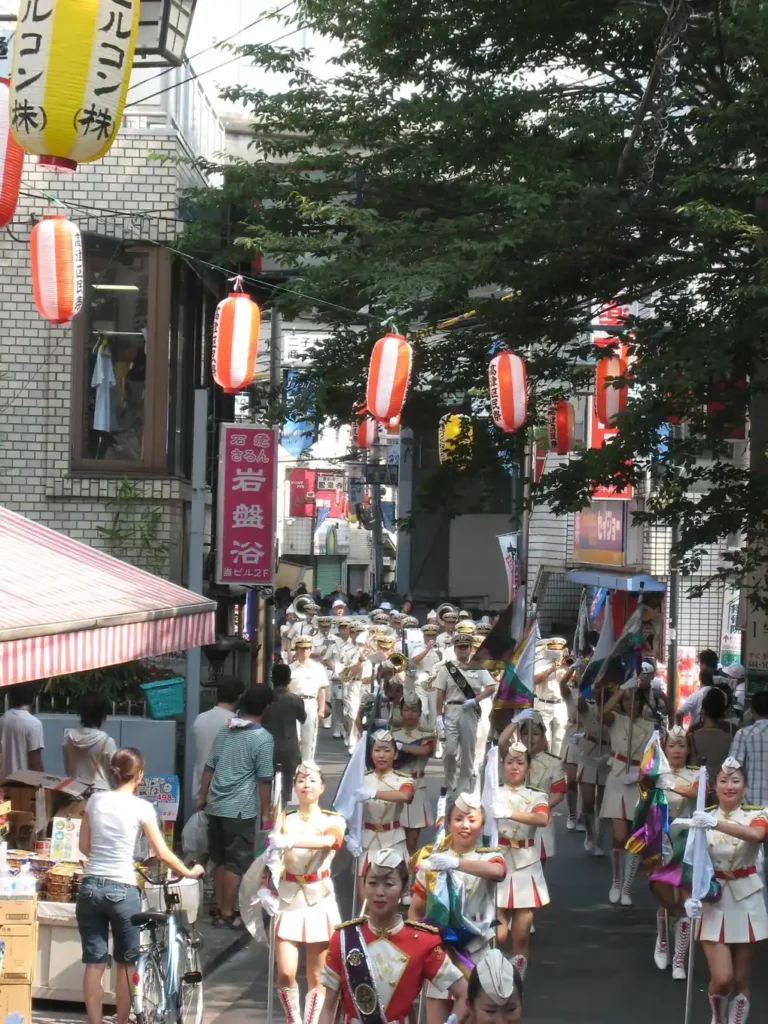
The programming leans on performance: dance troupes, drum lines, folk musicians, and children in costume taking a stage that would otherwise host a summer concert series. Between sets, people wander. They queue for dumplings, then for tacos, then for something they cannot pronounce and will happily try anyway. That unhurried grazing rhythm is the whole point, and it suits Columbus — a city where people are used to walking a few blocks and finding something worth looking at.

Ethnic Expo’s Long Run on the Columbus Calendar
Ethnic Expo has been part of the Bartholomew County calendar for decades, which is unusual staying power for a volunteer-driven street festival. It arrived in an era when Columbus was already an unusually international small city — home to globally connected employers, an internationally designed downtown, and families who had moved to south-central Indiana from elsewhere and stayed.
For another look at how a community turns its own traditions into a gathering, see the Bartholomew County Indiana 4-H Fair Festival for a useful comparison.
That context shaped the festival. Rather than treating diversity as an abstraction, organizers built a weekend where the proof is edible. Over the years the roster of participating cultures has shifted as the county’s population has shifted, with new groups joining and longtime participants returning. The format, though, has stayed remarkably stable: free entry, food, music, kids’ activities, and a September weekend that the city mostly plans around.
Read as a timeline, the arc is short and clear. A local idea takes hold downtown. Booths multiply. Stages get bigger. Sponsors and city departments step in to manage streets and trash and sound. And somewhere along the way the Expo stops being an experiment and becomes an institution that Columbus residents simply expect each fall.
What a Weekend at Ethnic Expo Feels Like
Expect a compact footprint, a steady hum, and long but fast-moving lines. Expect to hear three kinds of music at once if you stand in the wrong spot. Expect to run into people you know, because in a county of just over 82,000 that is nearly unavoidable.
Food Booths and the Flavors of Bartholomew County
Food is the main draw. Booths typically represent a range of traditions — Latin American, Asian, European, Middle Eastern, African, and American regional cooking among them — and portions are sized so you can graze across several countries in an afternoon. Prices are set by individual vendors, so plan on carrying cash and a card. Go early for the dishes that sell out, and go back late for the ones that do not.
Stages, Dance Troupes, and Music Around Downtown
Performance is continuous rather than headlined. Folk dancers in embroidered costumes share the schedule with drum ensembles, singers, and youth groups, and the transitions are quick. Bring a folding chair if you intend to camp in front of a stage; otherwise, treat the music as a soundtrack and keep moving. The best moments are often the unscheduled ones — a drum circle that pulls in passersby, or a dance lesson that turns into a crowd.
Kid-Sized Fun and Family Corners
Families are the backbone of the Expo’s crowd. Expect craft tables, games, face painting, and hands-on activities that give children something to do between bites, plus plenty of open pavement for strollers. Restrooms and shaded rest areas tend to be clustered near the main activity zones, so pick a meeting point early if your group plans to split up.
Planning a Trip to Ethnic Expo in Columbus
Because the festival sits in the middle of a working downtown, the logistics are more like visiting a city center than attending a fairground event. A little forethought goes a long way.
Getting to Columbus and the Festival Blocks
Columbus sits along the Interstate 65 corridor in south-central Indiana, roughly an hour south of Indianapolis and a similar drive north of Louisville. Most visitors arrive by car. If you are staying outside the county, aim to reach downtown before the lunch rush; mid-afternoon arrivals often circle longer than they would like.
Where to Stay in Bartholomew County
Lodging clusters near the interstate and along the main commercial corridors, with a smaller number of options closer to downtown. For a festival weekend, a downtown-adjacent room is worth the premium because it removes parking from your day entirely. Book well ahead — September weekends fill up, and nearby communities in the surrounding counties are viable backups if Columbus is full.
Parking Near the Expo Grounds
Street parking around the festival footprint is limited and often closed for the event itself. Public lots and garages in and around downtown are the practical answer, and a short walk of several blocks is normal. Note where you parked, wear shoes you can walk in, and expect the lots nearest the action to empty slowly right after the busiest performance slots.
Admission, Food Costs, and What You’ll Spend
Entry to Ethnic Expo is typically free, which is central to its identity as a community event rather than a commercial one. Your money goes to food, drinks, and the occasional craft or souvenir from a vendor. Budget like you would for a street-food tour: a handful of small purchases per person, plus cash for the booths that prefer it.
Indiana Weather and What to Wear
September in south-central Indiana swings. A morning can feel like late summer and an evening like early autumn, so layers are smarter than a single heavy jacket. Rain is always possible, and because the festival is outdoors, a compact umbrella and water-resistant shoes make the difference between a soggy hour and a ruined day. Sunscreen still earns its place in the bag.
A Sample Ethnic Expo Weekend, Hour by Hour
Friday evening: Arrive before the dinner crush, walk the full footprint once without buying anything, then commit to two or three booths. Stay for the first dance performances, when the crowd is loose and the lines are shortest.
Saturday morning: Come early for the quiet version of the festival — vendors setting up, coffee in hand, no queue at the booths you missed. This is also the easiest window for families with small children.
Saturday afternoon: Catch the main performance blocks, then break away for an architecture walk or a museum stop while the crowds peak. Return for a second pass at the food you regretted skipping.
Saturday evening: Stay for the last sets and the warm, lingering crowd that comes with them. If the festival runs into Sunday, save a slow morning for the quieter hours before heading home.
Ethnic Expo Compared With Nearby Indiana Festivals
Bartholomew County’s Expo sits in a busy regional festival landscape, and the differences are instructive. Seymour, to the south in Jackson County, leans toward small-town heritage celebrations with parades and local agriculture at the center. Brown County, to the west, trades on its wooded, arts-and-crafts identity, with festivals built around studios, galleries, and fall foliage.
Columbus’s version is distinct in two ways: it is explicitly international, and it happens in a dense, walkable downtown known for design. Where a county fair spreads out across a fairground, Ethnic Expo compresses into a few blocks and asks you to move through it on foot. That compactness is the reason first-timers can see the whole thing in an afternoon — and the reason regulars keep coming back for a full weekend.
Ethnic Expo Checklist for First-Time Visitors
Cash and a card, both. Comfortable walking shoes. A refillable water bottle. Sunscreen and a light rain layer. A folding chair if you plan to sit through performances. A designated meeting spot for your group. A willingness to try one dish you cannot identify. And a phone battery that will survive a full day of photos.
Beyond the Booths: Bartholomew County After the Expo
Columbus rewards anyone who stays an extra half day. The city is known nationally for its architecture and public art, and much of it sits within walking distance of the festival footprint — buildings, sculptures, and squares that turn an ordinary stroll into something closer to a gallery visit. Downtown shops, bakeries, and restaurants make easy filler between Expo sessions.
Beyond the city limits, the county’s 409.52 square miles open into farmland, small communities, and country roads. Add a scenic drive, a stop at a local diner, or a visit to one of the area’s parks, and the weekend stops feeling like a quick errand and starts feeling like a trip.
What Ethnic Expo Means to Bartholomew County
For a county of 82,208 people, a free, volunteer-heavy festival is a statement about priorities. Ethnic Expo gives recent arrivals a stage, longtime residents a reason to wander downtown, and local organizations a shared project that has nothing to do with politics or profit. It also puts money into the hands of small vendors and draws visitors into a city center that benefits from the foot traffic.
Most of all, it functions as a yearly reminder that Bartholomew County’s identity is not fixed. The Expo changes as the county changes, and the fact that it keeps changing is precisely what keeps it worth attending.
Where Ethnic Expo Sits in Columbus
Ethnic Expo takes place in downtown Columbus, the Bartholomew County seat, within walking distance of the courthouse square and the city’s best-known architecture.
Ethnic Expo Answers for First-Timers
Is Ethnic Expo free to attend?
In general, yes — entry to the festival is typically free, and that openness is central to how the event works. You pay only for what you consume, mostly food and drinks from the individual booths, along with any crafts or merchandise you choose to buy. Bring both cash and a card, since vendors handle payment in their own ways.
When does Ethnic Expo usually take place?
Ethnic Expo is held on a weekend in September in most years, which places it neatly between the heat of an Indiana summer and the arrival of fall color. Because the exact weekend varies, check the current schedule before you book lodging. September weather in south-central Indiana is usually pleasant but changeable, so pack for both warmth and rain.
Is Ethnic Expo a good outing for young children?
Yes. The festival is stroller-friendly, packed with family activities, and free to enter, so an early exit costs nothing. Morning hours are calmest, lines are shortest, and there is plenty of room to move. If your children are picky eaters, scope out the booths first and pick one familiar option alongside something new.
How crowded does downtown Columbus get during the Expo?
Busy, but manageable. The footprint is compact, so crowds concentrate in the food and stage areas while side streets stay easy to navigate. Late morning and early evening tend to be the most comfortable windows. If you dislike tight spaces, plan your food stops around the performance schedule, when attention shifts to the stages.
Looking Ahead: Ethnic Expo’s Next Chapter in Columbus
The festival’s future depends on the same things that built it: volunteers, vendors, sponsors, and a city willing to hand over its downtown for a weekend. As Bartholomew County continues to grow and change, the Expo has a natural role in reflecting that change back to residents — new cuisines, new performers, new neighbors behind the tables.
Expect the fundamentals to hold. Free admission, a September weekend, and a walkable downtown core are the ingredients that have kept Ethnic Expo on the calendar, and there is little reason to tinker with a formula that keeps drawing a county of just over 82,000 people into the same few blocks year after year.
Last updated: October 2026
If you have never been, treat Ethnic Expo as an excuse to see Columbus properly — arrive with an appetite, leave with a full stomach and a longer list of places you want to visit next time.