Jackson County Indiana Medora KilnFest Festival
Brick kilns are an unusual backdrop for a small-town festival, yet in Medora, a village in western Jackson County, Indiana, a September gathering has taken shape around the domed kilns of a brick plant that stopped making bricks decades ago. The event travels under short published names: Kilnfest in a county visitor centre events article from 2021, Medora Brick Plant Annual Kilnfest on the same homepage, and KilnFest, with that capitalisation, in a listing layer. No layer read for these pages prints the longer combined form with the word Festival tacked on the end, so the published names are the ones carried through this article. What the credible layers document is modest but concrete: one fully described edition in September 2021, a 2026 listing whose date the layers flatly contradict each other on, and an industrial site with a recorded past.

About the Festival
The festival is held on the grounds of the former Medora Brick Plant in Medora. Medora is not the county seat; that distinction belongs to Brownstown, and the two places are kept separate here because the plant, the kilns and the gathering all belong to Medora. The published listing on the visitor centre’s homepage folds the word Annual into the name Medora Brick Plant Annual Kilnfest, which suggests a recurring fixture, although the credible layers document the event firmly only for 2021 and as a listing for 2026.
One gap in the record deserves plain statement: no organiser is named in the visitor centre layers. Care of the old plant rests, in background layers, with a preservation group whose name those layers cannot print consistently. A travel-blog layer gives it as Medora Brick Plant and Historical Sites, Inc. and says the group formed in 2004, while a photo-caption layer renders the same body as Medora Brick Plant and Historical Sites, LLC. Neither rendering is confirmed anywhere credible as the festival’s organiser, so this article names no organiser at all. A listing layer also attaches the name Medora Brick Plant Historical Society to the event’s orbit; that, too, is one layer’s phrasing, not a verified connection.
Quick Facts
| Item | Detail |
| Published name forms | Kilnfest; Medora Brick Plant Annual Kilnfest; KilnFest in a listing layer |
| Host town | Medora, in western Jackson County |
| County seat | Brownstown; Medora is not the seat |
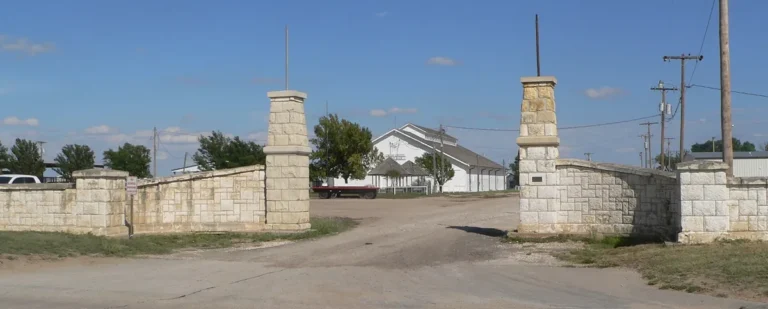
| Venue | The grounds of the former Medora Brick Plant |
| Documented 2021 edition | Saturday 18 September 2021, noon to midnight |
| 2026 date on the visitor centre homepage | A save-the-date for 9 September 2026, a Wednesday |
| 2026 date in the listing layer | 19 September 2026, a Saturday |
| Organiser | None named in the credible layers read |
| Admission | No price and no free-entry statement in the credible layers |
History
The history that can be told with confidence here belongs to the plant rather than to the festival, because the credible layers describe the works in detail and the gathering only briefly. A state historical marker text records that the Medora Shale Brick Company was organised in 1904, that construction had begun by 1910 with six beehive kilns, and that by 1927 ten kilns stood at the site. The marker adds that the plant closed in the nineteen nineties and that ten kilns still remained in 2007.
A landmarks organisation tells parts of that story with different figures, and the two accounts are kept separate here rather than blended. In the landmarks layer’s version, the plant was built in 1906, its bricks were made largely by hand, manufacturing continued until 1992, and the complex included twelve round domed kilns. Set side by side, the marker counts ten kilns where the landmarks layer counts twelve, and the marker’s company organised in 1904 where the landmarks layer has a plant built in 1906. Both accounts agree on the broad shape of a hand-worked brickyard that fell silent late in the twentieth century; on the particulars, each stands as printed.
For a useful comparison, see the Jackson County Indiana Southern Indiana Renaissance Faire Festival for another county festival.
Against that long industrial backdrop, the festival’s own documented trail is short. The visitor centre’s September 2021 events article describes a full edition at the plant, and its homepage carries the event forward to a 2026 listing. When the gathering itself began is a question the credible layers leave unanswered, and tidy founding stories from weaker layers are set aside here rather than repeated.
What to Expect
Everything known about the content of a Kilnfest day comes from one place: the county visitor centre’s article about events in September 2021. That piece places the edition at the former plant on Saturday 18 September 2021, running from noon until midnight, and lists live music among its offerings. It also names a tribute to Hee Haw, door prizes, raffles and an auction, alongside vendors, a flea market and games for children.
Readers should hold that programme at arm’s length in one respect: it describes 2021, and nothing in the credible layers confirms the same mixture returned in any later year. The 2026 listing arrives without a programme of its own in the layers read. So the honest picture is of a documented day of music, prize draws, selling and children’s games among the kilns, offered as evidence of what the festival looked like once, not as a promise about any future edition.
Planning Your Visit
Two September days are in print for the 2026 edition, and a careful traveller will want to know which is real before driving to Medora. The county visitor centre’s homepage prints a save-the-date of 9 September 2026 for the Medora Brick Plant Annual Kilnfest. A separate listing layer gives 19 September 2026 instead. The weekday arithmetic is worth noticing: 9 September 2026 falls on a Wednesday, while 19 September 2026 falls on a Saturday, and the one edition described in full, in 2021, occupied a Saturday. None of that resolves the disagreement; it underlines why checking with the visitor centre close to the day matters more here than usual.
Admission needs the same candour: the credible layers contain no admission statement at all, neither a price nor a promise of free entry. Anyone budgeting should treat entry cost as an open question to confirm nearer the time, rather than assume a charge or a free gate. The setting itself needs no confirmation: the gathering takes place on the grounds of the former brick plant in Medora, in the western reaches of the county, with Brownstown, the county seat, a separate destination rather than the festival’s home.

A Sample Itinerary
The only edition with hours attached ran from noon to midnight, so the shape below follows that documented 2021 day and nothing later. A visitor might arrive around the noon opening, when the flea market and vendor stalls give the early hours their browsing, and let the live music carry the afternoon in stretches between walks around the kiln rows. The middle of the day suits the auction and the raffles and door prizes the article lists, with children’s games for younger visitors. The tribute to Hee Haw belongs to the entertainment strand of that documented programme, and the long evening toward midnight leaves room for a final circuit of the grounds after dark, when a brick plant lit for a festival looks nothing like the working yard it once was. Treat the pacing as one plausible way through a twelve-hour day, not as a timetable: the layers give the day its endpoints and its ingredients, never an hour-by-hour running order.
How It Compares
Medora hosts another event easily confused with this one, and the visitor centre lists both. Hope Medora Goes Pink is a separate occasion held downtown, built around food vendors, a parade, a five-kilometre run, health screenings and a silent auction. Kilnfest, by contrast, belongs to the brick plant grounds and to the programme the 2021 article documents; the two share a village and a listing page, not an identity. The Jackson County Fair, held in Brownstown, is likewise a different event in a different town.
The comparison with an ordinary county or town fair is instructive. A conventional fair borrows a fairground or a main street for its weekend and leaves little trace behind. This gathering happens inside a preserved industrial site, where the kilns are both scenery and subject, so the festival doubles as a recurring occasion on which the public walks the plant grounds at all. That dual character, part village celebration and part open day at a rare survival, is what separates it from the standard run of September fairs.
A Visitor Checklist
- Confirm the 2026 date with the county visitor centre before travelling, since two dates are in print
- Treat admission cost as unconfirmed, because credible layers state no price either way
- Allow a long day if the noon-to-midnight shape of 2021 is repeated
- Bring children toward the games and stalls described in the 2021 account
- Leave time to look at the kilns themselves between the music and the market
- Keep Hope Medora Goes Pink in mind as a separate event, not the same fixture
- Carry cash flexibility for an auction, raffles and flea market finds
Beyond the Festival
The grounds repay attention beyond any single event. What survives at Medora is a brickyard of the hand-made era: rows of round, domed kilns of the kind the marker text counts at ten in 2007 and the landmarks layer numbers at twelve across the complex. Even allowing for that disagreement, a near-complete kiln yard surviving from the early twentieth century is uncommon, and standing among the kilns gives the clearest sense of the work the festival celebrates. The plant’s story, of a shale brick company organised in the first decade of the nineteen hundreds and of bricks shaped largely by hand, is the deepest context the village offers.
Why It Matters
A small gathering at a silent factory might look like a footnote among Indiana festivals, yet the documented record gives it a particular weight. Brick plants of this vintage were usually demolished or left to collapse once production ended; Medora’s survived with its kilns standing, and a preservation group, whatever the exact styling of its name, has been attached to the site in background layers since it formed in 2004. Each edition makes that survival public rather than merely architectural. The credibility limits matter here too: because the organiser is unconfirmed and the programme rests on one county article, its significance lies less in scale than in continuity, a village returning, in each documented year, to the works that once employed it.
Frequently Asked Questions
Which September 2026 date is the right one for Kilnfest?
Both printed dates belong to the record. The county visitor centre’s homepage carries a save-the-date of 9 September 2026, which is a Wednesday, while a listing layer gives 19 September 2026, a Saturday. The fully described 2021 edition fell on a Saturday, which some readers will weigh in favour of the later date, but the credible layers offer no statement that settles the question. The practical answer is to verify with the visitor centre before making the trip.
Who runs the festival at the brick plant?
The credible layers read here do not say. The visitor centre material that documents the event names no organiser. Background layers connect the plant’s preservation with a group printed in two forms, Medora Brick Plant and Historical Sites, Inc. in a travel blog and Medora Brick Plant and Historical Sites, LLC in a photo caption, and a listing layer uses yet another name, Medora Brick Plant Historical Society. Until a credible layer confirms one of these as the festival’s organiser, the accurate answer is that the event is documented at the former plant without a confirmed organising body.
What happened at the edition that is fully documented?
The September 2021 edition, described in the county visitor centre’s events article, ran from noon to midnight at the former Medora Brick Plant. Its published ingredients were live music, a tribute to Hee Haw, door prizes, raffles, an auction, vendors, a flea market and children’s games. That list is the entire documented programme in the credible layers, and it belongs to 2021 specifically; whether later editions repeated it, the layers read cannot confirm.
Are the old brick kilns still standing at Medora?
Yes, on the evidence of two independent layers, though they disagree on the count. The state historical marker text says ten kilns stood at the site by 1927 and that ten remained in 2007. The landmarks organisation’s account describes twelve round domed kilns within the complex. Both accounts place a substantial kiln yard on the grounds where the festival is held, which is why the works themselves, and not only the event, reward a visit.
What to Expect From the Next Jackson County Indiana Medora KilnFest Festival
How often is Jackson County Indiana Medora KilnFest Festival held?
The strongest hint sits inside the published name on the visitor centre’s homepage, Medora Brick Plant Annual Kilnfest, which presents the event as a yearly fixture. The documented trail in credible layers is thinner than the name suggests: a described edition in 2021 and a listing for 2026, with the years between unrecorded here. Yearly intention is therefore a fair reading of the name, but a verified year-by-year history is more than the record supports.
When is the next Jackson County Indiana Medora KilnFest Festival?
On the layers read, the next edition in view is the one listed for September 2026. That listing comes with the disagreement described throughout this article: 9 September 2026 on the county visitor centre’s homepage, 19 September 2026 in a separate listing layer. No credible layer read for these pages announces anything beyond that 2026 edition, so the September 2026 gathering is the next one a reader can plan around, date to be confirmed.
Will the dates change?
They already disagree on paper, which is the honest starting point. The visitor centre’s save-the-date and the listing layer’s date conflict for the same 2026 edition, and the weekday pattern pulls in opposite directions: a Wednesday against a Saturday, with the documented 2021 edition having fallen on a Saturday. Whether organisers eventually publish a single corrected date is unknowable from the layers read, so the date should be treated as unsettled until one source speaks with final authority.
Closing Thoughts
Kilnfest asks a little more of its readers than most festivals do. Its published record is short, its organiser unnamed, its next date printed two ways, and its admission unstated, and this article has preferred those plain truths to a smoother story. What is solid is worth the trip on its own terms: a September gathering among the surviving kilns of a hand-era brick plant, in a small Jackson County village that is not the county seat. Confirm the date, go for the kilns as much as for the music, and let the place make its own case.