Benton County Minnesota Fair Festival
Some county fairs announce themselves with size. The Benton County Fair, held over six days in early August at the fairgrounds in Sauk Rapids, announces itself with staying power. Run by the Benton County Agricultural Society on ground that sits right where Sauk Rapids meets Saint Cloud, it has barns, stages, a grandstand and a barnyard built for children, but its real character is continuity: people who showed animals here as teenagers now watch their own children lead calves into the same rings.
That continuity is worth understanding before you go, because this fair rewards visitors who slow down. Grounds admission has historically been free, the livestock barns stay busy from morning judging to evening conversation, and entertainment is spread across two stages rather than concentrated in one headline act. A first visit works best as a wander: through the exhibit buildings, past the farm equipment, into the FFA Barnyard, and only then toward the grandstand as the demolition derby cars begin to line up.
Quick Facts for Six Days in Sauk Rapids
| Festival | Benton County Fair |
| Town | Sauk Rapids, Minnesota |
| County | Benton County |
| County seat | Foley |
| Venue | Benton County Fairgrounds, Third Avenue South |
| Typical timing | Six days in early August |
| Admission | Grounds admission historically free; grandstand and rides extra |
| Organizer | Benton County Agricultural Society |
| Setting | Fairgrounds on the Sauk Rapids and Saint Cloud boundary |
| Known for | FFA Barnyard, demolition derbies, truck and tractor pulls, two music stages |
A Streetcar, Fifteen Acres and a September Start
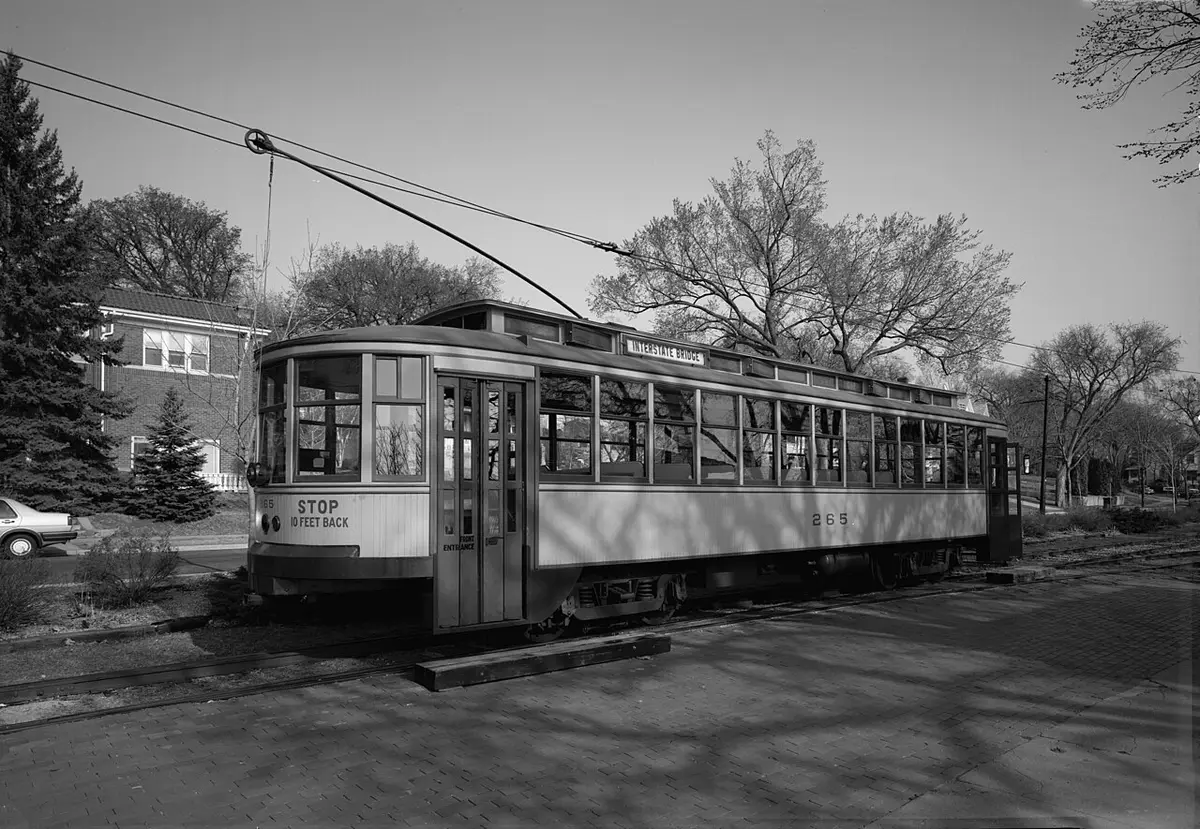
The Benton County Fair does not begin in a haze of nineteenth-century picnics. Its founding can be pinned to a single practical year: 1913. That year the Benton County Agricultural Society bought roughly fifteen and a half acres for a permanent fairground, choosing a site that straddled the boundary between Sauk Rapids and Saint Cloud. A streetcar line ran about a block from the entrance, and trains passed on the other side of the grounds.
The first fair on the new ground was held that September, and by the standards of a brand-new event it was no small affair. Exhibitor premiums came to more than thirteen hundred dollars, a serious sum for the time and a sign that local farmers had taken the competition seriously from the first year. The governor of Minnesota at the time, Governor Eberhart, attended in person, an honour that announced this as a civic institution for the whole county rather than a village sideshow.
Across the following century the fair enlarged steadily rather than reinventing itself: the barns filled, the grandstand programme grew heavier with engines, and the event stretched across six days of early August. The society valued its own story enough to publish a full history of the fair, carrying the record through 2012 with support from a state legacy grant. Readers tracing how other Minnesota counties kept their fairs alive will find a useful contrast in the Beltrami County Minnesota Fair Festival, where a northern county built its fair around rodeo nights and demonstration halls.
The Fair Two Towns Share
Because the grounds sit on the Sauk Rapids side of the line, with Saint Cloud, the county’s largest city, immediately alongside, this fair has always belonged to two communities at once. Benton County is largely rural and its county seat is Foley, yet its fair lives in its most urban corner, where farm families exhibit alongside city visitors who may never have stood in a dairy barn.
The organiser, the Benton County Agricultural Society, is a volunteer-rooted body of the kind that runs most American county fairs, and its priorities show in the layout: agriculture first, entertainment around it, and local organisations running much of the food. The result is a fair large enough to need six days, yet small enough to learn in a single morning.
Days Built Around Barns, Stages and the Grandstand
Fair Food and the People Selling It
Eating here is a tour of local organisation kitchens as much as of travelling concession trailers. Church groups, civic clubs and farm organisations typically run stands alongside the familiar midway food, so a meal often doubles as a small donation to a local cause. Expect the Minnesota fair canon done properly: cheese curds, corn dogs, funnel cakes and lemon shake-ups. The honest strategy is to graze, and leave the evening free for the grandstand.
Two Stages of Music and Grandstand Evenings
Entertainment is deliberately spread out. Music plays during the day on the Cottonwood Stage, while the Beer Garden Stage carries the later, louder part of the evening for adult visitors. Between those poles sits the grandstand, where the programme leans mechanical: demolition derbies and truck and tractor pulls are the traditional anchors. A family can build an afternoon around the stages while a motorsport fan builds the whole day backwards from the evening show.
Children, 4-H and the FFA Barnyard
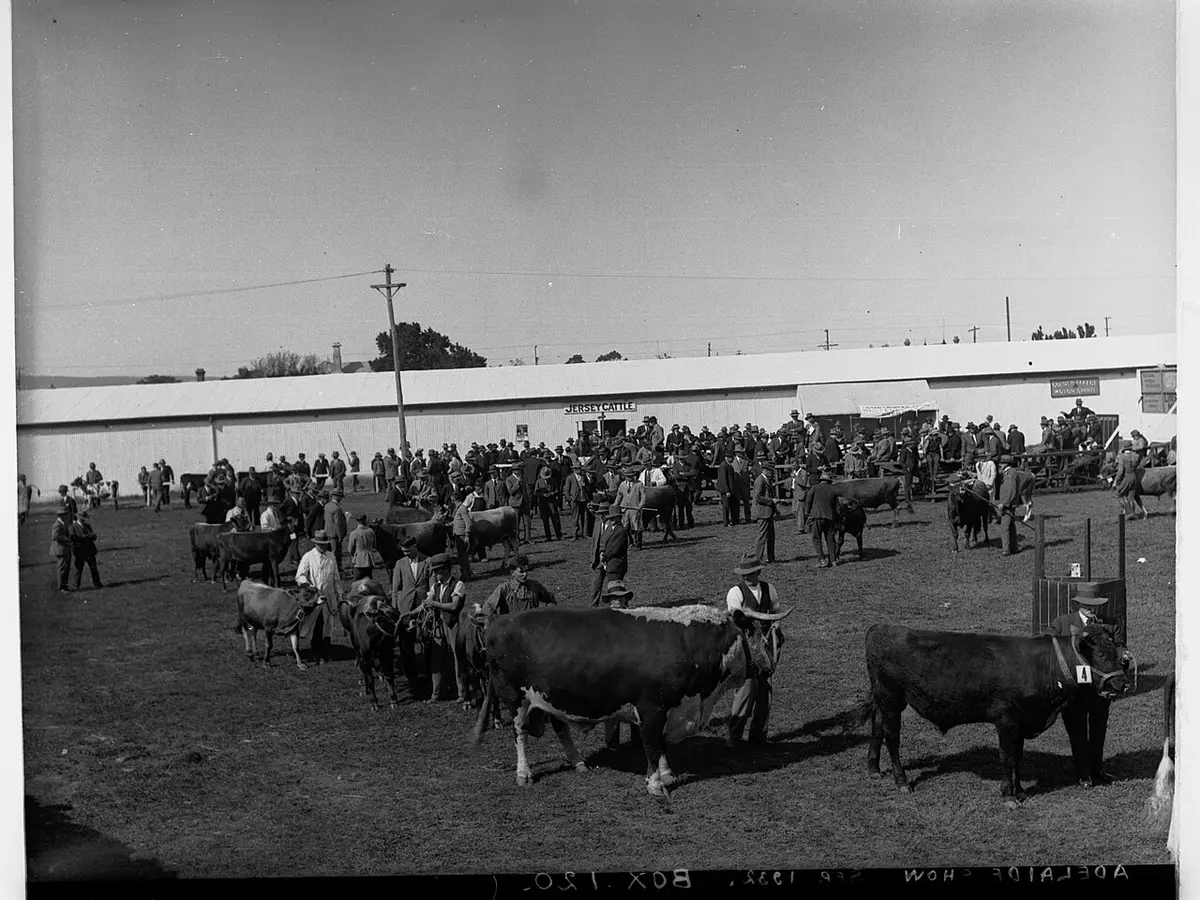
The FFA Barnyard is the fair’s gift to its youngest visitors: a place where children can see young farm animals at close range, with the agricultural students who care for them explaining where food actually comes from. Around it runs the serious business of 4-H and FFA competition. For children the midway competes with the barns; for exhibitors, the week is an examination prepared for all summer.
Getting to the Grounds and Settling In
Reaching Sauk Rapids and the Fairgrounds
Sauk Rapids sits in central Minnesota, immediately across the river from Saint Cloud, and the fairgrounds stand on Third Avenue South, close to the boundary the fair has occupied since 1913. Most visitors arrive by car, and the drive is straightforward from anywhere in the Saint Cloud area. Because the grounds predate the automobile era, arriving earlier in the day, particularly on grandstand evenings, keeps the trip calm.
Beds Nearby in Sauk Rapids and Saint Cloud
Lodging is one of this fair’s quiet advantages. Saint Cloud, directly adjoining the grounds, is a regional city with the full range of chain hotels and motels, and Sauk Rapids and nearby Sartell add more options a short drive away. Fair week is busy, so booking ahead is wise, particularly for weekend nights when grandstand events draw the largest crowds.
Camping and RV Stays
Visitors who prefer to camp will find the Saint Cloud area better supplied than many fair towns, with campgrounds and RV parks in the surrounding countryside. Exhibitors with animals often stay close to the barns by arrangement, but public visitors should plan on a commercial campground or a hotel rather than assuming space at the fairgrounds.
Parking, Gates and the Busiest Hours
The fair historically charges nothing to walk onto the grounds, which changes the rhythm of a visit: locals drop in for an evening rather than committing to a full day. Parking arrangements vary by year, so check current information before travelling and expect the tightest squeeze on derby and tractor pull evenings. Mornings are calmest in the barns; the grounds peak after supper.
What a Day at the Fair Costs
With grounds admission historically free, a day here is built from smaller spending: grandstand events, midway rides and games, and food. Prices change from year to year, so treat any figure seen in advance as a guide rather than a promise. A sensible budget covers one paid grandstand show, rides for children and grazing money for the local stands — and bring cash, since smaller stands have traditionally been quicker with cash than cards.
Early-August Weather and What to Wear
Early August in central Minnesota is high summer: warm, often humid days, the possibility of a thunderstorm, and evenings that cool enough to reward a light layer. The grounds mix pavement, grass and barn floors, so closed shoes serve better than sandals. A hat and sunscreen matter, since shade is scarce in the grandstand.
A Three-Day Benton County Fair Plan
On the first day, arrive in the morning and learn the grounds on foot. Walk the livestock barns while judging is under way, tour the exhibit buildings before the midday heat builds, and eat from a local organisation stand. Spend the afternoon between the FFA Barnyard and the Cottonwood Stage, then finish with a grandstand show — a demolition derby night if the schedule offers one.
Give the second day to depth rather than coverage. Return to the barns for a different set of shows, since the livestock programme rotates. Let children spend real time in the barnyard, browse the commercial and craft exhibits slowly, and graze through the foods you skipped. In the evening, trade the grandstand for the Beer Garden Stage if travelling without children, or for one more ride through the midway lights.
Use a third day more loosely: a late-morning return for exhibit results, a final round of favourite foods, and time in Sauk Rapids and Saint Cloud beyond the gates. With only a single day available, compress the first day’s route and protect the evening grandstand slot above everything else.
Packing and Planning Checklist
- Closed shoes suited to grass, dust and barn floors
- Sunscreen, a hat and a refillable water bottle
- Cash for smaller food stands, rides and grandstand tickets
- A light layer for cooler evenings after the grandstand
- A rain jacket or poncho in case of an August thunderstorm
- A phone or notebook for recording favourite exhibitors and results
- A plan for one grandstand evening, settled in advance
- Patience for queues at noon, the fair’s busiest eating hour
How Benton Compares With Its Neighbours
Set beside Minnesota’s metro-scale fairs, Benton is the intimate option: a six-day run, a free gate and grounds a newcomer can master in a morning. Set beside the state’s smallest one-weekend fairs, it is the substantial one, with two stages, a heavy grandstand programme and the hotel base of a regional city at its fence line. Few American fairs were placed beside a streetcar line in 1913 and simply never moved.
Sauk Rapids pairs naturally with Saint Cloud itself, the larger city across the river with the area’s widest choice of restaurants and shops, and with quieter stops elsewhere in Benton County such as Foley, the county seat. A fair day followed by a city evening is an easier combination here than in most fair towns.
Beyond the Gates in Sauk Rapids and Saint Cloud
A fair visit here comes with two towns attached. Sauk Rapids offers the small-city pleasures of a community that grew up with the fair: local cafés, parks and quiet streets a short distance from the grounds. Saint Cloud adds the scale of a regional centre, with more dining, shopping and services than any visitor could exhaust in a week.
The fair’s own history is the other excursion worth taking. The Agricultural Society’s published history of the fair gives returning visitors a way to see the grounds differently: the boundary site, the old streetcar geography, and the barns as artefacts as much as buildings.
A Century of Work by a Volunteer Society
The significance of this fair is easiest to see in who exhibits. 4-H and FFA members spend years preparing animals and projects for these six days, and the fair is where that work becomes public. More than a century after its September start, it remains one of the county’s defining institutions.
Where the Fairgrounds Sit
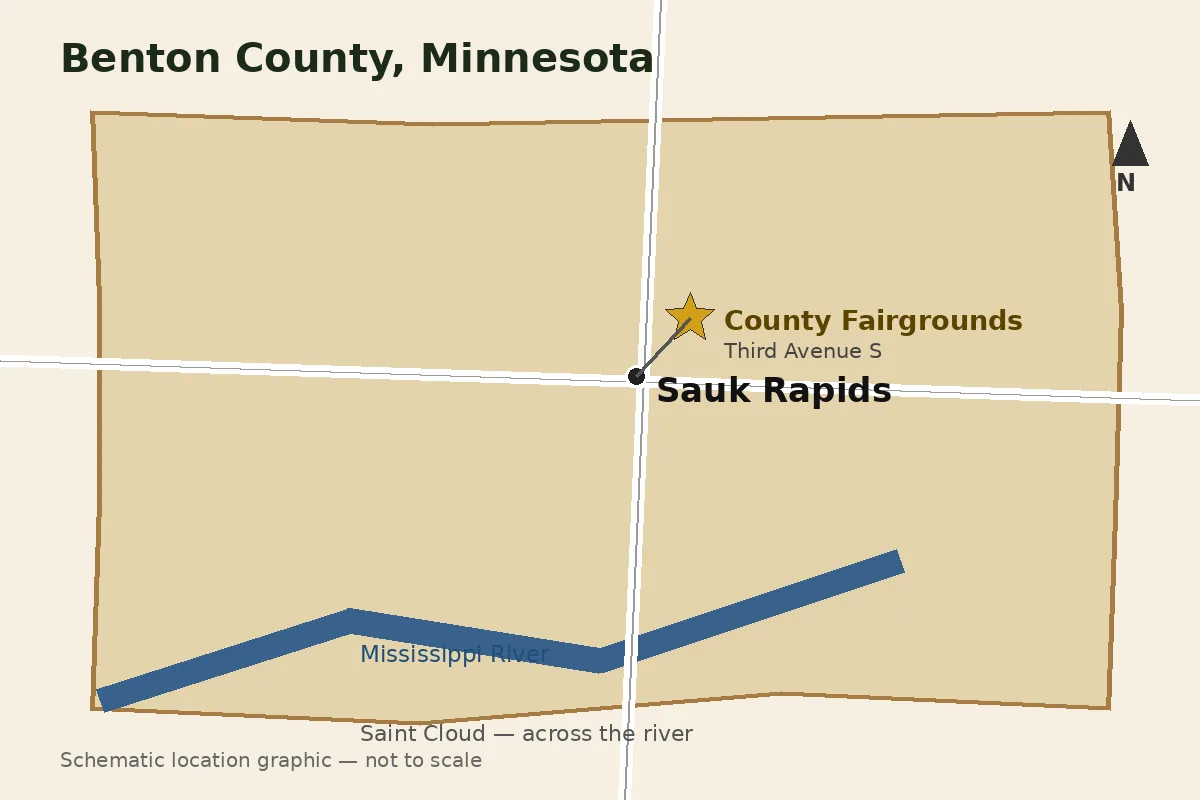
The Benton County Fairgrounds stand on Third Avenue South in Sauk Rapids, on the boundary with Saint Cloud where the Agricultural Society first bought land in 1913.
Frequently Asked Questions
When is the Benton County Fair held?
The fair is traditionally held over six days in early August, running from a weekday start through the weekend. Exact dates are announced by the Agricultural Society for each year, so confirm the current schedule before travelling, particularly if you are aiming for a specific grandstand event.
Is the Benton County Fair free to enter?
Grounds admission has historically been free, one of the fair’s defining features. Visitors should still budget for the parts that carry their own charges — grandstand shows, midway rides and games, and food — and check the current year’s arrangements, since details can change.
Where are the Benton County Fairgrounds?
The fairgrounds are on Third Avenue South in Sauk Rapids, Minnesota, on the line between Sauk Rapids and Saint Cloud. Chosen in 1913 partly for its transport links, the site remains an easy drive from anywhere in the Saint Cloud area.
What is the FFA Barnyard?
The FFA Barnyard is the fair’s hands-on agricultural area for families, where children can see young farm animals at close range and learn, from the FFA students involved, how animals are raised and where food comes from. It is a popular first stop on a family visit.
What to Expect From the Next Benton County Fair
The Benton County Fair is an annual event with more than a century behind it, and it returns in early August with the same broad shape: livestock shows, two stages of entertainment, grandstand motorsport and a free walk onto the grounds. Details such as the grandstand line-up and any change to parking or charges are settled closer to the fair, so plan around the tradition and confirm the particulars nearer the time.
How often is the Benton County Fair held?
The fair is held once a year, traditionally across six days in early August. It has been an annual fixture of the Sauk Rapids and Saint Cloud calendar for generations, and a missed year is the exception rather than the pattern in its long history.
When is the next Benton County Fair?
The next edition is expected in early August, in line with the fair’s established season. The Agricultural Society announces the confirmed dates and programme in advance of each fair, and those announcements, rather than any earlier estimate, are the ones to build travel and lodging plans around.
Will the dates change?
The fair’s early-August position has been stable for many years, but organisers can adjust the exact days, event times or grandstand schedule from one year to the next. Anyone travelling a long distance, or aiming at one particular event, should verify the final programme with the Agricultural Society before setting out.
Last updated: October 2026
A fair that began beside a streetcar line, with a governor in attendance and thirteen hundred dollars of prize money, does not survive for over a century by accident. The Benton County Fair lasts because Sauk Rapids, Saint Cloud and the farm families of Benton County keep deciding, every year, that it should. Go for the derbies and the cheese curds, but leave time for the barns in the morning, when the real fair is quietly under way.

One Comment