Will County Illinois Will County Fair Festival
There is a rhythm to late summer in Will County. The fields along the back roads turn heavy and gold, the evenings arrive a little sooner, and somewhere in the Will County area the fairgrounds come alive again. The Will County Fair is one of those annual events that families here mark on the calendar without anyone needing to remind them. It is a county fair in the old sense — animals, exhibits, rides, food, music — and it belongs to a county that has been organizing itself around Joliet since January 12, 1836.
What follows is a plain-spoken guide: what the fair is, how it fits into life here, and how to plan a visit that leaves you with sore feet and a full stomach. Whether you are two townships over or driving down from the Chicago suburbs, the fair rewards anyone willing to slow down and walk the grounds.
The Will County Fair in One Table
| Town / area | The Will County area, Illinois |
| County | Will County |
| County seat | Joliet |
| Population | A populous, growing county that runs from suburban Chicago’s edge out into open farmland |
| Region | Northeastern Illinois, on the southwestern rim of the Chicago metropolitan area |
| Typical timing | Late summer, usually a run of days in July or August |
| Admission | Gate admission is typically free; rides, games, and some grandstand shows carry their own costs |
| Setting | Open fairgrounds with exhibit halls, livestock barns, a grandstand, and midway space |
| Signature features | Livestock judging, 4-H and open-class exhibits, carnival rides, fair food, grandstand entertainment |
| Organizer | The county fair association and its volunteers |
A County Fair Built for Will County Families
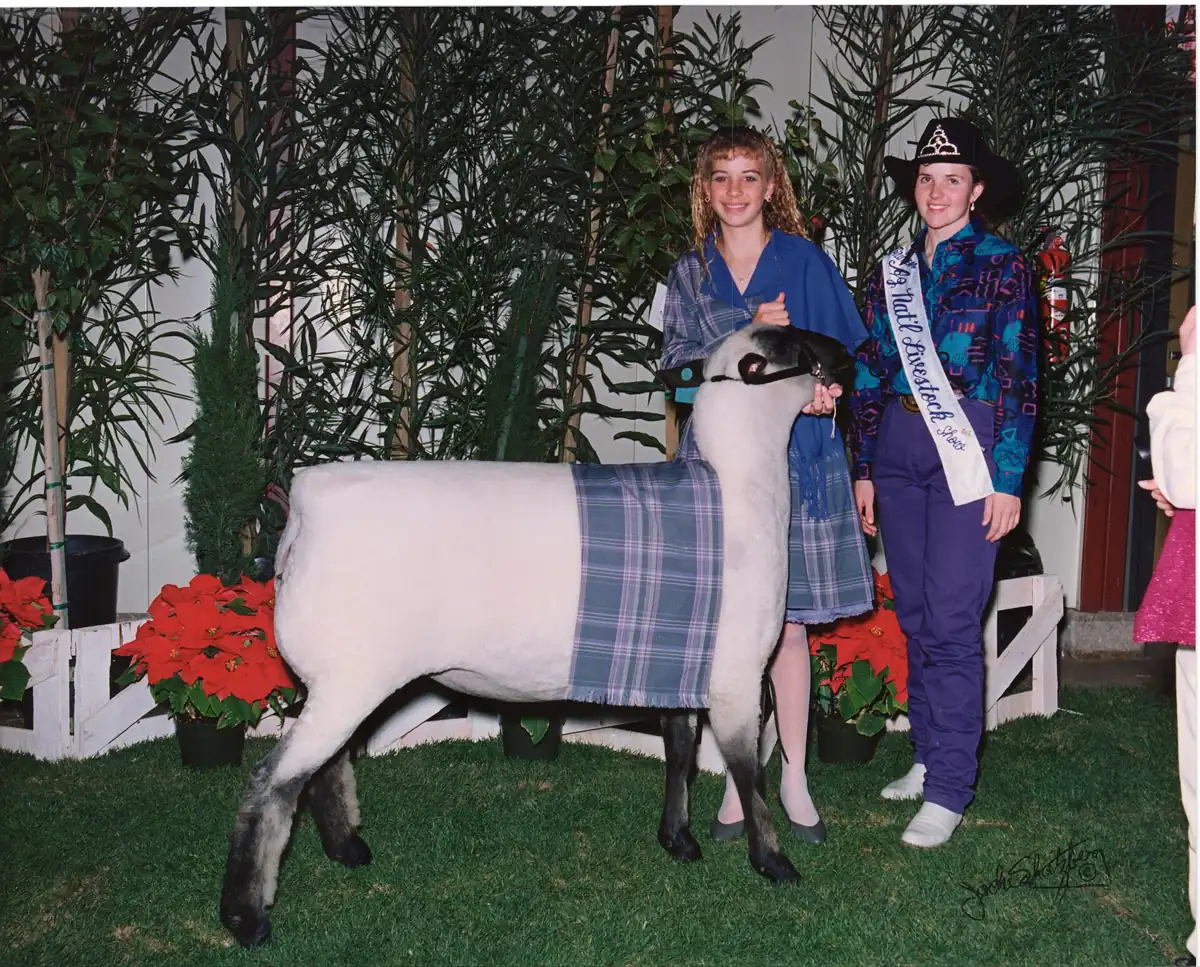
The Will County Fair is a traditional county fair — the kind that still measures a summer by how the animals placed, whose pie took a ribbon, and whether the weather held for the Saturday crowd. Its center of gravity is the exhibit program: barns full of cattle, swine, sheep, goats, and poultry, plus the rows of projects that local young people spend months preparing. Around that core, the fair builds the things everyone else comes for: rides, games, concession stands, and an evening program on the grandstand.
It is not a mega-festival and it does not try to be. The scale is part of the appeal. You can park once, walk the whole grounds in an afternoon, and still find yourself sitting on a bale of straw at dusk, listening to a neighbor explain the finer points of a heifer’s confirmation. For a county of 849 square miles that stretches from dense suburbs to working farms, that mix of rural and suburban is exactly the point.
Will County Roots: 1836 to the Fairground Era
Will County was founded on January 12, 1836, carved out of the prairie and timber land southwest of Chicago. Joliet was established as the county seat, and it has remained the administrative heart of the county ever since — the place where the courthouse stands and where county business gets done.
For another look at how a community turns its own traditions into a gathering, see the Will County Illinois Celtic Fest Festival for a useful comparison.
Fairs arrived in Illinois alongside the farm economy. In the nineteenth century, agricultural societies and farmers’ organizations across the state began holding exhibitions to compare stock, swap seed and techniques, and give rural families a reason to gather. Will County, with its rich prairie soil and its position on the road and rail routes heading out of Chicago, was a natural home for that tradition.
Over the decades, the fair moved with the county. What began as a showcase for draft animals and crops expanded into youth programs, home economics exhibits, machinery displays, and eventually carnival rides and grandstand concerts. The through-line never changed: for a few days each year, Will County puts its work on display and then celebrates it. Generations of local families have entered something — a calf, a photograph, a jar of preserves — and that continuity is what gives the fair its weight.
Spending a Day at the Will County Fair
A fair day here has a shape to it. Mornings belong to the barns and the judging rings. Afternoons belong to the midway and the exhibit halls. Evenings belong to the grandstand and the food lines. Plan around that rhythm and the day runs smoothly.
Fair Food and the Local Favorites
Concession stands are the social center of any county fair, and this one is no exception. Expect the classics: grilled sausage and peppers, corn dogs, funnel cakes, hand-dipped ice cream, fresh-squeezed lemonade, and the kind of fries that only taste right when eaten outdoors. Church groups, civic clubs, and local vendors typically run a share of the stands, which means the food is often a fundraiser as much as a meal. Eat early or eat late — the middle of the lunch rush is when the lines get long and the picnic tables fill up.
Music, Grandstand Shows, and Evening Entertainment
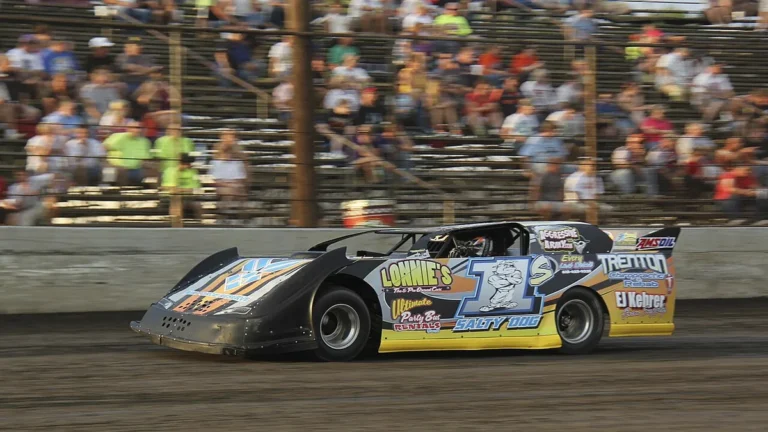
Evenings at the fairgrounds are built around the grandstand. Depending on the year, that can mean a local band, a tribute act, a demolition derby, a tractor pull, or a rodeo-style event — the schedule rotates, so it is worth checking what is on before you go. Smaller stages and wandering performers fill the gaps during the day, and there is usually music drifting from somewhere on the grounds from late afternoon until closing. Bring a lawn chair if you plan to settle in.
Family Activities and Things for Kids to Do
Families are the fair’s core audience, and the programming reflects it. The midway offers rides for small children and bigger thrill rides for teenagers. Beyond that, look for petting areas, livestock demonstrations, craft and hobby exhibits, and hands-on activities tied to the agricultural program. Many families make a full day of it: barns in the morning, lunch, rides in the afternoon, and a final pass through the exhibit hall before heading home.
Planning Your Trip to the Will County Fair
A little forethought turns a good fair day into a great one. Here is what to think about before you leave the driveway.
Getting to the Will County Fairgrounds
The fair sits within the Will County area, and most visitors arrive by car. From Joliet and the surrounding communities, the drive is short; from the northern suburbs, allow extra time for summer traffic on the interstates. If you are coming from out of town, route yourself toward the county seat first and work outward — the road network fans out from Joliet in every direction.
Where to Stay Near Will County
Because the fair is a short drive from most of the county, plenty of visitors simply sleep at home. Travelers will find the widest choice of hotels in and around Joliet, with additional options in the larger suburban communities along the county’s northern edge. Campers and RV owners often prefer to stay at area campgrounds and make the fairgrounds a day trip.
Parking and Traffic
Fairground parking is generally on-site or in adjacent lots, and it fills quickly during peak evening hours. Arrive before the dinner rush if you want an easy spot near the gate. Expect slow-moving traffic on the roads closest to the grounds during the busiest evenings, and be patient with the volunteers directing cars — they are usually the same people who have been doing it for years.
Admission, Ride Costs, and Budgeting
Gate admission is typically free, which makes the fair an easy outing for a large family. The money goes out in smaller increments: ride tickets or wristbands, games, food, and any grandstand event that charges separately. Set a rough budget per person before you walk in, and consider buying ride wristbands early in the day rather than piecemeal tickets later.
Weather and What to Wear
Late summer in northeastern Illinois means heat, humidity, and the occasional sudden thunderstorm. Wear comfortable shoes you do not mind getting dusty, bring a hat, and carry water. A light rain jacket or poncho beats an umbrella when the wind picks up. If the forecast looks rough, check ahead before making the drive — outdoor programs can shift or pause when storms roll through.
A Sample Will County Fair Weekend, Start to Finish
Friday evening. Arrive in the late afternoon, when the heat starts to break. Park, walk the barns while they are still quiet, and grab dinner from a concession stand before the lines form. Stay for the grandstand program, then take one slow lap through the midway on your way out.
Saturday. Come early. Livestock judging and youth exhibits are at their best in the morning, and the barns are full of activity. Spend the middle of the day in the exhibit halls, where the shade is welcome and the projects reward a slow look. Afternoon is for rides and games. Eat dinner on the grounds, then settle in at the grandstand for the evening show.
Sunday. Sunday tends to be gentler and more family-focused. It is a good day for young children, for second looks at exhibits you missed, and for picking up anything you promised to bring home. Wrap up with one last ice cream, and head out before the closing rush.
How the Will County Fair Compares to Nearby Fairs
Neighboring Grundy and Kendall counties both hold their own fairs, and each has a distinct personality. Grundy’s tends toward the smaller, more agricultural end of the spectrum, while Kendall’s reflects a county that has grown quickly and now balances suburban families with its farming base. Will County sits between those poles — big enough to fill a midway, rural enough that the livestock barns are still the heart of it.
Further afield, the Illinois State Fair in Springfield is a much larger, longer event with a statewide scope, and Chicago’s neighborhood festivals offer music and food without the agricultural program. What makes the Will County Fair different is that it is genuinely local: the exhibitors are your neighbors, the volunteers are your neighbors, and the ribbons on the wall were earned by people you might run into at the grocery store on Monday.
A Fair-Day Checklist for Will County Visitors
Before you leave: check the day’s schedule online or in the local paper, confirm gate and grandstand details, and fill the gas tank. Pack sunscreen, hats, refillable water bottles, a light rain layer, and cash for smaller vendors and game booths. Bring a tote bag for exhibit purchases, a stroller if you have small children, and a lawn chair if the grandstand seating tends to fill.
Leave behind anything you would not want to carry all day. Wear closed-toe shoes — fairgrounds are dusty, uneven, and sometimes muddy after rain. Keep a meeting point in mind in case your group splits up, and charge your phone before you go, since a long day outdoors drains a battery fast.
Beyond the Fairgrounds in Will County and Joliet
Make a weekend of it and the county rewards you. Joliet, the county seat, is the natural base: it has the largest concentration of dining, lodging, and services in Will County, plus the historic downtown blocks that give the city its character. From there, the county spreads out into small towns, forest preserves, and farmland, much of it within an easy half-hour drive of the fairgrounds.
Families often pair a fair visit with a stop at a county park or preserve, a drive through the countryside, or a meal in one of the communities along the way. If you are coming from Chicago, the trip itself is part of the experience — the landscape shifts from subdivisions to cornfields in a matter of minutes.
Why the Will County Fair Still Matters Here
Will County has changed enormously since 1836. It has grown into one of the busiest, most varied counties in Illinois, and much of its farmland now sits within commuting distance of a major metropolis. The fair is one of the few places where all of that still stands side by side: the farm kid and the suburban family, the longtime resident and the recent arrival, all walking the same midway.
It also does something quieter. It gives young people a stage. For a 4-H member who has spent months halter-breaking an animal or finishing a woodworking project, the fair is the payoff — a public moment where effort is recognized in front of the whole community. That is worth protecting, and it is why the fair keeps drawing volunteers year after year.
Where the Will County Fair Fits on the Map
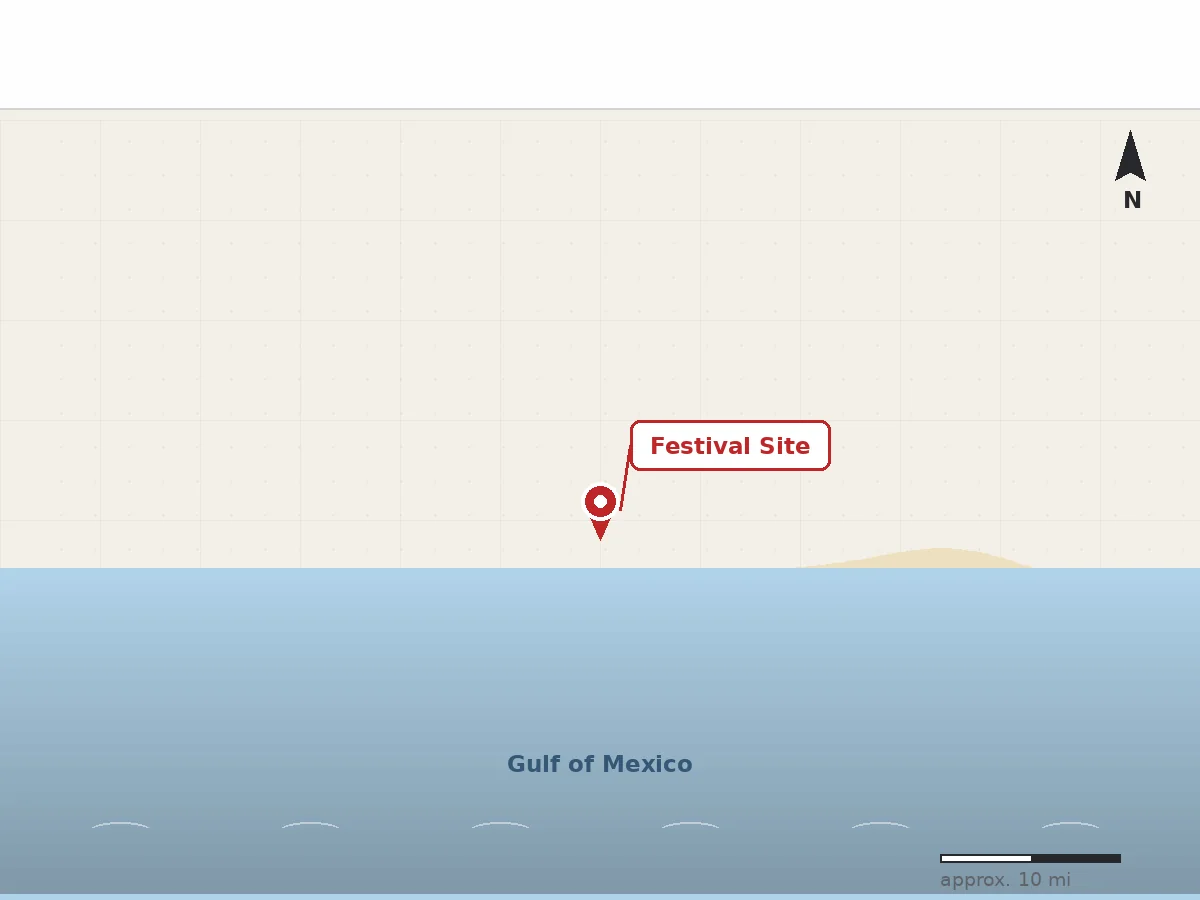
The Will County Fair takes place within Will County, Illinois — the county founded on January 12, 1836 and seated at Joliet.
Common Questions About the Will County Fair
What time of year is the Will County Fair held?
It is a late-summer fair, typically running for a stretch of days in July or August. The exact window shifts from year to year, so check the current schedule before planning your visit.
Is there an admission charge?
Gate admission is typically free. Individual costs apply for carnival rides, games, food, and any grandstand events that sell tickets separately, so plan a per-person budget rather than assuming the day is entirely free.
Is the fair a good outing for young children?
Yes. The grounds are walkable, there are rides and activities aimed at younger kids, and the animal barns are usually the biggest hit. Go earlier in the day when it is cooler and the crowds are lighter, and bring a stroller and water.
Should I bring cash?
It is a good idea. Many concession stands, game booths, and small vendors handle card payments, but cash moves faster in lines and covers the occasional stand that does not take cards. A little of both is the safest approach.
The Will County Fair’s Next Chapter
The fair’s future looks a lot like its past, only busier. As Will County continues to grow, the fair has a chance to introduce a largely suburban population to the agricultural traditions that shaped the place. Expect the youth programs, the exhibits, and the barns to remain central, with the midway and evening entertainment evolving to match what audiences want.
For visitors, that means the essentials will not change: a late-summer weekend, free gate admission, and a fairground full of neighbors. If you have never been, put it on the calendar for next season and see what the county has been growing all year.
Last updated: October 2026
The Will County Fair is one of those rare events that belongs equally to everyone in a 849-square-mile county — to the farm families who fill the barns, the volunteers who run the gates, and the suburban families who come out for a funnel cake and stay for the grandstand. Go once, and you will understand why it keeps coming back.
One Comment