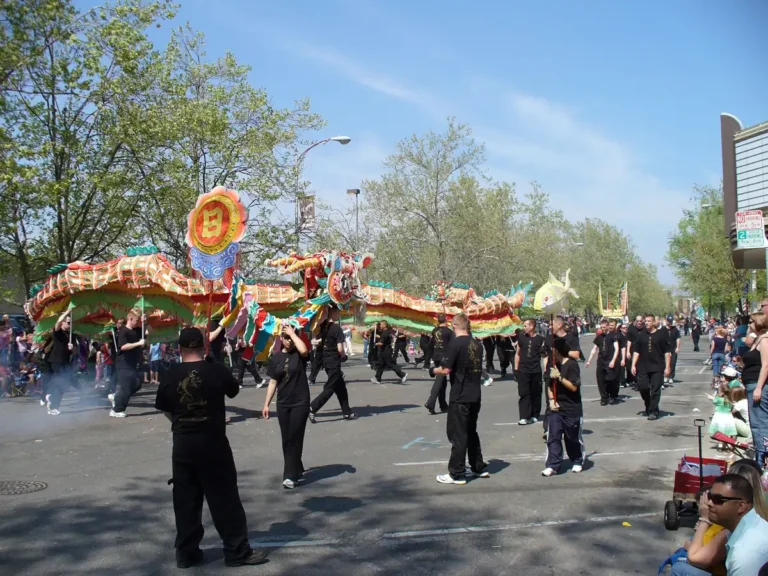
Aitkin County Minnesota Fair Festival
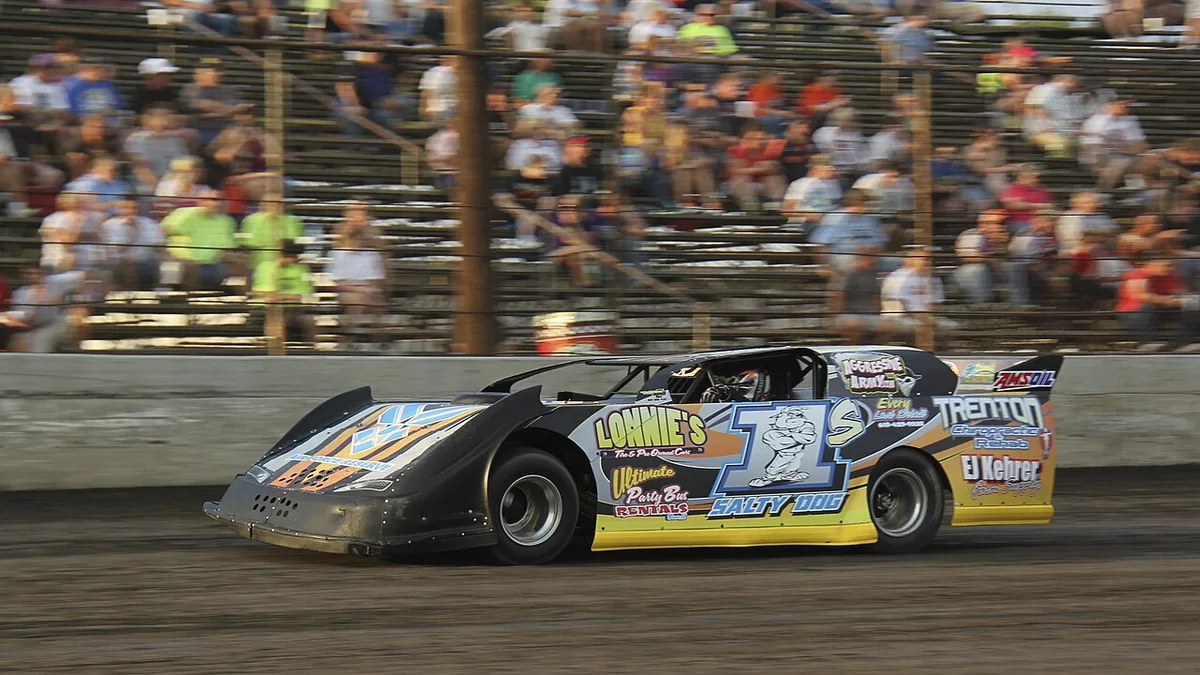
Some county fairs whisper. The Aitkin County Fair talks through a loudspeaker, over the growl of race engines and the thud of hooves in a rodeo arena. Held in July in Aitkin, Minnesota, this northern county fair has built its identity around a busy grandstand, a parade of classic tractors, and exhibit halls where the county shows off a year of work. It is a fair with deep roots and a free gate.
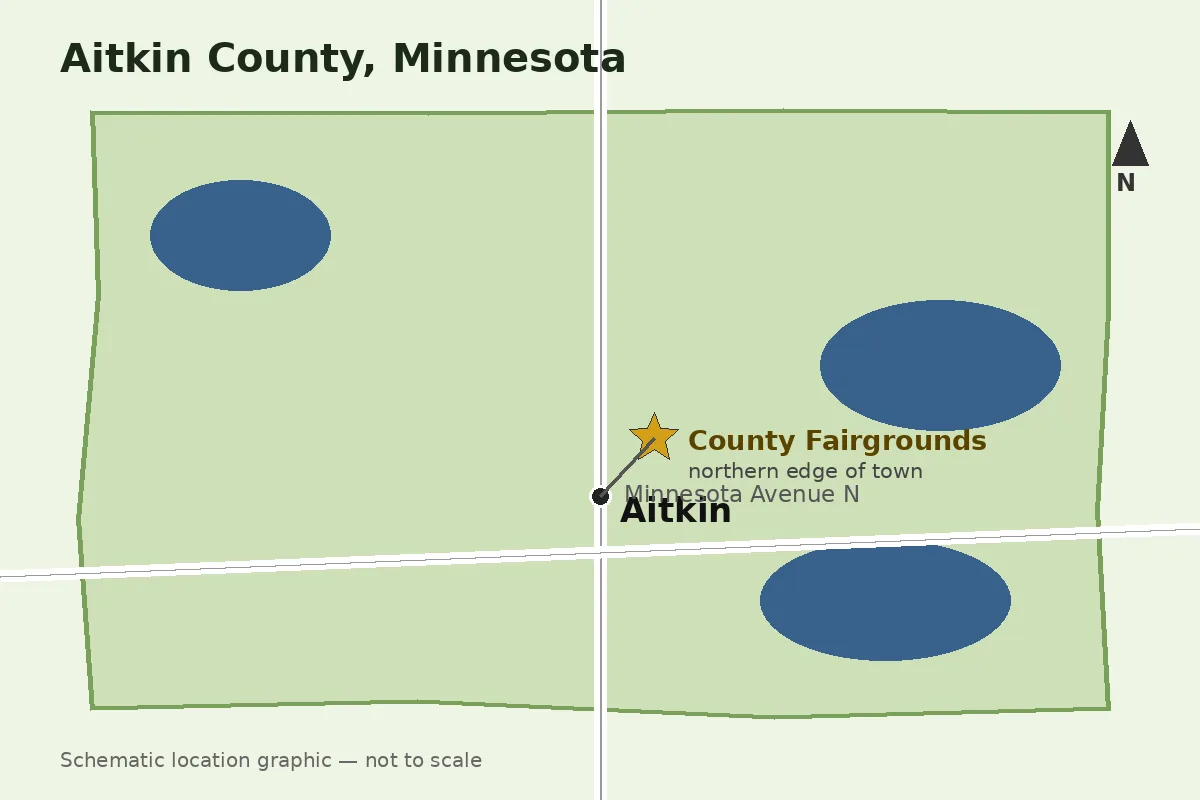
The fairground sits on the northern edge of Aitkin, close to town yet spacious, with room for the barns, midway, and grandstand to breathe. Over a long summer weekend, farmers lead animals toward the show ring, judges lean over jars of pickles, children queue for rides, and the grandstand fills for racing and rodeo action.
This guide walks through what the fair is, where it came from, and how to make the most of a visit, from the tractor parade to the practical question of what a day on the grounds actually costs. Whether you come for the Bulls and Barrels rodeo, the judged exhibits, or a slow evening of free stage music, Aitkin offers a fair day that still feels personal.
Quick Facts
| Fair | Aitkin County Fair |
| Town | Aitkin, Minnesota |
| County seat | Aitkin |
| Fairgrounds | 632 Minnesota Avenue North, northern edge of Aitkin |
| Typical timing | July, usually the second week of the month |
| Admission | Historically free at the gate; grandstand events ticketed separately |
| Parking | On the grounds, typically a small per-vehicle daily charge |
| Signature events | Bus and stock car races, Baja races, Bulls and Barrels rodeo, classic tractor parade |
| Setting | Small-town fairgrounds with barns, exhibit buildings, midway, and grandstand |
| Edition | More than 130 annual fairs, with roots in the early 1890s |
The Fair on Aitkin’s Northern Edge
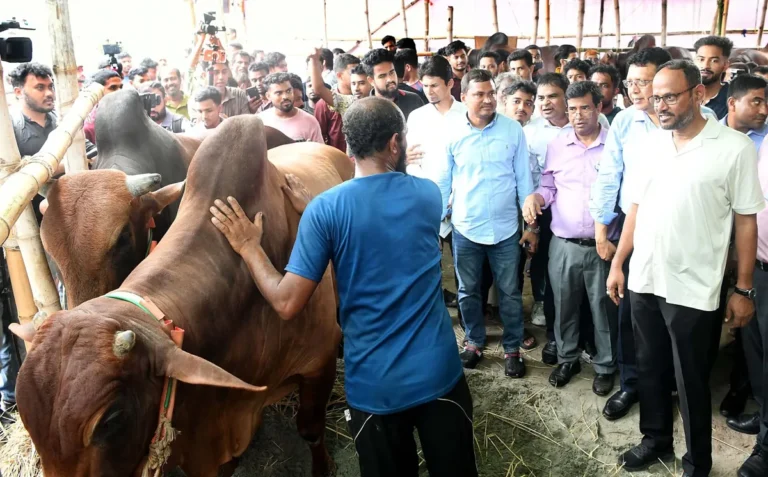
The Aitkin County Fair is the county’s annual showcase, the week when 4-H members, open-class exhibitors, farmers, bakers, and gardeners bring their best work into town and put it in front of judges and neighbours. Livestock shows run alongside judged exhibits of food, crafts, and produce, and the midway and grandstand keep the grounds lively from morning until the lights come on. It is an agricultural fair first.
County fairs reward comparison, and visitors who know the Baldwin County Alabama Shrimp Festival will recognise the same county-wide pride here, expressed in a very different landscape of northern pines, lakes, and farm fields. Where a Gulf Coast celebration leans on seafood, Aitkin leans on racing, rodeo, and the judged jar of pickles. That local flavour is the point: the fair is a portrait of Aitkin County itself.

From the 1890s to the 135th Fair: Aitkin’s Timeline
The fair’s roots reach back to the early 1890s, when Aitkin County was still a young farming and logging community and an annual exhibition gave scattered settlements a reason to gather in one place. Early fairs were practical affairs: livestock, crops, preserves, and handwork displayed side by side, with premiums that mattered to farm families watching every dollar. The habit of gathering each summer took hold.
The fair passed its 130th annual edition in the early years of this decade and has since climbed to a 135th, surviving interruptions that ended many small fairs. Through those decades the grounds on the northern edge of town became its permanent home, and its barns and grandstand became familiar landmarks.
What kept the fair alive was a balance that still defines it. The agricultural core never left: 4-H shows, livestock judging, and open-class exhibits remain the reason the fair exists. Around that core, each generation added its own entertainment, and the modern grandstand programme of races and rodeo grew from a county that loves machinery almost as much as a well-raised steer.
Four Days at the Aitkin County Fair
A fair day in Aitkin divides naturally into three parts. Mornings belong to the barns and exhibit halls, when judging happens and the grounds are calmest. Afternoons bring the midway, the free stage, and family activities into focus. Evenings belong to the grandstand, where racing and rodeo draw the day’s biggest crowds.
Fair Food and Local Vendors
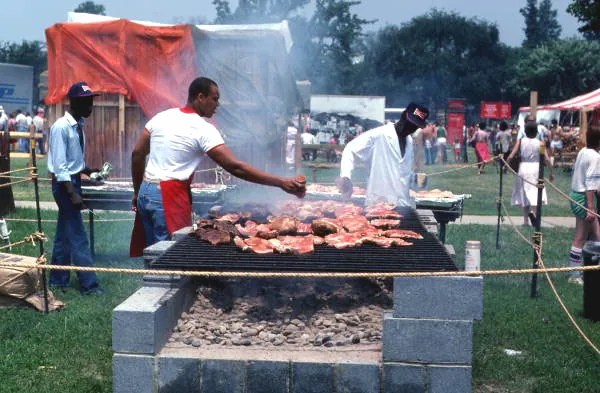
Food follows the classic county fair pattern of church stands, local vendors, and midway favourites, and part of the pleasure is grazing rather than sitting down to one meal. The exhibit halls add a second food story: judged baking, preserves, and garden produce, including the fair’s noted pickle judging, where home canners compete for ribbons with the seriousness of athletes. Watching judging is free entertainment in itself.
Music, Stages and Evening Entertainment
Entertainment splits between the free stage and the grandstand. The free stage carries live music through the fair, regional acts and community performances that give families a place to rest within earshot of the midway. The grandstand is the headline act: bus and stock car races, Baja races, and the Bulls and Barrels rodeo. Grandstand shows are ticketed separately, and the best seats go early on race nights.
Family Fun and Children’s Activities
Children get their own share of the programme. The kids pedal tractor pull turns young competitors loose on miniature machines to see how far determination and small legs can drag a weighted sled. The classic tractor parade gives younger visitors a slow, gleaming history lesson in farm machinery, while the barns are a family attraction in themselves, full of animals shown by exhibitors barely older than the children watching.
Planning Your Aitkin Fair Visit
Aitkin rewards a little planning. The fair is compact enough to see in a day, but its best moments are spread across the schedule, so checking the day’s programme before you set out makes a real difference.
Getting to the Fairgrounds
The fairgrounds stand at 632 Minnesota Avenue North, on the northern edge of Aitkin, and most visitors arrive by car through town. Arriving earlier in the day keeps parking and entry simple. Because the grounds sit at the town’s edge, the walk from the gate to the barns is short, which makes the fair an easy outing for visitors staying anywhere in the surrounding country.
Where to Stay Around Aitkin
Aitkin is a small county seat and its in-town lodging is limited, so visitors who need a room during fair week typically book early or look to the resorts, cabins, and small inns scattered through the surrounding countryside. Many fairgoers fold the fair into a longer stay in the area, spending mornings outdoors and evenings at the grounds.
Camping and RV Options
Campers and RV travellers are served by the pattern of campgrounds and resort sites typical of northern Minnesota vacation country, though spaces near town tighten quickly during fair week. If you plan to camp, reserve ahead and confirm what hookups a site offers, since small rural campgrounds vary widely. Arriving a day early turns setup into a relaxed errand.
Parking and Crowd Tips
Parking is on the grounds and has typically carried a small daily charge per vehicle in recent years, around five dollars, so keep a little cash handy. Crowds build through the day and peak around grandstand events, especially the rodeo and race nights. Mornings in the exhibit halls and barns are the fair at its most spacious, and the midway is liveliest after dark.
Admission and What Things Cost
The fair’s friendliest tradition is its gate: admission to the grounds has historically been free, which makes Aitkin one of the easiest fairs in Minnesota to sample on a whim. Spending goes instead to parking, food, midway rides, and grandstand tickets, which are sold separately for headline events such as the rodeo. A family can enjoy the barns, exhibits, and free stage for very little, then choose one grandstand show as the day’s splurge.
July Weather and What to Wear
A Minnesota July day can start mild, turn hot and humid by afternoon, and end with a cool evening or a passing thunderstorm. Dress in light layers, wear shoes that can handle grass and packed dirt after rain, and bring sunscreen for the grandstand bleachers. A light jacket earns its place once the sun drops and the evening programme begins.
A Sample Aitkin Fair Weekend
On a first fair day, start in the exhibit buildings while judging is under way and the halls are quiet enough to study the entries, then walk the barns as the livestock shows begin. Take lunch from the food stands, spend the afternoon between the midway and the free stage, and save your energy for the evening grandstand programme.
A second day suits the fair’s slower pleasures: time it around the classic tractor parade, revisit favourite exhibits now that the ribbons are up, and let children try the pedal pull or a last round of rides. One-day visitors can compress the two: exhibits in the morning, parade and barns in the afternoon, grandstand at night.
How Aitkin Compares With Nearby Fairs
To the southwest, the Becker County Fair in Detroit Lakes shares Aitkin’s free gate and adds its own long-running tractor parade through town, but it sits in a busier lakes resort setting and shares its town with a major country music festival later in the summer. Aitkin feels smaller and more local by contrast, with the grandstand racing programme as its loudest signature rather than a concert stage.
East of Aitkin, the Carlton County Fair in Barnum is the region’s other racing fair, known for horse racing and figure-eight and oval car races on a short track. Barnum leans harder into track heritage, while Aitkin spreads its appeal wider, mixing racing with rodeo, judged pickles, and a free stage.
Aitkin Fair Checklist: What to Bring
A short list turns a good fair day into an easy one:
- Cash for parking and grandstand tickets
- Comfortable walking shoes suited to grass and gravel
- Sunscreen and a hat for the grandstand bleachers
- A light jacket for cooler evenings after sunset
- A rain layer you can carry through the day
- A refillable water bottle for hot afternoons
- A camera or charged phone for the tractor parade
- An appetite paced across the food stands
- The day’s schedule, checked for judging and grandstand times
Beyond the Fairgrounds: Aitkin and Lake Country
Aitkin itself is worth an hour beyond the gate. It is the county seat, a small working town whose main streets carry the businesses serving the surrounding farms and lake homes, and a slow drive through it explains the fair’s character. The exhibitors, volunteers, and food stand crews you met on the grounds are the same people who keep the town running all year.
The surrounding county is classic northern Minnesota: a patchwork of farms, woods, rivers, and lakes that draws summer visitors for fishing, boating, and quiet cabin weekends. Many visitors treat the fair as the social peak of a longer stay in the area. Leave a margin in the day; the drive back at dusk is part of the experience.
What the Fair Means to Aitkin County
Economically, fair week is a small harvest of its own. Visitors buy fuel, food, and lodging across the county, food stands often raise money for local churches and civic groups, and young exhibitors earn premiums that reward a season of early mornings in the barn.
The deeper value is harder to invoice. The fair is where Aitkin County inspects itself: whose garden thrived, whose steer filled out, whose pickles took the ribbon. 4-H members learn to present work in public and accept a judge’s verdict with grace, and neighbours who wave across fields all year finally stand still long enough to talk. A tradition of more than 130 editions is load-bearing, not decorative.
Festival Area Map
The fairgrounds stand on the northern edge of Aitkin along Minnesota Avenue North, with the barns, exhibit buildings, midway, and grandstand arranged across one compact grounds.
Frequently Asked Questions
When is the Aitkin County Fair held?
The fair is held in July in most years, typically during the second week of the month, and runs across a long weekend. Because exact days shift from year to year, check the fair’s current programme before fixing travel plans, especially if you are aiming for a particular grandstand event.
Is admission to the Aitkin County Fair free?
Admission to the grounds has historically been free, and that remains one of the fair’s defining features. Expect to pay separately for parking, food, midway rides, and grandstand shows such as the rodeo and races, which are ticketed events in their own right.
What is the Aitkin County Fair best known for?
The fair is best known for its grandstand programme of bus and stock car races, Baja races, and Bulls and Barrels rodeo action, together with the classic tractor parade. Add the judged exhibits, including its noted pickle judging, and you have the fair’s character: loud at the grandstand, meticulous in the exhibit hall.
Is the Aitkin County Fair good for children?
Yes, it is one of the fair’s strengths. Children can watch livestock shows run by young exhibitors, join the kids pedal tractor pull, and ride the midway, while parents appreciate grounds compact enough to manage without exhausting anyone. Evenings at the grandstand suit families who enjoy racing and rodeo spectacle.
What to Expect From the Next Aitkin County Fair
The Aitkin County Fair is an annual event, and the next edition is expected to follow the pattern the county knows well: a July fair built around livestock and exhibit judging, a lively midway, free stage entertainment, and grandstand racing and rodeo. The daily schedule, grandstand lineup, and any parking charge can change from year to year, so treat the shape as dependable and the specifics as worth confirming before you travel.
How often is the Aitkin County Fair held?
The fair is held once a year, in summer, and has been an annual fixture of Aitkin County life for well over a century. Its long run through more than 130 editions is a large part of its identity.
When is the next Aitkin County Fair?
The next edition is expected in July, typically around the second week of the month, matching the fair’s established place on the northern Minnesota calendar. Look for the fair’s own announcements as summer approaches to confirm the days and the grandstand programme before booking travel.
Will the dates change?
The fair’s July timing is a long-standing tradition, but the exact days within the month can shift between years, and individual events may move within the fair’s run. A quick check of the current schedule shortly before you visit is the safest way to plan around the parade, judging, and grandstand shows.
Last updated: October 2026
Stand in the Aitkin grandstand as the light fades and the midway lights come up, and the fair explains itself. This is a county showing its work and enjoying the noise it makes doing it. Come for a day, spend almost nothing at the gate, and leave feeling that Aitkin County threw a party mostly for itself and was genuinely glad you came.