Jewell County Kansas Threshing Bee Festival
In Mankato each summer, steam power and old threshing machines pull a small county seat back toward the harvest seasons that built it. The gathering carried here under its sheet title holds a simpler name in print, where layers call it the Jewell County Threshing Bee and, in longer forms, attach the Jewell County Historical Society to the title. No layer read adds the word festival to the event name at all, and that difference matters, because the bee presents itself as working heritage rather than fairground spectacle. People come to watch wheat separated the hard way, walk rows of preserved tractors, and meet neighbours in a park shaped by volunteer effort.
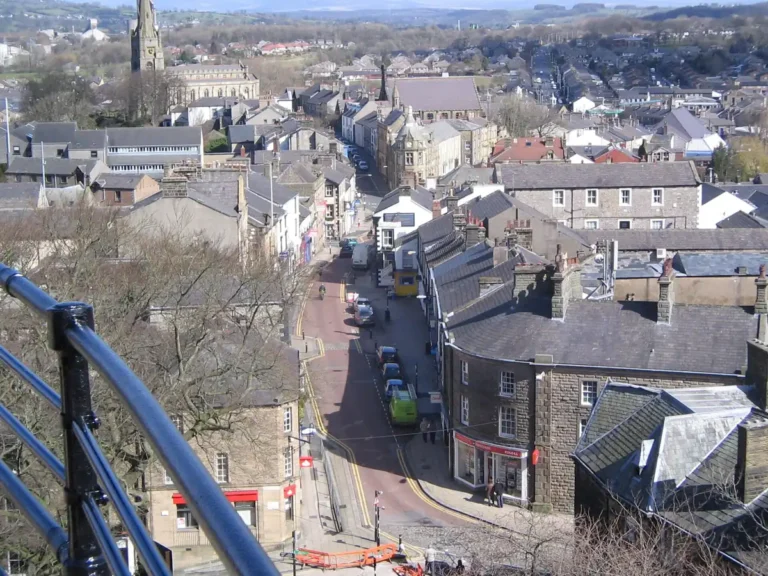
Mankato holds the county seat for Jewell County, and Mankato City Park gives the bee its modern home beside U.S. Highway 36.
About the Threshing Bee
The Jewell County Historical Society organises the bee, and local news layers name its president, Jack Alcorn, in connection with the gathering. Preservation sits at the centre, with machines kept running rather than merely parked for photographs, and skills such as blacksmith work and corn shelling shown as living practice.
Published name forms vary across the layers, and they remain separate here because each source prints its own version. A county layer and the organiser’s own site use the short form Jewell County Threshing Bee. Local news lengthens the name to Jewell County Historical Society Threshing Bee, while an agricultural newspaper layer prints Jewell County Historical Society Antique Farm Machinery and Threshing Bee. A farm-collector magazine layer from nineteen eighty-two calls it Jewell County Threshing Bee and Antique Machine Show, and a regional highway-association publication uses Threshing Bee and Antique Engine Show. Those forms show how different writers emphasised the society, the machinery, or the engines, without any one form cancelling the others.
The park setting keeps demonstrations, displays, and food sellers within easy walking distance. A magazine layer from nineteen eighty-two describes a ten-acre plot belonging to the Jewell County Historical Society, Dr. William Schlotterback, and the City of Mankato, tying the early grounds to shared local stewardship.
For a useful comparison, see the Jefferson County Kansas Threshing Bee and Fall Festival for another county festival.
Quick Facts
| Item | Detail |
| Host town | Mankato, county seat of Jewell County |
| Main venue | Mankato City Park on U.S. Highway 36 |
| Organiser | Jewell County Historical Society |
| Society president named | Jack Alcorn, named in local news layers |
| Usual timing | Third weekend of July each year |
| Beginning stated | Began in nineteen seventy-eight, per county layer |
| Earliest dated edition here | Seventeen to eighteen July, nineteen eighty-two |
| Two thousand twenty-one admission | Ten dollars per adult, children twelve and under free |
| Two thousand twenty-four billing | Forty-sixth annual, as printed in local news |
| Signature activity | Working wheat threshing with steam power |
History of the Bee
A county layer states plainly that the threshing bee began in nineteen seventy-eight, and an organiser quoted in an agricultural newspaper layer says the same, describing the threshing bee as having started in that year. Those statements agree, and this account rests on them as given, rather than building a start date from edition numbers. Annual billings are reported here only as billings, in the years where sources print them.
The earliest dated edition in this record falls on seventeen to eighteen July in nineteen eighty-two, when a farm-collector magazine layer billed the gathering as the fifth annual. That layer also preserves the longer Antique Machine Show name, and its ten-acre plot description links the society, Dr. William Schlotterback, and the City of Mankato with ground connected to the event.
The layers leave long quiet stretches between that early account and the modern editions, and those gaps stay open here. An agricultural newspaper layer notes that the edition before two thousand twenty-one was cancelled because of the coronavirus pandemic, making the return on seventeen to eighteen July in two thousand twenty-one a genuine restart moment.
By two thousand twenty-four, local news billed the gathering as the forty-sixth annual and highlighted featured tractors described as oddballs, orphans and crawlers. A county layer also gives the bee its standing rhythm, placing it on the third weekend of July each year. Together, the stated beginning and the printed billings describe longevity without forcing numbers into a tidy calculation they were never printed to support.
What to Expect at the Bee
Working demonstrations give the weekend its pulse. Wheat threshing performed with steam engines and threshing machines turns a vanished farm routine into something visitors can hear, smell, and follow step by step. Crews feed the machines, belts move, and grain comes away from straw through teamwork that once decided whether a neighbourhood harvest succeeded.
Machinery fills much of the park around those demonstrations. Antique farm equipment and tractor displays invite slow looking, with owners often proudest of the odd, the rescued, and the stubbornly restored. The two thousand twenty-four featured tractors, billed as oddballs, orphans and crawlers, capture that spirit well. An antique tractor pull adds contest and noise, while a two-man crosscut competition brings hand skill back into view, reminding spectators that farm power did not always arrive through an engine.
Quieter crafts balance the heavier iron. A blacksmith shop shows shaping and repair work at the forge, and corn shelling demonstrates another task that once filled autumn days. Parades move the celebration through the grounds, a flea market adds browsing and bargaining, and food and drink vendors keep families fed between demonstrations. Raffles and drawings thread through the social side, giving visitors small chances to support the gathering while they wander.
In two thousand twenty-one, the programme included a Sunday service and a performance by the Peterson Farm Brothers, recorded by an agricultural newspaper layer for that year. Local news places the two thousand twenty-three edition across Saturday and Sunday, fifteen to sixteen July, at Mankato City Park. A festival-listing aggregator layer lists eighteen to nineteen July in two thousand twenty-six, though that entry stands as a listing rather than a reported account.
Planning Your Visit
July heat shapes every practical choice in Mankato, so light clothing, a hat, water, and patience for midday sun belong high on any plan. Mankato City Park on U.S. Highway 36 serves as the documented venue in recent layers, and arriving with time to walk the whole grounds pays off, because demonstrations, displays, and contests overlap across the day. Pausing to watch one full threshing run teaches more than hurrying past three separate machines.
Families do best by mixing spectacle with rest. Children tend to remember the pull, the parade, and the crosscut contest, while shaded breaks near food vendors help everyone last. The flea market rewards unhurried browsing. Bringing cash can help with small purchases, raffles, and drawings.
Admission needs careful reading, because the record fences its only clear statement to a single year. For the two thousand twenty-one edition, an agricultural newspaper layer states admission of ten dollars per adult, with free entry for children twelve and under. No admission statement was found for other years in the layers read, so that figure must never be stretched into a general price for the bee. Anyone budgeting for a future visit should look for a current announcement from the society before assuming the earlier terms still apply.
Contact details for the event and the society appear in the sources, though their values are not reproduced here. Anyone bringing a tractor or engine should confirm arrangements well before July, since featured themes can change from year to year.
A Sample Day at the Bee
Begin with a full circuit of Mankato City Park soon after arriving, noting where the threshing crew works, where tractor rows stand, and which contest areas draw early crowds. That loop helps you choose which demonstrations deserve your longest attention. Follow it with time at the blacksmith shop, easier to study before the grounds grow busier.
Late morning suits the machinery displays. Walk the antique tractors slowly, look for unusual crawlers and rescued orphans among them, and save the tractor pull for when you want noise and competition. Break for lunch from the food and drink vendors, then drift through the flea market while the afternoon settles in. If a parade steps off during your visit, claim a viewing spot a little early, since parades concentrate spectators quickly.
Later, watch corn shelling, catch a round of the two-man crosscut competition, buy a raffle chance if drawings are running, and return to the threshing demonstration for one more full sequence.
How the Bee Compares
North central Kansas holds several threshing traditions, and keeping them separate protects the identity of each one. The McLouth Threshing Bee, held in Jefferson County and paired in its own record with a fall festival name, is a different event in a different county, and none of its dates, prices, or programme details belong to Mankato. Goessel’s Country Threshing Days in Marion County likewise stands on its own ground, with its own community behind it.
Within Mankato itself, the Jewell County Fair also arrives in July, yet it remains a separate companion event rather than another name for the bee. A county fair centres on exhibits, judging, and fairground routines, while the bee centres on harvest machinery in motion and on the historical society’s preservation work. A visitor in town during a crowded July stretch could enjoy both, provided each is understood on its own terms.
What sets the Jewell County gathering apart is its combination of a stated nineteen seventy-eight beginning, a county seat park setting, and working steam threshing still in the lead. That blend gives the bee a character closer to a working reunion than to a general summer fair.
A Visitor Checklist
- Light summer clothing, a hat, and sunscreen for July sun
- Water for walking between demonstrations and displays
- Cash for raffles, drawings, and small flea market finds
- Time set aside for one complete threshing demonstration
- A plan to see the antique tractor pull
- Attention for featured tractors and unusual crawlers
- A visit to the blacksmith shop during the day
- A stop to watch corn shelling explained up close
- Space in the day for the parade and market
- A current schedule check with the society before travelling
Beyond the Park Grounds
As county seat, Mankato carries the everyday institutions of Jewell County, and its position on U.S. Highway 36 makes it a natural stopping point across north central Kansas. The nineteen eighty-two account of a ten-acre plot held by the society, Dr. William Schlotterback, and the city hints at how deeply local memory and volunteer care intertwine here.
The wider county landscape explains why threshing matters so much in local memory. Wheat fields, small towns, and farmsteads spread across Jewell County created the world in which cooperative harvest labour was a necessity rather than a performance. Seeing machines work in the park, then driving out past modern fields, connects the demonstration to a living agricultural county instead of a vanished one.
The bee also opens a door into the historical society’s year-round work preserving stories, photographs, and objects from local families. The Jewell County Fair, separate from the bee, adds another July tradition for trips overlapping both gatherings.
Why the Bee Matters
Small heritage events survive only when a community keeps choosing the work behind them. Steam engines need tending, threshing machines need crews, and tractors need hauling. Each edition teaches younger visitors that food once depended on coordinated labour and knowledge passed hand to hand.
Modern combines finish fields with speed no threshing crew could match, yet the old process reveals the social world mechanisation replaced. Neighbours travelled between farms, shared equipment, fed large crews, and measured the season together.
For Jewell County, the gathering doubles as a homecoming. Former residents return, collectors meet rivals and friends, and local children see their county presented as a place worth studying rather than merely passing through. A stated beginning in nineteen seventy-eight gives that homecoming a modern organisational story, while the older harvest traditions behind it stretch the meaning of the weekend far beyond one society’s lifetime.
Frequently Asked Questions
Which name do sources actually print for this gathering?
Layers print several forms, led by Jewell County Threshing Bee from a county layer and the organiser’s own site, with longer Historical Society forms in local news and an agricultural newspaper layer. None of the forms read includes the word festival, so the sheet title serves as a label here rather than a quoted name.
What happens during the threshing demonstrations?
Crews run steam engines and threshing machines to separate wheat in working displays, surrounded by antique equipment, corn shelling, and blacksmith work. The point is demonstration rather than static display, so visitors see the sequence, hear the machinery, and follow the teamwork that historic harvests required.
Which editions can be tied to firm dates?
Firmly dated editions include seventeen to eighteen July in nineteen eighty-two, seventeen to eighteen July in two thousand twenty-one, fifteen to sixteen July in two thousand twenty-three, and twenty to twenty-one July in two thousand twenty-four. A listing layer also gives eighteen to nineteen July in two thousand twenty-six, recorded only as a listing.
What did admission cost in the documented example?
An agricultural newspaper layer states that in two thousand twenty-one, admission cost ten dollars per adult, while children twelve and under entered free. That statement belongs to that edition alone, because the layers read give no admission terms for other years.
What to Expect From the Next Jewell County Kansas Threshing Bee Festival
How often is Jewell County Kansas Threshing Bee Festival held?
A county layer places the bee on the third weekend of July each year, giving the gathering a steady midsummer rhythm. Individual editions can still be interrupted, as the cancellation before the two thousand twenty-one return shows, so the standing pattern describes intention rather than a guarantee.
When is the next Jewell County Kansas Threshing Bee Festival?
The most recent dated entry in the layers read is a listing for eighteen to nineteen July in two thousand twenty-six, which fits the third weekend pattern given by the county layer. Because that entry is a listing rather than a report, readers should confirm any coming edition directly through the historical society before travelling.
Will the dates change?
Dates have followed the third weekend of July in the county layer’s description, and the dated editions gathered here cluster in mid July. Weather, volunteer capacity, or wider emergencies could still alter a given year, as the pandemic cancellation proved, so current confirmation remains wise.
Closing Thoughts
The Jewell County threshing bee endures because Mankato keeps treating harvest memory as work worth doing in public. Steam rises, belts turn, unusual tractors draw their crowds, and a county seat park becomes a classroom without walls for one July weekend. For anyone who values machinery with a human story attached, that combination makes the trip to Jewell County worthwhile.