Sioux County Iowa Youth Fair Festival

If you have never been to a county youth fair in northwest Iowa, the Sioux County version is a friendly place to start. The parking is a grass lot. The grandstand fills up before the evening program begins. Half the people you pass know each other from school, church, or the grain elevator. Nothing here is staged for outsiders, which is exactly why first-timers tend to leave impressed anyway.
This orientation is written for the newcomer: what the fair actually is, how a day unfolds, when to arrive, what to bring, and how to build a weekend around it in the Sioux County area. Bring a folding chair, some cash for the food stands, and no particular schedule.
The Sioux County Youth Fair in One Table
| Town / place | The Sioux County area, northwest Iowa |
| County | Sioux County, Iowa |
| County seat | Orange City |
| Population | 35,872 (2020 census) |
| Region | Northwest Iowa, near the South Dakota and Minnesota lines |
| Typical timing | Summer, over several consecutive days |
| Admission | Typically free, with individual activities priced separately |
| Setting | Rural fairgrounds surrounded by farmland |
| Signature features | Youth livestock shows, static exhibits, food stands, grandstand events |
| Organizer | Volunteer-led county fair organizers and local youth programs |
What the Sioux County Youth Fair Actually Is
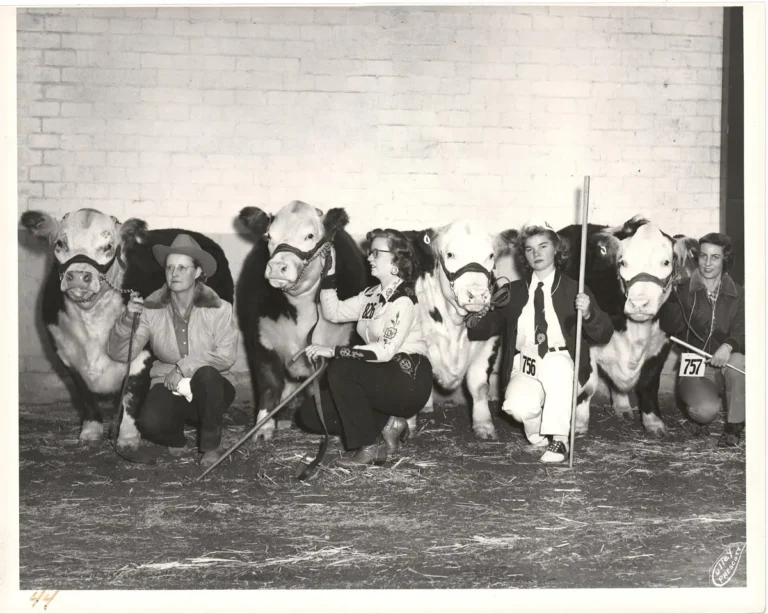
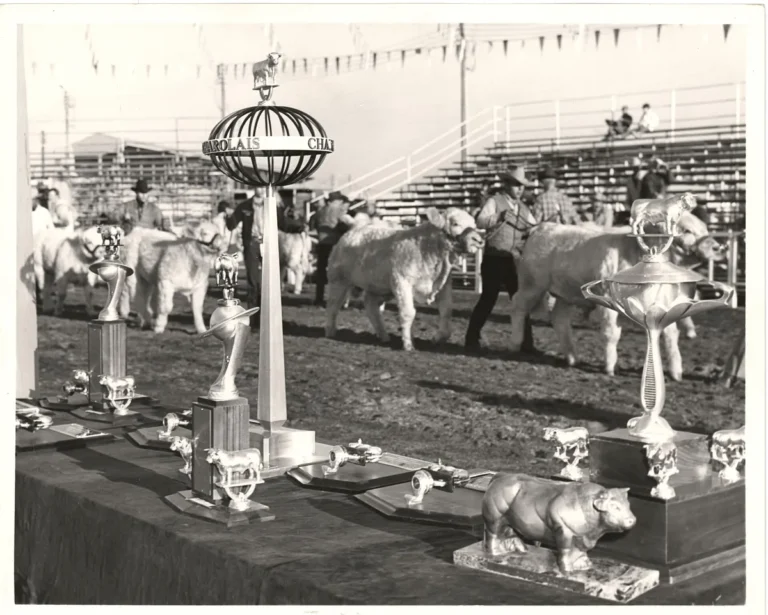
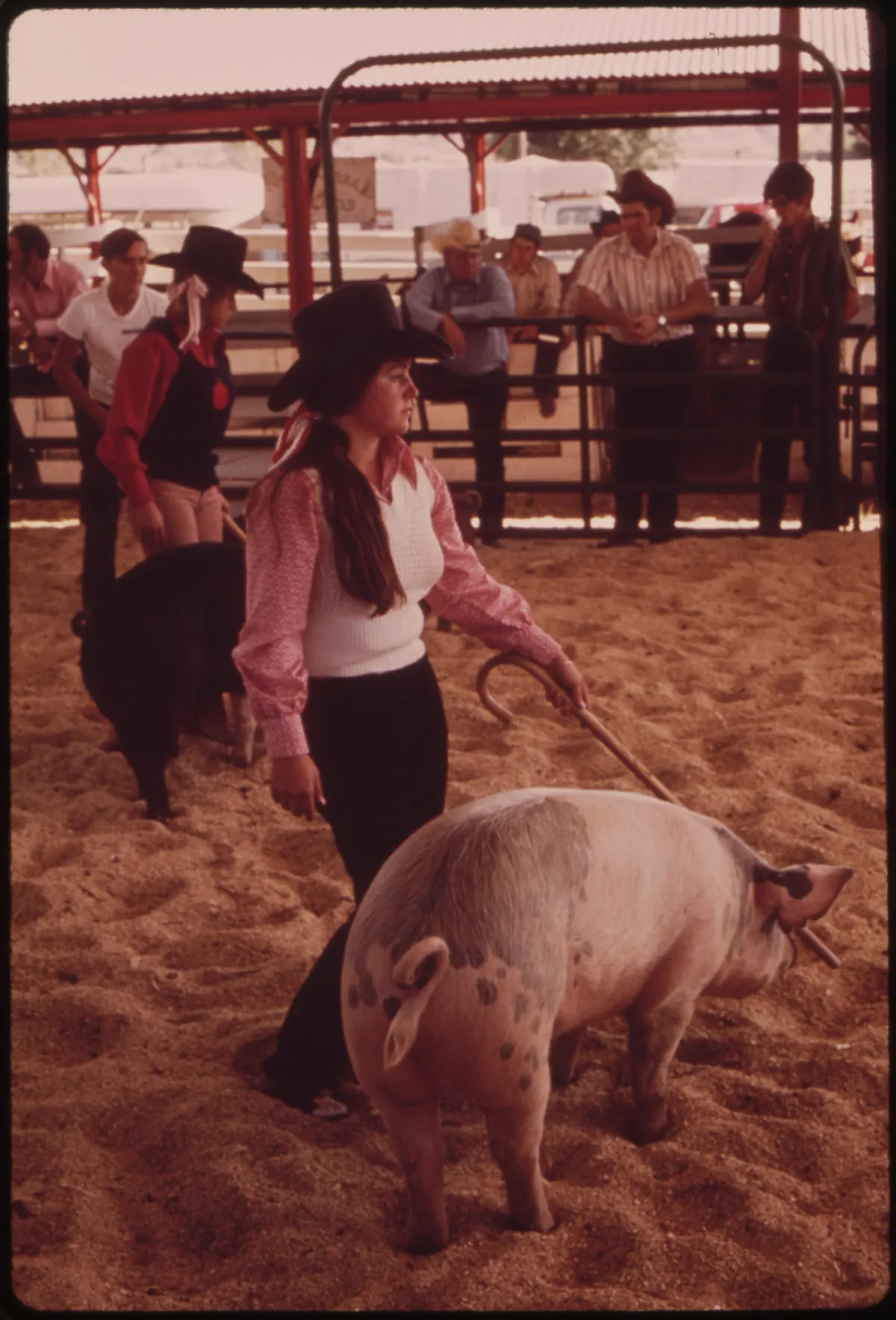
The Sioux County Youth Fair is a county-level youth exhibition and community festival held in the Sioux County area of northwest Iowa. Its center of gravity is young people: exhibitors who raise livestock, prepare static projects, and present their work to judges, then spend the rest of the week eating, riding, and running between the barn and the grandstand.
Sioux County covers 768.993 square miles of rolling farmland, with a population of 35,872 counted in the 2020 census and Orange City as the county seat. That geography explains the fair’s rhythm. Exhibitors travel in from small towns and farmsteads scattered across a large, lightly populated county, and for a few days the fairgrounds become the busiest place in the region.
Unlike a carnival that tours from city to city, a youth fair is rooted. The people showing animals are your neighbors’ kids. The judges often grew up in the same county. The food stands are usually run by local groups raising money for their own causes. Expect a blend of agriculture, competition, food, and evening entertainment rather than one headline attraction.
For another look at how a community turns its own traditions into a gathering, see the Sherman County Kansas Northwest Kansas District Free Fair Festival for a useful comparison.
Admission to fairs of this type is typically free, with costs concentrated in food, rides, and special events. Plan accordingly and carry cash.
A Fair Tradition Told in Sioux County Chapters
County fairs across Iowa trace back to nineteenth-century agricultural societies, when farmers gathered to compare crops, cattle, and machinery. Sioux County, settled and organized in the same era, followed that pattern: a yearly gathering tied to the farming calendar, held after the hay was in and before harvest took over everyone’s attention.
Early county years. In most Iowa counties, the first fairs were agricultural exhibitions with livestock classes, produce displays, and horse racing as the main draw. Sioux County’s fair tradition belongs to that world, and the county seat at Orange City has long been the administrative center around which county life organizes.
The shift toward youth. Over the twentieth century, the emphasis across Iowa moved steadily toward young exhibitors. What had been a farmers’ showcase became a youth fair, with project judging, showmanship classes, and record books becoming the heart of the event. That is the model the Sioux County Youth Fair follows today.
The modern fair. Today the event is a mix of tradition and logistics: barns full of animals, an exhibit hall of static projects, food stands, a grandstand schedule, and a volunteer crew that spends months preparing for a few days in summer. The details change year to year. The shape does not.
What a Fair Day in Sioux County Feels Like
A day here has a shape. Mornings belong to exhibitors and judges. Midday is families and food. Evenings bring the grandstand crowd.
Fair Food in Sioux County: What to Eat Between Shows
Fair food at a county youth fair is a mix of fundraiser stands and concession trailers. Expect the classics: pork sandwiches, walking tacos, corn dogs, funnel cakes, lemonade, and pie by the slice. Local civic and church groups often run stands of their own, which means the menu shifts from booth to booth and the money stays close to home. Lines are longest right after a show lets out and again around supper. If you want to eat without waiting, go mid-afternoon, the calm stretch of the day. Seating is often limited to picnic tables and grass, so a blanket helps.
Grandstand Nights and Local Talent in Sioux County
Evening entertainment at Iowa county fairs tends to run a familiar gamut: a demolition derby, a tractor pull, a rodeo night, live music, and a grandstand program that draws the biggest crowd of the week. Local performers and school groups often get time on smaller stages earlier in the day. Because the schedule changes each year, the reliable move is to check the fair’s printed program or local listings when you arrive, then plan your evening around whatever is running that night. Arrive early for grandstand events. Bleachers fill, and standing room goes quickly on popular nights.
Keeping Kids Busy From Morning to Dusk in Sioux County
For families, a youth fair is unusually easy. There are animals to look at, barns to wander through, and exhibitors who are usually happy to answer questions about a calf or a rabbit. Rides, games, and inflatables typically operate in the afternoons and evenings. The static exhibit hall makes a good shaded break in the middle of a hot day. Small children do well with a stroller, a hat, and a plan to head out before the late-night crowd arrives.
Planning Your Trip to the Sioux County Fairgrounds
Getting There: Roads Into Sioux County
Sioux County sits in the far northwest corner of Iowa, within driving distance of Sioux Falls, Sioux City, and the Iowa Great Lakes region. Most visitors arrive by car, and the last stretch runs on county roads and two-lane highways past corn and soybean fields. Fuel up before you get close, since small-town stations get busy during fair week. If you are coming from out of state, treat it as a road day rather than a quick detour. Northwest Iowa is spacious, and the distances between towns are longer than the map suggests.
Where to Stay Around Orange City and Sioux County
Orange City, the county seat, is the natural base for a fair weekend, with the largest concentration of lodging and restaurants in the county. Small towns nearby offer a handful of motels and, increasingly, short-term rentals. Because fair week pulls exhibitors, families, and former residents back to the area, rooms tighten up. Booking well ahead is wise. Camping is another option many fairgoers prefer, whether at a local campground or, where permitted, near the grounds.
Parking Around the Sioux County Fairgrounds
Expect grass-lot parking, volunteers directing traffic, and a short walk to the gates. Arrive before the evening program if you want a spot close in. Follow the signs and the people in vests rather than your own sense of the shortest route, since layouts often become one-way during peak hours. If you are towing a trailer or driving something large, ask a volunteer where to go.
Admission and Costs: What’s Free and What Isn’t
Admission is typically free, with costs concentrated in food, rides, grandstand events, and raffles or auctions. Budget for cash, since some stands and entry buckets are cash-only and ATMs may be scarce on the grounds. If you are coming for a specific grandstand event, confirm locally beforehand whether there is a charge.
Weather: Northwest Iowa in Fair Season
Fair weather here means heat, humidity, and the real possibility of a thunderstorm rolling in fast across open farmland. Days can climb into the upper 80s, and evenings cool off quickly once the sun drops. Pack sunscreen, a hat, refillable water bottles, and a light rain jacket. Keep an eye on the sky and on weather announcements, since outdoor events pause when lightning is nearby.
A Sample Fair Weekend for First-Timers
Friday afternoon and evening. Arrive mid-afternoon and walk the barns while they are still calm. Watch a showmanship class, then eat supper from two different stands. Find the schedule board and pick one grandstand event for the evening.
Saturday. Come early for the livestock shows, the best window for talking with exhibitors and seeing how competition works. Midday, move to the static exhibits and a slow lunch in the shade. Afternoon is for rides and games. Evening, take in the grandstand event, then walk the grounds after the crowd thins out.
Sunday. Many fairs wind down with a shorter final day. Catch the last shows, the awards, and any auction or recognition program. Leave time before you head home to drive through Orange City and eat at a local restaurant rather than on the road.
How the Sioux County Youth Fair Compares With Nearby Fairs
Every county in this corner of Iowa holds its own fair, and comparing them is part of the summer conversation. Neighboring counties to the north, east, and south each stage their own version in the same stretch of weeks, with their own grandstand lineups and food traditions. A traveler could reasonably catch two or three in a single season.
What sets the Sioux County event apart is partly the base it offers. Orange City concentrates lodging, restaurants, and groceries in a way smaller county seats do not, which makes a fair weekend easier to plan. Larger cities within driving range offer more hotel rooms and bigger venues, but trading a short drive home for a long one after a grandstand event rarely improves the experience.
Packing and Prep List for a Sioux County Fair Weekend
Sunscreen, a wide-brim hat, refillable water bottles, comfortable shoes you don’t mind getting dusty, a light rain jacket, a blanket or folding chairs for the grass, cash in small bills, hand wipes, and a phone battery pack, since outlets are scarce.
Before you leave: check the schedule for the days you plan to attend, confirm grandstand event times, book lodging early, and fill the tank. Decide on a meeting point with your group, because cell service on a crowded fairground can be unreliable. If you are bringing kids, agree on a lost-child plan before you walk through the gate.
Beyond the Fairgrounds: Orange City and the Rest of Sioux County
The fair is a reason to see the county, not the only one. Orange City, the county seat, has a compact downtown worth an hour of wandering, with shops, bakeries, and restaurants. The surrounding countryside is classic northwest Iowa: gravel roads, windbreaks, and farmsteads set well back from the highway. Small towns scattered across the county’s 768.993 square miles each have a main street of their own, and a short drive in any direction turns up a city park, a local museum, or a cafe where the fair is the main topic that week.
If you have an extra day, use it to slow down. Northwest Iowa rewards driving rather than rushing. The terrain rolls gently, the horizon is wide, and the distance between towns is short enough for an unhurried afternoon loop. Pair a morning at the fair with an afternoon drive and you will understand the county better than a single day at the grounds allows.
What the Youth Fair Means to Sioux County
For a county of 35,872 people spread across nearly 769 square miles, a youth fair does more than entertain. It is one of the few times each year when families from every corner of Sioux County end up in the same place. It is where kids learn to handle an animal, speak to an adult judge, keep records, and finish something they started months earlier. It is where local groups raise money, grandparents watch grandkids in the ring, and the county’s agricultural identity gets passed along in a way no classroom quite manages.
The economic effect is modest but real: food stands, local suppliers, lodging, fuel. The social effect is larger. In a county this size, community is built out of repeated yearly gatherings, and the youth fair is one of the biggest.
Where to Point Your Car on Fair Week
The Sioux County Youth Fair takes place at the fairgrounds serving the Sioux County area in northwest Iowa, within a short drive of Orange City, the county seat.
Sioux County Youth Fair Questions From First-Timers
Is the Sioux County Youth Fair free to attend?
Admission to fairs of this kind is typically free, and this one generally follows that model. Money changes hands inside the gates, for food, rides, grandstand events, and fundraising, so bring cash and treat any specific event charge as something to confirm locally.
How long does the fair run?
County youth fairs in Iowa usually run several days, often spanning a long weekend in summer. The Sioux County Youth Fair follows that pattern, with livestock shows, static exhibits, and evening programs spread across the run. Check the current year’s schedule for exact days and times.
What should a first-timer see first?
Start in the barns. Livestock areas are the heart of a youth fair, and morning is the best time to watch exhibitors prepare animals and judges work through classes. From there, move to the static exhibit hall, then the food stands, then the grandstand. That order takes you from the fair’s purpose to its celebration.
Can I bring my dog?
Leave pets at home. Livestock fairs generally restrict dogs on the grounds for the safety of both animals and visitors, with exceptions for service animals. If you are traveling with a pet, arrange for it to stay where you are lodging.
Looking Ahead for the Sioux County Iowa Youth Fair
Youth fairs in Iowa are adapting rather than disappearing. Organizers across the state have added shaded seating, better drainage, online entry systems, and more varied entertainment to keep younger families coming back. The Sioux County Youth Fair sits in that same current: a long-standing agricultural tradition that has to keep earning its audience every summer.
For a first-timer, that is good news. The fair still does what county fairs do best, putting neighbors in the same place for a few days, while slowly smoothing off the rough edges. Watch for the parts that have not changed: the barns in the morning, the line at the food stand, the full grandstand at dusk.
Last updated: October 2026
Go with an open schedule, cash in your pocket, and a willingness to stand in a barn and ask a teenager questions about a heifer. You will learn more about Sioux County in an afternoon at the youth fair than in a week of driving through it, and you will probably be back next summer.