Smith County Kansas Free Fair Festival
Late summer in Smith County, Kansas, has a rhythm all its own. The wheat is in the bin, the prairie has gone gold at the edges, and the evenings finally cool enough to sit outside. That is when the Smith County Kansas Free Fair arrives, turning the fairgrounds in the Smith County area into the busiest patch of ground in a county of 897 square miles.
This is wide-open country. Smith County was founded in 1872, and the 2020 census counted 3,570 residents across its nearly 900 square miles. Smith Center, the county seat, anchors daily life here — schools, grain elevators, hardware stores, and the fairgrounds that host one of the year’s biggest gatherings.
For a place with so much space and so few people, a fair is never a side attraction. It is the main event of the season, and it carries the season with it: the heat, the dust, the smell of the livestock barns, and the sound of a grandstand crowd after sunset.
Smith County Free Fair Essentials: Town, Timing, and Setting
| Festival | Smith County Kansas Free Fair |
| Town / area | The Smith County area, Kansas |
| County | Smith County, Kansas |
| County seat | Smith Center |
| Population | 3,570 (2020 census) |
| Region | North-central Kansas, high plains and wheat country |
| Typical timing | Late summer, usually a run of days in late July or August |
| Admission | Typically free |
| Setting and features | County fairgrounds in a rural county of 897 square miles; livestock shows, exhibit halls, food stands, grandstand programs |
| Organizer | Local fair board and community volunteers |
A Prairie Fair Built Around Smith Center and Its Farm Country
At its heart, the Smith County Kansas Free Fair is a county fair in the classic Kansas mold. For a stretch of days in late summer, the grounds fill with livestock shows, open-class exhibits, home and garden entries, food stands, and evening entertainment. Admission is typically free, and that word in the name is not decoration.
Free fairs are an old Kansas idea. They are sustained by exhibitor entries, local sponsorship, concession sales, and a great deal of volunteer labor rather than by a gate charge, so no family has to decide whether the fair fits the budget. The result belongs to the whole county rather than to ticket buyers alone.
For another look at how a community turns its own traditions into a gathering, see the Sioux County Iowa Youth Fair Festival for a useful comparison.
Smith Center, the county seat, is the natural base for a visit. With 3,570 people spread across the entire county, the town is small enough that fair week feels like a reunion and large enough to supply the essentials — fuel, groceries, a place to eat, and a short drive to the grounds. The surrounding countryside of wheat ground, pasture, and shelterbelts is part of the experience; plenty of fairgoers arrive straight from a field or a feedlot.
How a Free Fair Took Root in Smith County After 1872
Smith County was founded in 1872, in an era when north-central Kansas was still being broken into farmsteads and small towns. County fairs grew up alongside that settlement, and they were practical institutions before they were festive ones. A farmer could compare seed varieties, study somebody else’s cattle, and learn which machinery was worth the money.
The free-fair model took hold across Kansas for a simple reason: a fair only works if everyone comes. When there is no charge at the gate, exhibitors, families, and neighbors all show up, and the fair becomes a genuine cross-section of the county instead of a paid attraction.
The Smith County Free Fair has carried that tradition through good wheat years and hard, dry ones. The grounds have hosted generations of exhibitors, and the shape of the week has stayed recognizable — entries judged, animals shown, a grandstand program after dark, and a community that turns out in force.
Inside Fair Week in Smith County: Food, Grandstand, and Family Time
Fair week runs on a familiar schedule, but the details are local. Mornings tend to belong to exhibitors, afternoons to families, and the loudest hours to the time after sunset.
Fair Food and the Smith County Harvest Table
Fair food here leans practical and homemade: grill smoke drifting from the stands, church-group pie and cake slices, funnel cakes, lemonade, and the kind of burgers and brisket that taste best on a paper plate at a picnic table. Home-economics entries — breads, preserves, pies, quilts, photographs — are usually displayed close by. Bring cash for concessions and small vendors; card readers are more common than they used to be, but a rural fair still rewards a folded bill in your pocket.
Grandstand Nights and Local Entertainment
Evenings pull people toward the grandstand, where the program follows the rhythms of a Kansas county fair: a demolition derby or tractor pull one night, a rodeo or live music another, youth events earlier in the week. Lineups shift from year to year. What does not change is the atmosphere — families spreading blankets, kids running the fence line, an announcer’s voice carrying across the grounds. If you come for only one night, pick the event you care about most and arrive early for a seat.
Livestock Barns, Exhibits, and Things for Kids
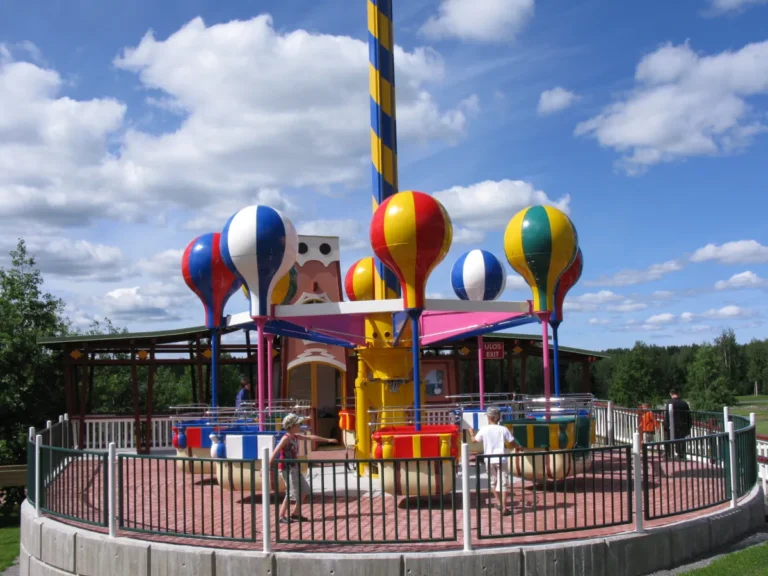
The barns are the heart of the fair for many families. Cattle, swine, sheep, goats, and poultry are groomed, shown, and judged, and the young exhibitors who handle them are often the most impressive part of the week. Beyond the barns, expect exhibit halls full of vegetables, flowers, baked goods, and crafts, plus the midway-style games and rides that give kids somewhere to spend their energy. The grounds are walkable with a stroller, but shade is limited, so hats and water bottles matter.
Planning Your Trip to Smith County for Fair Week
Smith County is rural, so a little planning pays off. Four things matter most: how you get there, where you sleep, when you arrive, and what you carry.
Getting to Smith Center and the Fairgrounds
Smith Center sits in north-central Kansas, and nearly everyone arrives by car. Fuel up before you reach town if you are coming from a distance, and allow extra time after dark, when deer and slow-moving farm equipment share the same roads.
Where to Stay in and Around Smith County
Lodging in a county of 3,570 people is limited, and fair week is the busiest stretch of the year. Smith Center has a small number of rooms, with more options in neighboring county-seat towns within driving distance. Book early, or plan to stay with friends and family — which is how a good share of fairgoers do it.
Parking and Arriving at the Right Time
Parking is usually the easy part: grass lots, volunteer traffic direction, and a short walk to the gates. Timing is the trick. Arrive before the evening program starts for a good seat and a close spot, and expect the biggest crush right at the beginning of the grandstand event.
Admission, Costs, and What to Bring in Your Wallet
Admission is typically free — that is the whole idea of a free fair. Your spending goes toward food, concessions, games, raffles, and any grandstand event with its own entry fee. Bring cash for small vendors, plus a water bottle and sunscreen.
Late-Summer Weather on the Kansas Plains
Late summer here means hot afternoons, warm evenings, and the chance of a thunderstorm rolling in from the west. Daytime heat often reaches the nineties with little shade on the grounds. Plan around mornings and evenings, drink more water than you think you need, and keep an eye on the sky.
A Sample Fair Weekend in Smith County
Friday afternoon. Arrive in Smith Center, check in, and drive past the fairgrounds to get your bearings. Walk the exhibit hall first, while it is quiet, then find dinner at the food stands.
Friday evening. Claim a seat at the grandstand for the night’s program. Afterward, wander the barns, where exhibitors are still washing and bedding animals for the next day’s shows.
Saturday morning. Come back early for livestock judging and youth events. This is the fair at its most authentic: kids in starched shirts, parents holding brushes, judges taking notes.
Saturday midday. Eat lunch on the grounds, browse the open-class exhibits, and let the kids loose on the games and rides. Hydrate.
Saturday evening. Return for the biggest grandstand night of the weekend, then stay for the informal social hour that happens in the parking lot afterward. In Smith County, that is often the best part.
Sunday. A slower morning: one last walk through the barns, a look at the results posted from the week’s judging, and a drive through the surrounding countryside before heading home.
How Smith County Compares with Nearby Kansas Fair Towns
The county fair tradition repeats across this part of Kansas, and Smith County’s version has its own character. Smith Center is one of the smaller county seats in the region, which makes the Free Fair feel more intimate and more genuinely local than fairs held in bigger towns.
Phillipsburg, to the west in Phillips County, and Osborne, to the south, are county seats with their own fair weeks and grandstand traditions. Stockton, in Rooks County, sits in the same broad neighborhood of wheat country and follows a similar late-summer calendar. Travelers who enjoy county fairs can string two or three of them into a single road trip, since each sits within easy driving distance of the others.
What sets the Smith County Free Fair apart is the combination of free admission and scale. It is not a regional festival chasing headline acts; it is a county fair that knows exactly who it is for.
A Fair-Week Checklist for Smith County Visitors
Pack for heat and dust: hats, sunscreen, refillable water bottles, and closed-toe shoes for the barns. Bring cash for concessions and small vendors, plus a lawn chair or blanket if the grandstand allows it. Check the fair schedule before you drive out, since events shift by day and by year. Book lodging early or arrange to stay with someone local. Fuel up before you arrive, and plan your return drive with deer and farm equipment in mind. Charge your phone, but expect to spend most of the evening talking to people instead.
Beyond the Fairgrounds: Smith County’s 897 Square Miles
The fair is a reason to visit, but not the only one. Smith County spreads across 897 square miles of north-central Kansas, and the drives between its small towns reward a slow pace: wheat fields, pasture, windbreaks, and the wide horizon that defines this part of the state.
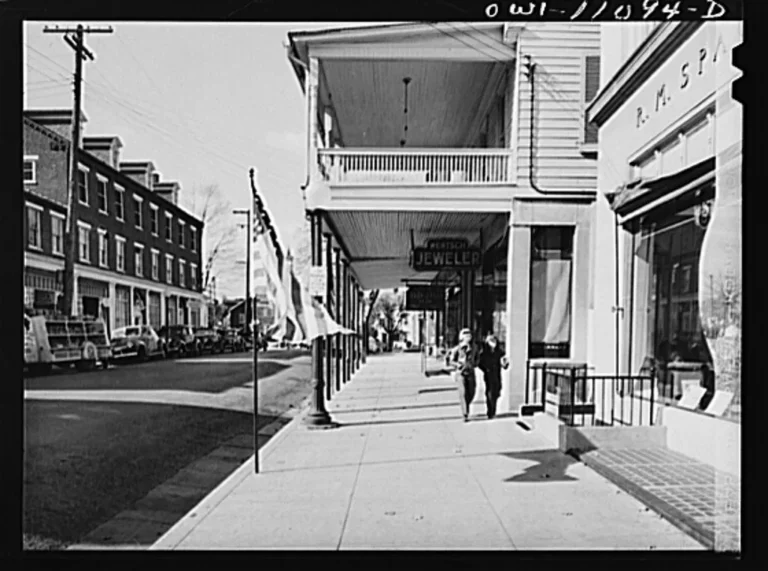
In Smith Center, the county seat, you will find the everyday institutions of a rural county — a courthouse square, local businesses, and a Main Street that still functions as a meeting place. Beyond town, the countryside offers small cafes, grain elevators, and the chance to see working agriculture up close. If you are already in the area for the fair, add half a day to wander.
Why a Free Fair Still Matters in a County of 3,570
With 3,570 people spread across 897 square miles, Smith County does not have many occasions when everyone is in the same place at the same time. The Free Fair is one of them. It is where the year’s stories get told, where grandparents watch grandchildren show an animal, and where months of work — in fields, kitchens, workshops, and barns — is displayed and judged.
Free admission is part of that. It removes the question of whether a family can afford to come and replaces it with the simpler question of whether they can find a parking spot. For a county founded in 1872 and still built on agriculture, that openness is not nostalgia; it is the mechanism that keeps a shared tradition shared.
Where the Smith County Free Fair Sits on the Kansas Map
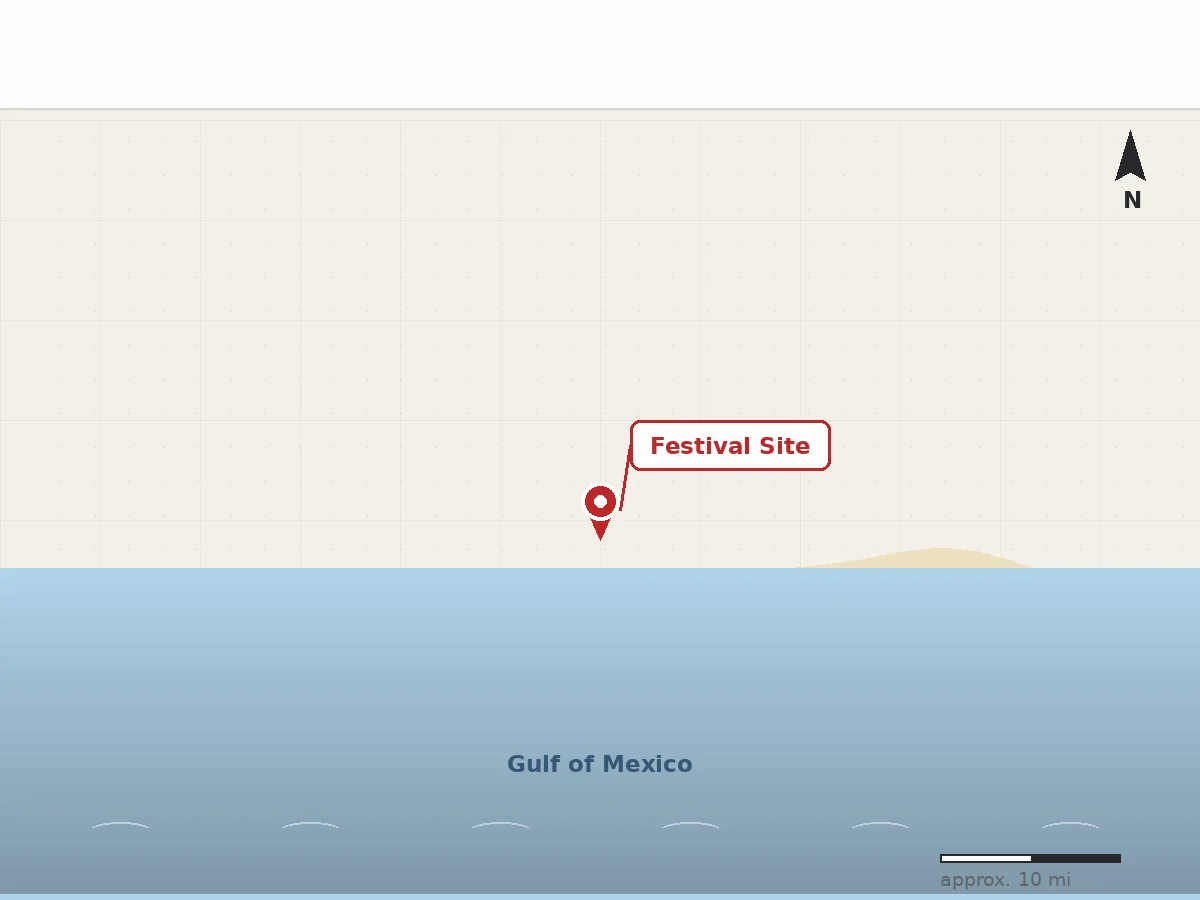
The Smith County Kansas Free Fair takes place in the Smith County area of north-central Kansas, with Smith Center — the county seat — serving as the surrounding hub for visitors.
First-Timer Questions About the Smith County Free Fair
Does the Smith County Free Fair charge admission?
Admission is typically free, which is the defining feature of a free fair. Individual activities — grandstand events, games, raffles, and food — may carry their own costs, so bring some cash along.
When does the fair usually take place?
It is a late-summer event, usually held over a stretch of days in late July or August. Because the exact timing shifts from year to year, check the current schedule before you plan travel.
Is the fair a good fit for young children and older visitors?
Yes, with a little planning. Mornings and late afternoons are easier on everyone than the heat of midday, the grounds are walkable, and the barns and exhibit halls give kids plenty to look at. Bring water, shade hats, and a stroller if you need one.
What should I know if I am driving in from outside Smith County?
Expect a rural drive, limited lodging, and a fairgrounds that fills up in the evening. Fuel up before you arrive, book a room early if you are staying overnight, and plan to spend more time than you expect — county fairs have a way of slowing people down.
The Next Fair Seasons in Smith County
County fairs survive by adapting, and the Smith County Free Fair has decades of practice. The constants are likely to remain: free admission, livestock and exhibit competitions, a grandstand program, and food stands run by local groups. What changes is everything around the edges — how schedules are published, how vendors take payment, and how far people are willing to drive for a night at the fair.
For travelers, that means the fair will keep rewarding the same approach: check the schedule, come with cash and water, and leave room in your weekend for the parts of Smith County that are not on the program.
Last updated: October 2026
A fair in a county of 3,570 people is a small thing on a map and a large thing in the lives of the people who go. If you find yourself in north-central Kansas at the end of summer, follow the traffic toward Smith Center, park in the grass, and walk in. Admission is free, the season is right, and the fair has been waiting.

One Comment