Decatur County Indiana Decatur County Fair Festival
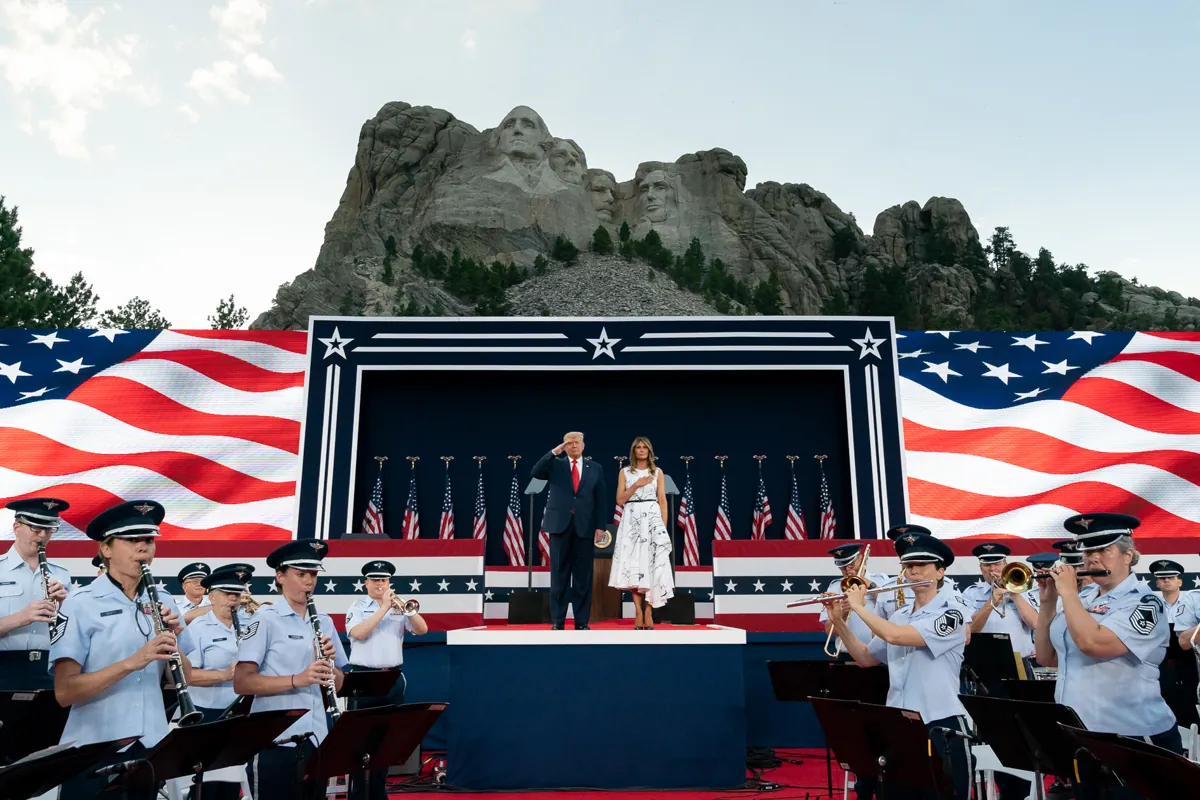
A first visit to the Decatur County Fair is less about checking off attractions than about settling into the rhythm of a rural Indiana county fair: livestock barns in the morning, carnival lights after dusk, and the smell of the fryer drifting past the grandstand. This guide is written for someone who has never set foot on the grounds — what the fair actually is, how fair week tends to run, and how to plan a day there without guessing.
Decatur County Fair Essentials in One Table
| Town / place | Decatur County area, around Greensburg and the surrounding townships |
| County | Decatur County, Indiana |
| County seat | Greensburg |
| Population | 26,472 (county-wide) |
| Region | Southeastern Indiana |
| Typical timing | Summer, in most years |
| Admission | Generally free to enter the fairgrounds; some attractions and grandstand events are ticketed |
| Setting | Rural fairgrounds surrounded by farm country |
| Features | Livestock shows, 4-H exhibits, carnival rides, grandstand entertainment, fair food |
| Organizer | Local volunteer fair board and committees |
What the Decatur County Fair Really Is
The Decatur County Fair is the county’s annual agricultural fair, held on the fairgrounds in the Decatur County area of southeastern Indiana. It follows the classic county-fair blueprint: a week built around 4-H projects and livestock shows, a midway with rides and games, a grandstand for evening entertainment, and food stands run by local churches, clubs, and vendors.
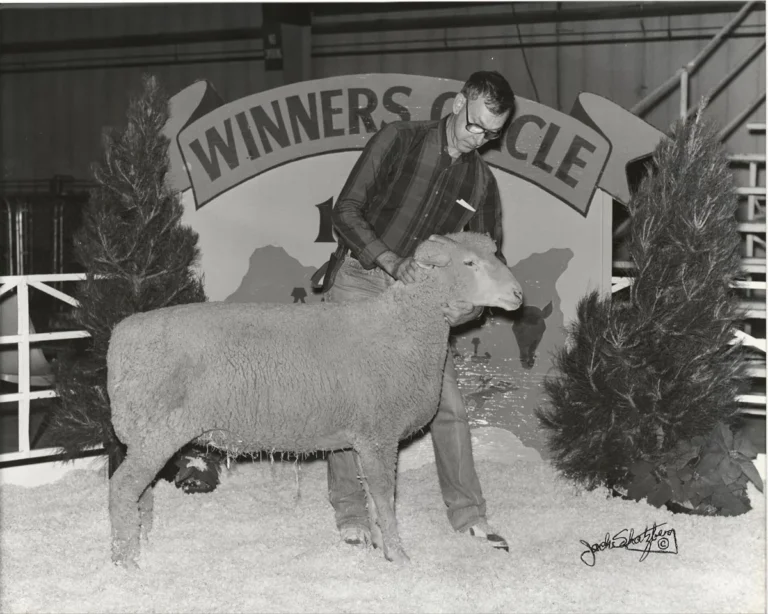
The county it serves covers 373.32 square miles and is home to 26,472 people. That number shapes everything about the fair. This is not a metropolitan festival with touring headliners on every stage; it is a countywide gathering where the same families return year after year, where a ribbon in a showmanship class carries genuine weight, and where a teenager who spent the spring halter-training a calf finally gets a moment in the ring.
For a first-timer, that means the atmosphere is relaxed and easy to read. Nothing requires a reservation. You can wander from the barns to the midway to the grandstand and back again, and the grounds are usually walkable in an afternoon.

From an 1821 County to a Modern Fair Week
Decatur County was authorized on December 12, 1821, and organized the following year, in 1822. Greensburg became the county seat, and the surrounding townships filled in with farms, small crossroads communities, and the road and rail links that carried grain and livestock to market.
For another look at how a community turns its own traditions into a gathering, see the Dearborn County Indiana Dearborn County Fair Festival for a useful comparison.
County fairs in this part of Indiana grew out of that agricultural world — exhibitions where farmers compared crops, breeders showed animals, and neighbors traded news at the end of the growing season. The Decatur County Fair descends from that tradition. Its details have changed over the decades: the grounds, the classes, the entertainment, the way results are posted. The shape of the week has stayed remarkably consistent.
Morning belongs to the barns, when animals are fed, washed, and walked. Afternoon brings judging, exhibits, and the quietest stretch of the day. Evening is when the county actually shows up: the midway lights come on, the grandstand fills, and the food lines stretch past the ticket booths.
The practical takeaway for a visitor is that the fair is not a single event you attend once. It is a week-long cycle, and what you experience depends heavily on when you arrive.
What a First-Timer Notices at the Fairgrounds
Fair food, from pork tenderloins to elephant ears
Food is the easiest part of the fair to enjoy and the easiest to overspend on. Expect the Indiana standards: breaded pork tenderloins, corn dogs, funnel cakes, hand-dipped ice cream, lemon shake-ups, and a long row of stands run by local nonprofit groups. The booth operators are often the same people you will see in the barns an hour later. Bring some cash, since not every stand is set up for cards, and pace yourself — the food is spread across the grounds rather than concentrated in one court.
Grandstand music and evening entertainment
The grandstand is the fair’s evening anchor, and its schedule shifts from year to year — typically a mix of live music, motorsport-style events, and family entertainment, with some nights ticketed separately from grounds admission. Seating is usually first-come, so arriving early pays off. Even if you skip the ticketed show, the grandstand area is where the fair feels most alive after sunset, and you can often hear the music from the midway without buying anything.
Family activities, 4-H barns, and the midway
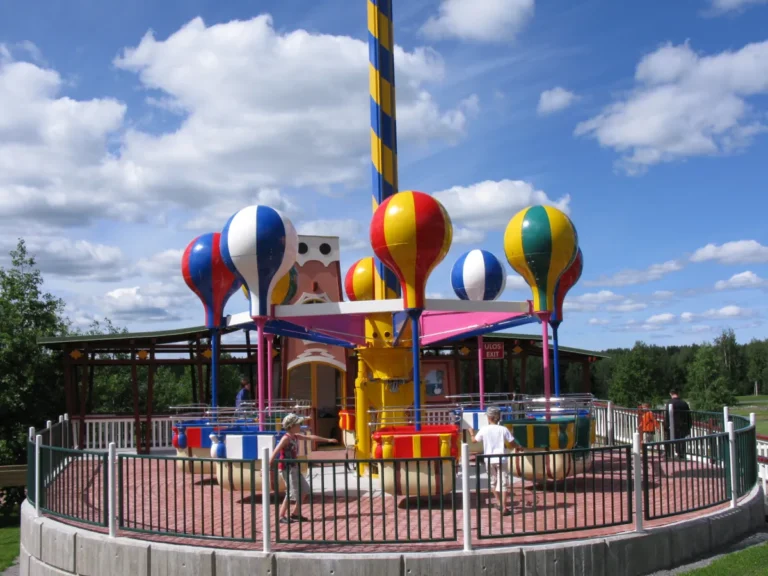
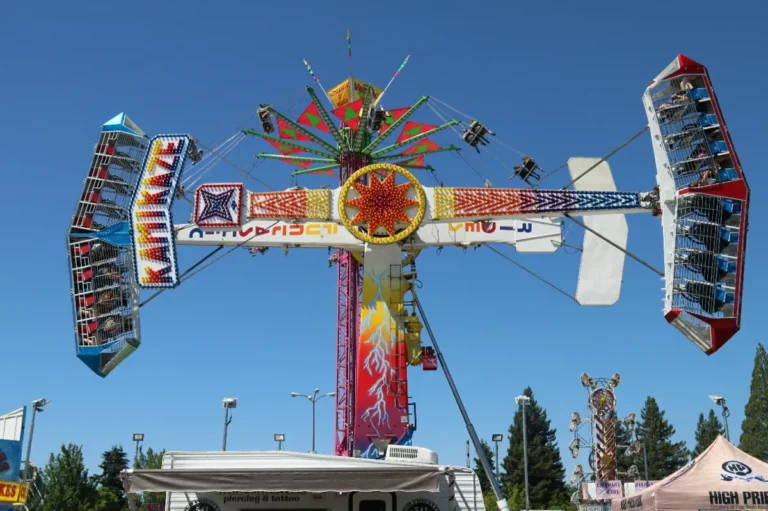
Families tend to split the day between three zones. The 4-H and livestock barns are the educational heart of the fair, and most exhibitors are happy to answer questions about their animals. The midway handles the rides, games, and sugar rush. In between, there are exhibit halls with projects, crafts, and produce, plus the small contests and demonstrations that fill the afternoon. Strollers handle the grounds fine, though the barn aisles get crowded during judging.
Planning a Decatur County Fair Visit
Fair week is forgiving. You do not need a tight plan, but a few logistics are worth sorting before you drive out.
Getting to Decatur County and the fairgrounds
Interstate 74 crosses Decatur County, with Greensburg as the natural entry point for out-of-town visitors, and U.S. 421 serving the county north to south. From Indianapolis or Cincinnati, the drive is an easy same-day trip. Once you leave the highway, expect two-lane county roads, farm equipment, and slower traffic near the grounds — build in a little extra time during the dinner hour.
Where to stay near Greensburg and the county line
Lodging in the immediate area is limited, so Greensburg is the most convenient base, with a handful of motels and inns along the I-74 corridor. Many fairgoers simply drive in from Indianapolis, Cincinnati, or nearby county seats and go home the same night. If you want a full weekend, book early — fair week is one of the busiest stretches of the summer for local rooms.
Parking around the fairgrounds
Parking is typically on or adjacent to the fairgrounds, often in grass lots staffed by volunteers, with some overflow parking nearby. Arrive before the evening rush if you want a short walk, and note where you parked — rows of vehicles in a field look identical after dark. Follow the volunteer directions rather than improvising your own spot.
Admission and what a fair day costs
Grounds admission at county fairs in Indiana is generally free or nominal, with costs concentrated in rides, games, grandstand shows, and food. Set a rough budget per person before you go, decide in advance whether the midway is a wristband night, and carry small bills. That approach keeps a family evening affordable.
Summer heat, storms, and what to wear
Southeastern Indiana summers are hot and humid, with afternoon thunderstorms that build quickly. Wear comfortable closed-toe shoes for the barns, bring a refillable water bottle, and keep a light rain jacket in the car. If lightning moves in, the exhibit buildings and barns offer cover, and outdoor events may pause until the cell passes.
A Sample Fair Weekend in the Decatur County Area
Friday afternoon. Arrive mid-afternoon, when parking is still easy. Walk the barns first, while exhibitors are prepping animals, then work through the exhibit halls before the crowds thicken.
Friday evening. Eat at the food stands, let the kids loose on the midway, and finish at the grandstand. This is the best night to get a feel for the whole fair in one loop.
Saturday morning. Come back early for livestock judging. It is the most authentic hour of the week — quiet, focused, and full of families who have been preparing for months.
Saturday afternoon. Grab lunch, catch a demonstration or contest, and take a second pass through the projects you missed. Use the middle of the day for shade and lemon shake-ups.
Saturday evening. The busiest stretch of the fair. Claim grandstand seats early, then wander the midway after the show.
Sunday. A shorter, calmer day — good for a final walk through the barns, one last tenderloin, and an early departure ahead of the evening traffic.
How the Decatur County Fair Compares With Nearby Indiana Fairs
Decatur County sits in a cluster of counties that all run their own summer fairs, and first-timers often wonder which one to choose. Greensburg, the county seat, is the anchor for this fair. Shelbyville, to the north in Shelby County, and Rushville, to the northeast in Rush County, host their own county fairs with similar structures — barns, midway, grandstand — but with different crowds and grounds. Batesville and the Ripley County area to the southeast offer another nearby option.
The differences are mostly about scale and pace rather than content. Smaller fairs feel more intimate and are easier to walk in an evening; larger ones add more vendors and bigger grandstand draws. If you are choosing one, the Decatur County Fair is the version that stays closest to its agricultural roots, and it is rarely overwhelming for a first visit.
Decatur County Fair Checklist for First-Timers
Bring cash in small bills, a refillable water bottle, sunscreen, and a light rain jacket. Wear closed-toe shoes you do not mind getting dusty. Check the fair’s schedule the morning you plan to visit, since grandstand events and judging times shift year to year. Park where a volunteer directs you and note the row. Charge your phone before you leave, because coverage in a crowded field can be spotty. Keep kids’ names and a meeting point written down. And leave room in the plan for an unscheduled hour in the barns — that is usually the part people remember.
Beyond the Fairgrounds: Decatur County Between Fair Days
If you are making a weekend of it, Decatur County rewards a slow drive. Greensburg’s courthouse square is the county’s civic centerpiece, and the town is known for the tree growing from the courthouse tower — an oddity worth a look on your way through. The surrounding countryside is classic Indiana farmland: straight roads, hedge-lined fields, and small communities that anchor their own summer events.
Between fair visits, the area works well for a quiet afternoon of back-road driving, local diners, and small-town main streets. Because the county covers 373.32 square miles with a population of 26,472, nothing is far away, and you can cross from one side to the other in a single unhurried drive.
How Fair Week Holds Decatur County Together
In a county of 26,472 people, the fair is one of the few events that genuinely gathers everyone. It is where 4-H members graduate from showing rabbits to showing hogs, where grandparents watch the same classes they entered decades ago, and where local businesses and volunteer groups do their most visible work of the year.
That continuity is the fair’s real significance. It is an economic boost for a small county and a showcase for its agriculture, but more than that it is an annual homecoming — a fixed point on the calendar that families plan vacations and reunions around. For a first-timer, understanding that explains why the fair feels less like an attraction and more like a community event you have been invited into.
Orienting Yourself on the Decatur County Map
The Decatur County Fair takes place on the fairgrounds within the Decatur County area of southeastern Indiana, a short drive from Greensburg, the county seat.
What First-Timers Ask About the Decatur County Fair
Do you need to buy tickets in advance?
Generally no. Grounds admission at county fairs in this region is typically free or inexpensive, and you can walk in without a reservation. Some grandstand shows, rides, and special events are ticketed separately, so check the current schedule if a particular evening matters to you.
Is the fair a good fit for young children?
Yes. It is a family-oriented county fair with livestock barns, exhibit halls, and a midway, all within a walkable footprint. The main cautions are heat, crowds near the rides after dark, and barn aisles during judging. Mornings and early afternoons are the easiest window with small kids.
How much time should a first visit take?
A single evening covers the essentials: barns, exhibits, food, midway, and grandstand. If you want to watch judging and see the 4-H projects properly, plan on most of a day. A full weekend lets you experience both the quiet morning hours and the busy Saturday night.
What happens if it rains during fair week?
Summer storms in southern Indiana are usually brief. Exhibit buildings and barns provide cover, and outdoor events typically pause rather than cancel outright. Grass parking areas can get soft after heavy rain, so consider arriving earlier on wet days and wearing shoes you do not mind muddying.
What Future Decatur County Fair Seasons Look Like
The fair’s future depends on the same thing that has sustained it for generations: volunteers. Fair boards in counties this size run on a small core of organizers, exhibitors, and families who return each year, and keeping younger residents involved in 4-H and open-class competition is the ongoing challenge.
Expect the format to stay familiar — livestock, exhibits, midway, grandstand — while details like entertainment lineups and online scheduling continue to evolve. For a first-timer, that stability is good news: what you plan around this summer will still be there next summer.
Last updated: October 2026
If you go in with modest expectations and an open evening, the Decatur County Fair tends to exceed them. Walk the barns before the lights come on, eat something fried, find a seat at the grandstand, and let the week’s rhythm carry you — that is how this fair has always worked, and it is still the best way to see it for the first time.


One Comment