Wicomico County Maryland Wicomico County Fair Festival

I have lost count of the times I have walked through the gates of the Wicomico County Fair, but I remember the first visit clearly: wrong parking field, missed livestock barn, six straight hours of fried food. The fair has not changed much since, and that is the point. It remains a late-summer gathering of the Wicomico County area, built around barns, exhibit halls, and an evening that ends with dust on your shoes and an empty funnel cake plate.
This is not a first-timer’s guide. It is the version I would hand to a friend going back for a second or third year — someone who knows the basics and wants to do the day better: arrive early for the animals, eat before the rush, and wander past the midway to the parts of the grounds most visitors never reach.
Wicomico County Fair Basics: A Returning Visitor’s Cheat Sheet
These are the details I re-check every year before I commit a weekend. Everything below holds true in most years, though specific attractions rotate.
| Town / area | The Wicomico County area, centered on Salisbury |
| County | Wicomico County, Maryland |
| County seat | Salisbury |
| Population | 103,588 (2020 census) |
| Region | Eastern Shore of Maryland, Delmarva Peninsula |
| Typical timing | A weekend in late summer |
| Admission | Typically free to enter; food, rides, and some activities cost extra |
| Setting | Open fairgrounds with exhibit barns and outdoor space |
| Signature features | Livestock shows, home and garden exhibits, fair food, live entertainment, family activities |
| Organizer | Local volunteers and the county’s agricultural community |
What the Wicomico County Fair Actually Is
The Wicomico County Fair is a county fair in the traditional sense: an agricultural showcase wrapped inside a community reunion. Livestock shows, home and garden exhibits, youth projects, fair food, live entertainment, and family activities fill a weekend in late summer on fairgrounds in the Wicomico County area.
What separates it from a traveling carnival is the balance. The rides and food stands draw the crowds, but the barn side is the heart — animals, judged entries, and families who have been competing in the same categories for generations. Salisbury, the county seat and home to 103,588 residents at the 2020 census, anchors the county; the fair belongs to all of it.

From an 1867 County to a Fair That Still Feels Local
Wicomico County was founded in 1867, and its fair tradition grew from the same agricultural economy that shaped the county from the beginning. Salisbury became the county seat and the commercial hub of the lower Eastern Shore, while the surrounding farmland — about 400 square miles of it — produced the crops, poultry, and livestock that a county fair exists to celebrate.
For generations, the fair has been the annual moment when that work gets shown. Exhibitors bring vegetables, canned goods, quilts, and animals; judges pin ribbons; neighbors compare notes on last year’s entries. The format is old, and the continuity is the point: the fair adds and updates, but keeps the judging, the barns, and the community competition at its center.
A Day Inside the Wicomico County Fair
Expect a walkable, unhurried fairground with distinct zones — barns, exhibit halls, food rows, and an entertainment area — rather than one long midway. Here is how I split the day.
Fair Food, From the Obvious to the Underrated
The food row is where most people start, and it is worth doing properly. Expect the classics — fries, funnel cake, barbecue, ice cream — plus church and civic stands that often serve the better, cheaper meals. My rule: eat a real lunch early, before the lines form, then graze through the evening. Bring cash for smaller stands, and keep a napkin supply.
Stages, Bands, and the Evening Crowd
Live entertainment runs through the day, with local and regional acts and larger sets in the evening when the grounds fill up. Seating is limited and informal, so many regulars bring folding chairs or spread a blanket near the stage. Evenings are loudest and busiest; if you want a calmer fair, the late afternoon is the sweet spot.
Kids, Livestock Barns, and the Slow Side of the Fair
Family activities are the fair’s engine — rides, games, and hands-on exhibits aimed at younger kids, plus the livestock barns where children often get their closest look at animals. The barns are also the calmest part of the grounds. Go early, when exhibitors are still working and happy to answer questions, and let kids set the pace.
Planning a Wicomico County Fair Weekend Around Salisbury
Salisbury is the practical base for the fair: the county seat, the biggest town in the area, and the easiest place to find a room, a meal, and a fuel stop.
Getting There From Salisbury and the Eastern Shore
The fair sits within the Wicomico County area, so most visitors arrive by car from Salisbury and the surrounding towns, using the county’s main roads. Traffic builds in the hour before evening events; arriving mid-afternoon avoids the worst of it. If you are coming from elsewhere on the Eastern Shore, plan the drive around the evening rush rather than through it.
Where to Stay Near Wicomico County
Salisbury has the widest choice of hotels and motels in the county, with smaller options in nearby towns. Book early if your visit lines up with a busy summer weekend on the Shore, when beach-bound traffic fills rooms across the region. Campers often prefer the county’s campgrounds and state park sites over a hotel commute.
Parking at the Fairgrounds
Fairground parking is typically in open fields, which means it is simple but dusty in dry weather and soft after rain. Note a landmark near your car — a tent, a barn, a light pole — because rows look identical after dark. Arrive early for the closest spaces, and wear shoes you do not mind getting dirty.
What Admission and a Full Day Cost
Admission to the fair is typically free, which makes it easy to stop in for an hour and come back later. Budget instead for food, rides, games, and any ticketed entertainment. Bringing cash covers the small vendors and stands that do not take cards, and setting a per-child spending limit before you walk in saves a lot of negotiating.
Late-Summer Weather and What to Bring
The fair falls in late summer, so heat and humidity are the default, with thunderstorms possible in the afternoon. Bring water, sunscreen, and a hat; keep a light rain jacket in the car. Evenings cool off enough that a layer is useful if you plan to stay for the music.
A Sample Wicomico County Fair Weekend, Tested Twice
This is the shape of a weekend that has worked for me — one full day and one short return visit, which is how the fair rewards people who come back.
Saturday: arrive mid-morning and head straight to the livestock barns and exhibit halls while they are quiet. Eat lunch from a civic stand, then walk the food row and midway in the early afternoon before lines build. Take a break at your car or hotel during the hottest hour, return for the evening entertainment, and stay for the lights.
Sunday: come late afternoon for a shorter visit. Revisit whichever exhibit you rushed, catch a second look at the animals, and eat whatever you regretted skipping. Sunday crowds are usually thinner, which makes it the better day for photographs and for talking with exhibitors.
How the Wicomico County Fair Compares to Nearby Towns
Salisbury is the region’s commercial center, so the fair has a countywide, agricultural feel that the beach towns do not. Ocean City, east on the Atlantic, offers boardwalk entertainment and resort energy but nothing like a livestock barn; Pocomoke City, south in Worcester County, is a smaller river town with a quieter calendar. Within Wicomico County, the fair is the big late-summer gathering; the rest of the year, Salisbury’s downtown and riverfront carry the local event scene.
The Returning-Visitor Checklist for Wicomico County
Cash in small bills, a refillable water bottle, sunscreen, and comfortable shoes for grass and gravel. A folding chair for evening entertainment. A printed or downloaded schedule so you know when the livestock shows and stage acts start. A cooler in the car for anything you buy from vendors. A meeting point agreed with your group before you split up, because phone service gets unreliable in a crowd. And a jacket for after dark.
Beyond the Fairgrounds: Wicomico County Between Fair Hours
Make a weekend of it. Salisbury has a compact downtown with restaurants and a riverfront park, and the county’s back roads lead to farm stands, small towns, and quiet water. Birders and paddlers use the rivers and creeks that thread the county; cyclists and walkers use the flatter rural routes. All of it is within easy reach of the fairgrounds.
If you are traveling with people who do not care about the fair, this is the answer: drop them at the gate, spend the morning on the water or in town, and meet back for the evening. The county is small enough — 400 square miles — that nothing is far.
What the Fair Still Means to Wicomico County
County fairs survive because they do something a festival cannot: they keep a year’s work on display. In Wicomico County, that means ribbons on vegetables and quilts, kids showing animals they raised, and neighbors comparing notes in the same barns their parents used. The fair is where the county’s agricultural identity stays visible instead of becoming a footnote.
It is also one of the few events that pulls the whole county together at once. Salisbury may be the seat and the largest population center, but the fair belongs to the farms and small towns around it, and the crowd reflects that mix. That is why returning visitors notice the same faces year after year.
Where to Point Your Car in Wicomico County
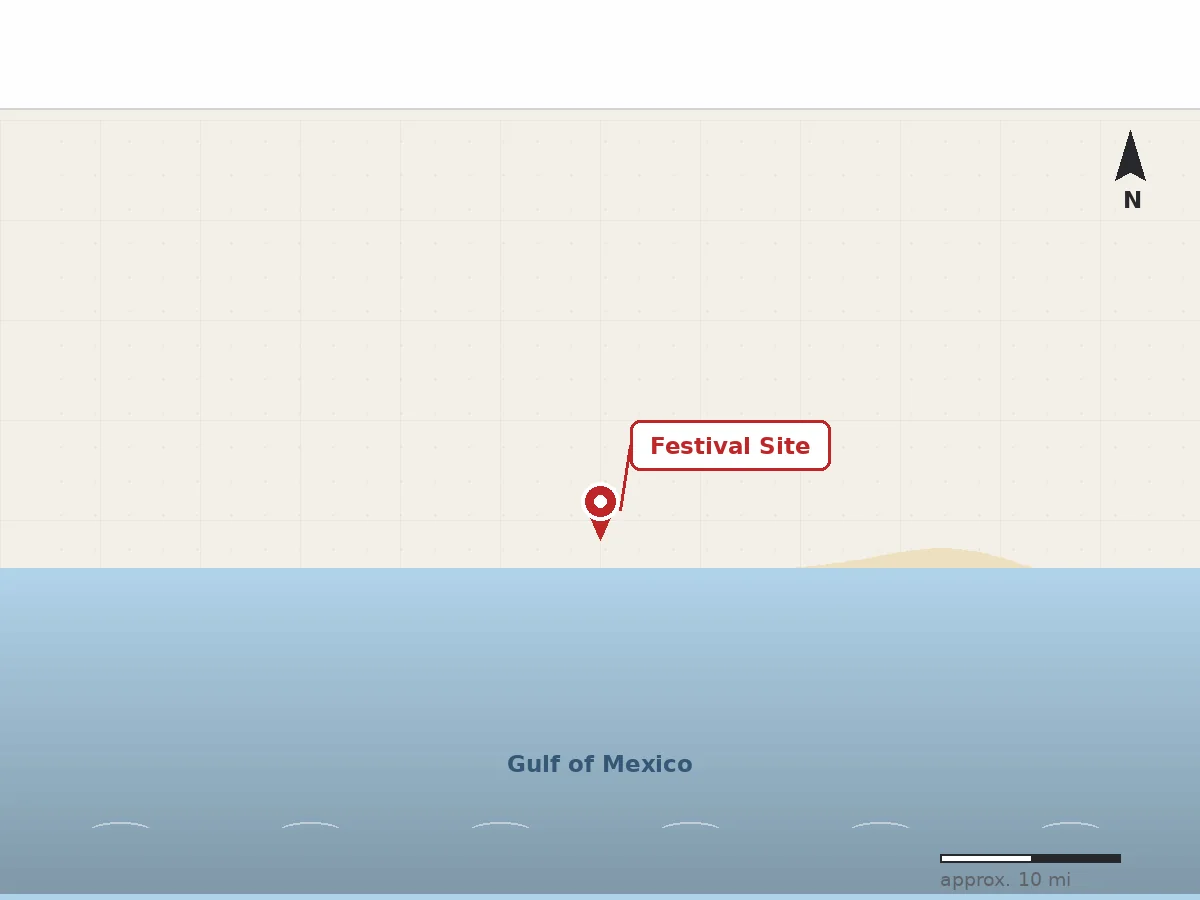
The Wicomico County Fair takes place on fairgrounds in the Wicomico County area, with Salisbury — the county seat — as the most useful reference point for out-of-town visitors.
Wicomico County Fair Questions I Get Asked Every Year
Is the Wicomico County Fair free to attend?
Admission is typically free, so you can come and go without worrying about a gate fee. Plan to spend on food, rides, games, and any ticketed entertainment. Bringing cash helps with smaller vendors, and setting a budget before you arrive keeps the day comfortable for families.
When should I arrive to avoid the biggest crowds?
Late afternoon and evening are the busiest hours, especially when the stage acts start. Mid-morning is quietest, particularly in the livestock barns and exhibit halls. If you want the atmosphere of a full fairground without the crush, aim for the hour or two before dinner.
Is the fair good for young children?
Yes, and many families treat it as an annual tradition. Rides, games, and hands-on activities are aimed at younger kids, and the livestock barns tend to be the highlight. Bring a stroller if you have toddlers, though grass and gravel make a sturdy one easier to push than a lightweight model.
What happens if it rains during the fair?
Fairs generally run in light rain, and some events move under cover or shift timing. Heavy storms can pause activities or close the grounds temporarily. Check local listings and the fair’s own updates before you drive out, and keep a rain jacket in the car either way.
The Next Chapter for the Wicomico County Fair
County fairs across the Eastern Shore are working to stay relevant without losing what makes them worth attending: the animals, the exhibits, the food, and the people who return every year. For Wicomico County, the challenge is familiar — keep the agricultural core intact, bring in younger families, and maintain grounds and programs that a volunteer-run event depends on. The fair has done this for generations, and the formula has not needed reinventing.
Last updated: October 2026
Go once and you will see a fair. Go twice and you start noticing what the returning crowd notices — the same exhibitors, the same stands, the same rhythm to the evening. That is the Wicomico County Fair at its best: not a spectacle, but a habit worth keeping.