Marion County Indiana Marion County Fair Festival
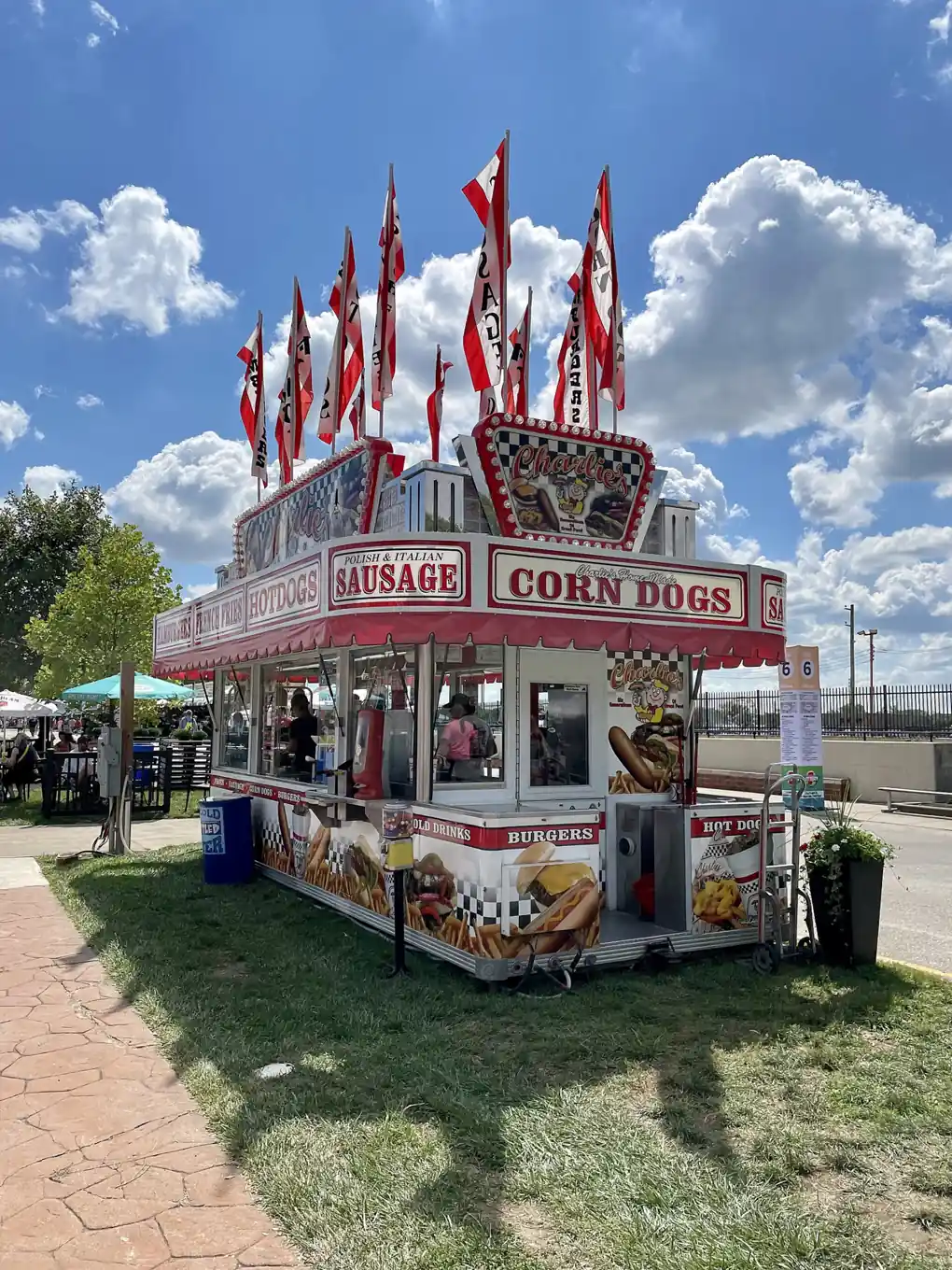
In a county that stretches from downtown Indianapolis to the last subdivisions on its edges, the Marion County Fair is one of the few summer events that gathers the whole place into a single field. It is a classic Indiana county fair — livestock barns, a midway, grandstand nights — but for anyone who plans an outing around eating, it works just as well as a food festival with animals attached.
Come for the pork. Stay for the pie. Fair food is not subtle, and that is the point: it is cooking you eat standing up, with a paper napkin you will lose in under four minutes. The Marion County Fair leans into that pleasure every summer, and the eating is what most visitors remember long after the rides have been packed away.
Marion County Fair Essentials, Told in One Table
| Town / place | The Marion County area, central Indiana |
| County | Marion County, Indiana |
| County seat | Indianapolis |
| Population | One of Indiana’s most populous counties, anchored by Indianapolis |
| Region | Central Indiana, Indianapolis metro |
| Typical timing | Early summer, generally a run of days in late June |
| Admission | Typically free to enter the grounds; food, rides, and games are pay-as-you-go |
| Setting | A county fairground with barns, a midway, a grandstand, and open-air food rows |
| Signature features | 4-H livestock shows, carnival rides, grandstand entertainment, and a dense line of food vendors |
| Organizer | A volunteer fair board and county fair association |
The Marion County Fair, Explained for First-Timers
At its core, the Marion County Fair is an agricultural showcase with a carnival wrapped around it. 4-H members from across the county bring livestock, baked goods, canned preserves, garden vegetables, and handmade crafts to be judged, and those exhibit halls are where the fair’s food story actually begins. The pies entered in competition, the sweet corn, the pork — all of it comes from the same county that fills the fairgrounds each summer.
Marion County’s 403.01 square miles hold a mix of dense urban neighborhoods and working farmland, and the fair is one of the few places where those two sides of the county share a table. Families come for the rides and the fair rhythm they remember from childhood; city residents come for the tenderloins, the funnel cakes, and the odd pleasure of standing beside a show steer without leaving the Indianapolis metro.
How a County Founded in 1822 Built a Fair Tradition
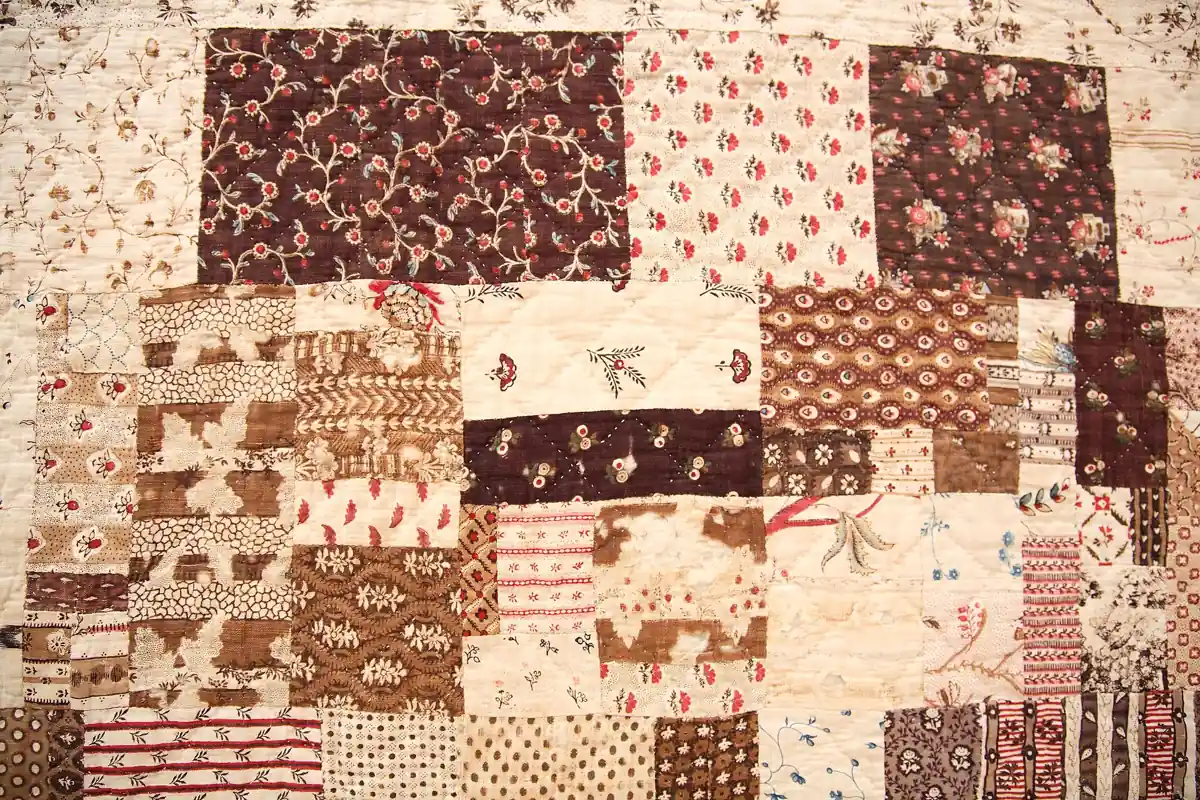
Marion County was founded on April 1, 1822, and its fair tradition grew from the same soil as every other county fair in Indiana. In the nineteenth century, agricultural societies organized exhibitions so farmers could compare seed, stock, and equipment. Those gatherings gradually added competitions, entertainment, and concessions until they became the summer institution Hoosiers recognize today.
For another look at how a community turns its own traditions into a gathering, see the Marion County Indiana 500 Festival for a useful comparison.
Over the decades, the Marion County Fair has followed that arc — from a purely agricultural meeting to a multi-day event with a midway, a grandstand schedule, and a food row that holds its own against anything in central Indiana. The county’s growth changed the audience. Indianapolis kept expanding, farmland kept shrinking, and still the core of the fair never moved: ribbons get handed out, kids wash animals before dawn, and vendors sell out of pork tenderloins before the second evening is over.
That continuity is the point. A county fair is one of the last places where a metro area of this size still measures itself by who raised the best hog and who baked the best pie.
What to Eat, Hear, and Do on the Fairgrounds
A fair day here has three reliable centers of gravity: the food row, the grandstand, and the barns. Plan around those and everything else on the grounds fills in the gaps.
Fair Food: Tenderloins, Sweet Corn, and Sugar on a Stick
The eating is why a lot of people come, and the lineup is unapologetically Midwestern. Breaded pork tenderloins pounded wider than the bun, grilled sweet corn, corn dogs, elephant ears, funnel cakes, lemon shake-ups, hand-dipped ice cream, and whatever deep-fried experiment a vendor has decided to attempt this year. Portions are large, lines move quickly outside peak hours, and both cash and cards are widely accepted. For the calmest version of the food row, eat in the mid-afternoon; the stretch between the dinner hour and the evening grandstand show is when the crowds collect.
Grandstand Nights and Local Music
Evenings belong to the grandstand and to the smaller stages scattered around the grounds. Programming typically mixes local and regional bands, country and rock nights, and motorsport-style events that draw a full set of bleachers. Because the schedule shifts from year to year, the smart move is to check what is playing before you commit to a dinner time. Seating is generally first-come, and the best seat is often the one you claim while you are still finishing a corn dog.
Family Activities: Barns, Rides, and Ribbons
The family side of the fair is built on animals and rides. Kids can walk the barns to see cattle, swine, sheep, goats, and poultry, watch showmanship competitions, and wander the 4-H exhibit halls where projects hang with ribbons attached. Carnival rides and games fill the midway, and smaller attractions aimed at younger children usually appear alongside them. Strollers handle the grounds fine, though the midway gets tight after dark and the barn aisles get slick after a rain.
Getting to the Fair, Staying Over, and Paying for It
Getting There from Indianapolis and Beyond
The fairgrounds sit inside the Indianapolis metro, so most visitors arrive by car using the interstate ring and the city street grid. Rideshare drop-off works well for anyone planning to sample a few too many lemon shake-ups, and it saves you the end-of-night walk back to a distant lot.
Where to Stay Near the Fairgrounds
Because the fair takes place within Marion County, lodging is really an Indianapolis question, and the metro answers it thoroughly. Hotels cluster downtown, around the airport, and along the north-side corridors. If your visit lands on a weekend with other city events, book early — summer weekends in Indianapolis fill faster than people expect.
Parking Without the Headache
On-site fairground parking is the simplest option and fills fastest in the early evening. Arrive before the dinner hour, or wait until the first grandstand show lets out, if you want an easy spot. Carpooling with neighbors is a genuinely good idea on busy nights.
Admission, Costs, and What Your Money Buys
Admission to the fairgrounds is typically free, which makes the fair a low-commitment outing for families who want to wander without buying a ticket. Your spending happens inside: food, ride tickets or wristbands, midway games, and grandstand concessions. Set a rough per-person budget before you walk through the gate, because the food row is designed to be walked twice.
Central Indiana Weather and How to Handle It
Late June in central Indiana means heat, humidity, and afternoon storms that build quickly and clear just as fast. Drink water between the fried things, wear a hat, and keep an eye on the sky. Outdoor activities generally pause when lightning is close and resume once the weather moves through, so a short delay rarely ruins an evening.
A Fair Weekend Built Around Meals
Start Friday afternoon with a walk through the barns while the grounds are still quiet, then make your first food stop a savory one — a tenderloin or a corn dog — before the dinner rush arrives. Spend the early evening in the exhibit halls, where the baked goods and preserved foods are on display, and finish the night at the grandstand with something sweet in hand.
Saturday morning belongs to the 4-H shows. Watch a showmanship class, then eat lunch from a vendor you skipped the day before. The afternoon is for the midway and the games, ideally before the sun is at its worst. Come back after a rest for the evening concert or motorsport event, and treat the last hour as a second dinner: sweet corn, ice cream, and whatever you regret not trying earlier.
Sunday is short and unhurried. Arrive near opening, walk the barns one last time, buy a pie or a jar of preserves from an exhibitor table if the fair allows it, and leave before the afternoon crowd builds. Three days is enough to eat your way across the grounds without repeating a single meal.
How the Marion County Fair Compares Nearby
The most obvious comparison is the Indiana State Fair, also held in Indianapolis but later in the summer. The state fair is bigger in every dimension — more vendors, more buildings, more walking — and it draws from the whole state. The Marion County Fair is smaller, closer to its neighborhoods, and easier to finish in an evening.
Head west toward Danville and you find the Hendricks County fairground scene, where the surrounding landscape is more rural and the agricultural side of the fair reads louder. Head north toward Noblesville and Hamilton County’s fair feels more suburban, with a crowd that skews toward families from newer neighborhoods. Marion County’s version sits between the two: urban enough to feel like a city event, rural enough that the barns still matter most.
Your Marion County Fair Day-Of Checklist
Pack a refillable water bottle, sunscreen, and a hat. Bring cash for smaller vendors and tip jars, even if most stands take cards. Wear shoes you can stand in for four hours, because the grounds are larger than they look from the gate. Charge your phone before you leave the car, agree on a meeting point with your group in case the midway swallows someone, and check the grandstand schedule before you park so you are not deciding at the last minute. If you have kids, bring a change of clothes for the barns and a stroller you do not mind getting dusty.
Beyond the Fairgrounds in Marion County
The fair is a few days of the year; Marion County is the rest of it. Downtown Indianapolis gives you Mass Avenue and Fountain Square for restaurants that take fair food in a more refined direction, while Broad Ripple handles the casual, late-night end of the spectrum. Eagle Creek Park and White River State Park offer the kind of green space that makes a hot afternoon bearable, and the town of Speedway adds a motorsport history that pairs oddly well with a grandstand night.
If you are extending a fair visit into a weekend, plan one meal away from the grounds — a proper sit-down dinner after two days of eating standing up is its own kind of luxury.
What the Fair Holds for Marion County
In a county this urban, the fair does quiet work. It keeps 4-H alive in a place where most kids do not grow up on farms. It gives small vendors a week of dependable business. It hands volunteers something concrete to build together, year after year, in a metro area where neighbors can otherwise go a long time without meeting. And it preserves a simple ritual: a county that has existed since April 1, 1822, still stops to judge its pies and admire its livestock.
Where the Fairgrounds Sit in Marion County
The Marion County Fair takes place at the county fairgrounds within the Indianapolis area of Marion County, Indiana.
Marion County Fair Questions, Answered
Is the Marion County Fair free to attend?
Admission to the fairgrounds is typically free, so you can walk in and wander the barns, exhibit halls, and midway without buying a ticket. Costs come from what you do inside: food, ride wristbands or tickets, games, and concessions. That structure makes it easy to visit for an hour without spending much, or to spend a full evening grazing the food row.
What food is the Marion County Fair known for?
Indiana fair classics dominate: breaded pork tenderloins, sweet corn, corn dogs, elephant ears, funnel cakes, lemon shake-ups, and ice cream. Because the fair sits in a major metro area, vendors also tend to experiment, which means you will usually find a few novelty fried items alongside the traditional stands. Come hungry and plan to eat in stages.
When is the Marion County Fair held?
The fair is an early-summer event, generally running for a stretch of days in late June. Exact dates shift from year to year, so check the current schedule before you plan a trip. Late June also means central Indiana heat and the chance of an afternoon storm, so build some flexibility into your day.
Is the fair a good outing for young kids?
Yes. The barns and 4-H exhibit halls are the quiet, hands-on part of the fair, and the midway covers the louder end with rides and games. Free grounds admission keeps a short visit practical when a toddler has had enough. Bring a stroller, expect some dust, and aim for a morning or mid-afternoon window rather than the crowded evening hours.
What’s Ahead for the Marion County Fair
The fair’s future looks a lot like its past, only with a broader audience. As Marion County continues to blend urban neighborhoods with the remaining agricultural land around them, the fair becomes a rarer and more valuable thing: a shared calendar date for people who otherwise live very different lives in the same county. Expect the food row to keep growing, the 4-H side to stay central, and the volunteer board to keep doing the unglamorous work that makes a week in late June happen.
Last updated: October 2026
If you go, go hungry and go early. The Marion County Fair rewards the visitor who walks the barns first, eats slowly, and stays for one more song at the grandstand — because the whole point of a county fair is that it gives a large, busy place a few days of standing still together.

One Comment