Washington County Indiana Farmers and Merchants Fair Festival
Every summer, Washington County, Indiana turns its attention back to the things it has cared about since 1814: the land, the animals, and the people who work both. The Farmers and Merchants Fair is that attention made visible — a fairground week of livestock pens, exhibit halls, food trailers, and neighbors catching up in whatever shade they can find.
This is not a festival designed around out-of-town visitors. It is designed around the county’s 28,182 residents and the small towns around them, and that is precisely why it is worth a drive. What follows is a plain-spoken guide to what the fair is, when it happens, and how to plan a visit without overthinking it.
Washington County Basics: The Fair in Ten Lines
| Festival | Farmers and Merchants Fair |
| Town / region | The Washington County area, southern Indiana |
| County | Washington County, Indiana |
| County seat | Salem |
| County population | 28,182 |
| County land area | 516.60 square miles |
| County founded | 1814 |
| Typical timing | Summer, during Indiana’s county fair season |
| Admission | Typically free |
| Setting and features | Rural fairgrounds with barns, exhibit halls, food stands, and family entertainment; organized by a local fair board and community volunteers |
Meet the Farmers and Merchants Fair
The Farmers and Merchants Fair is a county fair in the classic Indiana sense, honoring both halves of its name: the farm families who work Washington County’s 516.60 square miles, and the merchants in Salem and the smaller towns who supply them with seed, feed, parts, and groceries. In a county this size, those two groups have always needed each other, and the fair has long been where that relationship gets a week of its own.
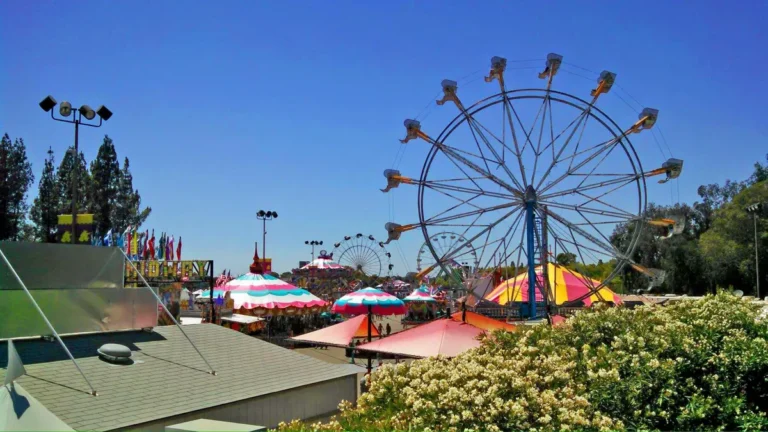
The week follows the familiar county-fair rhythm. Barns and exhibit halls open early, judging fills the middle of the day, food stands and rides pick up in the afternoon, and evenings bring entertainment and the largest crowds. Entry is typically free, which keeps the fair within reach of families who want to stop by for an hour or stay until the lights come on.
A Washington County History: Farms, Merchants, and a Fair Since 1814
Washington County was founded in 1814, organized while Indiana was still moving toward statehood. Salem became the county seat, and the land around it — gently rolling, wooded in patches, suited to row crops and pasture — filled in with farmsteads over the following decades.
For another look at how a community turns its own traditions into a gathering, see the Warrick County Indiana 4-H Fair Festival for a useful comparison.
The fair’s name is a piece of local history in itself. Across the Midwest in the 1800s, farmers’ and merchants’ associations staged exhibitions to compare livestock, test equipment, and show off produce and household goods. “Farmers and merchants” named the partnership at the center of a rural county’s economy: one side grew it, the other sold it, and both gathered in the same field each year to compare notes.
That continuity has survived a great deal. Washington County’s farm economy shifted from small mixed farms to larger operations, schools consolidated, and storefronts changed hands. Through it all the fair kept its place on the calendar. Families exhibiting today often have grandparents who showed on these grounds, and the barns remain where a younger generation learns to handle an animal — and to take a ribbon with grace.
What a Fair Week in Washington County Actually Feels Like
If you have never been to a southern Indiana county fair, the pace is worth understanding before you go. Mornings belong to exhibitors and judges, afternoons to browsing and eating, and evenings to the social peak of the week.
Food: Funnel Cakes, Tenderloins, and Church-Stand Cooking
Fair food follows the Indiana playbook: pork tenderloin sandwiches, corn dogs, funnel cakes, lemon shake-ups, and homemade pies from community groups. Many stands are run by local churches, clubs, and nonprofits, so the money tends to stay in the county. Eat in the late afternoon, when the midday crush eases.
Music, Grandstand Gatherings, and Evening Entertainment
Entertainment tends to be local and unpretentious — country and bluegrass bands, gospel groups, youth talent showcases, and whatever the fair board has lined up for the grandstand. Evenings draw the biggest crowds. Come early to claim a spot near the stage or the bleachers and you will hear everything without standing in the crush.
Family Activities and Things for Kids to Do
This is a fair built around families. Kids can watch livestock shows, walk the barns (ask before petting), browse youth exhibits, and ride the midway. Older visitors often loop the exhibit halls and commercial tents before settling in for the evening program. The grounds are mostly flat, though dust or mud depends on the week’s weather.
Planning Your Trip to the Washington County Area
Washington County is a rural county, and a little planning makes fair week much easier. Here is what matters most.
Getting There from Louisville, Indianapolis, and Points Between
Washington County sits in southern Indiana, within a comfortable drive of the Louisville area and a longer haul from Indianapolis. Most visitors arrive by car, and the last stretch is two-lane county road — scenic, not fast. Fuel up before you get close and download your directions in advance, since coverage can be spotty on rural stretches.
Where to Stay Near Salem and the Fairgrounds
Lodging inside the county is limited, and fair week fills it quickly. Expect small independent motels and a handful of inns and short-term rentals in and around Salem, with more choices in nearby towns and the Louisville metro. Book well ahead for a weekend visit. Locals already know the best plan: sleep at home and drive in each evening.
Parking Around the Fairgrounds
Fairground parking is typically on grass and directed by volunteers. Arrive before the evening rush if you want a short walk, and be patient on the way out — a single exit lane onto a county road is part of the experience. Carpooling is practical and traditional.
Admission, Costs, and What to Bring
Admission is typically free, which makes the fair an easy outing for families. Budget for food, rides, games, and any grandstand events, and bring cash, since not every stand takes cards. A folding chair, sunscreen, bug spray, and a refillable water bottle will improve your evening considerably.
Southern Indiana Weather During Fair Season
Summer in southern Indiana is hot and humid, with afternoon heat that builds fast and the occasional quick thunderstorm. Plan around the middle of the day and drink more water than you think you need; evenings cool off nicely. If storms move in, follow staff directions and stay clear of tents and the midway.
A Sample Fair Weekend in Washington County
Friday afternoon: Arrive mid-afternoon, park, and walk the barns while crowds are light. Eat an early dinner from a food stand, then catch the evening entertainment and the sunset over the grounds.
Saturday morning: Return early for livestock judging and the exhibit halls — the fair at its most local and least crowded. Browse the commercial tents and eat lunch before the afternoon rush.
Saturday evening: The busiest stretch of the week. Claim seats early, watch the grandstand program, let the kids work through the rides, and catch up with people you have not seen since last year.
Sunday: A slower, family-heavy day. Revisit favorite stands, take a final look at the exhibits, and head out before closing-night traffic. Stop in Salem on the way home for a cold drink and a walk through downtown.
How the Fair Sits Beside Corydon, Paoli, and Mitchell
Corydon, in neighboring Harrison County, leans into its history as Indiana’s first state capital, with a restored square and a summer calendar built around heritage. Paoli, the Orange County seat to the west, is a courthouse-square town where the fair and the school calendar still organize the year.
Mitchell, in Lawrence County to the northwest, is known for its fall persimmon celebration and a limestone heritage that shapes its identity. Beside those, the Farmers and Merchants Fair is broader and more agricultural — less a themed event than a working county’s annual inventory of itself. All are within an easy day’s drive of one another.
Fair-Week Checklist for Washington County Visitors
| Bring | Why it matters |
| Cash in small bills | Food stands, games, and parking |
| Folding chairs or a blanket | Seating for evening entertainment |
| Sunscreen and a hat | Little shade on open ground |
| Bug spray | Barns and grass after dark |
| Refillable water bottle | Heat and humidity |
| Comfortable closed shoes | Gravel, grass, and livestock areas |
| A light rain jacket | Fast-moving summer storms |
| A meeting point for your group | Crowds on weekend evenings |
Beyond the Fairgrounds: Washington County the Rest of the Year
The county does not fold up when the fair ends. Washington County’s 516.60 square miles are mostly farmland and woods, laced with county roads that make good fall drives when the leaves turn. Salem, the county seat, keeps the courthouse-square rhythm of a small Indiana town — local restaurants, small shops, and a pace that rewards slowing down.
Church dinners, high school sports, farm markets, and small community gatherings fill the rest of the year. Visitors from out of town should build in an extra half day to drive the back roads, stop at a roadside stand, and see the countryside the fair exists to celebrate.
A Fair That Still Holds Washington County Together
With 28,182 people spread across 516.60 square miles, Washington County does not have many places where everyone lands at once. The fair is one of them — where a farmer and a hardware store owner share the same bleachers, where teenagers show animals their parents also showed, and where longtime residents measure a year by who is exhibiting and who came back to watch.
That social role matters as much as the entertainment. Fairs like this keep a rural county’s institutions visible: volunteer fire departments, churches, school groups, and the small businesses that sponsor ribbons and classes. For a few days each summer, the county’s economy and its community sit in the same field.
Putting the Fairgrounds on the Washington County Map
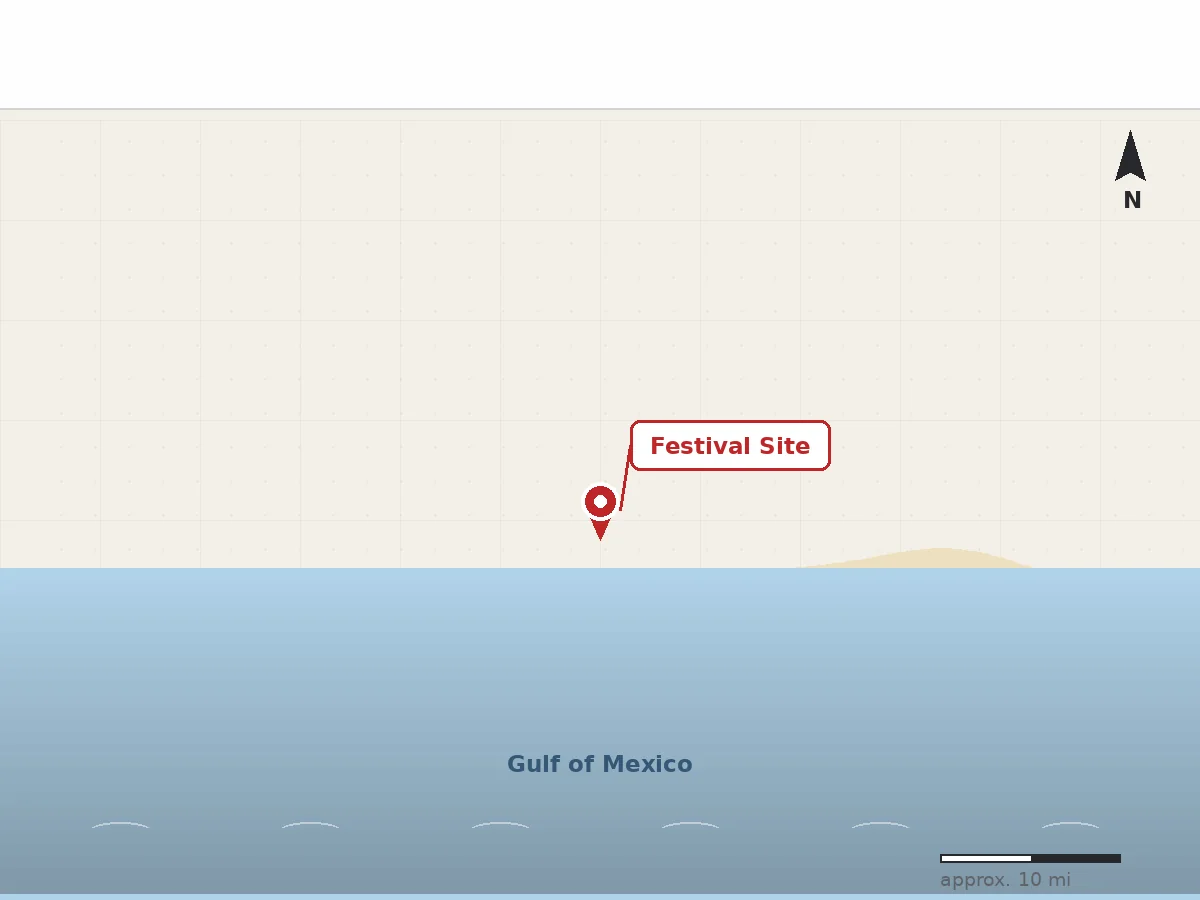
The Farmers and Merchants Fair is held at the Washington County fairgrounds in the Salem area of southern Indiana, roughly in the middle of the county’s 516.60 square miles.
What Washington County Fairgoers Ask Most
Is the Farmers and Merchants Fair free to attend?
Admission is typically free, and that has long been part of the fair’s character — it is meant to be an easy outing for local families. Expect to pay for food, rides, games, and some grandstand events, so bring cash. Any change to entry policy would be announced locally ahead of the fair.
When is the fair held each year?
The fair falls during Indiana’s county fair season, in the summer months, usually across a run of consecutive days that includes a weekend. Because the exact week shifts from year to year, check local listings, fair announcements, or the county’s community calendar before planning a trip.
Is it a good outing for young children and older visitors?
Yes. The grounds are mostly flat, mornings are unhurried, and there is seating near the exhibit halls and entertainment areas. Bring water and shade protection for little ones, and plan to head out before the evening crowd if anyone in your group tires easily.
Do you have to live in Washington County to attend?
No. The fair is a county tradition, but visitors from neighboring counties and the Louisville area come every year. You will get more out of it if you slow down, ask questions at the barns, and treat it as a look at how this part of southern Indiana lives rather than as a tourist attraction.
What’s Ahead for the Farmers and Merchants Fair
County fairs everywhere are figuring out how to stay relevant to a generation with more entertainment options than any before it. Washington County’s answer has been continuity with small updates: keeping livestock shows and exhibits at the center while refreshing entertainment, food offerings, and youth programs that bring new families onto the grounds.
The fair’s future is tied to the county’s. As long as farming remains part of Washington County’s identity — and local businesses see value in sponsoring ribbons and classes — the fair will keep its week on the calendar. For visitors, the safe assumption is that it returns next summer with the same barns, the same food lines, and a few new faces showing animals for the first time.
Last updated: October 2026
If you are anywhere near southern Indiana when fair week arrives, the Farmers and Merchants Fair is worth an afternoon. Come for the tenderloin and the exhibit halls, stay for the evening crowd, and leave knowing a little