Warrick County Indiana 4-H Fair Festival

For one week each summer, the Warrick County area reorganizes itself around livestock barns, show rings, and a midway. The Warrick County Indiana 4-H Fair is the county’s largest youth showcase, where 4-H members present animals, baked goods, photography, and shop projects they have worked on for months, and where neighbors from Boonville, Newburgh, Chandler, and the surrounding townships meet over corn dogs and bleacher seats. This guide is written for the visitor rather than the exhibitor: what to see, how to plan an evening or a full weekend, and what to expect once you are through the gate.
Warrick County 4-H Fair Essentials for Visitors
| Town or area | Warrick County area, southwestern Indiana, in the Ohio River valley |
| County | Warrick County |
| County seat | Boonville |
| Population | 63,898 |
| Land area | 391.05 square miles |
| Founded | 1813; named for Captain Jacob Warrick |
| Typical timing | A week in July in most years |
| Admission | Typically free at the gate; rides, food, and some events cost extra |
| Setting and features | Fairgrounds with livestock barns, show rings, exhibit halls, a grandstand, and a midway |
| Organizer | Warrick County 4-H program and its volunteer leaders |
Gate admission is typically free, which makes the fair an easy addition to a summer evening in southwest Indiana. Carnival rides, vendor food, and certain grandstand events are priced separately, so it helps to set aside a small budget for extras and to carry some cash for the stands that do not take cards.
4-H in Warrick County, Explained for First-Time Visitors
The fair exists because of the county’s 4-H program. Members join clubs, choose projects at the start of the year, and spend months preparing. Livestock entries cover beef and dairy cattle, swine, sheep, goats, poultry, and rabbits. Static projects are just as varied: woodworking, photography, gardening, sewing, baking, food preservation, and small engines. Judges evaluate the work, ribbons get posted, and much of what is shown ends up in the livestock auction or back in the family kitchen.
For a visitor, that means the fairgrounds are more than a carnival. Barns are open to walk through, show rings follow a posted schedule, and exhibit halls hold rows of judged work from members across a county that covers 391.05 square miles. You can spend an hour watching a showmanship class and the next hour eating fries, and both feel like the point of the evening.
How the Fair Took Root in a County Founded in 1813
Warrick County was established in 1813 and named for Captain Jacob Warrick. Boonville became the county seat, and the county grew around farmland in the Ohio River valley. County fairs and 4-H clubs arrived by different routes and eventually merged into a single summer event.
For another look at how a community turns its own traditions into a gathering, see the Warren County Indiana Warren County Fair Festival for a useful comparison.
Across Indiana, 4-H clubs took hold in the early decades of the 1900s, giving rural young people a way to learn practical skills and show the results in public. County fairs became the natural stage. Over the following decades, Warrick County’s fair expanded from a display of farm products and livestock into a week-long gathering with a midway, a grandstand, and exhibit halls. The county’s population now stands at 63,898, but the fair still runs on the same basic idea: young people make something, bring it, and stand beside it while the community looks on.
What a Day at the Warrick County 4-H Fair Feels Like
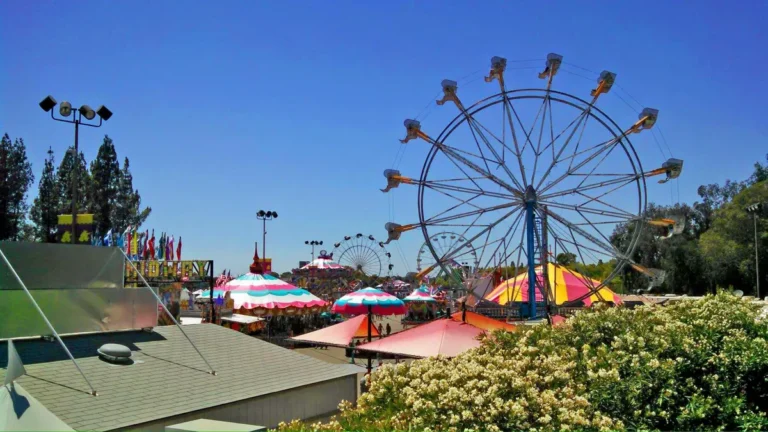
The grounds run on two clocks: the show schedule in the barns and the looser rhythm of the midway. Here is how the main pieces usually fit together.
Fair Food, From Pork Burgers to 4-H Milkshakes
Fair food is its own attraction. Expect the standard lineup of tenderloins, corn dogs, funnel cakes, lemon shake-ups, and kettle corn, alongside stands run by local organizations. The 4-H food stands are often the best value on the grounds, and dairy bar milkshakes are a long-standing favorite. Lines are longest around the dinner hour and again after the evening show lets out, so eating early or late pays off.
Grandstand Nights: Tractor Pulls, Derbies, and Live Music
Evenings bring the crowds to the grandstand. Typical programming includes tractor and truck pulls, a demolition derby, motocross or ATV events, and live music on at least one night. Some grandstand events charge a separate ticket while others are included with gate admission, so check the schedule posted near the entrance. Arrive 30 to 45 minutes early for a decent seat; the bleachers fill quickly on derby night.
Family Activities: Barn Tours, Rides, and Hands-On Exhibits
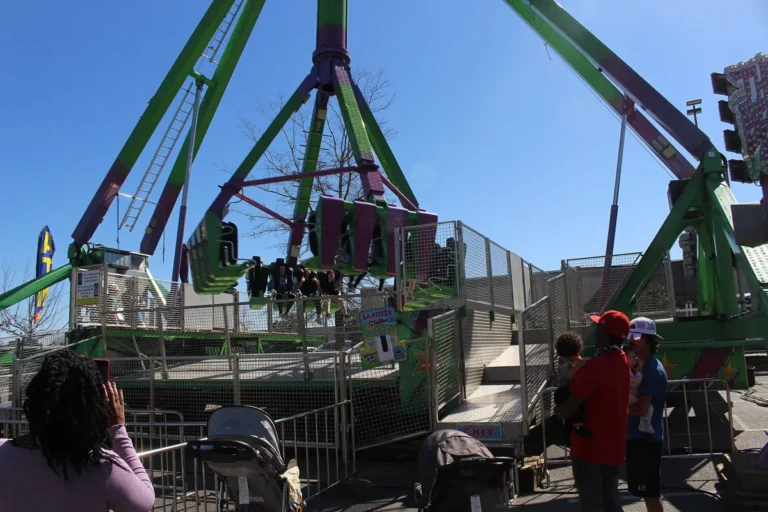
Families with young children tend to move between the barns, the midway, and the exhibit halls. Petting areas and barn tours give kids a close look at animals they may never have stood beside before, while carnival rides and games keep older children busy. Many county fairs also set aside space for hands-on activities and demonstrations, which is a good option during the hottest part of the afternoon.
Planning Your Trip to Warrick County
Getting There from Boonville, Newburgh, and Evansville
Warrick County sits in southwestern Indiana, with Boonville at its center as the county seat and Newburgh along the Ohio River to the south. Most visitors arrive by car, and the drive from any part of the county is short. If you are coming from Evansville or from Interstate 64, allow extra time during the evening rush, when fair traffic meets commuter traffic on the main routes into town.
Where to Stay in and Around Warrick County
Lodging inside the county is limited, and most hotels cluster near the interstate and on the Evansville side of the region. Visitors who want a short drive to the grounds often book in Newburgh or Evansville, while campers and RV travelers should ask early about hookups, since fair week is one of the busiest stretches of the summer. Reserving a month or more ahead is wise if you plan to stay the weekend.
Parking and Getting In and Out Smoothly
Parking is usually on or adjacent to the fairgrounds, often in grass lots staffed by volunteers. Arrive before the evening grandstand event if you want a spot close to the gate, and expect a slow crawl out at the end of the night. Carpooling with neighbors, or parking once and staying for the whole evening rather than running errands in between, saves a surprising amount of frustration.
Admission, Wristbands, and Extra Costs
Gate admission is typically free, with costs concentrated in rides, food, games, and certain grandstand shows. Carnival operators sometimes offer wristband nights or discounted ride sessions earlier in the week, which is worth checking before you buy individual tickets. Because vendors vary, bring some cash alongside a card. A family can keep the evening inexpensive by treating the fair as a walk-around event rather than a ride-heavy one.
July Heat and Humidity in Southwest Indiana
Fair week usually falls in the middle of an Indiana summer, which means heat, humidity, and the chance of an afternoon thunderstorm. Plan around the middle of the day: mornings and evenings are more comfortable, and the barns are warmest in the afternoon. Bring water, sunscreen, and a light rain jacket, and keep an eye on the sky if you plan to sit in the grandstand.
A Sample Fair Weekend in the Warrick County Area
Friday evening: arrive in the late afternoon, walk the barns while the light is still good, grab dinner from a food stand, and settle into the grandstand for whatever is scheduled that night. Saturday: come back in the morning for livestock shows and project exhibits, take a break during the hottest hours, then return for rides, games, and live entertainment after sunset. Sunday: check the schedule for the auction, the final shows, and any family programming, then take one last loop through the exhibit halls before the grounds close for another year.
If you only have one evening, spend it on foot. Walk the barns first, eat while the midway is still quiet, and save the grandstand for last so the night ends on a high note rather than in a parking lot.
How Warrick County’s Fair Compares with Boonville, Newburgh, and Evansville
Boonville’s downtown events center on the courthouse square and feel more like a town gathering, with a shorter walk and a tighter footprint than fair week. Newburgh leans on its Ohio River setting, where riverfront festivals trade livestock barns for water views and evening strolls. Evansville, just to the west, offers a much larger calendar of music, food, and cultural festivals with bigger crowds and bigger production values. Warrick County’s 4-H fair sits between them: smaller than a city festival, larger than a single-day town event, and rooted in youth exhibits in a way the others are not.
What to Pack and Prepare for a Warrick County Fair Day
| Comfortable closed-toe shoes | Barn aisles, gravel, and grass lots are rough on sandals |
| Water bottle | Shade and refill options are limited during the afternoon |
| Sunscreen and a hat | Most of the grounds sit under open sky |
| Cash and a card | Payment options vary from stand to stand |
| Light rain jacket | Summer storms move through quickly in southwest Indiana |
| Folding chair or blanket | Handy for grandstand overflow and lawn seating |
Beyond the Midway: Boonville, Newburgh, and the Ohio River Valley
Fair week is a good excuse to see more of Warrick County. Boonville, the county seat, has a courthouse square worth a slow walk, with local shops and diners nearby. Newburgh sits on the Ohio River and pairs well with a morning or evening stroll along the waterfront. Between them, the county’s 391.05 square miles of farmland and river bottoms offer backroad driving, small-town cafes, and the kind of scenery that explains why 4-H has stayed relevant here for generations. Many visitors combine a fair evening with a Saturday morning spent exploring before the heat sets in.
Why the Warrick County 4-H Fair Still Anchors the Summer Calendar
For a county of 63,898 people, the fair is one of the few events that brings every corner of Warrick County to the same place at the same time. It is a youth event, a community fundraiser, a family reunion, and a chance for local vendors, all stacked into a single week. Auction money goes home with 4-H families, concession proceeds support local organizations, and the ribbons on the exhibit hall walls belong to kids who will remember them long after the tents come down. That combination is why the fair remains the reference point for summer in Warrick County.
Locating the Fair in the Warrick County Area
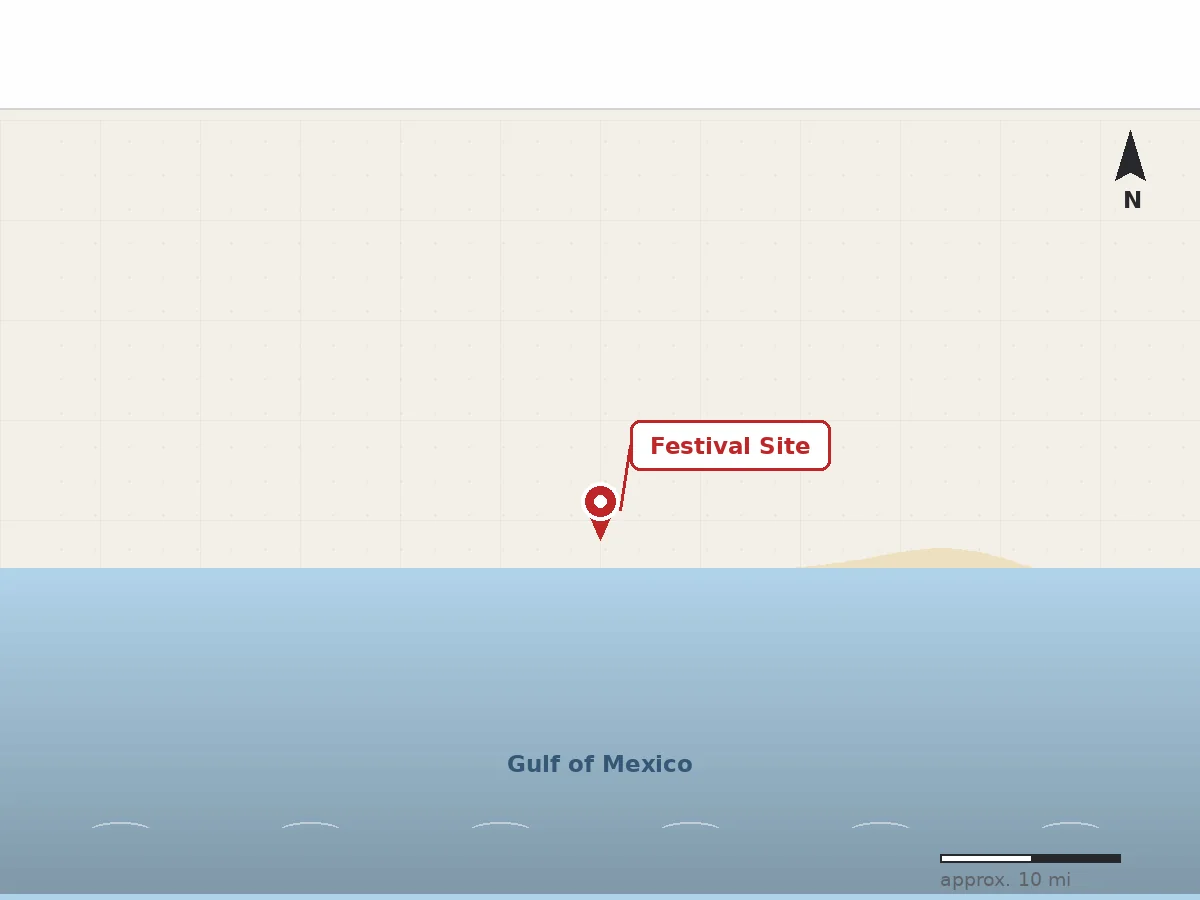
The Warrick County Indiana 4-H Fair takes place at the county fairgrounds in the Warrick County area of southwestern Indiana, a short drive from Boonville, the county seat.
Straight Answers for First-Time Warrick County Fairgoers
Is the Warrick County 4-H Fair free to attend?
Gate admission is typically free, so you can walk the barns, view the exhibits, and watch many of the shows without buying a ticket. Rides, food, games, and some grandstand events carry their own charges, and any wristband or ticket promotions are usually announced closer to fair week.
Can visitors watch the livestock shows without being an exhibitor?
Yes. The show rings are open to spectators, and watching a showmanship class is one of the most rewarding ways to spend an hour at the fair. Sit in the bleachers, keep a respectful distance from the animals, and follow any instructions posted near the ring.
What should I wear to a summer fair in southwest Indiana?
Closed-toe shoes are the single best decision you can make, since you will walk through gravel, grass, and barn aisles. Dress for heat and humidity, bring a layer for the evening, and keep a rain jacket in the car in case a storm rolls through.
Is the fair a good outing for young children and older visitors?
It can be, as long as you plan around the heat. Mornings and evenings are easiest, shade is limited, and the grounds involve a fair amount of walking. Families often bring a stroller or wagon, while older visitors tend to prefer arriving early, parking close, and taking breaks in the exhibit halls.
What’s Ahead for Future Warrick County 4-H Fairs
County fairs everywhere are adapting to changing schedules, rising costs, and new interests among young people, and Warrick County is no exception. Expect continued emphasis on hands-on projects alongside traditional livestock shows, more family-friendly programming in the evenings, and steady reliance on volunteers and local sponsors to keep the gate free. The core of the event — members, families, and a county that shows up to see what they built — is likely to stay exactly where it has been for generations.
Last updated: October 2026
Plan for a warm evening, comfortable shoes, and more time in the barns than you expected, and the Warrick County Indiana 4-H Fair will reward you with one of the most genuine summer experiences in southwestern Indiana.

One Comment