Carter County Kentucky Carter County Fair Festival
In northeastern Kentucky, fair season arrives in the Carter County area with the smell of fried dough over a gravel lot and the sound of a livestock trailer backing into place. The Carter County Fair is the kind of countywide occasion where you are likely to run into a neighbor, and where one evening rarely feels like enough.
This guide covers what the fair is, when it typically falls, what happens on the grounds, and how to plan a visit around it — whether you live minutes away or are driving in from another corner of the county.
Carter County Fair Basics for a Grayson-Area Visit
| Town / place | The Carter County area, anchored by Grayson |
| County | Carter County, Kentucky |
| County seat | Grayson |
| Population | 26,627 (2020 census) |
| County profile | Founded 1838; 412 square miles |
| Region | Northeastern Kentucky |
| Typical timing | A weekend in summer or early autumn, in most years |
| Admission | Typically free to enter the grounds; rides and games sold separately |
| Setting | Rural fairgrounds with exhibit halls, a midway and outdoor seating |
| Signature features | Livestock and home-arts exhibits, carnival rides, live music and local food stands, run by community volunteers |
Where the Carter County Fair Fits in the Foothills
Carter County spreads across 412 square miles of northeastern Kentucky, with Grayson serving as the county seat since the county was founded in 1838. The 2020 census counted 26,627 residents, many of them in small communities separated by wooded ridges and creek valleys. The fair is one of the few occasions that gathers a good share of them in one place.
At its heart, this is an agricultural showcase. Expect pens of cattle, goats and sheep, poultry cages, and long tables of canned goods, quilts, photographs and garden produce, each entered for judging. For plenty of Carter County families, entering something — a jar of pickles, a prize pumpkin, a hand-sewn quilt — is a habit passed down rather than a decision made fresh each year.
Around that core sits the carnival side of the fair: rides, midway games, food stands and an evening stage. Because the county is home to roughly 26,000 people rather than a metropolitan crowd, the scale stays neighborly. You can wander the grounds in an afternoon and still see everything twice.
For another look at how a community turns its own traditions into a gathering, see the Carroll County Kentucky Carroll County Fair Festival for a useful comparison.
Admission to county fairs in this part of Kentucky is typically free, with costs concentrated in ride wristbands, food and games. Specifics shift from year to year, so it pays to check local listings as the season approaches.
Farming Roots Behind Carter County’s Fairgrounds
The fair sits on top of a much older agricultural economy. When Carter County was organized in 1838 and Grayson became its seat of government, life here revolved around small farms, livestock and the rhythm of planting and harvest. A fair was less entertainment than infrastructure — the one time each year when farmers could compare breeding stock and see what neighbors had managed to grow.
Over the decades, that purpose broadened. Rail lines, then paved roads and automobiles, made it easier for families from every corner of a 412-square-mile county to gather in one place. Exhibits expanded from strictly farm goods into home arts such as baking, canning and needlework, and youth competitions gave school-age exhibitors a reason to spend a summer preparing an animal or a project.
By the twentieth century, the fair had taken the shape most visitors would recognize today: a midway with rides and games, a stage for evening entertainment, food stands run by local groups, and a schedule of livestock shows running alongside carnival hours. Fairgrounds across the region developed similar footprints, usually on the edge of town where there was room for parking, trailers and a show ring.
The details have shifted year to year, and no single era defines the Carter County Fair. What has stayed constant is its function: a few days each season when the county’s rural and small-town life gets put on display, judged, celebrated and eaten.
What a Day on the Carter County Fairgrounds Feels Like
Expect a compact, walkable grounds: exhibit halls and the show ring on one side, the midway in the middle, food trailers and seating clustered where the crowds pass. Attendance builds through the afternoon and peaks after dark, when the lights come on and the rides run at full speed.
Fair Food That Keeps the Line Moving
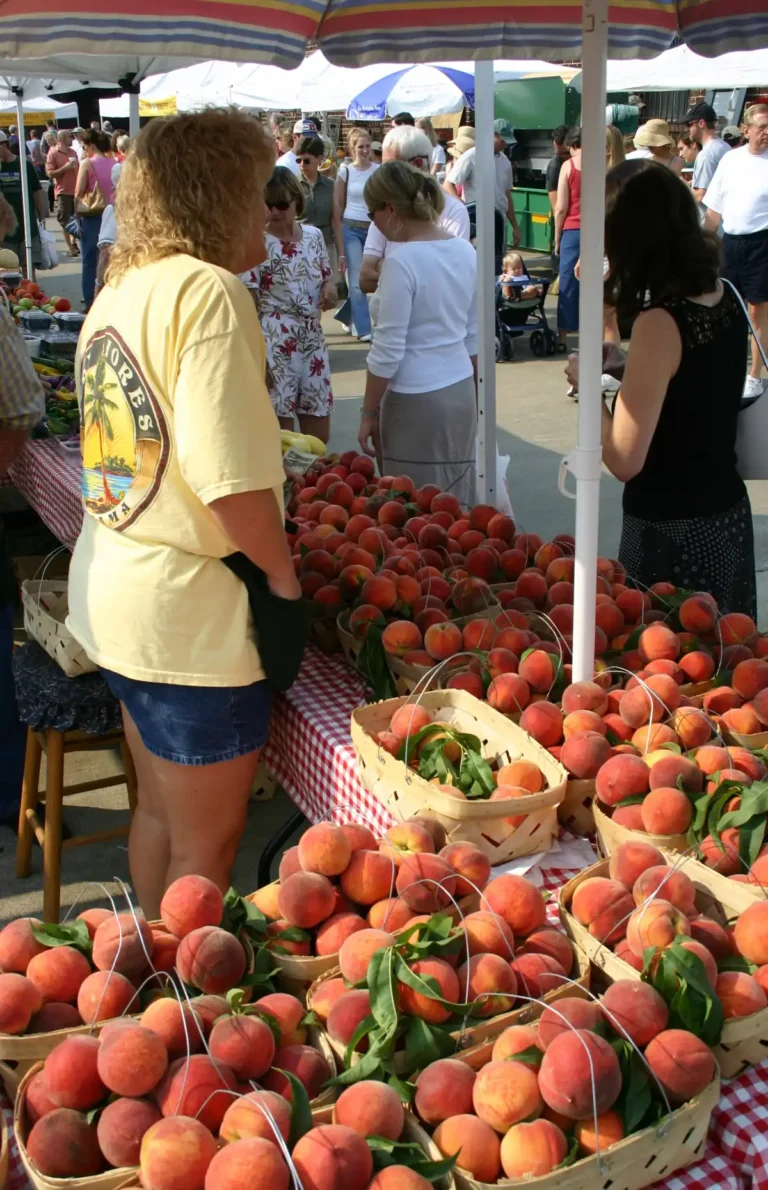
Funnel cakes, corn dogs, elephant ears, lemonade shake-ups, nachos and ice cream are the reliable standbys, and the lines move quickly because everyone knows the drill. Local church groups, booster clubs and civic organizations often run their own stands, which is where you find the food that tastes like the county rather than the carnival — soups, chili, barbecue sandwiches, sliced pies and baked goods wrapped in foil. Bring some cash; smaller stands appreciate it, and card readers can be unreliable when the generator is working hard.
Live Music, Engines and Evening Entertainment
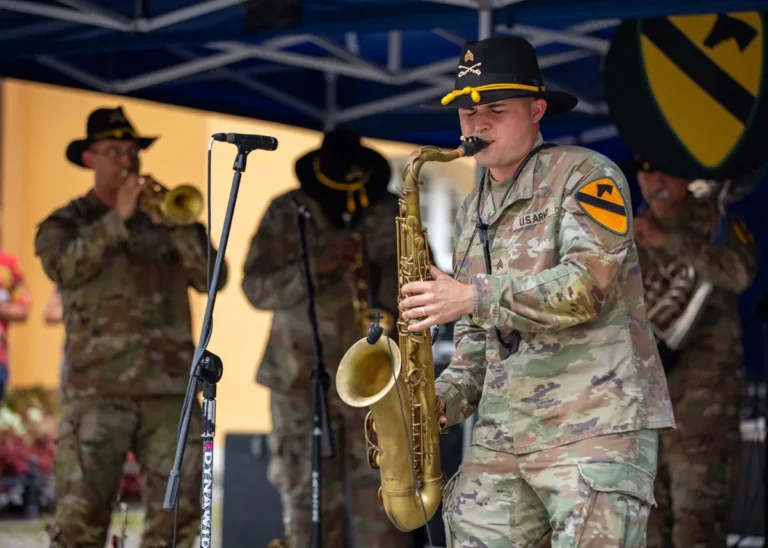
Evenings carry the entertainment load. Local and regional acts — country, bluegrass, gospel and rock cover bands — are the backbone of fair stages across the region, and Carter County follows that pattern. Some years add a tractor pull, a demolition-style event or a pageant on the main night. Seating is often first-come, so many families haul in folding lawn chairs and stake out a spot before the music starts. Schedules are posted locally in the weeks before the fair opens.
Family Activities and Livestock Shows
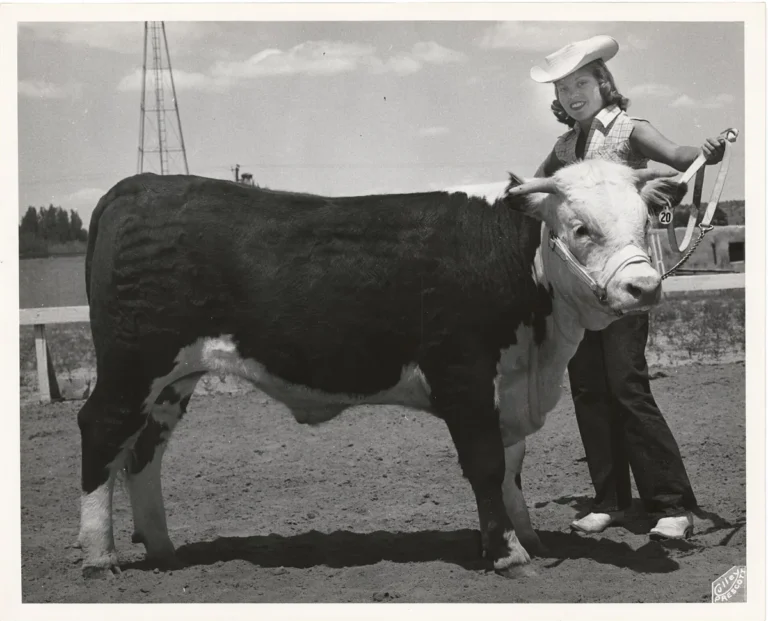
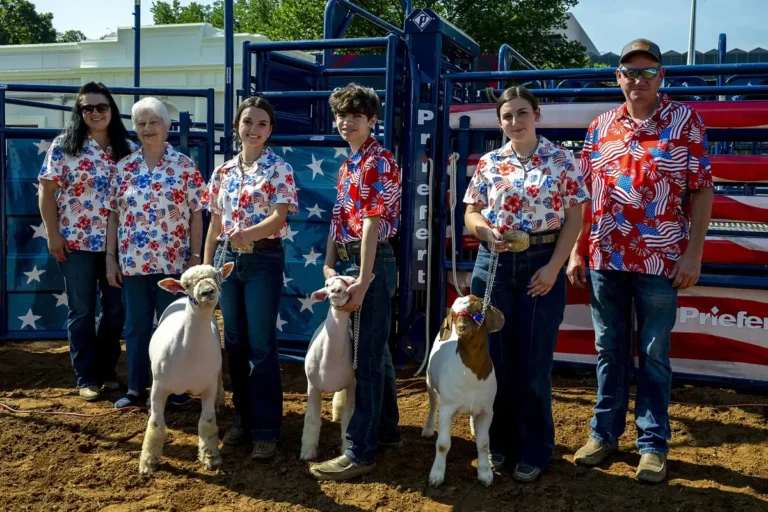
Livestock shows are the fair’s spine, and watching young exhibitors walk a heifer or a market lamb around the ring is one of the most genuinely local experiences Carter County offers. Beyond the show ring, expect kiddie rides, games of chance, a petting area in many years, and exhibit halls where children can hunt for their own artwork or a relative’s prize-winning tomatoes. Strollers handle the grounds reasonably well, though grass and gravel sections get uneven after rain.
Planning Your Trip to the Carter County Fair
Getting to Grayson and the Fairgrounds
Grayson sits at the center of Carter County, and most visitors reach the area by car. From the surrounding towns, expect a short rural drive on two-lane roads that wind through hills and past farm gates. Give yourself extra time after dusk, when deer are active and the roads are dark.
Where to Stay Around Carter County
Lodging in a county of this size is limited, so fair weekend fills quickly. Options cluster around Grayson and the larger towns within driving distance, including Morehead and Ashland. If you are coming from out of town, book well ahead and treat the drive as part of the trip rather than an afterthought.
Parking at the Fairgrounds
Parking is usually on grass or gravel lots adjacent to the grounds, directed by volunteers in vests. It is typically free, and it typically fills. Arriving in the late afternoon gives you a shorter walk and an easier exit; arriving at peak evening hours means a longer stroll and a slower line out at closing.
Admission, Wristbands and Costs
Gate admission at fairs like this is often free or minimal, with the real spending happening at the ride ticket booth, the game trailers and the food stands. Ride wristbands, where offered, tend to be the best value for families with children who plan to ride repeatedly. Set a cash budget before you walk in and you will leave pleasantly surprised.
Weather in the Kentucky Foothills
Late summer and early autumn in northeastern Kentucky mean warm, humid afternoons and noticeably cooler evenings once the sun drops behind the ridges. Rain is always a possibility, and a good soaking turns parts of the grounds muddy. Light layers, comfortable shoes you do not mind dirtying, and a compact rain jacket cover almost every scenario.
A Sample Fair Weekend in Carter County
Day one: Arrive mid-afternoon, park while the lots are still half empty, and walk the exhibit halls first while they are quiet. Look for the judging results posted on the walls. Grab an early dinner from a local group’s stand, then ride the midway as the lights come up and stay for the evening music.
Day two: Come back earlier in the day for the livestock shows, which are the most distinctly Carter County part of the fair. Watch a class or two in the ring, let the kids loose on the kiddie rides, and take a second pass through the food row for something you skipped the night before.
Day three: Keep it short. A late-afternoon visit for a final funnel cake, a look at the grand champion exhibits, and a slow walk around the grounds before the season’s fair closes for another year.
How the Carter County Fair Compares With Nearby Towns
Olive Hill, the other incorporated town within Carter County, shares the same rural character and sends plenty of families to the fair each year. Morehead, the seat of neighboring Rowan County, offers a larger commercial base and its own seasonal community events, which makes it a useful base if you want a hotel bed and a short drive. Ashland, in Boyd County along the Ohio River, brings a more urban feel and a wider restaurant scene within reach of a day trip.
The practical difference is scale. A Carter County fair is smaller, cheaper and easier to navigate than what you will find in a metro area, and it is more rooted in agriculture than most town festivals. If you are choosing between events on the same weekend, pick this one for the livestock shows and the small-town pace.
Packing and Prep List for Fairgoers
Bring cash in small bills, a folding lawn chair for evening entertainment, sunscreen, bug spray, a refillable water bottle and a light rain jacket. Wear closed-toe shoes with tread — grass, gravel and mud are all part of the experience.
Leave the cooler at home unless you have confirmed the grounds allow it, keep pets behind unless the fair has advertised a pet-friendly policy, and check the local schedule before you drive out, since show times and stage lineups change from year to year. Charge your phone in the morning; service is fine, but batteries drain fast when you are taking photos all evening.
Beyond the Midway: Grayson and the Rest of Carter County
Grayson rewards a slow hour before or after the fair. As the county seat, it holds the courthouse and the everyday business of a 412-square-mile county, along with the small-town staples — a few local restaurants, shops and gathering spots where the fair gets discussed for weeks afterward.
Beyond town, Carter County is rural and hilly, with winding roads, pasture and forest in roughly equal measure. If you have time, drive a loop out of Grayson toward Olive Hill and back, stopping where the view opens up. It is the landscape that produced the fair in the first place, and seeing it makes the livestock barns and vegetable tables make more sense.
The Fair’s Place in Carter County Life
In a county of 26,627 people spread across 412 square miles, gathering is not automatic. The fair is one of the few recurring events that pulls together farm families, town residents, school-age exhibitors and grandparents who have been attending since they were children.
It also does quiet economic work. Food stands raise money for local organizations, exhibitors spend the season preparing entries, and vendors and carnival crews bring in outside dollars. More than that, the fair is where the county sees itself: what grew well this year, what the next generation of farmers looks like, and who is still here. That is a lot to hang on a weekend of rides and funnel cakes, but it is why the tradition keeps going.
Locating the Fairgrounds Near Grayson
The Carter County Fair takes place on fairgrounds in the Carter County area near Grayson, the county seat of this 412-square-mile county in northeastern Kentucky.
Carter County Fair Questions, Answered
Is the Carter County Fair free to attend?
Gate admission at fairs of this size is typically free or very inexpensive, with the bulk of spending happening on rides, games and food. Any wristband promotions or special pricing are usually announced locally shortly before the fair opens.
When is the fair usually held?
It is generally a summer or early-autumn event running across a weekend, in most years. Because the schedule shifts, the safest approach is to watch for local announcements as the season approaches rather than planning around a fixed date.
Is it a good outing for young children?
Yes. Kiddie rides, games, animals and plenty of open grass make it manageable for families, and the grounds are small enough that you are never far from the car. Bring a stroller if you have one, and plan around the cooler evening hours if your children do not handle heat well.
Can I bring a lawn chair or my own food?
Lawn chairs are a common sight at fair stages and are almost always welcome. Outside food and drink policies vary by year and by grounds, so check local listings or ask at the gate before hauling in a cooler.
Looking Ahead to the Next Carter County Fair
County fairs everywhere are adapting. Volunteer pools shrink, insurance and carnival contracts cost more, and younger families have more ways to spend a weekend than their grandparents did. The fairs that survive tend to be the ones that lean into what makes them irreplaceable: real livestock, real judging, real neighbors, and a midway that still feels like an event.
Carter County has the ingredients that matter — a deep agricultural base, a county seat that supports the event, and a population that treats the fair as part of the calendar rather than an optional extra. Expect the format to keep evolving while the purpose stays put. Last updated: October 2026
If you go, go early one evening and stay late another. The fair is best understood slowly — over a plate of something fried, standing near the show ring, listening to a local band while the sky goes dark over the ridges. That is the Carter County Fair as it has always been: unglamorous, genuinely local, and worth the drive.
One Comment