Quitman County Georgia River Festival
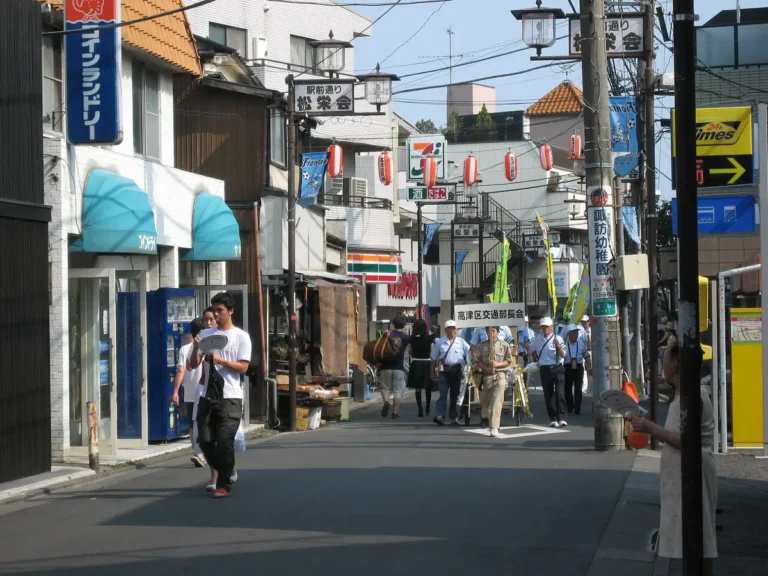
Quitman County has about 2,200 residents, which makes it the second-least populous county in Georgia, and once a year its only town fills with vendor tents, parade watchers and people who drove in from across the Chattahoochee River. The River Festival is the event that does it. It is small by design, built around a single downtown, a lake that borders the county, and a community that knows most of the faces in the crowd.
Anyone expecting a midway, a grandstand and a livestock barn will find something different here. The festival is a downtown arts and crafts sale, flea market and parade day rather than a classic county fair, and that scale is the appeal. You can walk the whole thing in an afternoon and still have time to look at the river.
This guide is for people deciding whether to make the trip to Georgetown, the county seat. It covers what is documented about the festival, what is not, and how to plan around a rural corner of Southwest Georgia where lodging, services and information are thin. Confirm details with the organizers before you go.
About the River Festival
The River Festival is held in downtown Georgetown and is organized by the Quitman County Civic League, according to the Georgetown-Quitman County government website. That site describes it as an arts and crafts sale and flea market, with a parade, musical concerts, festival food, children’s activities, speakers and shopping. A vendor application is published there as a downloadable form.
For another look at how a community turns its own traditions into a gathering, see the Early County Georgia Peanut Proud Festival for a useful comparison.
The county site lists the festival for the third Saturday in April, and the vendor form carries a 2026 label. Today is late October 2026, so the most recent typical date has already passed. The festival is typically held in mid-April; if that pattern holds, the next one would fall on Saturday, April 17, 2027. No official 2027 date has been verified, so check with the Civic League or the Georgetown-Quitman County offices before booking anything. The published description points to a single-day event; confirm hours.
Several things set it apart from a generic county fair. There is no documented livestock show, carnival ride contract or ticketed grandstand. The venue is the town’s streets, the organizer is a civic group, and the name points to the Chattahoochee rather than to a crop, which fits a county whose western edge is a river and a reservoir.
History and Origins of the River Festival
The origin of the River Festival is not well documented online. The county website does not give a founding year, and no independent history of the event turned up in research. Treat any specific year with caution until the Civic League confirms it.
The festival belongs to a long tradition of small Georgia towns using a spring weekend to raise money, show off local crafts and bring neighbors downtown. The Quitman County Civic League appears to carry that role in Georgetown, which suggests a community-run event rather than a commercial one.
The surrounding history is better recorded. Georgia created Quitman County in December 1858 from parts of Randolph and Stewart counties and named it for John A. Quitman, a Mexican War general and former Mississippi governor who never lived in Georgia. The settlement that became Georgetown began in the early 1830s under the name Tobanana, after a nearby creek, and a post office opened in 1833. It was renamed Georgetown in 1836, became the county seat in 1859 and incorporated that December.
Disasters shaped the town’s look. A fire in 1903 destroyed nearly every building except the post office and three houses. The original wooden courthouse burned in 1920, and federal relief money eventually paid for the brick courthouse finished in 1939. In 2006, voters approved merging the county and city governments, and Georgetown-Quitman County is often cited as one of the smallest consolidated governments in the country.
Quitman County’s River and Farmland Heritage
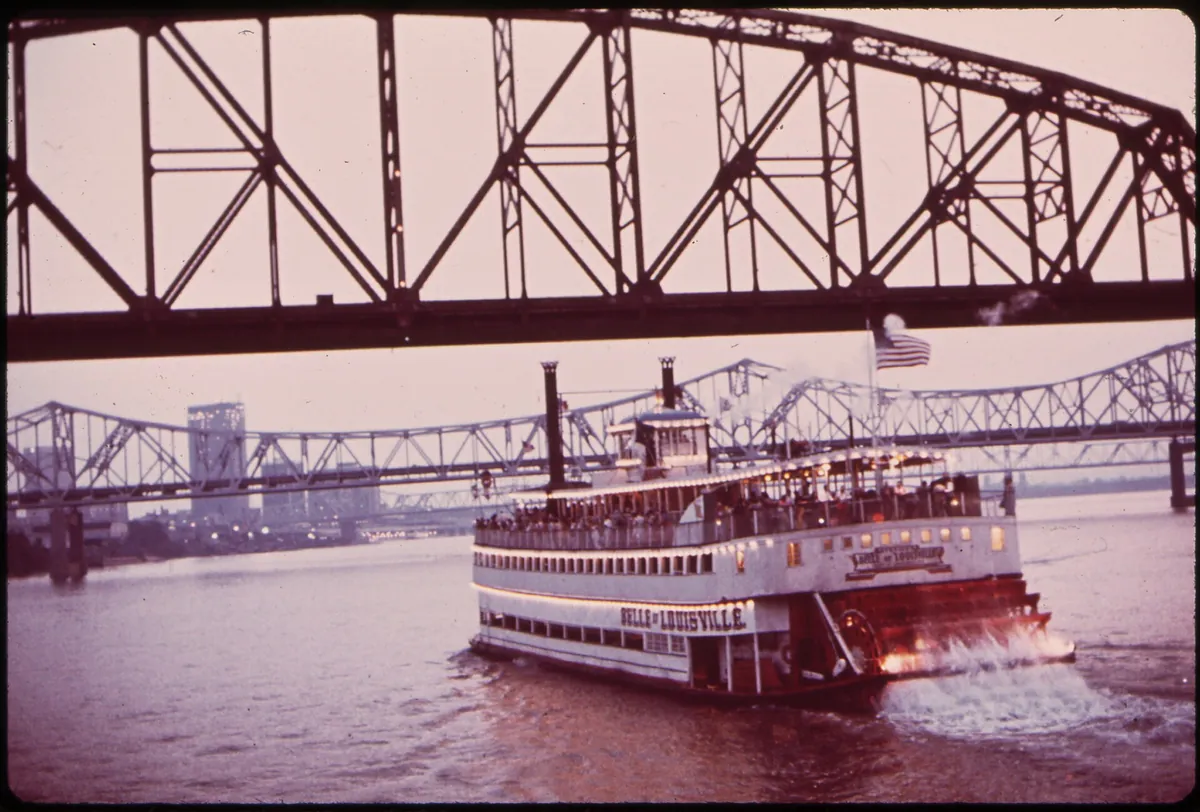
For this county, the defining theme is the Chattahoochee itself. Creek people lived along the river before European contact, and an earlier fortified settlement is believed to have stood where Cool Branch meets the Chattahoochee, a site now underwater. In the mid-1800s, steamboats made the river a working route, and the cotton trade tied Georgetown to markets downstream.
Farming and timber have remained the county’s economic base. The Georgia Encyclopedia notes that the 2002 Census of Agriculture counted 23 farms with about 14,330 acres under cultivation, and that corn and peanut production, once significant, fell sharply between 1997 and 2002. Georgetown’s Cotton Exchange was long the only mercantile business of note, until about 1920, when its owner left with the cotton crop and cash and the town lost banking services for nearly eighty years. The river’s character changed in the 1960s, when the U.S. Army Corps of Engineers impounded the Chattahoochee behind the Walter F. George Lock and Dam. The reservoir, called Lake Eufaula on the Alabama side, now forms the western boundary of the county and is known for camping, boating and bass fishing. The county shares the Lake Walter F. George Wildlife Management Area with neighboring Clay County. The county’s population peaked at 4,701 in 1900 and has not returned to that number.
What to Expect at the Festival
Main attractions and activities
The county’s published description names a parade, live music, speakers and a sale of arts, crafts and flea market goods. Expect the action to center on downtown Georgetown, around the 1939 courthouse and the streets that run past it. The parade route and the vendor area are close together.
Specific parade entries, concert lineups and speakers are not listed in the sources reviewed and may change yearly. If a particular act matters to you, ask the organizers. Plan on browsing handmade goods and secondhand finds rather than watching a scheduled stage show all day.
Food and vendors
The county site says festival food is available for purchase, but it does not name caterers, churches, farms or food trucks. No named local producer or vendor could be verified for this guide, so none are listed here. Vendor applications are handled through the organizers, which means the lineup depends on who applies in a given year.
Bring cash, since small vendors at rural events do not always take cards and mobile signal can be uneven. Eat before you arrive if you have dietary restrictions, because food options are likely modest.
Family and children’s activities
The festival lists children’s activities among its offerings, but the details are not published. It is a daytime downtown gathering with a parade and small crowds. Specific games, inflatables or craft stations are not confirmed.
The town’s Recreation Board, which serves youth and seniors, maintains a park and walking trail and a community center, and you can ask the organizers whether these will be in use. A walk by the lake can make a good break between the parade and the shopping.
Planning Your Visit — Practical Information
Getting to Quitman County
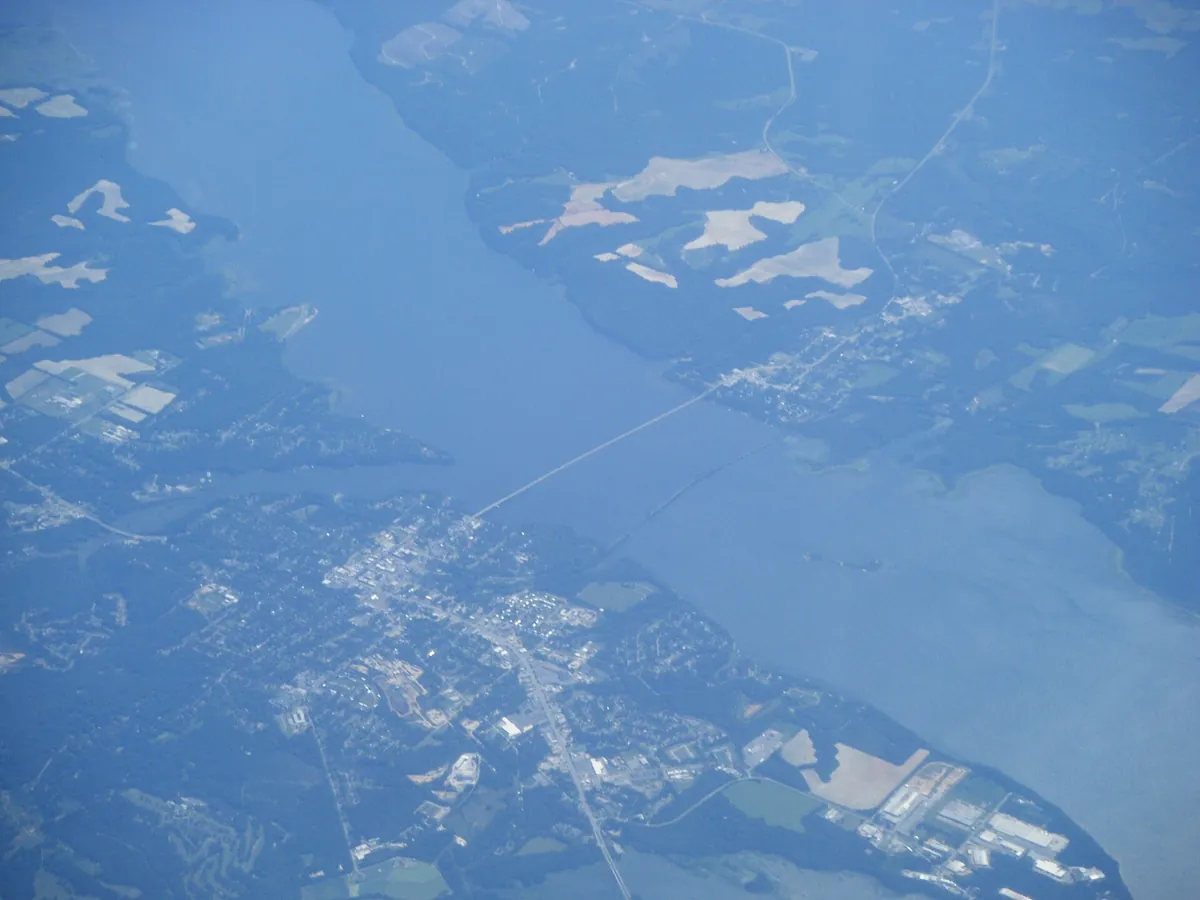
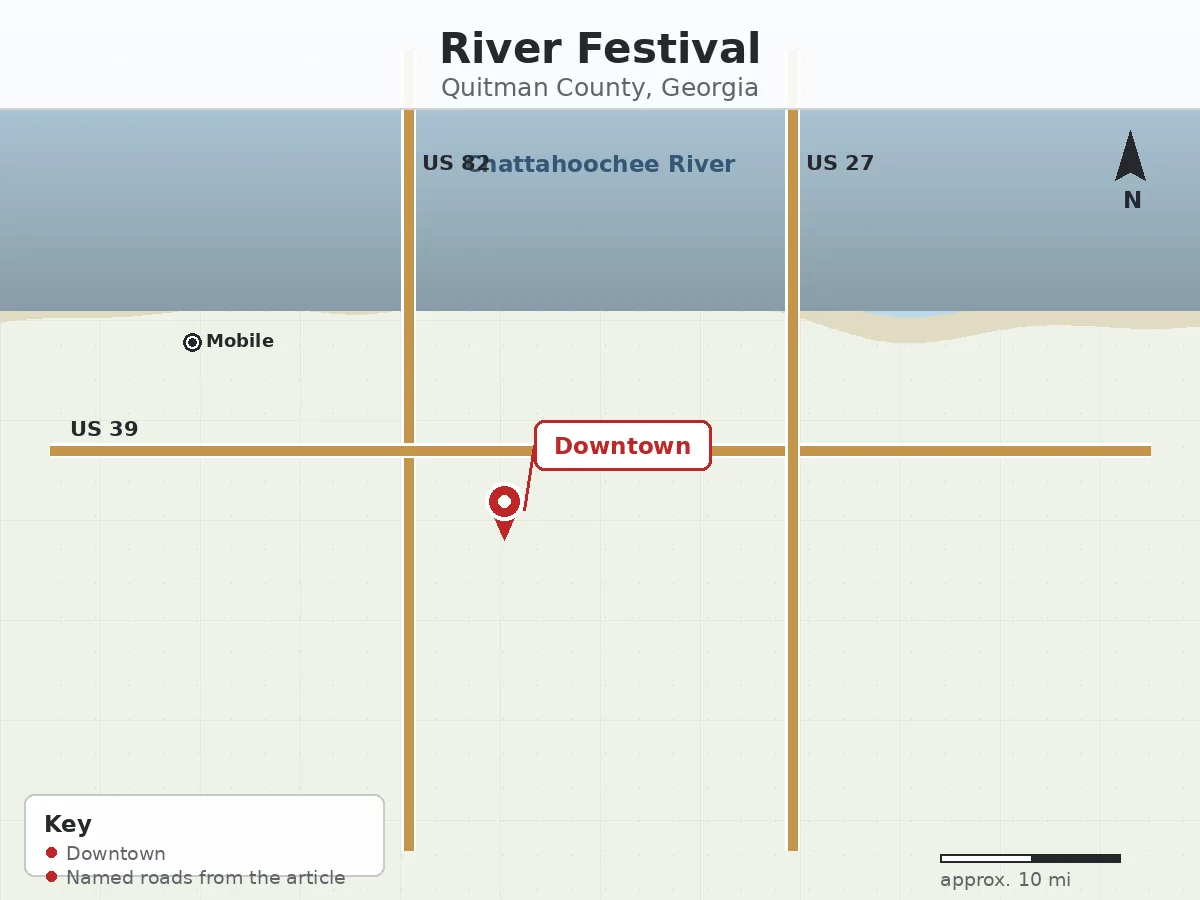
Georgetown sits on the Alabama-Georgia state line, directly across the Chattahoochee from Eufaula, Alabama. U.S. Route 82 runs east-west through town as Middle Street, leading west to Eufaula and southeast to Cuthbert. Georgia State Route 39 runs north-south through town and overlaps U.S. 82 briefly, reaching Omaha to the north and Fort Gaines to the south. Georgia State Route 27 begins in Georgetown and runs northeast toward Lumpkin.
The county is in Southwest Georgia, bordered by Stewart County to the north, Randolph County to the east, Clay County to the south and Barbour County, Alabama, across the river to the west. Columbus, Georgia, is the nearest large city of note among the places the state parks mention in the region; check driving times on a current map. Cell service and gas stops can be sparse on rural roads, so fill your tank beforehand.
Where to stay
Lodging inside Quitman County is limited, and no specific hotel or inn could be verified for this guide. Many visitors use Eufaula, Alabama, just across the river, as a base for its wider range of services. Verify current options before booking.
For a lake-focused trip, Florence Marina State Park in neighboring Stewart County, near Omaha, offers 41 campsites, seven cottages and eight efficiency units on the northern end of Lake Walter F. George. Reserve early for April weekends, which tend to be busy in the region. Vacation rentals are also listed for the Georgetown area through major booking sites, though availability varies.
Parking and crowd logistics
The sources reviewed do not describe festival parking, shuttle service or road closures. Expect downtown streets to be closed or restricted during the parade, and expect to park on side streets or in open lots within a short walk. Arrive early if you want to park close to the courthouse.
Crowds will be modest, but a town of this size can feel full quickly. If you need accessible parking or have mobility needs, call the Georgetown-Quitman County offices ahead of time. The Recreation Board lists a phone number, (229) 334-0903, though it is not confirmed as the festival contact.
Admission, costs, and ticket information
The published description does not mention an admission charge or parking fee, and no ticket price could be verified. Many downtown street festivals are free to enter, but that is a general pattern and not confirmed for this event. Prices, vendor booth fees and any entry costs require confirmation with the organizer.
If you plan to sell, the vendor application is posted on the county website, and booth fees are not stated in the sources reviewed. Ask about electricity, tent requirements and setup times before you commit.
Weather and what to wear
Mid-April in Southwest Georgia is usually mild to warm, with daytime temperatures often in the 70s or low 80s Fahrenheit, cooler mornings and a real chance of spring thunderstorms. This is a general regional pattern rather than a forecast, so check the weather before you leave.
Dress in layers, wear comfortable walking shoes for pavement, and carry a hat, sunscreen and a light rain jacket. If you plan to visit the lake or a state park, add insect repellent and shoes you do not mind getting muddy.
Beyond the Festival — Exploring Quitman County
The Quitman County Courthouse, completed in 1939 in a stripped classical style with colonial revival touches, is the town’s anchor and sits within walking distance of the festival area. It is listed on the National Register of Historic Places. The old Quitman County Jail is also on the register and makes a short stop for anyone interested in local architecture. Exterior viewing is the safest assumption, since interior access is not confirmed.
Lake Walter F. George is the county’s biggest natural draw. Created by the Army Corps of Engineers, it offers camping, boating and fishing along a shoreline that reaches into Alabama. The Lake Walter F. George Wildlife Management Area covers part of the county, and the Corps and state agencies publish rules and seasons you should check before you go.
The Harrison-Guerry-Brannon-Crawford Family Cemetery is described in the Georgia Encyclopedia as holding the graves of many distinguished Georgians, and it appeals to genealogy and history readers. Check access conditions before visiting, since small family cemeteries may sit on private or hard-to-reach land.
In neighboring Stewart County, Florence Marina State Park has the Kirbo Interpretive Center, which displays artifacts from the Paleo-Indian period through the early twentieth century, plus walking trails and bird-watching for herons, egrets and bald eagles. Providence Canyon State Park lies in the same part of the region, and across the river in Alabama, the Eufaula National Wildlife Refuge adds more birding. These make a natural second-day route if you stay overnight.
The Economic and Community Significance of the Festival
For a county of roughly 2,235 people, with a median age above 50 and a large share of vacant housing, a street festival carries more weight than its size suggests. It brings visitors from across the river and the surrounding counties into a downtown that otherwise sees limited traffic. Even a modest number of out-of-town shoppers can matter to vendors, church groups and local food sellers.
The Quitman County Civic League runs the event, so the day belongs to the community rather than to an outside promoter. No official figures on attendance, revenue or local spending were found, so this guide does not estimate them. What is clear is that the festival gives a shrinking county a reason to gather and a calendar date to show itself to outsiders.
A visitor who comes for the parade may also buy gas, fish the lake or stay in Eufaula, and that spread is where the benefit tends to land.
Festival Area Map
The map below locates River Festival at the downtown in Quitman County, Georgia.
Frequently Asked Questions
When is the River Festival held?
The county website lists it for the third Saturday in April, so it is typically held in mid-April. If the pattern holds, the 2027 date would be April 17, but no official 2027 date has been verified. Confirm with the Quitman County Civic League or the Georgetown-Quitman County offices.
Is the River Festival free?
The published description does not state an admission charge or parking fee. Many downtown festivals of this kind are free to enter, but you should not assume that here. Prices require confirmation with the organizer.
Where is the festival held?
It takes place in downtown Georgetown, the county seat of Quitman County, Georgia. The town sits on U.S. 82 and Georgia 39, directly across the Chattahoochee River from Eufaula, Alabama.
How long does the festival last?
The published information points to a single Saturday event with a parade, music and vendor sales. Exact start and end times are not listed in the sources reviewed. Ask the organizers for a current schedule.
What is Quitman County known for?
The county is known for its location on the Chattahoochee River and Lake Walter F. George, its farming and timber economy, and its small size. It is the second-least populous county in Georgia and has had a consolidated city-county government since 2006.
Is the festival kid-friendly?
The festival lists children’s activities and is a daytime downtown event with a parade. Specific activities are not published, so ask ahead if you are planning around a particular age group.
What should I bring?
Bring cash, comfortable walking shoes, sun protection, a light rain jacket and water. Mobile coverage can be uneven in rural areas, so download directions before you leave.
Can I bring my dog?
No pet policy was found for the festival. Street events often allow leashed dogs, but crowds, pavement heat and the parade can be stressful for animals, so ask the organizers before you bring one.
What to Expect From the Next River Festival
Is River Festival held every year?
Yes, River Festival is an annual event.
When is the next River Festival?
The next River Festival is expected each year. Check with the organizers in the county for the confirmed date.
Does the River Festival schedule change?
The performers, vendors, and activities at River Festival change from year to year.
Last updated: October 2026
If you want a small-town Georgia event without the crowds of larger state festivals, the River Festival is worth a Saturday in April. Confirm the date and any costs with the organizers, then leave time to see the courthouse and the lake.