Schuyler County Illinois Arts in the Park Festival
I have lost track of how many times I have driven into Schuyler County for Arts in the Park, and the thing that keeps pulling me back has nothing to do with a headliner. It is the pace. You park, you walk into the shade, and within ten minutes you have nodded hello to three strangers and caught up with someone you met at the same festival a year earlier. Schuyler County is 441 square miles of west-central Illinois farmland and small towns, with Rushville sitting at its center as the county seat, and on festival weekend it feels as though a good slice of the county has decided to spend the afternoon in the same patch of grass. This is an insider’s guide for the person who has already been once and wants to do the second visit better.
Schuyler County by the Numbers Before You Go
| Festival | Arts in the Park — Schuyler County Illinois Arts in the Park Festival |
| Town / area | The Schuyler County area, with Rushville as the county seat and usual hub |
| County | Schuyler County, Illinois |
| County seat | Rushville |
| County founded | 1825 |
| County land area | 441 square miles |
| Population base | Small and rural, spread across farmland and a handful of small towns |
| Typical timing | A weekend during the warmer months, most often in summer |
| Admission | Typically free |
| Setting and features | A shaded community park with open lawn and tree cover; local art and craft vendors, live music, food stands, and family activities, run by local arts volunteers and community groups |
What Arts in the Park Actually Looks Like in Schuyler County
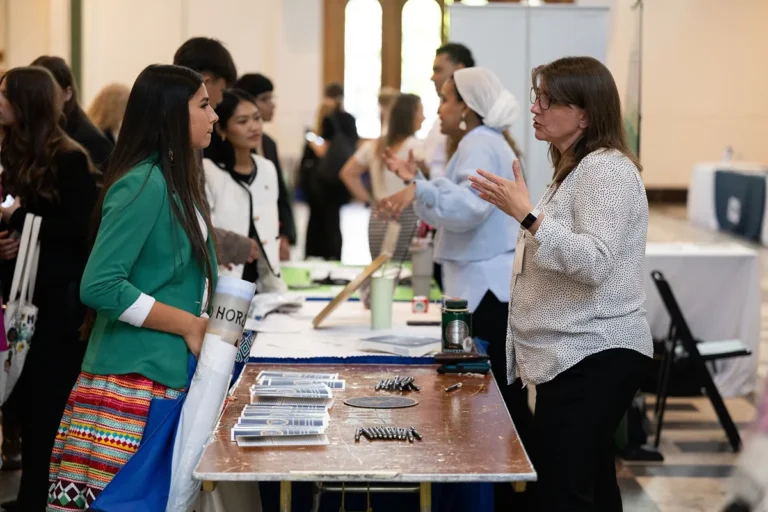
Strip away the expectations you bring from big-city art fairs. Arts in the Park is a community-scale event, and that is precisely its charm. Vendors set up along the grass and under the trees, and the mix leans local and regional: painters, photographers, woodworkers, quilters, potters, jewelry makers, and crafters who work out of home studios the rest of the year. Much of what you see is made by people you can actually talk to, and most of them will happily explain how a piece came together.
The layout is deliberately walkable. Booths give way to a lawn where people unfold camp chairs, kids drift between activities, and a small stage or open area hosts musicians through the day. Food is simple and satisfying rather than trendy. There is no gate to queue at, no wristband, and no pressure to move along. If you have only ever experienced the festival as a quick stop, the real move is to slow down, sit for an hour, and let the afternoon happen around you.
How Art Found a Home in a Farming County Founded in 1825
Schuyler County was organized in 1825, and for most of its history the calendar here has been written by planting and harvest. Rushville became the county seat and the place where county business, courthouse gatherings, and community celebrations naturally concentrated. In a county of 441 square miles where neighbors can be a long drive apart, any excuse to gather carries weight, and the tradition of the summer and fall community event runs deep in this part of Illinois.
Arts in the Park grew out of that habit rather than arriving from somewhere else. It began as a modest gathering of local makers and musicians who wanted a low-key, family-friendly outlet for work that otherwise stayed in studios and living rooms. Over the years it added more vendors, more performers, and more activities for children, but the organizing principle never changed: keep it free, keep it local, and keep it in the shade of a park rather than behind a ticket gate.
For another look at how a community turns its own traditions into a gathering, see the Sangamon County Illinois State Fair Festival for a useful comparison.
That continuity is why returning visitors recognize the festival instantly. The faces behind the tables change gradually. A potter who was there five years ago might be replaced by a young photographer from a nearby town, while the person selling preserves and the volunteer directing traffic have been fixtures for as long as anyone can remember. The event has grown in polish without growing out of its own shoes, which is a rare thing for a small-town festival.
The Shape of a Festival Day in the Park
Food Stalls and the Flavor of Rural Illinois
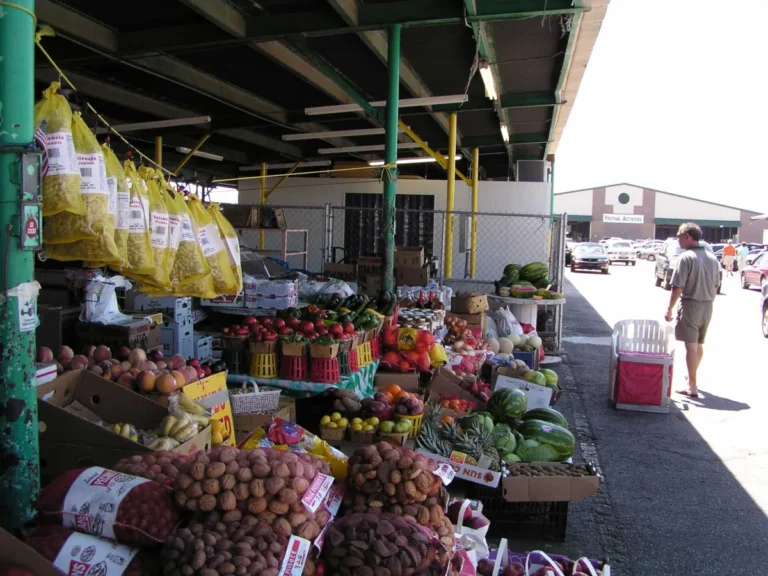
Expect the classics done well: grilled sandwiches, pork chop stands, walking tacos, fresh-squeezed lemonade, homemade pies and cakes, kettle corn, and ice cream for the kids. Booths are typically run by local groups, churches, and families, which means the food has a potluck quality to it rather than a concession-stand feel. Lines move quickly, and most vendors appreciate cash. If you arrive around midday, eat early; the noon rush is real and the shaded seating fills first.
Music and Live Entertainment on the Lawn
Live music anchors the afternoon. Programming usually leans toward acoustic acts, country and folk combos, small rock and bluegrass groups, and local church or school ensembles, with a rotating lineup that changes through the day. Because the sound carries across an open park rather than a stadium, you can hear a set from a folding chair fifty feet away and still hold a conversation. Bring a chair or a blanket, claim a spot near the stage, and treat the music as a backdrop to the whole afternoon rather than a single must-see slot.
Family Activities That Keep Kids Occupied
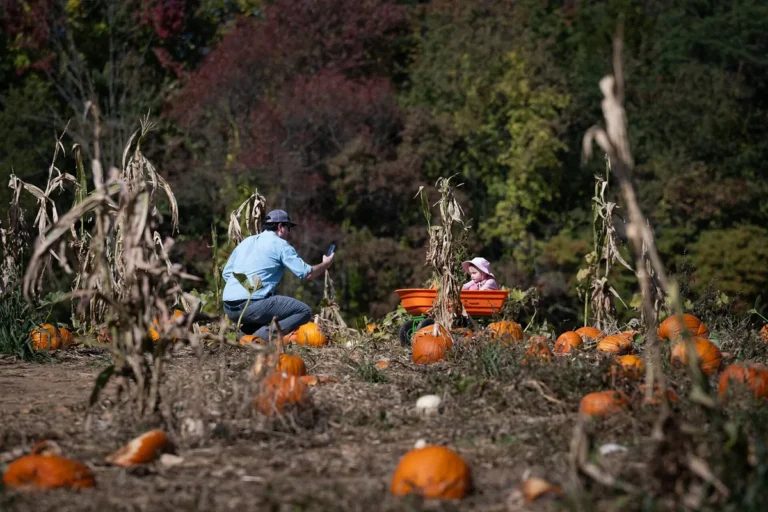
This is genuinely a festival you can bring children to without bracing yourself. Expect hands-on craft tables, face painting, simple games, and open lawn for running, plus the natural playground that any park with trees provides. Older visitors get the opposite benefit: flat ground, benches, shade, and plenty of places to sit. Strollers and wheelchairs manage fine on the grass in dry weather, though a stretch of rain can make the lower ground soft.
Getting to Schuyler County and Settling In
Driving Routes and Using Rushville as a Base
Schuyler County sits in west-central Illinois, and nearly everyone arrives by car. Rushville, the county seat, is the natural anchor for the trip: it is where you will find the bulk of the county’s services, and it puts you within a short drive of the festival grounds and the surrounding countryside. Fuel up and pick up anything you need before you get close to the park, because the roads leading in are two-lane, scenic, and slow in the best way.
Where to Stay Around Schuyler County
Lodging in a county this rural is limited, and that is part of the planning. Options generally come down to small local inns and motels, a handful of guesthouses and short-term rentals in and near Rushville, and campgrounds or RV spots for people who prefer to sleep outdoors. Many returning visitors base themselves in a larger nearby town and drive in for the day. Book early in the season; summer weekends in this part of Illinois fill up with reunions, weddings, and family visits.
Parking and Moving Around the Grounds
Parking is usually a matter of finding a legal spot along the street or in a nearby lot and walking in. Arrive in the morning for the easiest options; by early afternoon the closest spaces are gone. Once you are on the grounds, everything is within a few minutes’ walk, so leave the cooler and extra chairs in the car until you have scouted a good spot. Volunteers usually direct traffic, and following their hand signals keeps things moving for everyone.
Admission, Cash, and What the Day Costs
Admission is typically free, which is central to the festival’s character. Your money goes to vendors, food stands, and the occasional raffle or donation jar that supports next year’s event. Bring cash, including small bills, because not every maker has a card reader and cell service in a park can be uneven. Set a budget before you walk in if you are prone to buying art, because the prices here are reasonable and the temptation is real.
Illinois Weather and How to Dress for It
Summer in west-central Illinois means heat, humidity, and the chance of an afternoon storm rolling through with little warning. Dress in light layers, wear a hat, and bring sunscreen and water. A light rain jacket beats an umbrella if the wind picks up. Comfortable shoes matter more than you think, since you will be standing on grass and uneven ground. If the day turns unusually hot, plan your booth browsing for the morning and spend the afternoon in the shade.
A Sample Festival Weekend, Start to Finish
Friday evening: Arrive in the Schuyler County area, check in, and drive the route to the park so you know where you are going in the morning. Eat dinner in Rushville and get an early night.
Saturday morning: Get to the grounds before the crowds, walk the entire loop once without buying anything, then circle back for the pieces you actually want. Vendors are freshest and most talkative early.
Saturday midday: Eat before the lunch rush, then claim a shady spot with your chair and let the music carry the afternoon. This is the hour when the festival feels most like a county-wide front porch.
Saturday late afternoon: Make a second pass for anything you regret leaving behind, buy something from a food stand for the road, and stay for the closing set if the weather is kind.
Sunday: Take a slow drive through the county before heading home. The back roads here are the real souvenir, and a stop for breakfast on the way out rounds off the weekend properly.
How It Compares With Macomb, Quincy, and Beardstown
Arts in the Park occupies a specific niche among the towns within a reasonable drive. Macomb, to the north, has a livelier year-round arts scene thanks to its university audience, with more experimental music and gallery programming, but its events feel more institutional and less county-wide. Quincy, on the Mississippi to the west, offers bigger festivals, larger crowds, and a genuine city calendar of concerts and riverfront gatherings, at the cost of parking headaches and longer walks. Beardstown, on the Illinois River to the southeast, leans harder into its river-town identity with community celebrations that are bigger on food and parade energy than on handmade goods. Arts in the Park sits in the middle: smaller than all three, cheaper than all three, and more personal than any of them.
A Returning Visitor’s Checklist for Arts in the Park
Bring folding chairs or a blanket for the lawn. Carry cash in small bills for vendors and food. Pack water, sunscreen, and a hat, plus a light rain jacket as backup. Wear shoes you can stand in on grass for hours. Arrive early for parking and the best browsing. Walk the full loop before making a purchase. Bring a tote or two for anything fragile or bulky. Charge your phone, but do not count on strong signal in the park. Say hello to at least one vendor about their work. And leave a little room in the day for sitting still, because that is the part people remember.
Beyond the Park: The Rest of Schuyler County
Schuyler County rewards a slow drive. Rushville’s courthouse square gives you the classic county-seat architecture and a good starting point for a walk. The surrounding 441 square miles are working farmland, with gravel roads, old barns, and long sightlines that photographers tend to fall for immediately. The county’s western side reaches toward the Illinois River valley, where the landscape flattens into bottomland and the birding improves. Small towns and crossroads communities dot the map, each with a church, a grain elevator, or a cemetery that hints at the county’s 1825 origins. None of it is packaged for tourists, which is exactly why it is worth the detour.
Why a Small Arts Weekend Still Matters in Schuyler County
In a county this size, a festival is not just entertainment. It is infrastructure. It gives artists from small towns somewhere to show work without driving two hours to a city gallery. It gives local groups a fundraising opportunity and a reason to organize. It gives families a free afternoon out that does not require a budget conversation. And it gives people who live twenty minutes apart on country roads a shared date on the calendar. When you buy a bowl from a potter or a print from a photographer here, you are not just acquiring an object; you are keeping a small creative economy visible in a place where visibility is not guaranteed.
Where the Festival Sits in Schuyler County
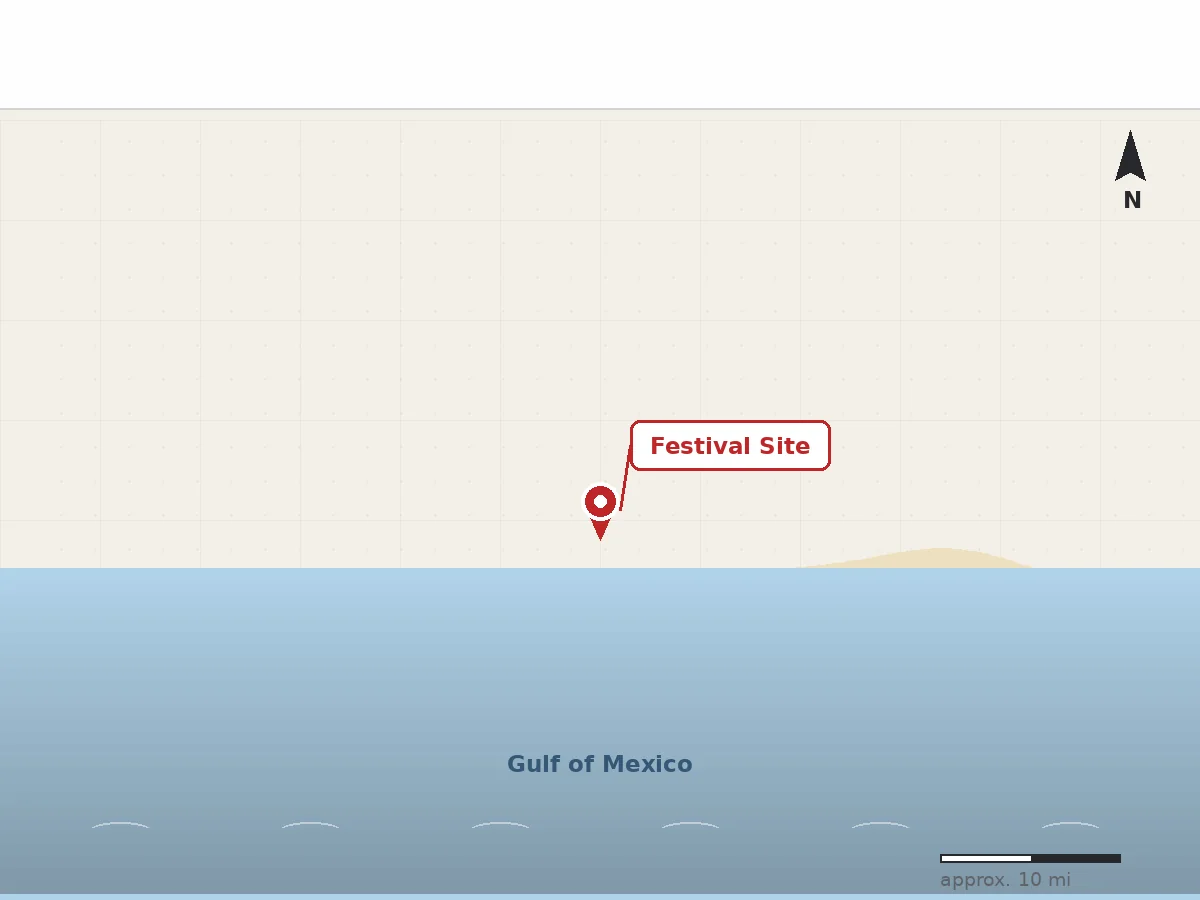
Arts in the Park takes place in the Schuyler County area, with Rushville, the county seat, as the practical landmark for anyone navigating toward the grounds.
Straight Answers for Arts in the Park Newcomers
Is there an admission charge to get in?
Admission is typically free, and that has been the festival’s approach throughout its life. You pay only for what you eat, drink, or buy from vendors, plus any optional donation or raffle that supports the following year’s event. That structure is deliberate: it keeps the festival open to everyone in the county regardless of budget.
What happens if it rains on festival weekend?
Summer storms in Illinois are usually short and often pass through in the afternoon. Bring a light rain jacket, and if the weather turns serious, retreat to your car or a nearby business and wait it out. Organizers adjust to conditions as they develop, and vendors generally keep going through light rain. Check local sources before making the drive if the forecast looks rough.
Can I buy work directly from the artists?
Yes, and that is the best reason to come. Most booths are staffed by the makers themselves, so you can ask about materials, process, and commissions. Many accept cash, some take cards, and a few may arrange pickup or shipping for larger pieces. Buying directly means the money stays with the person who made the work.
Is the festival manageable for young kids and older visitors?
It is one of the easier festivals on both counts. The grounds are flat and walkable, with shade and seating, and there is usually a mix of hands-on activities for children. Plan around the heat if you are bringing grandparents or toddlers, keep water handy, and use the morning hours for the bulk of your walking.
What the Next Few Years Could Look Like for Arts in the Park
The trajectory for a festival like this one is rarely dramatic, and that is fine. The realistic future is steady rather than explosive: a slightly wider mix of artists as younger makers discover the event, more food variety, and continued reliance on volunteers and local sponsors who treat the weekend as a county tradition rather than a marketing opportunity. The biggest questions are the ones facing every rural community in Illinois, from keeping younger families involved to making sure the park itself stays in good shape. If the festival holds to its formula, free admission and a shaded lawn will keep drawing people back.
Last updated: October 2026
If you have been to Arts in the Park once, you already know the rhythm of it. Come back with a chair, cash in your pocket, and no particular schedule, and the day will take care of itself. Schuyler County does not put on a show for visitors; it simply opens the gate to the park and lets you join in.
One Comment