Schuyler County Illinois Schuyler County Fair Festival

Summer in Schuyler County, Illinois announces itself in familiar ways: the smell of fried food drifting over a fairground, the low murmur of a livestock barn at dawn, the clatter of a carnival ride spinning against a sunset. The Schuyler County Fair is the stretch of the season when farm families, small-town neighbors, and visitors who grew up here all end up in the same place at once.
Rushville, the county seat, anchors civic life in this part of western Illinois, and the fair is one of the clearest expressions of it. Come for the 4-H exhibits, the grandstand, or simply a corn dog and a long conversation with someone you haven’t seen since last summer.
A Snapshot of Fair Week in the Schuyler County Area
| Location | Schuyler County area, western Illinois |
| County seat and population center | Rushville |
| County founded | 1825 |
| Land area | 441 square miles |
| Region | West-central Illinois, Illinois River valley |
| Typical timing | A summer weekend during county fair season |
| Admission | Generally free at the gate, with rides and some events priced separately |
| Setting | Rural fairgrounds surrounded by farmland |
| Signature features | Livestock shows, 4-H exhibits, carnival midway, grandstand entertainment, food stands |
| Organizer | Local volunteers and a community fair board |
What the Schuyler County Fair Is Really Like
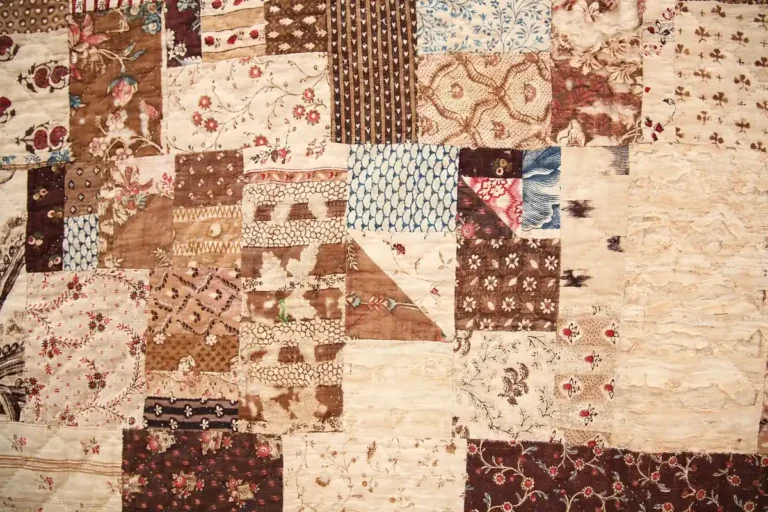
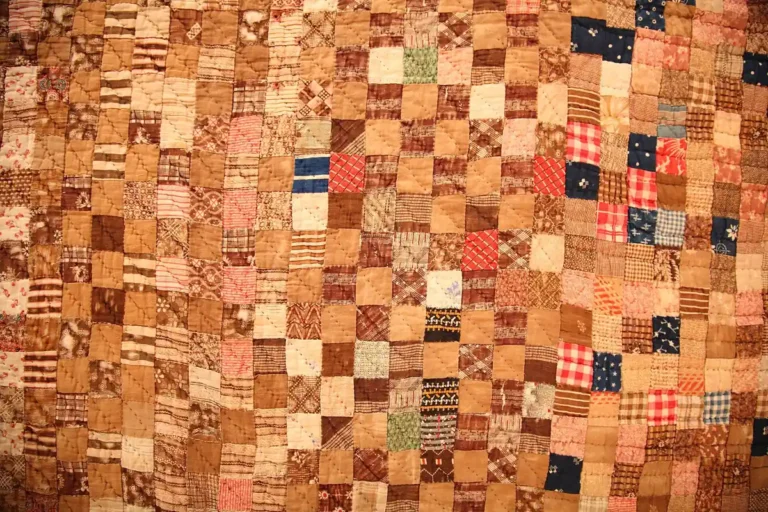
The Schuyler County Fair is a traditional county fair in the fullest sense: an agricultural showcase, a community reunion, and an evening out for families, all wrapped into a few days on a rural fairground. Livestock barns sit at the center of the experience, where exhibitors brush, feed, and show animals while judges work through classes of cattle, swine, sheep, goats, and poultry. Nearby, open-class and 4-H exhibits fill halls with canned goods, baked entries, quilts, photography, and flowers.
Outside the barns, the midway adds noise and color, and the grandstand hosts the kind of entertainment that draws a crowd once the sun drops. Food stands run by local groups — churches, clubs, and booster organizations — sell the sandwiches, tenderloins, lemonade shakes, and sweets that fairgoers associate with summer in western Illinois. The fair is small enough that you’ll run into people you know, and open enough that a first-time visitor can settle in within an hour.
Fair Roots in a County Founded in 1825
Schuyler County was established in 1825, with Rushville as its seat, and the county’s identity has been agricultural from the beginning. The fair grew out of that foundation — from the livestock shows, produce displays, and township gatherings that rural Illinois communities used to compare notes on a growing season and to celebrate a good one.
For another look at how a community turns its own traditions into a gathering, see the Schuyler County Illinois Arts in the Park Festival for a useful comparison.
Over the generations, the fair shifted along with the county around it. Horsepower gave way to tractors; exhibition halls expanded to include home economics, youth projects, and commercial booths; the midway became a fixture rather than a novelty. Through all of it, the event kept its basic shape: a few days each summer when the county’s farm life and town life are displayed side by side.
What has stayed constant is the volunteer labor behind it. Fair boards, 4-H leaders, church groups, and local businesses have carried the event year after year, which is why it still feels like a county project rather than a produced attraction. Families who show animals today often trace the habit back two or three generations.
Inside a Day at the Schuyler County Fairgrounds
If you’ve never been to a fair in this part of Illinois, the rhythm is easy to pick up. Mornings belong to exhibitors and judges, afternoons bring families and the first carnival crowds, and evenings fill the grandstand and the midway.
Fair Food and the Flavor of the Midway
Fair food here is a mix of midway staples and local fundraising stands. Expect pork tenderloin sandwiches, corn dogs, funnel cakes, elephant ears, fresh-squeezed lemonade, and pies sold by the slice. Portions are generous, lines move quickly, and cash is still handy at smaller booths. Because several stands are run by community organizations, a purchase often doubles as support for a local club or church group.
Grandstand Nights and Live Entertainment
Evening programming typically centers on the grandstand, where county fairs across Illinois lean on live music, tractor pulls, and demolition derbies to fill the bleachers — and the Schuyler County Fair follows that pattern. Local and regional bands handle the musical side, and seating is generally first-come, so arriving early is worth the trouble. Bring a cushion if you plan to stay for the whole show.
Family Activities, Livestock Barns, and 4-H Exhibits
The barns are the most kid-friendly part of the grounds. Children can watch a showmanship class, see animals up close, and ask exhibitors questions between classes — always with a parent nearby and permission from the handler. The exhibit halls reward a slower walk, especially for grandparents who remember entering the same categories. Add carnival rides sized for younger children, a few game booths, and plenty of open space to run, and a family can easily fill an afternoon.
Planning a Fair Trip Around Rushville
Fair week is straightforward to plan around, as long as you remember that Schuyler County is rural and the pace is unhurried.
Getting to the Schuyler County Area
Driving is the practical way to arrive. Rushville sits on the region’s two-lane highway network in western Illinois, with larger communities such as Macomb and Quincy within a comfortable drive. If you’re coming from out of town, plan your route in advance, since cell service and signage thin out once you leave the main roads.
Where to Stay Near Rushville
Overnight options close to the fairgrounds are limited and lean toward small independent motels, guest cabins, and campgrounds. Many fairgoers base themselves in Rushville or drive in from nearby towns each evening. For a wider choice of hotels, look to regional hubs like Macomb and Quincy and treat the fair as a day trip. Book early during fair week.
Parking at the Fairgrounds
Fairground parking usually combines on-site spaces with nearby field parking staffed by volunteers. Arrive early for grandstand nights, follow the directions of the people waving you in, and expect a short walk on grass. Comfortable shoes matter more than you think.
Admission and What Things Cost
General gate admission at the Schuyler County Fair is typically free, which makes it an easy outing for a large family. Your spending goes instead to ride tickets or wristbands, food, games, and any separately ticketed grandstand event. Set a rough budget before you walk in and you’ll leave with fewer surprises.
Weather and What to Wear
Illinois summers mean hot, humid afternoons and noticeably cooler evenings. Bring water, sunscreen, and a hat for the daytime, then a light layer for the grandstand after dark. Afternoon thunderstorms are common in this part of the state, so a compact rain jacket is a smart addition to your bag.
A Sample Fair Weekend in Schuyler County
Start Friday afternoon by walking the barns while they’re still quiet, then grab an early dinner from the food stands before the midway fills. Friday evening is a good time for the grandstand, since the crowd builds through the night.
Saturday is the full day. Come mid-morning for livestock judging and the exhibit halls, eat lunch at a church stand, and let the kids loose on the rides in the early afternoon. Head back to your car or your room for a break during the hottest hours, then return for the evening entertainment and a final lap past the booths.
Sunday tends to be calmer. Stop by the barns one last time, catch any remaining shows, and finish with dessert before the grounds empty out. It’s the kind of slow close that makes people mark the same weekend on next year’s calendar.
How the Fair Stacks Up Against Nearby Celebrations
Compared with summer events in larger regional hubs like Macomb and Quincy, the Schuyler County Fair is smaller, quieter, and more agricultural. You won’t find a long list of national touring acts or a sprawling vendor midway. What you get instead is a genuine county fair where the livestock show is the main event and the crowd is mostly local.
That contrast is the appeal. Visitors who want a big production can find one within an hour’s drive. Visitors who want to watch a teenager win a showmanship ribbon, eat a tenderloin, and talk to a neighbor about the corn crop will find that here.
A Fairgoer’s Checklist for Rushville
Before you go: check the current year’s schedule, since fair dates shift within the summer season; fill the gas tank, because services are spread out; bring cash for smaller stands; pack sunscreen, water, and a hat; wear closed-toe shoes for the barns and gravel; bring a light jacket for the evening; and keep a tote bag for exhibit-hall purchases and ribbons.
Once you’re on the grounds: pick up a schedule at the gate, check the barns first while animals are active, and claim grandstand seats earlier than you think you need to.
Beyond the Fairgrounds: The Rest of Schuyler County
Schuyler County covers 441 square miles of farmland, timber, and small communities, and fair week is a good excuse to see more of it. Rushville’s courthouse square makes for an easy stroll, with local cafés, shops, and the kind of courthouse architecture that small Illinois county seats are known for.
The county’s eastern edge reaches the Illinois River valley, where backroads run past fields and wooded bluffs. Farm stands, antique stops, and quiet gravel roads reward anyone willing to take the long way home. Give yourself an extra hour before or after the fair and the county will show you why so many families here stay put.
What the Fair Means to Schuyler County
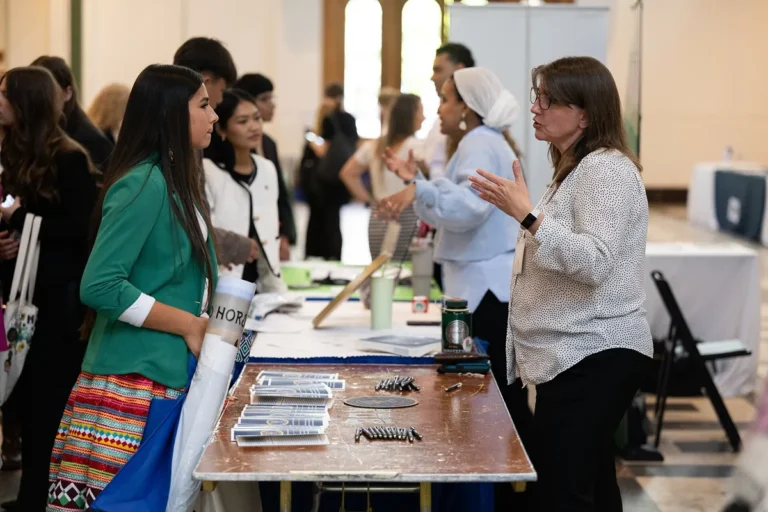
In a county this size, the fair functions as more than entertainment. It’s the annual meeting point for people who otherwise see each other at ball games, church, and the grocery store. It’s where 4-H members learn to speak in public, keep records, and handle an animal under pressure. It’s where local organizations raise the money that funds their work for the rest of the year.
It’s also a link to the county’s 1825 origins and to a farming economy that still shapes daily life. When the grandstand lights go out and the barns are hosed down for the night, the fair has done what it has always done: reminded a rural county of who it is.
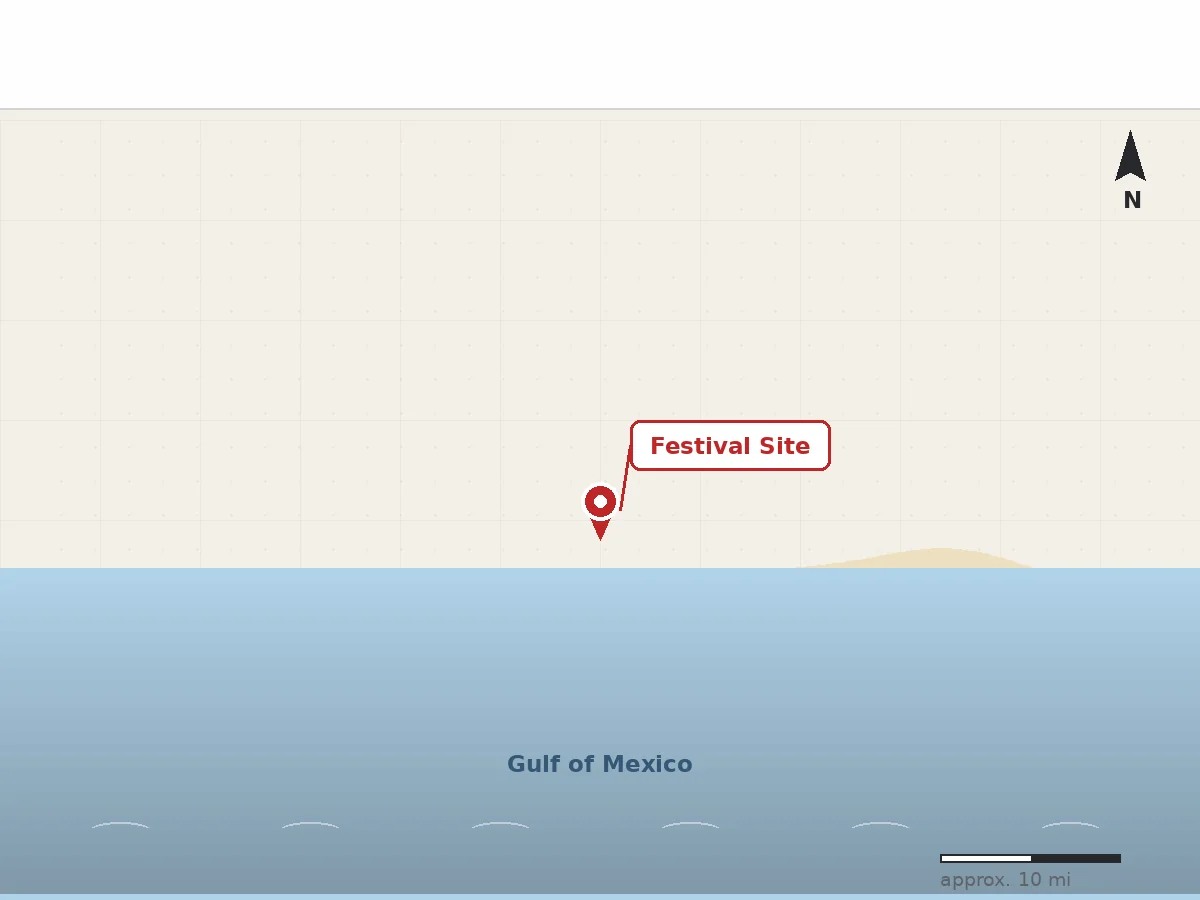
Where the Fairgrounds Sit in Schuyler County
The Schuyler County Fair takes place in the Schuyler County area of western Illinois, with Rushville — the county seat — serving as the natural anchor for fair week.
Practical Questions About the Schuyler County Fair
When is the Schuyler County Fair usually held?
It’s a summer event, typically falling on a weekend during the traditional county fair season in Illinois. Exact dates shift from year to year, so confirm the current schedule with the fair’s organizers or local listings before you plan your trip.
Is there an admission fee to get in?
General admission is typically free. Costs come from carnival rides and games, food, and any separately ticketed grandstand events, so most families spend their money on the midway and the food stands rather than at the gate.
Is the fair a good outing for young children?
Yes. The livestock barns, exhibit halls, and kiddie rides are all well suited to younger visitors, and the grounds are walkable. Bring a stroller if you have one, keep an eye out around animals, and plan a mid-afternoon break during the hottest part of the day.
Can I bring my own food or a cooler?
Policies vary from year to year, and many fairs allow outside food in designated picnic areas while restricting glass and alcohol. Check the current rules before you pack, and support the local stands if you can — they’re a big part of how community groups fund their year.
The Next Chapter for the Schuyler County Fair
Like county fairs across the Midwest, the Schuyler County Fair faces real pressures: rising costs, an aging volunteer base, and competition for family time on summer weekends. The response in most rural counties has been the same one Schuyler County relies on — more hands, more sponsorships, and a steady stream of young exhibitors coming up through 4-H.
That makes attendance matter. Every ticket bought at the midway, every meal eaten at a church stand, and every family that spends an evening in the grandstand helps keep a 200-year-old county tradition moving forward. The fair’s future is less about spectacle than about participation.
Last updated: October 2026
For anyone with roots in western Illinois, the Schuyler County Fair is less a destination than an appointment. The barns will smell the same, the tenderloins will be as big as you remember, and someone will wave you over to a folding chair before the first evening ends. Come once and you’ll understand why Rushville keeps circling the same weekend on the calendar.
One Comment