Sangamon County Illinois State Fair Festival
The Illinois State Fair is Sangamon County’s largest annual gathering, and for people across the Springfield area it works less like a single event and more like a season on the calendar. Each August the fairgrounds fill with livestock barns, midway lights, grandstand concerts, and food stands, and the county’s 877 square miles seem to funnel toward one place.
The Sangamon County State Fair: The Essentials in One Table
| Town / area | The Sangamon County area, centered on Springfield |
| County | Sangamon County, Illinois |
| County seat | Springfield |
| Population | Springfield is the county’s largest city and the fair’s host community; the rest of the county spreads across small towns, villages, and farmland |
| Region | Central Illinois |
| Typical timing | Late summer, across multiple days in August |
| Admission | Varies by day and by year; free-entry and promotional days are common, so confirm details before traveling |
| Setting | A sprawling fairground campus with livestock barns, a grandstand, a midway, and open-air stages |
| Features | Livestock shows, agricultural exhibits, carnival rides, grandstand concerts, free stages, and food vendors |
| Organizer | Run as a state fair, with Springfield and Sangamon County partners handling much of the surrounding logistics |
A Capital-Region Fair Rooted in Sangamon County Soil
The State Fair belongs to Illinois, but it lives in Sangamon County. Springfield, the county seat, hosts the grounds, and the fair’s rhythms — the morning barn chores, the afternoon judging, the evening grandstand show — have shaped late summers here for generations. Sangamon County was founded in 1821 and covers 877 square miles, and on fair days that whole footprint shows up: farm families from the outer townships, office workers from downtown Springfield, teenagers working their first summer jobs, and grandparents who have not missed a year.
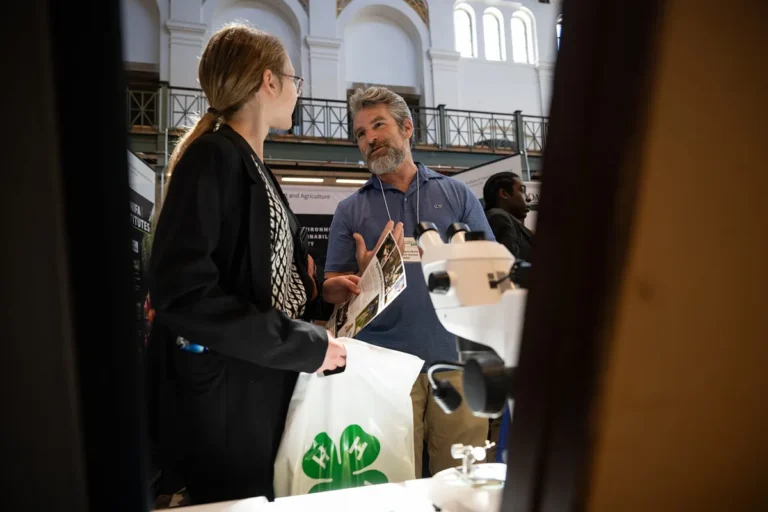
What makes it distinctive is the mix. It is part county fair and part statewide showcase, so a visitor can watch a 4-H member groom a calf in one building and walk five minutes to a big-name concert stage. “We take the same week off every year,” says a Springfield resident who has attended since childhood. “The kids go straight to the animals and the rides, and my parents go straight to the grandstand. Nobody has to compromise.”
From a Frontier County to a Capital-Region Tradition
Sangamon County was established in 1821, with Springfield as its seat. In those early decades, the county’s identity was agricultural — prairie corn and wheat, hogs, and the small rail towns that grew up around shipping points. A state fair fit that world naturally: it gave growers and breeders a single place to compare notes, show animals, and see new machinery in motion.
As Springfield grew into a center of government and commerce, the fair grew with it. Roads and rail lines made the trip possible for families from every corner of the county, and the event became a fixed point in the rural calendar — the moment after crops were in and before school started, when the whole region could gather at once.
For another look at how a community turns its own traditions into a gathering, see the Sangamon County Illinois Springfield Pridefest Festival for a useful comparison.
That pattern never really broke. The scale changed, the entertainment changed, and the midway got louder, but the underlying structure stayed the same: livestock first, community second, spectacle third. Older residents will tell you the barns are still the heart of it, and the fair’s own programming tends to agree — the show rings and exhibit halls stay busy from opening morning to the last ribbon.
In a short timeline: 1821 brings Sangamon County into being, with Springfield as its seat. The following decades turn the county into a farming and government hub, and an annual state fair takes root as the region’s shared showcase. Through the twentieth century and into this one, the fair absorbs new entertainment and new crowds without losing the agricultural core that started it.
What a Fair Day Actually Feels Like in Springfield
Arrive early and the grounds feel almost calm — dew on the grandstand steps, vendors rolling up their awnings, kids already brushing animals in the barns. By midday the walkways are packed, and by evening the midway is a wall of light and noise. Most visitors end up doing a full loop without planning to.
Fair Food, From Breakfast to Midnight
Food is the great equalizer here. You will find the classics — corn dogs, funnel cakes, lemonade shake-ups, pork chops on sticks, fresh-cut fries — alongside stands run by local churches, civic clubs, and farm bureaus. Longtime attendees swear by a specific order: something savory before the barns, something cold in the middle of the afternoon, something sweet on the walk back to the car. Families from Rochester and Chatham often pack a cooler for the parking lot and buy only the treats that cannot be replicated at home.
Music, Grandstand Shows, and Free Stages
The grandstand carries the marquee acts, and tickets for those shows are typically sold separately from grounds admission. But the free stages do a lot of the heavy lifting: local cover bands, country and rock groups, tribute acts, and community performers who draw their own loyal crowds. “We buy grandstand tickets maybe once every three years,” says a fairgoer from the county’s western townships. “The free stages are where we actually hang out.”
Family Activities Beyond the Midway
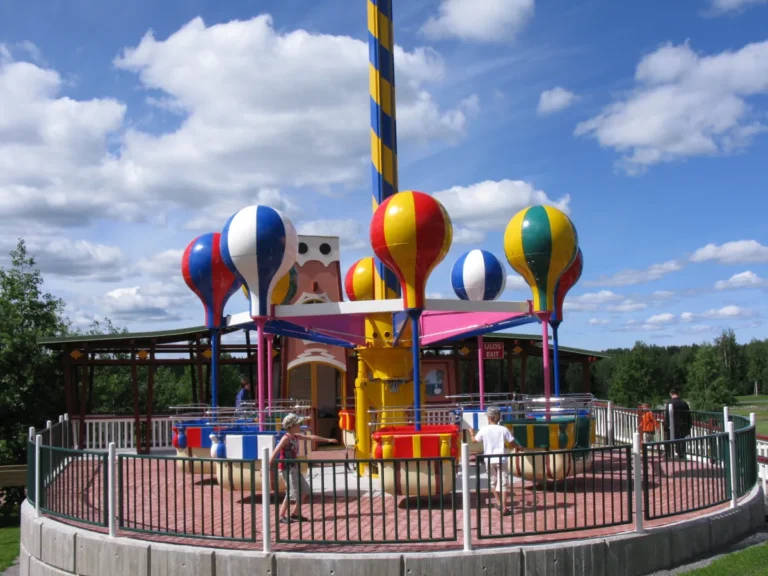
Beyond the rides, there is a steady supply of low-cost and free activities: livestock and horse shows, agricultural exhibits, craft and baking competitions, antique machinery displays, and hands-on areas aimed at younger kids. The conservation and natural-resources buildings tend to be quieter and are a good mid-afternoon reset when children are overheating. Many parents split the day deliberately — barns in the morning, rides after dusk when the heat breaks and the lights come on.
Planning Your Trip Around the Springfield Fairgrounds
Getting There From Across Central Illinois
Springfield sits at the center of Sangamon County, and the fairgrounds are within the city, so most visitors arrive by car on interstates and state routes that converge on the capital. Drive times from surrounding counties are short enough for a day trip, which is why so many families treat the fair as an afternoon rather than an overnight. Arriving before mid-morning and leaving after the evening show avoids the worst of the traffic.
Where to Stay Around Springfield
Because the fair runs for days, hotels in Springfield fill quickly during the peak weekend, and rates climb. Booking well ahead is the single most useful planning move. Alternatives include staying in neighboring communities within easy driving distance, or camping if you are traveling with a trailer or RV. Visitors coming mainly for livestock events often stay multiple nights and treat the fairgrounds as a base rather than a destination.
Parking Without the Headache
Parking is the part of the day people remember for the wrong reasons. Official lots and nearby private lots both operate, and prices vary by lot and by day. The practical advice from regulars is consistent: arrive early, keep a photo of where you parked, and expect a walk. If you are staying nearby, a rideshare or drop-off can be a smarter choice on the busiest nights.
Admission, Ride Wristbands, and Budgeting
Gate admission policies change from year to year, and promotional or free-entry days are common, so it is worth checking the current schedule before you commit to a date. Budget separately for rides — wristband deals and multi-ride tickets are usually the better value for kids — and for grandstand concerts, which are ticketed on top of admission. Food, parking, and games are the other predictable costs. A family that plans ahead can usually spend a full day without surprises.
Weather and What to Wear in August
Late summer in central Illinois means heat, humidity, and the occasional sudden storm. Light clothing, hats, sunscreen, and refillable water bottles are the standard kit. Comfortable shoes matter more than anything else — the grounds are large, and most people walk several miles without noticing. Keep a light rain jacket or poncho in the bag; afternoon storms can move through quickly and the fair keeps going.
A Sample Fair Weekend, Start to Finish
Day one. Arrive mid-morning, park early, and start in the livestock barns while they are still cool. Grab lunch from a local civic-club stand, then spend the early afternoon in the exhibit halls and agricultural buildings. Take a break in the shade, return for the evening free-stage act, and finish with a walk through the midway once the lights are on.
Day two. Sleep in, then come back for a specific event — a livestock show, a horse class, or a grandstand concert you have already bought tickets for. Use the middle of the day for the competitions and demonstrations you skipped, and eat at a stand you did not try the first time. Leave before the final rush.
Day three. If you have the time, spend it on the quieter corners: antique machinery, conservation exhibits, baking and craft displays. This is the day for a slow breakfast in Springfield, a short walk through the grounds, and an unhurried drive home through the county.
How the Sangamon County Fair Compares With Nearby Towns
Compared with the smaller community fairs in towns like Rochester and Chatham, the State Fair is dramatically bigger — more vendors, more stages, more parking pressure, and a broader entertainment lineup. Those local celebrations remain worth attending precisely because they are smaller: you can park near the gate, see everyone you know, and be home before dark.
To the north and east, county fairs in places like Lincoln and Decatur offer a middle ground — genuine agricultural tradition with a shorter walk from the car. What sets the Springfield fair apart is the combination of scale and agriculture: it is the one place in the region where a statewide audience and a working livestock show share the same grounds.
Fair-Day Checklist for Springfield Visitors
Bring cash for small vendors and lot fees, even if most stands take cards. Pack sunscreen, a hat, refillable water, and a light rain layer. Wear broken-in shoes. Screenshot your tickets and your parking location. Charge a backup battery for your phone. Set a meeting point with your group before you split up, because cell service gets sluggish when the grounds are full. Bring a tote for giveaway items and exhibit purchases. And check the day’s schedule in advance so you are not deciding between a livestock show and a concert in the middle of a crowded walkway.
Beyond the Fairgrounds in Sangamon County
The fair is the headline, but Springfield rewards a longer stay. The city’s historic sites, museums, and downtown dining are minutes from the grounds, and the surrounding county offers prairie roads, small-town diners, and farm stands worth a detour. Visitors often build a half-day around the capital’s historic districts and then return to the fair for the evening.
Out in the county, the pace drops immediately. Towns like Rochester, Chatham, and the smaller villages along the old rail corridors have their own local restaurants and summer events. If you are traveling with kids who need a break from crowds, a short drive out of Springfield is the easiest reset available.
Why Springfield Keeps Showing Up Year After Year
Ask people why they come back and the answers rarely mention the concerts. They mention the smell of the barns, the specific stand where they always buy lemonade, the year their kid won a ribbon, the bench where their parents used to sit. The fair functions as a shared reference point for a county that otherwise spreads across 877 square miles of farmland, suburbs, and city blocks.
It is also an economic and cultural anchor. Vendors, exhibitors, and seasonal workers depend on it. Local organizations use it as their biggest fundraiser of the year. And for young people in 4-H and similar programs, it is the stage where months of work gets judged in a few minutes. That combination — commerce, competition, and community — is why the fair has outlasted every prediction that it would fade.
Where the Fair Sits in Sangamon County
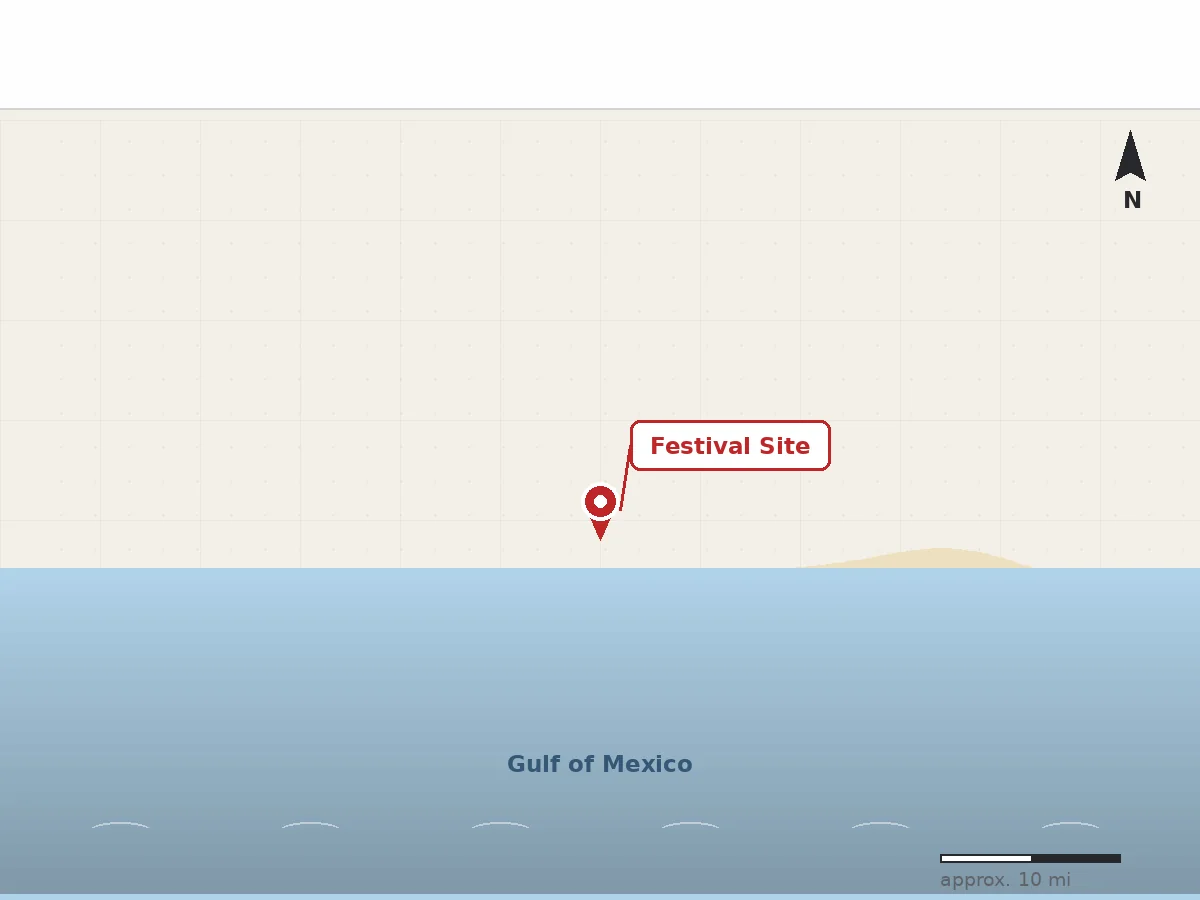
The State Fair grounds are located within Springfield, the county seat of Sangamon County, in the heart of central Illinois.
Straight Answers About the Sangamon County State Fair
When does the fair usually take place?
It is held in late summer, running across multiple days in August. Because the exact window shifts from year to year, check the current schedule before booking hotels or requesting time off. Midweek days are generally calmer than weekends.
Do I need to buy tickets in advance?
For general grounds admission, advance purchase is convenient but not always necessary. Grandstand concerts are a different story — those are ticketed separately and popular shows sell out, so buy early if a specific act is your reason for going. Promotional and free-entry days are also worth checking in advance.
Is the fair good for young children?
Yes, with a little planning. Go early, keep the visit shorter than you think you need to, and prioritize the barns, the free family areas, and the rides in the evening. Strollers work on the main walkways but get difficult in crowds, and the grounds are large enough that comfortable shoes matter for everyone.
How much time should I set aside?
A half day covers the highlights; a full day covers the fair properly. If you are coming for livestock shows, a concert, or a specific competition, plan around that event and treat everything else as a bonus. Many local families visit more than once rather than trying to do it all in a single trip.
What the Next Fair Seasons Could Look Like in Springfield
The fair’s future in Sangamon County looks steady rather than static. Agricultural programming remains the foundation, but expect continued investment in family-friendly areas, more varied food vendors, and entertainment that mixes national acts with local performers. Organizers and county partners also keep working on the practical side — traffic flow, parking, and accessibility — because those are the complaints that show up most often in visitor feedback.
For residents, the bigger question is continuity. As long as farm families keep entering exhibits and Springfield keeps showing up, the fair will keep its place as the county’s late-summer anchor. Anyone planning a trip should treat schedules, admission policies, and concert lineups as year-specific and verify them close to the date.
Last updated: October 2026
Few events in central Illinois manage to be both this large and this familiar. The State Fair in Sangamon County is a statewide production that still behaves like a neighborhood tradition — loud, crowded, a little chaotic, and genuinely worth the walk from the far end of the parking lot.