Ringgold County Iowa Ringgold County Fair Festival
Ringgold County is small — 4,663 people at the 2020 census, spread across 539 square miles of southwest Iowa — and its county fair works at that scale. You will not fight a metro-sized crowd, but you will want a plan. Parking tightens on the biggest nights, food lines peak just before the grandstand program begins, and livestock and static exhibits are judged early in the run. This guide is for the visitor who would rather arrive prepared than improvise: what the Ringgold County Fair is, when it typically happens, and how to shape a smooth weekend around Mount Ayr.
Ringgold County Fair Details Worth Knowing Up Front
| Festival | Ringgold County Fair |
| County | Ringgold County, Iowa |
| County seat | Mount Ayr |
| Population | 4,663 (2020 census) |
| Region | Southwest Iowa |
| Typical timing | A multi-day run in mid-summer, most often July |
| Admission | Generally free to enter the fairgrounds in most years |
| Setting | Rural fairgrounds with livestock barns, exhibit halls, and a grandstand |
| Features | 4-H and FFA exhibits, livestock shows, carnival rides, fair food, grandstand entertainment |
| Organizer | Volunteer county fair board with local 4-H and FFA partners |
The Fair That Anchors a 539-Square-Mile Iowa County
The Ringgold County Fair is the annual county fair for Ringgold County, Iowa, a rural county in the southwest corner of the state whose seat is Mount Ayr. It is a multi-day, mid-summer event, most often falling in July, and it follows the classic Iowa template: 4-H and FFA exhibits, livestock shows in the barns, a carnival midway, concession trailers, and a grandstand that carries the evening program.
Admission to the fairgrounds is typically free, which changes how you budget. Instead of a gate fee, your money goes to food, rides, games, and whatever the grandstand is offering that night. It also means the fair runs largely on volunteer labor and local sponsorship — the reason a county of 4,663 people can still stage a full fair week. Mount Ayr is where most visitors top off the tank, buy groceries, and find a bed if they are staying overnight.

From an 1847 County to a Summer Fair Tradition
Ringgold County was founded on February 24, 1847, and Mount Ayr became its county seat. The fair grew out of the same 19th-century impulse that produced county fairs across Iowa: agricultural societies wanted a place to compare livestock, swap seed and technique, and settle a year’s worth of friendly arguments about whose herd was better.
Through the early decades, fair week was a genuine logistical undertaking. Families traveled in from farms across all 539 square miles of the county, often staying with relatives in town, and the grounds became a temporary village of barns, pens, and exhibit tents. When 4-H clubs and later FFA chapters took hold in the early 20th century, the fair found its enduring backbone — youth exhibitors whose projects gave the week a purpose beyond carnival rides.
For another look at how a community turns its own traditions into a gathering, see the Riley County Kansas Riley County Fair Festival for a useful comparison.
The fair survived the transitions that reshaped rural Iowa: horses to automobiles, steam to electricity, small farms to larger operations. Permanent fairgrounds — barns, an exhibit hall, a grandstand, a track — became one of the county’s few shared civic assets, which is why the fair still reads as a countywide reunion rather than a commercial event.
What a Day at the Ringgold County Fairgrounds Actually Looks Like
The grounds are compact enough to walk end to end in a few minutes, which is a feature, not a flaw. You can see the barns, the exhibit hall, and the midway without a shuttle. What you cannot do is see everything at once, because livestock shows, judging, carnival hours, and grandstand programming all pull in different directions.
Fair Food: What to Eat and When to Queue
The concession row is where most of your spending happens. Expect the standard Iowa fair lineup — grilled meats, corn dogs, funnel cakes, lemonade, ice cream — plus whatever local groups are running as fundraisers. Two timing notes matter. Eat before the grandstand program starts, because lines spike in the half hour before showtime. And if you want the shortest wait, aim for mid-afternoon, when the lunch crowd has cleared and the dinner crowd has not arrived. Bring small bills and a card as backup.
Grandstand Nights, Local Talent, and Evening Programming
The grandstand is the fair’s anchor after dark. Programming varies by year and by night — think demolition derby-style events, tractor pulls, motocross, live music, or a talent showcase — and some nights may carry a separate ticket while others are included with grounds admission. Because the lineup changes season to season, check the current schedule before committing to a night. If you are traveling for one specific event, arrive early; seating fills from the front.
Family Activities, Livestock Barns, and 4-H Exhibits
Families with young children usually settle between the midway and the barns. Carnival rides and games run through the day and into the evening, with wristband promotions sometimes offered during slower hours. The livestock barns are free to walk through and are often the best part of the fair for kids, since exhibitors are generally happy to answer questions about their animals. The exhibit hall holds static entries: baking, canning, photography, flowers, crafts, and school art. Judging happens early in the fair, so come on the first day or two if you want to see ribbons on the projects themselves.
Planning a Ringgold County Fair Trip from Any Direction
Getting to southwest Iowa is straightforward as long as you plan fuel and food around small-town distances. Five things are worth sorting before you leave.
Getting to Mount Ayr and the Fairgrounds
Mount Ayr is the county seat and the main crossroads for visitors. Most travelers reach the area on state highways that link Ringgold County to larger regional hubs, with a final approach on two-lane rural roads. Plan on longer drive times than a map app suggests — you will slow for small towns, farm equipment, and grain trucks. If you are coming from out of state, fill the tank before the last stretch, because gas stations thin out quickly outside town.
Where to Stay in and Around Ringgold County
Lodging across 539 square miles is limited, so book early if you are staying overnight. Options typically fall into three buckets: a small hotel or motel in or near Mount Ayr, a guest cabin or bed-and-breakfast in the surrounding countryside, and larger chain hotels in nearby regional towns within an easy drive. Campers do well at area campgrounds and RV parks, which fill fast during fair week. On a busy summer weekend, reserve weeks ahead rather than days.
Parking Without Circling the Block
Fairground parking is usually a mix of on-site lots and volunteer-directed grass parking, with a small suggested donation common at Iowa fairs. Arrive at least 30 minutes before a grandstand event, and earlier on Friday or Saturday night. Follow volunteer directions rather than parking on a rural shoulder — they are narrow and enforcement varies. Note where you parked; after dark, grass lots look identical.
Admission, Spending Money, and What Things Cost
Grounds admission is generally free in most years, which keeps the fair inexpensive as long as you keep the midway in check. Realistic costs are food, ride tickets or wristbands, games, and any separately ticketed grandstand show. Bring a mix of cash and card, plus a little extra for 4-H and FFA fundraisers, raffles, and the livestock auction. Set a per-child budget before you walk through the gate and the midway stops being a negotiation.
Southwest Iowa Weather: Heat, Humidity, and Storms
Mid-summer in southwest Iowa means heat, humidity, and a real chance of an afternoon thunderstorm. Days often climb well into the 80s and 90s, and the grounds offer limited shade, so hats, water bottles, and sunscreen are not optional. Evenings cool off nicely. Watch the radar if you are driving in from a distance, and expect outdoor programming to be delayed or moved when storms roll through. Wear shoes you do not mind getting muddy.
A Sample Weekend Built Around the Ringgold County Fair
Friday afternoon: Arrive in Mount Ayr early enough to check in, fuel up, and buy snacks. Head to the fairgrounds mid-afternoon while concession lines are short. Walk the barns and exhibit hall first, then let the kids loose on the midway before the dinner rush.
Friday evening: Eat before the grandstand program, claim seats early, and stay for the full show. Afterward, drive back into town rather than waiting out the parking lot.
Saturday morning: Return for livestock shows and youth judging, usually the most genuine slice of fair life and the best window for photos and conversations with exhibitors.
Saturday afternoon: Slow down. Revisit the exhibit hall now that ribbons and results are posted, and take a second pass at any food stand you skipped.
Saturday evening: The busiest night. Arrive early, park where a volunteer points you, and expect longer lines everywhere. With young children, consider leaving before the final grandstand act to avoid the exit crunch.
Sunday: Many fairs wind down on a shorter schedule. Come for a relaxed final walk, one last funnel cake, and the drive home before dark.
Ringgold County Fair vs. Nearby Southwest Iowa County Fairs
Ringgold County is one of several small Iowa counties within roughly an hour of each other, and each runs its own fair. The comparison is useful if you are deciding where to spend a summer weekend. Union County, with Creston as its largest town, generally supports a larger fair with more commercial vendors and a busier midway. Decatur County, centered on Leon, and Taylor County, centered on Bedford, run fairs closer in scale to Ringgold’s — smaller crowds, easier parking, and a strong youth-exhibitor focus. Clarke County, around Osceola, sits nearer the interstate and is easier to reach from Des Moines.
Ringgold’s advantage is intimacy. You can absorb the whole fair in an afternoon and will likely run into the same people twice. If you want a sprawling midway and a packed grandstand, drive to a larger county. If you want a fair you can actually take in, stay in Ringgold.
Ringgold County Fair Packing and Prep Checklist
| Sunscreen, hat, refillable water bottle | Limited shade and long afternoons outdoors |
| Cash in small bills | Some concession and fundraiser stands are cash-first |
| Comfortable closed-toe shoes | Barn aisles and grass lots get dusty or muddy |
| Light rain jacket | Mid-summer storms build quickly |
| Lawn chairs or a blanket | Grandstand seating fills early |
| A downloaded or printed schedule | Programming changes by year and by night |
| Bug spray | Evening hours near livestock barns |
| Phone battery pack | Long days, lots of photos, few outlets |
| Small cooler for the car | Drinks for the drive home |
| Patience for parking | Volunteer-directed lots move in waves |
Beyond the Fairgrounds: Mount Ayr and the Rest of Ringgold County
Ringgold County is quiet, rural, and genuinely pretty in summer, and the fair is a good excuse to see more of it than the fairgrounds. Mount Ayr, the county seat, is the place to spend an hour between fair sessions — it holds the county’s main concentration of shops, restaurants, and services, and it makes a sensible base for a weekend. Walk the downtown area, eat a meal away from the midway, and pick up anything you forgot.
Outside town, the county’s 539 square miles are mostly farmland and rolling countryside, with gravel roads that reward a slow drive. Southwest Iowa has a strong tradition of small-town parks, local lakes, and county conservation areas, and a county conservation office is the best starting point for finding a trail, a fishing spot, or a picnic shelter. If you are making a longer trip, pair the fair with a Sunday drive into a neighboring county — the towns here sit close together.
What the Fair Means to a County of 4,663 People
For a county with 4,663 residents spread across 539 square miles, the fair is one of the few events that brings everyone to the same place at the same time. It is a reunion, a marketplace, a youth showcase, and a civic fundraiser rolled into a single week.
The 4-H and FFA programs matter most here. For many Ringgold County kids, the fair is the first time they present work to a judge, handle an animal in front of a crowd, or manage a budget for a project — skills that outlast any ribbon. The fair is also an economic anchor: concession stands run by churches, booster clubs, and service organizations turn fair week into a fundraising season, and local businesses get a visible bump. For families who have moved away, it is often the reason for a summer trip home.
Where Ringgold County Sits on the Southwest Iowa Map
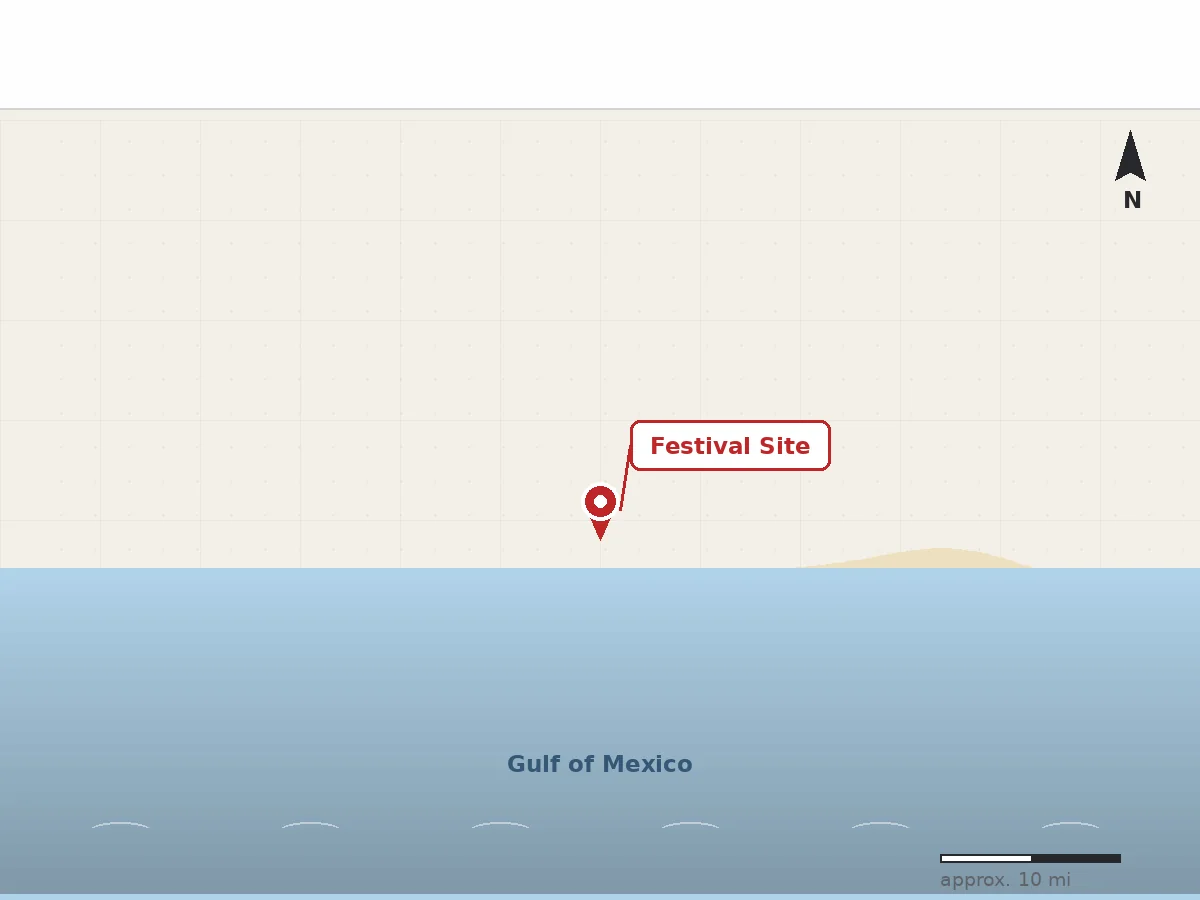
Ringgold County lies in southwest Iowa, with Mount Ayr as its county seat and the fairgrounds serving the surrounding county area.
Ringgold County Fair Questions Worth Settling Before You Drive
Is there an admission charge at the Ringgold County Fair?
Grounds admission is typically free in most years, so you can walk in, see the barns, browse the exhibit hall, and enjoy the atmosphere without a gate fee. Your costs come from food, carnival rides and games, and any grandstand event carrying a separate ticket. Budget accordingly and carry some cash.
How long does the Ringgold County Fair typically run?
Most Iowa county fairs run several consecutive days, usually spanning a weekend in mid-summer. Ringgold County’s fair follows that pattern, with livestock shows and static exhibits judged early in the run and grandstand programming in the evenings. Confirm the current year’s schedule before planning travel around one specific night.
Which night is best for a first visit?
Friday and Saturday evenings draw the biggest crowds and the fullest grandstand, which is great for atmosphere and less great for parking. For a calmer introduction, come on a weekday afternoon, when the barns are active, midway lines are short, and exhibitors have time to talk. Families with young children often prefer that window.
Can I bring my own food and drinks?
Policies vary by year and by fairground, and many county fairs allow coolers in the parking area but not on the grounds. Plan to buy at least some food on site — it is part of the experience and it supports local organizations. Check current fair information if you have dietary needs or specific questions.
What the Next Few Ringgold County Fair Seasons Likely Hold
County fairs in Iowa are stable institutions, but they are not static. Expect the coming Ringgold County Fair seasons to lean harder on what works in a small county: youth livestock and static exhibits, locally organized fundraisers, and grandstand events that can fill a modest grandstand without overspending.
Two trends are worth watching. Scheduling, because as summer calendars crowd up, fairs compete for the same weekends — checking dates early matters more than it used to. And digital access, since schedules, results, and vendor lists increasingly live online, which makes planning easier for visitors driving in from outside the county. Whatever shifts, the core is unlikely to move.
Last updated: October 2026
If you are planning a summer weekend in southwest Iowa, put the Ringgold County Fair on the calendar and treat Mount Ayr as your base. Check the current schedule, book lodging early, arrive before the dinner rush, and leave room for a second pass through the barns. Small county fairs reward the people who slow down.