Union Parish Louisiana Union Parish Fair Festival
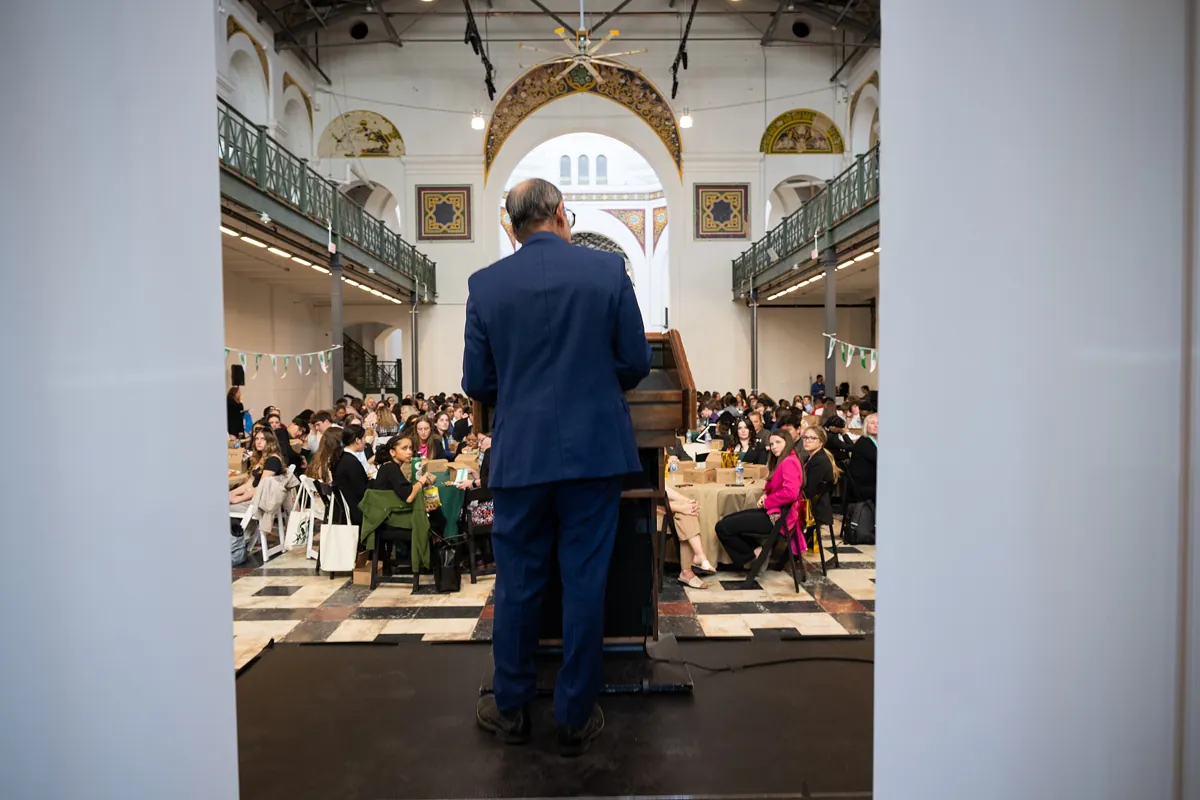
Autumn in Union Parish means cool mornings, football on the radio, and a few days when the whole parish seems to gather in one place. The Union Parish Fair is that gathering: a homegrown, volunteer-driven event in the Union Parish area that mixes exhibition halls, livestock, fair food, and live entertainment with the easy conversation of a place where neighbors still know each other’s names.
This guide is written for the visitor who has never been — the family driving up from Monroe, the grandparent coming in from out of state, the traveler who saw a sign on the highway and wondered. Below you’ll find what the fair is, how it fits into a parish founded in 1839, how to plan a weekend around it, and what to do in Union Parish when the gates close for the night.
Union Parish Fair Basics: Farmerville, Louisiana by the Numbers
| Festival | Union Parish Fair |
| Town / area | Union Parish area, centered on Farmerville |
| County and county seat | Union Parish, Louisiana / Farmerville |
| Population | 21,107 (2020 census) |
| Land area | 905 square miles |
| Region | North Louisiana |
| Typical timing | Fall season, usually on a weekend |
| Admission | Typically free; rides, games, and food priced separately |
| Setting and features | Outdoor fairgrounds with exhibits, livestock, midway rides, food stands, and entertainment |
| Organizer | Local volunteers and parish community groups |
What the Union Parish Fair Is, in Plain Terms
The Union Parish Fair is a classic Louisiana parish fair: part agricultural showcase, part community reunion, part small-town carnival. It belongs to the Union Parish area rather than to a single neighborhood, and Farmerville — the parish seat — is the natural anchor for visitors figuring out where to point the car.
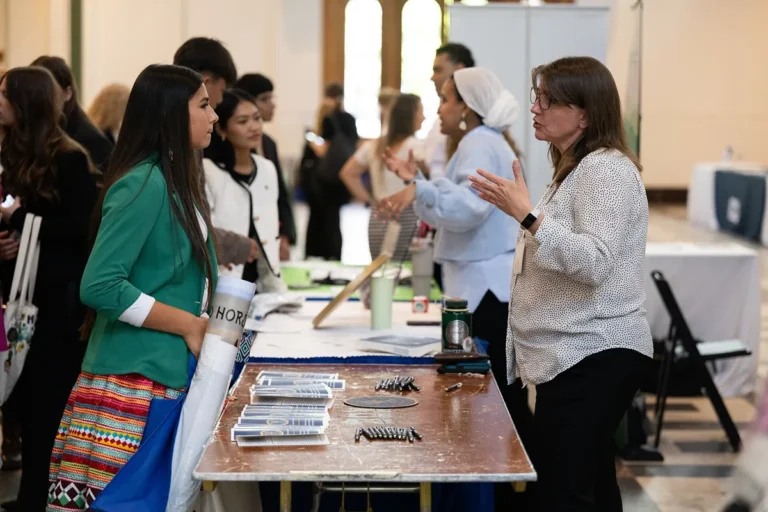
Union Parish covers 905 square miles of north Louisiana, with a 2020 census population of 21,107. That scale matters. This is not a metro festival with corporate sponsors and gates that swallow thousands at a time. It is the kind of fair where the exhibits are entered by people you might see at the hardware store the following week, where the parking lot is a grass field, and where the schedule is built around families rather than headliners.
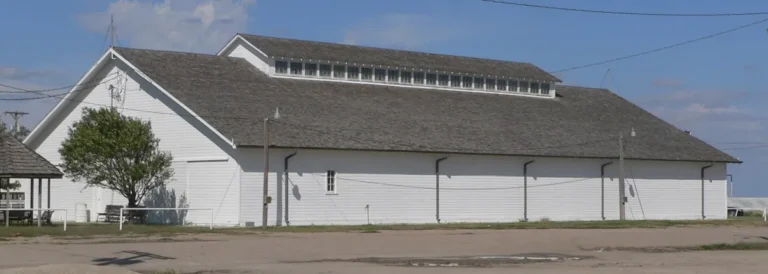
Expect the familiar parish-fair furniture: an exhibition hall full of entries, pens and stalls, midway rides, food trailers, and a stage or open area for entertainment. Admission is typically free, with individual rides, games, and some activities priced separately, so a family can spend an afternoon there without committing to a large ticket price.
How a 905-Square-Mile Parish Built Its Own Fair
Union Parish was founded in 1839, carved out of the piney hills and river bottoms of north Louisiana, with Farmerville established as the seat of government. For most of its history the parish economy has rested on timber, agriculture, and the small towns that grew up around both — the exact ingredients that produced the parish fair tradition across rural Louisiana.
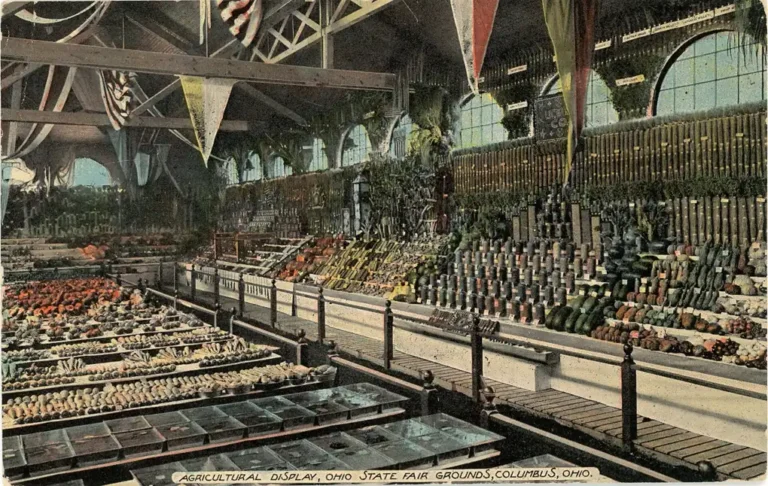
Fairs of this kind grew out of a practical need. Farmers wanted a place to compare crops, livestock, and methods. Families wanted a reason to come to town. Merchants wanted a few busy days. What began as agricultural exhibition gradually added the pieces that make a fair feel like a fair: judging categories for preserves, baked goods, needlework, and produce; youth livestock shows; carnival rides; and evening entertainment.
The Union Parish Fair carries that inheritance into the present. Specific attractions rotate from year to year, but the shape of the event — exhibits, animals, food, music, and community — has stayed remarkably consistent. It is less a production than a habit, passed down through generations of the same families who enter the same categories their parents entered.
On the Ground: A Day at the Union Parish Fair
A fair day in Union Parish tends to follow a rhythm: slow mornings, busy late afternoons, and a crowd that peaks after supper. Here is what to expect from the three things visitors ask about most.
Fair Food and Parish Cooking
Food is where a parish fair quietly outshines bigger events. Expect the familiar midway lineup — corn dogs, funnel cakes, nachos, cold drinks — alongside local cooking: smoked meats, plate lunches, gumbo or jambalaya when the weather turns cool, homemade pies and cakes, and church-group stands that have been fundraising the same way for decades. Portions are generous, prices are usually modest, and lines move fastest in the early evening before the dinner rush. Bring cash for the smaller stands even if the bigger vendors take cards.
Music, Stages, and Evening Entertainment
Entertainment at a fair this size is deliberately broad. Expect local and regional bands, country and gospel acts, school groups, and dance troupes — a program that gives a Friday or Saturday night a soundtrack without turning the fairgrounds into a concert venue. Seating is often informal, so bring a folding chair if you plan to settle in, and note that the music usually builds toward the evening hours when the rides are lit and the crowd is thickest.
Family Activities and Kid-Friendly Contests
This is a fair built around children as much as anyone. Expect rides and games on the midway, livestock shows and chances to get close to animals, exhibition entries from local students, and contests that let kids show off everything from animals to crafts. Youth competitions and pageants are common fixtures at parish fairs in this part of Louisiana. Strollers handle the grounds well in dry weather; after a rain, expect grass and gravel to be soft.
Planning a Union Parish Fair Weekend from Out of Town
Most visitors come for an afternoon or an evening, but the fair rewards a full weekend if you’re driving in. Here is how to think about logistics.
Getting to Farmerville and the Fairgrounds
Farmerville sits in Union Parish in north Louisiana, and the practical approach for most out-of-town visitors is by car. Highways through the parish connect the seat to surrounding communities, and once you’re in the Farmerville area, fair signage and local traffic usually make the grounds easy to find. Fuel up before you arrive — rural stretches between towns can be long.
Where to Stay Around Union Parish
Lodging in the immediate Union Parish area is limited, so many fairgoers base themselves in nearby larger towns and drive in for the day. Options include chain motels along the interstate corridors, independent inns and cabins near the area’s lakes, and short-term rentals scattered through the parish. Book early if your visit lands on a busy fall weekend.
Parking and Arrival Timing
Fair parking is typically on or beside the grounds, often in grass fields with volunteers directing traffic. Arrive before the dinner hour for the easiest spot, or come late and accept a longer walk. If rain has fallen recently, wear shoes you don’t mind getting muddy and consider carpooling to ease congestion at the entrance.
Admission, Costs, and Cash
Admission to the Union Parish Fair is typically free, which makes it an easy outing for a large family. Budget instead for food, rides, games, and any craft or exhibit purchases. Smaller vendors and church stands may be cash-only, so carry some bills even in an era of card readers and phone payments.
Union Parish Weather and What to Pack
Fair season in this part of Louisiana can be warm and humid by day and noticeably cool after dark. Pack layers, sunscreen, insect repellent, and a light rain jacket. Comfortable closed-toe shoes are the single best decision you’ll make, especially if you plan to walk the livestock barns or the far end of the parking field.
A Sample Weekend at the Union Parish Fair
Friday afternoon: arrive in the Farmerville area early enough to check in and drive the route to the grounds once. Head over in the late afternoon, walk the exhibition hall while it’s still quiet, and eat dinner from the stands before the evening crowd builds. Stay for the music, then leave before the parking field empties all at once.
Saturday morning: sleep in, then spend the late morning exploring the parish — a country breakfast, a drive through the surrounding countryside, a stop at a local shop or two. Saturday afternoon is the fair at its fullest: livestock shows, contests, midway rides, and exhibits. This is the day to try the food you skipped on Friday.
Saturday evening: the busiest hours. Claim a seat for the entertainment early, eat while the lines are short, and let the kids burn off energy on the rides before the lights come on.
Sunday: a slower, gentler version of the fair, good for families with young children and for anyone who wants a last look at the exhibits. Vendors sell through remaining food, the atmosphere is relaxed, and the drive home through Union Parish backroads beats the highway.
How the Union Parish Fair Compares to Nearby Towns
Union Parish sits in a part of Louisiana where nearly every town has something on the calendar. Farmerville’s fair is smaller and more agricultural than the events you’ll find in Monroe, the larger city to the south, where festivals lean toward concerts, food trucks, and bigger crowds. It is also a different experience from Ruston, a college town in neighboring Lincoln Parish, where the calendar tilts toward university life and its own seasonal celebrations.
What sets the Union Parish Fair apart is scale and intimacy. You can walk the whole grounds in an afternoon, see people you know, and still find enough food, music, and rides to fill an evening. For travelers weighing north Louisiana weekend options, this is the version that feels least like a production and most like a place.
Union Parish Fair Checklist: What to Bring and Confirm
Before you drive out, run through this list: confirm the season’s dates and hours through local Union Parish sources, since the fair is scheduled by organizers rather than fixed to a calendar; check the forecast for the Farmerville area and pack accordingly; fill the tank; bring cash for smaller vendors; charge phones and pack a battery; bring folding chairs or a blanket if you plan to sit for entertainment; wear closed-toe shoes; pack sunscreen and insect repellent; keep a cooler in the car for food or produce you buy; and save the drive home for daylight if you’re unfamiliar with the parish’s rural roads.
Beyond the Fairgrounds: Union Parish the Rest of the Year
The fair is a good excuse to see a parish most travelers pass through without stopping. Farmerville, the seat of government since the parish was founded in 1839, is a small, walkable town with the unhurried pace typical of north Louisiana. The surrounding 905 square miles mix pine forest, farmland, and water, with lakes and bayous that draw anglers, boaters, and birders through spring and summer.
Outdoor recreation is the parish’s quiet strength. Fishing, hunting, paddling, and wildlife watching are all part of local life, and the area’s waterways make a fair weekend easy to extend by a day. Add small-town restaurants and the region’s barbecue and country cooking, and there is more here than a single fairgrounds visit suggests.
What the Union Parish Fair Means to Farmerville and the Parish
With a population of 21,107 spread across 905 square miles, Union Parish has no single dense center where everyone crosses paths by accident. The fair solves that problem. It is where youth agricultural projects get judged, where grandparents watch grandchildren show an animal, where local businesses sponsor a class or a booth, and where people who moved away come back for a weekend.
It matters economically in a modest, steady way too. Fair week brings visitors into Farmerville and the surrounding area, filling restaurant tables, motel rooms, and gas stations. But the deeper value is social: the fair keeps a rural parish’s calendar anchored to a shared date, and that continuity is harder to replace than any single attraction.
Where the Union Parish Fair Sits in North Louisiana
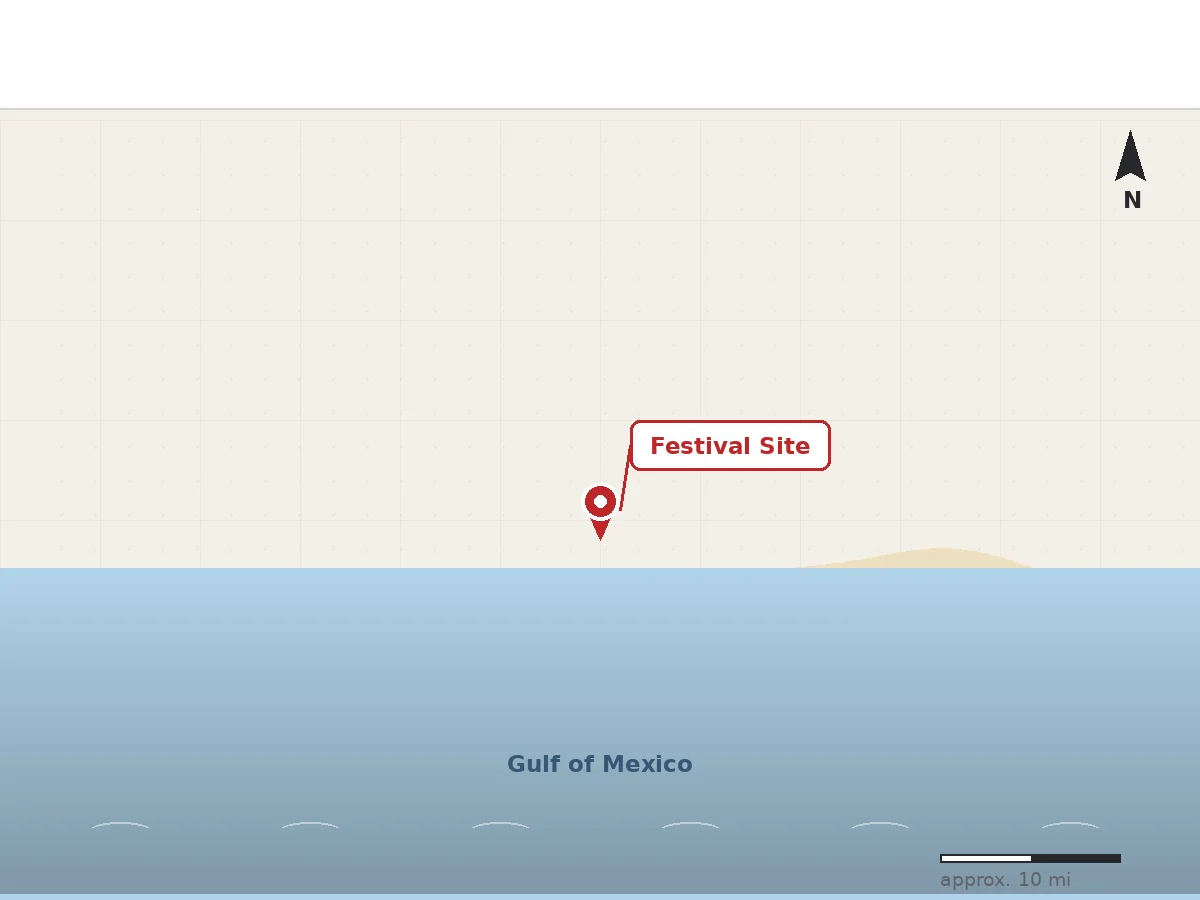
The Union Parish Fair takes place in the Union Parish area of north Louisiana, with Farmerville — the parish seat — as the practical landmark for visitors arriving from surrounding towns.
Answers for First-Time Union Parish Fair Visitors
Is the Union Parish Fair free to attend?
Admission is typically free, which is one reason the fair works so well for families. Individual rides, games, food, and some activities cost extra, and smaller vendors may prefer cash, so plan a budget for spending on the grounds rather than for a ticket at the gate.
When is the Union Parish Fair usually held?
The fair is generally a fall event, held on a weekend in most years. Because the schedule is set by local organizers rather than fixed to the same dates annually, confirm the current season’s timing through Union Parish community sources before you make travel plans.
Is the fair a good fit for young children and older visitors?
Yes. Parish fairs in this part of Louisiana are built for mixed-age crowds, with midway rides and contests for kids, seating and shaded areas for older visitors, and a pace that allows plenty of breaks. Mornings and early afternoons tend to be easiest for anyone who prefers smaller crowds.
How do I confirm details before I drive in?
Check local Union Parish listings and community announcements in the weeks before your visit for the current schedule, hours, and any changes. Weather can shift outdoor programming, so a quick look the day before — and again the morning of — will save you a wasted trip.
The Next Chapter for the Union Parish Fair
Parish fairs survive by adapting. In Union Parish, that means balancing tradition with the practical realities of running a volunteer event in a rural area: keeping exhibit categories relevant, drawing younger families onto the grounds, and maintaining the facilities that make a fair possible.
The fair’s future is likely to look a lot like its past — a fall weekend, free admission, livestock and exhibits at the center, food and music around the edges. What will keep it going is the same thing that started it: local people willing to enter a pie, sponsor a class, park cars in a field, or simply show up with their kids on a Saturday afternoon.
Last updated: October 2026
If you have never been to the Union Parish Fair, the best approach is simple: pick a fall weekend, drive to Farmerville, park in the field, and follow the smell of fried food and the sound of the announcer. Bring cash, wear good shoes, and leave room in the evening for one more plate and one more song before the lights go out on another parish fair in north Louisiana.