Pocahontas County Iowa 4-H & FFA Fair Festival
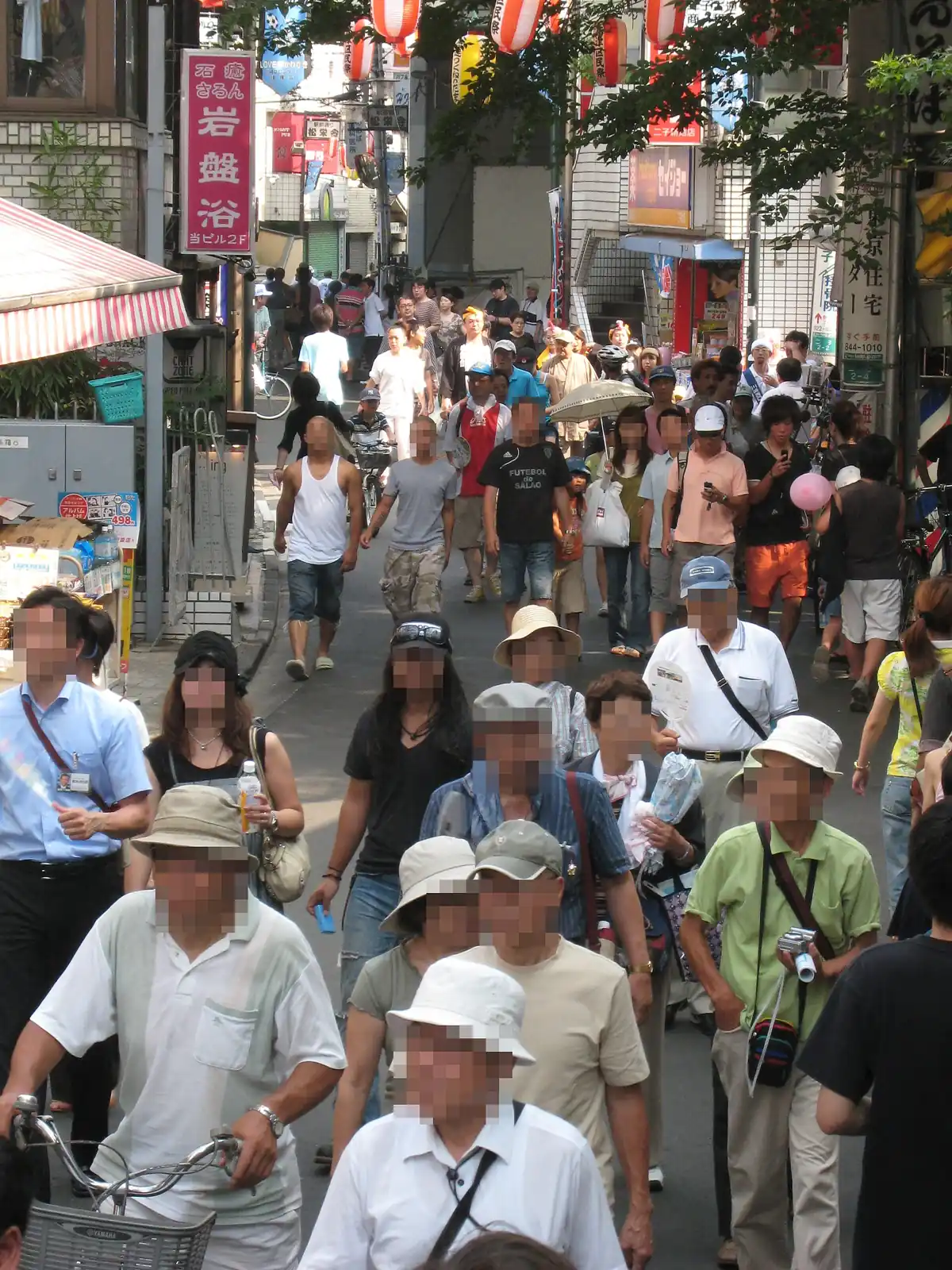
Pocahontas County spreads across 578.657 square miles of northwest Iowa farmland, and for a few days each summer a good share of that county’s energy funnels into one place: the Pocahontas County 4-H & FFA Fair. If you have never been, the first thing to understand is that this is a youth fair before it is anything else. The exhibitors are kids. The animals were raised by kids. The pie on the table was baked by someone who is probably still in high school.
The second thing to understand is scale. With 7,078 residents counted in the 2020 census, this is not a metro-sized production, and that is exactly the appeal. You can park, walk the grounds, watch a show, eat something fried, and still be back at your car before the mosquitoes find you. This is a first-timer’s orientation: what the fair is, how the days usually flow, and how to plan a weekend around it without guessing.
Pocahontas County 4-H & FFA Fair Basics Before You Drive Over
| Town / area | The Pocahontas County area, northwest Iowa |
| County | Pocahontas County, Iowa |
| County seat | Pocahontas |
| Population | 7,078 (2020 census) |
| Region | Northwest Iowa |
| Typical timing | A summer weekend, most often in July |
| Admission | Typically free to enter the grounds; optional activities may carry a small charge |
| Setting | Rural county fairgrounds ringed by farm country |
| Features | Livestock shows, static exhibits, food stands, family entertainment |
| Organizer | Pocahontas County 4-H and FFA members, families and volunteers |
What the Pocahontas County 4-H & FFA Fair Actually Is
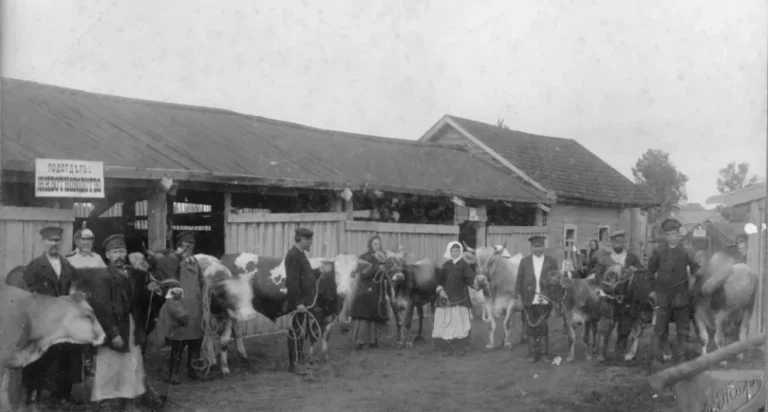
The fair is the annual public showcase for 4-H members and FFA chapters from across Pocahontas County — Pocahontas itself, Laurens, Rolfe, Fonda, Gilmore City, Palmer and the farmsteads in between. Members bring projects they have worked on for months: market beef, swine, sheep and goats, poultry and rabbits, alongside static exhibits such as photography, woodworking, sewing, gardening and baking. Ribbons are earned, not given.
Judging happens in show rings and in exhibit halls, with showmanship contests and quiet conversations between young exhibitors and adult judges who often grew up doing the same thing. A livestock sale usually caps the run, when local businesses and families bid on the animals. Evenings bring entertainment, food stands run by community groups, and bleachers full of neighbors who came out to watch someone they know.
From 1851 Boundaries to a Summer Fair in Pocahontas County
Pocahontas County was created on January 15, 1851, and organized on May 11, 1859, with Pocahontas as the county seat. Those dates mark the beginning of the county’s civic life, and the fair grew out of the same impulse: farm families needing a fixed point on the calendar to compare notes, show off work, and see each other after a long season in the fields.
For another look at how a community turns its own traditions into a gathering, see the Plymouth County Iowa Plymouth County Fair Festival for a useful comparison.
Youth organizations reshaped the event over time. 4-H clubs took hold across Iowa in the early twentieth century, and FFA chapters arrived after 1928, giving young people a structured reason to raise an animal or finish a project and then stand behind it in front of a judge. What had been a general agricultural gathering gradually became a youth fair with a community wrapped around it.
The fair has shifted location, weathered lean years and rebuilt itself more than once, but the shape has stayed steady: young people exhibit, judges evaluate, the community gathers, and a sale closes things out. Today’s version serves a county of 7,078 people, and it still runs on the same volunteer arithmetic as always.
Inside the Gates: What a First-Timer Notices First
Food Stands and the County Fair Menu
Expect the classics, cooked by people who have been doing it for years: pork burgers, walking tacos, corn dogs, funnel cakes, homemade pie and ice cream. Stands are usually run by churches, booster clubs and 4-H groups, which means the money tends to stay close to home. Bring cash and small bills; lines move fastest right after a show lets out.
Music, Entertainment and Evening Programming
Evenings draw the biggest crowds. Think local bands, talent showcases and grandstand-style events rather than a national touring act — the appeal here is watching a neighbor’s kid nail a solo or a tractor pull. Seating fills early for the marquee events, so claim a spot before you eat.
Family Activities Beyond the Show Ring
Between shows there is plenty for younger children: games, pedal tractor pulls, barn visits and hands-on activities tied to the exhibits. The static exhibit hall is a good air-conditioned break and a surprisingly absorbing walk — you will see photography, quilts and woodworking from kids you just watched in the ring. Wash hands after any barn time.
Planning a Trip to Pocahontas County for Fair Weekend
Getting There from Around Northwest Iowa
Pocahontas sits near the middle of the county, and the fairgrounds are reached by paved roads from every direction. Almost everyone drives. From elsewhere in the county, the trip is short — fifteen or twenty minutes from Laurens, Rolfe or Gilmore City in most cases. From outside the county, plan on a rural highway drive with few stops, and fill your tank before you get close.
Where to Stay Around Pocahontas County
Lodging is limited in a county this size. Options generally come down to small local motels, a handful of guest rentals, and larger hotel clusters in regional centers within driving distance. Many fair families simply stay with relatives, and a fair weekend is one of the few times the county’s guest rooms genuinely fill. Book well ahead if you are coming from out of the area.
Parking at the Fairgrounds
Parking is typically on or immediately adjacent to the grounds, often on grass, with volunteers pointing cars into rows. It is rarely complicated, but it does get tight during evening events and on sale day. Arriving an hour before a headline event buys you a short walk instead of a long one.
Admission and What a Day Actually Costs
Admission to the grounds is typically free, which is part of the charm — you can wander in, watch a class of lambs get judged, and leave without spending a dollar. Your money goes instead to food, raffle tickets, the livestock sale and any rides or activities on site. Cash remains the most useful thing in your pocket.
July Weather and What to Wear
Late July in northwest Iowa means heat, humidity and a real chance of an afternoon thunderstorm. Mornings are pleasant; midday is not. Bring sunscreen, a refillable water bottle and closed-toe shoes for the barns, plus a light layer for cool evenings. If a storm rolls in, head for the exhibit hall or your vehicle and wait it out.
A Sample Fair Weekend for a First-Time Visitor
Day One: Barns, Exhibit Hall and an Easy Dinner
Arrive mid-afternoon, park, and walk the grounds once without a plan. Stop in the barns while animals are being washed and fitted, then spend an hour in the static exhibit hall. Eat an early supper from a food stand before the evening crowd arrives, and stay for whatever is happening after dark.
Day Two: Livestock Shows and the Evening Crowd
Get there by mid-morning for the main livestock classes. Showmanship is the part first-timers remember, because it rewards poise as much as the animal. Afternoon is for the smaller species and static judging results. Come back for the evening program, but arrive early enough to park without circling.
Day Three: Sale Morning and a Slow Drive Home
The livestock sale is the emotional finish. Buyers are neighbors and local businesses, and the bidding has weight behind it. Watch a few lots even if you are not buying. Afterward, take the long way home on a gravel road through the county — it is the best possible ending to a fair weekend.
How the Pocahontas County Fair Compares Nearby
The closest comparison is scale. The Clay County Fair in Spencer is a regional institution held in early autumn, with national entertainment and crowds measured in the tens of thousands. Buena Vista County’s fair, near Storm Lake, sits closer to Pocahontas County’s size but still draws from a larger population base. The Humboldt County Fair, a short drive east, offers a similar county-scale experience.
Then there is the Iowa State Fair, the giant in Des Moines, where every county sends its best. Pocahontas County’s fair is the opposite end of that spectrum: small enough that you will recognize faces by your second day, and personal enough that exhibitors know their judges. If you want spectacle, go bigger. If you want to actually see what 4-H and FFA do, stay here.
Packing and Prep Checklist for Pocahontas County Fair Weekend
Before you leave: confirm the current year’s schedule through the local newspaper or the county’s 4-H and FFA channels, since fair dates shift; check the forecast; and charge your phone. In the bag: cash in small bills, sunscreen, hats, refillable water bottles, insect repellent, a light rain jacket, closed-toe shoes, a sweatshirt for evenings, and a foldable chair if you plan to sit through long shows.
For families: wipes, hand sanitizer, a change of clothes for small kids, and a stroller that handles grass. For photographers: a zoom lens for the ring and a wide one for the midway. Leave the glass containers and the dog at home, and remember that animals in the barns are someone’s year-long project.
Beyond the Fairgrounds in Pocahontas County
Give yourself an extra half day. The county seat of Pocahontas has a courthouse square and a compact downtown worth a slow walk, with the kind of storefronts that reward browsing rather than rushing. County conservation areas and roadside prairie remnants offer short walks, and the farm landscape itself — 578.657 square miles of it — is the real scenery here.
Within an hour or so you can reach larger regional draws: Storm Lake to the west for lakeside dining, or the Iowa Great Lakes region to the northwest if you are extending the trip. Nearby county fairs run on their own summer schedules, so a fair-hopping weekend is entirely possible if you plan the drives in advance.
What the Fair Means to a 7,078-Person County
In a county with 7,078 residents, institutions survive on volunteers. The fair is a chain of them: parents hauling trailers, grandparents working the gates, businesses buying auction animals, alumni judging classes they once competed in. The livestock sale moves real money into the hands of young exhibitors, and much of it goes into savings, college funds or next year’s project.
The less measurable value is the skills. A teenager who has to keep records, meet a deadline, speak to a judge and handle a 1,200-pound animal learns something no classroom delivers. That is why the fair outlasts trends, and why people who moved away decades ago still circle the dates.
Where the Fairgrounds Sit in Pocahontas County
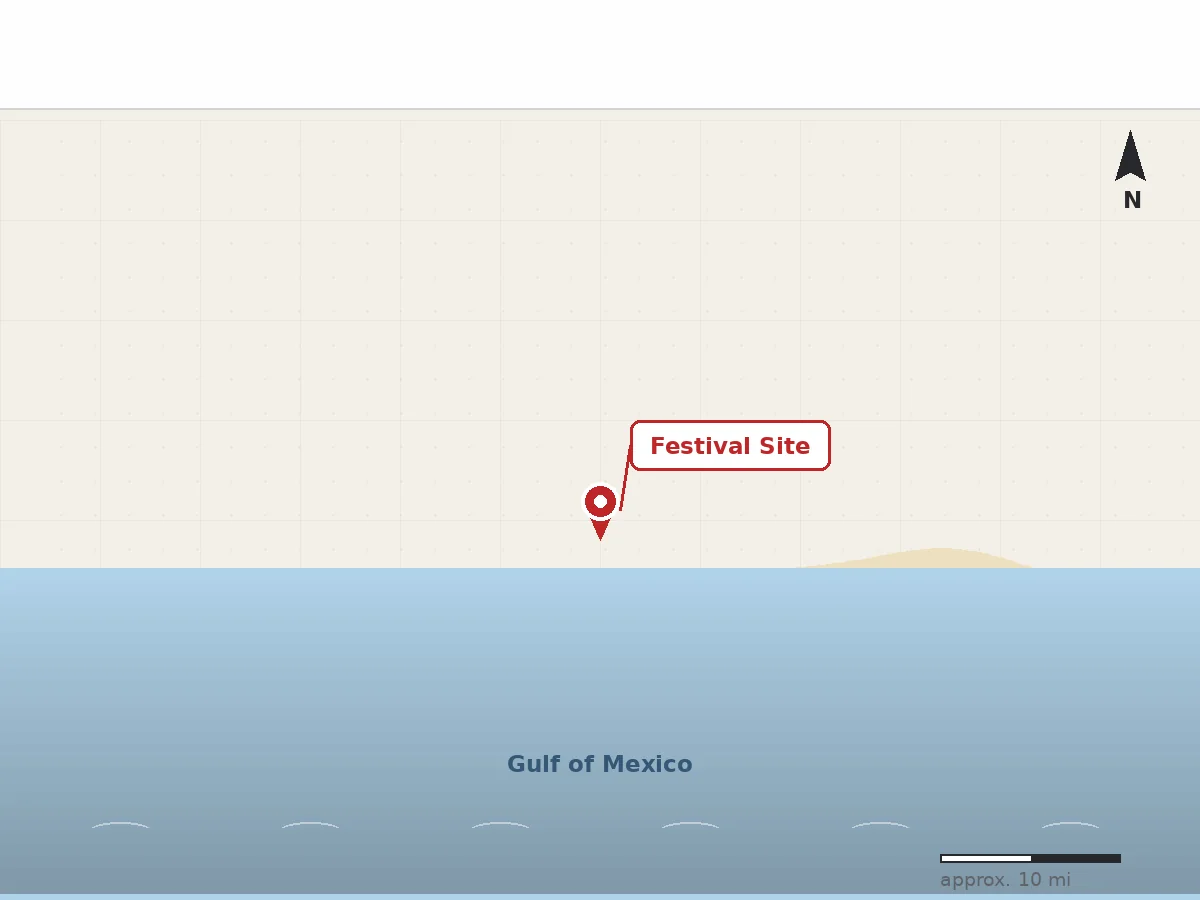
The Pocahontas County 4-H & FFA Fair takes place at the county fairgrounds in the Pocahontas area, in the heart of Pocahontas County in northwest Iowa.
First-Timer Questions About the Pocahontas County 4-H & FFA Fair
Do I need tickets in advance?
Generally no. Entry to the grounds is typically free, and you simply walk in. Individual activities, food and merchandise are paid for on site, so bring cash. If any special event has a separate charge, that detail is usually publicized locally in the weeks before the fair.
Is the fair only interesting if I know a 4-H member?
Not at all. Knowing an exhibitor makes it better, but a first-time visitor can enjoy the livestock shows, walk the exhibit hall, eat well and watch the evening program without a personal connection. Ask questions — exhibitors and volunteers are generally happy to explain what is happening and why a judge placed a class a certain way.
Can I bring young children and a stroller?
Yes, and it is a common sight. A stroller with larger wheels handles grass and gravel better than a compact one. Keep an eye on little hands around animals, teach kids to ask before touching, and use hand sanitizer after barn visits. Shade is limited, so plan around the hottest part of the afternoon.
How do I find out what is happening each day?
Fair schedules are published locally rather than nationally, so check the county newspaper and the Pocahontas County 4-H and FFA channels as the season approaches. Once on the grounds, a printed schedule or a posted board near the main building will tell you what is running and when. Times shift with weather and entries, so treat any schedule as a guide.
Looking Ahead to Future Pocahontas County Fair Seasons
The pressures on small county fairs are well known: volunteer burnout, rising costs, fewer farm families, and competition for a summer weekend. Pocahontas County’s fair has answered some of that by widening what counts as a project — photography, robotics and food science sit comfortably beside cattle and hogs now — and by leaning on alumni who keep coming back.
Expect the coming seasons to look familiar in the best way: a summer weekend, free entry, kids in the ring, a sale that sends money home with them. What changes will be incremental — a new class here, a renovated building there — rather than dramatic. That steadiness is the point.
Last updated: October 2026
If you have never been to the Pocahontas County 4-H & FFA Fair, treat your first visit as a scouting trip rather than a checklist. Walk the barns before the crowds arrive, sit through one full class of judging, buy something from a stand run by people who live down the road, and stay for the sale if you can. You will leave with a schedule for next year already forming in your head.

One Comment