Plymouth County Iowa Plymouth County Fair Festival
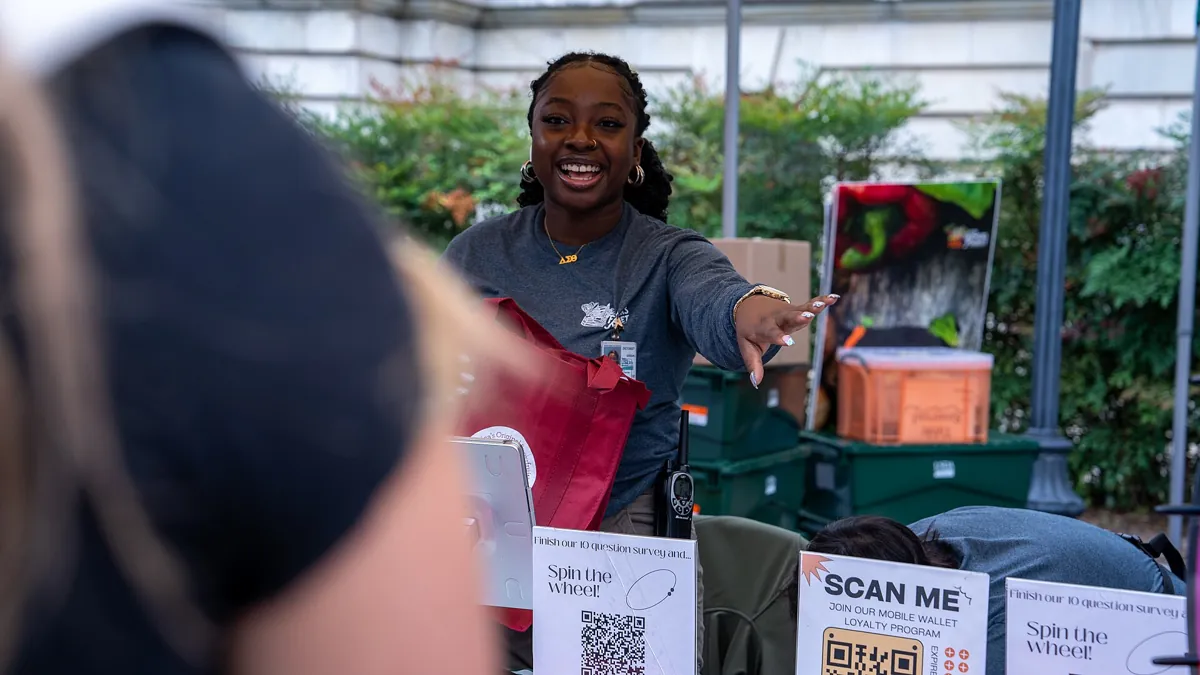
I have a fair-week routine in Plymouth County that has barely changed over the years. I arrive early, before the aisles fill, and go straight to the barns while animals are still being brushed and exhibitors are trading news from the night before. By the time the midway wakes up and the food trailers start smoking, I have already seen the part of the Plymouth County Fair that keeps pulling me back: the working, agricultural heart of it, set down in the middle of northwest Iowa.
The fair happens in the Plymouth County area, with Le Mars, the county seat, as the anchor town most visitors pass through on the way in. The county covers 863.668 square miles and was home to 25,698 people at the 2020 census. A county fair is one of the few times a year when that spread-out population ends up in the same place at the same time, and you can feel it in the parking lines and the barn aisles.
Plymouth County Fair Key Details for Visitors
Here is the short version, useful whether you are planning a first visit or double-checking the basics before fair week.
| Festival | Plymouth County Fair |
| Town / place | Plymouth County area, with Le Mars as the county seat and main gateway |
| County | Plymouth County, Iowa |
| Population | 25,698 (2020 census) |
| Region | Northwest Iowa |
| Typical timing | A summer fair week, usually in late July during Iowa’s county fair season |
| Admission | General gate admission is typically free; rides, food, and some grandstand events cost extra |
| Setting | Fairgrounds in the Plymouth County area, surrounded by farmland near Le Mars |
| Signature features | Livestock shows, 4-H and FFA exhibits, commercial buildings, a midway, grandstand events, and fair food |
| Organizer | Local volunteer fair organizers and Plymouth County agricultural groups |
What the Plymouth County Fair Feels Like to a Repeat Visitor
The first thing a returning visitor notices is scale. This is not a state fair and it does not pretend to be. It is a county fair in the truest sense: exhibitors from across Plymouth County, judges who know the families, kids leading animals they raised themselves, and a midway that fits comfortably into an afternoon. That size is the appeal. You can watch a barn show, take in a grandstand event, eat your way down one aisle, and still be back at the car before the crowd thins out.
The second thing is the mix. Livestock barns and 4-H and FFA exhibits sit at the center of the grounds, and wrapped around them you find commercial buildings, open-class entries, food stands run by local groups, and an entertainment lineup built for a family with three different ages of kids in tow.
For another look at how a community turns its own traditions into a gathering, see the Plymouth County Iowa Ice Cream Days Festival for a useful comparison.
What has changed for me over the years is how I use the fair. As a kid it was the midway, full stop. Now it is the barns in the morning, a slow walk through the exhibit buildings in the afternoon, and whatever is happening at the grandstand in the evening. Plymouth County’s fair rewards that kind of repeat visiting.
Plymouth County’s Fair Tradition, From 1851 County Roots Onward
Plymouth County was created on January 15, 1851, and organized on October 27, 1858. It was named for Plymouth, and Le Mars became its county seat. Those dates matter to the fair because the fair grew out of the same settlement wave: farm families moving onto the prairie, forming agricultural societies, and gathering once a year to compare crops, livestock, and machinery.
County fairs across Iowa followed that pattern. In Plymouth County the annual exhibition gradually widened from a strictly agricultural judging event into something broader, with entertainment, food, and midway rides layered on top of the barns. The agricultural core never left, though. With 863.668 square miles of land in the county, a great deal of farm ground feeds into one fairground each summer.
By the 2020 census the county’s population stood at 25,698, and the fair still serves as the annual gathering point for those residents. Generations of families have shown animals, staffed food stands, and volunteered on committees, which is why the event carries a sense of continuity that newer festivals rarely manage.
Inside Fair Week in Plymouth County: Food, Stages, and Family Grounds
Fair week has a rhythm, and knowing it makes the visit better. Mornings belong to exhibitors. Afternoons belong to families. Evenings belong to the grandstand and the midway.
Fair Food That Keeps Plymouth County Visitors in Line
Food is the through-line of any fair day. Expect the classics done well: grilled sandwiches, corn dogs, funnel cakes, nachos, ice cream, lemonade, and coffee strong enough to get you through a second lap. Church groups, booster clubs, and local organizations typically run a share of the stands, which means the money tends to stay close to home. Come hungry and graze rather than committing to one big meal.
Grandstand and Stage Entertainment Near Le Mars
Evening is when the fairgrounds get loud. Grandstand programming in a county fair setting usually means a mix of live music, motorsport-style events, and crowd-pleasing contests, with smaller stages and wandering performers filling the gaps during the day. Lineups change year to year, so treat any schedule you find as the authoritative one and build your evening around it.
Family Activities, Livestock Barns, and 4-H Tradition
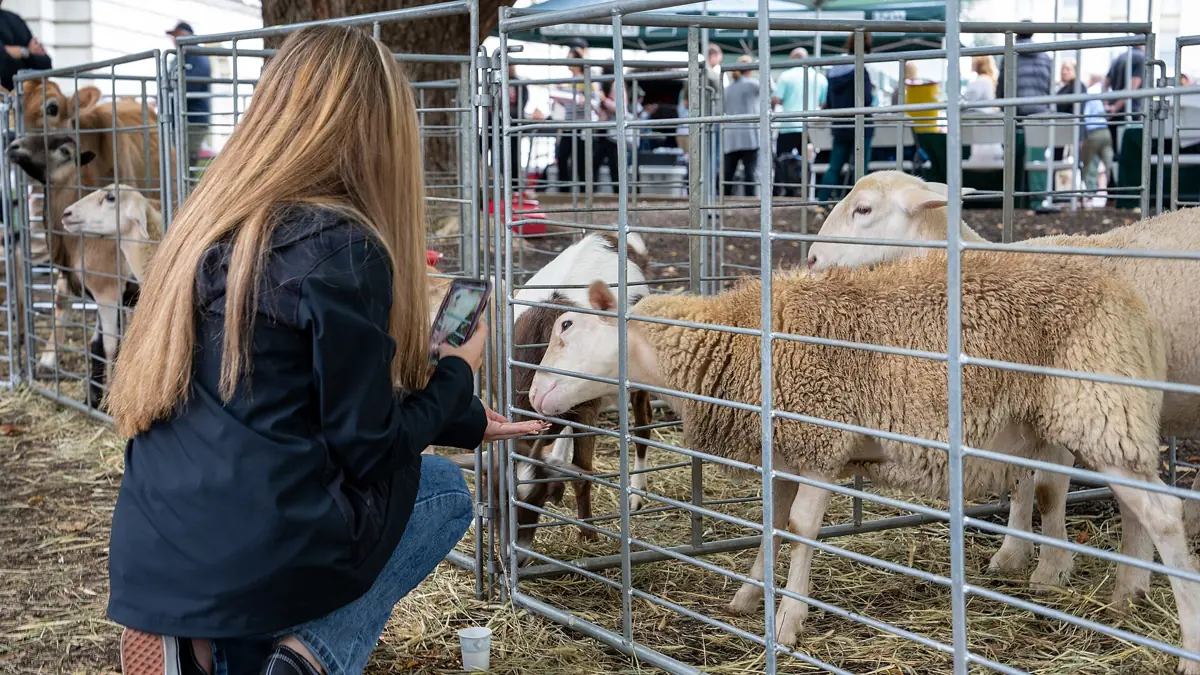
For families, the fair is a full day of low-cost entertainment. Kids can walk the barns and meet animals up close, watch judging in the show ring, ride the midway, and take in whatever hands-on activities the exhibitors have set up. The 4-H and FFA presence is the backbone of the whole thing, and it shows in how willing the young exhibitors are to answer questions from strangers. Ask before you pet, and you will usually get a story along with the answer.
Planning Your Trip to the Plymouth County Fair
A little planning turns a good fair day into a great one. These are the logistics worth sorting out before you go.
Getting There From Le Mars and the Surrounding Towns
The fairgrounds sit in the Plymouth County area, with Le Mars as the natural reference point for anyone navigating in from elsewhere in northwest Iowa. Most visitors arrive by car, and the drive is straightforward from the surrounding towns and the larger cities to the south and west. Build in extra time during the evening rush, when grandstand traffic converges at once.
Where to Stay in and Around Plymouth County
Le Mars is the obvious base, and lodging there fills quickly during fair week. If you are coming from out of the area, book well ahead and be willing to look at nearby communities within a short drive. Campers and RV travelers often plan around the fairgrounds themselves, so confirm availability early rather than assuming space will be open.
Parking Around the Fairgrounds
Parking is generally handled on and around the grounds, with volunteers directing traffic. Arrive early for the best spots and the shortest walks, especially if you have small children or someone with mobility concerns. Note where you parked before you walk in; after dark, every row of cars looks the same.
Admission, Ride Costs, and Budgeting for Fair Week
General gate admission to a county fair like this one is typically free, which is part of why it draws so many repeat visitors. The spending happens inside: ride tickets or wristbands, food, games, and certain grandstand events. Set a rough budget per person, carry some cash alongside a card, and you will avoid the mid-afternoon wallet check.
Iowa Weather During Fair Week
Late July in northwest Iowa means heat, humidity, and the occasional fast-moving storm. Plan for sun: hats, sunscreen, and water bottles you can refill. Keep an eye on the sky in the evening, and have a meet-up point in mind in case a shower sends everyone scattering. Comfortable shoes matter more than anything else you pack.
A Sample Fair Weekend for a Returning Visitor
Friday afternoon: arrive mid-afternoon, walk the commercial and open-class buildings while they are quiet, then hit the food aisles before the dinner crowd. Friday evening: grandstand event, a slow loop through the midway, and out before the parking lot locks up.
Saturday morning: back early for the livestock shows. This is the best hour of the entire fair — cool air, full barns, and exhibitors at their sharpest. Saturday midday: lunch from a stand run by a local group, then the exhibit halls and any demonstrations. Saturday evening: music, one last funnel cake, and a walk past the barns to say goodnight to the animals.
If you only have one day, compress it: barns first, food second, grandstand last.
How Plymouth County’s Fair Compares With Nearby Iowa Events
Anyone who spends a summer in northwest Iowa ends up comparing county fairs, and Plymouth County’s holds its own. To the north, the Sioux County fair scene around Orange City leans heavily on that area’s strong agricultural and cultural identity, with a similar family-first feel. To the east, the Clay County Fair in Spencer is the region’s heavyweight — noticeably larger, with a broader commercial footprint and a bigger entertainment draw.
Closer to home, the Woodbury County area around Sioux City offers bigger-city events with a different energy, and Cherokee County to the southeast runs a fair of comparable, comfortable scale. Plymouth County’s advantage is balance: big enough to fill an evening, small enough that you can still see all of it, and rooted in a county of 25,698 people who treat fair week as a reunion.
A Practical Checklist for Fair Week in Plymouth County
Check the current schedule before you commit to a day, since grandstand acts and show times shift from year to year.
Bring cash for food stands, games, and ride tickets, even if you plan to use a card.
Wear closed-toe shoes; gravel, straw, and livestock areas are not sandal-friendly.
Pack sunscreen, a hat, and a refillable water bottle for the afternoon heat.
Charge your phone in the morning and screenshot your tickets or schedule.
Leave room in the car for anything you pick up in the commercial buildings.
Beyond the Fair: Le Mars and the Rest of Plymouth County
The fair is a reason to spend a full day in Plymouth County, but it is not the only one. Le Mars, the county seat, makes a sensible base for a weekend, with the kind of compact downtown that rewards an hour of wandering between fair visits. From there, the county opens up across 863.668 square miles of farmland and small communities, most of it connected by quiet highways that are pleasant to drive when you are not racing a grandstand start time.
If you are extending your stay, use the fair as your anchor and build the rest of the trip around the towns you pass through on the way in and out. That is how most returning visitors do it.
What the Fair Means to Plymouth County’s Communities
For a county of 25,698 people spread across a wide stretch of northwest Iowa, the fair is more than entertainment. It is the one week when the whole county is in the same place. It is where kids learn to present a project, speak to an adult they have never met, and handle a loss in the show ring with grace.
It is also an economic and volunteer engine. Food stands, exhibits, and events are largely run by local organizations, and the money they raise circulates back into the same communities. That is the part that stays with you after the last trailer pulls out.
The Plymouth County Fair’s Place on the Northwest Iowa Map
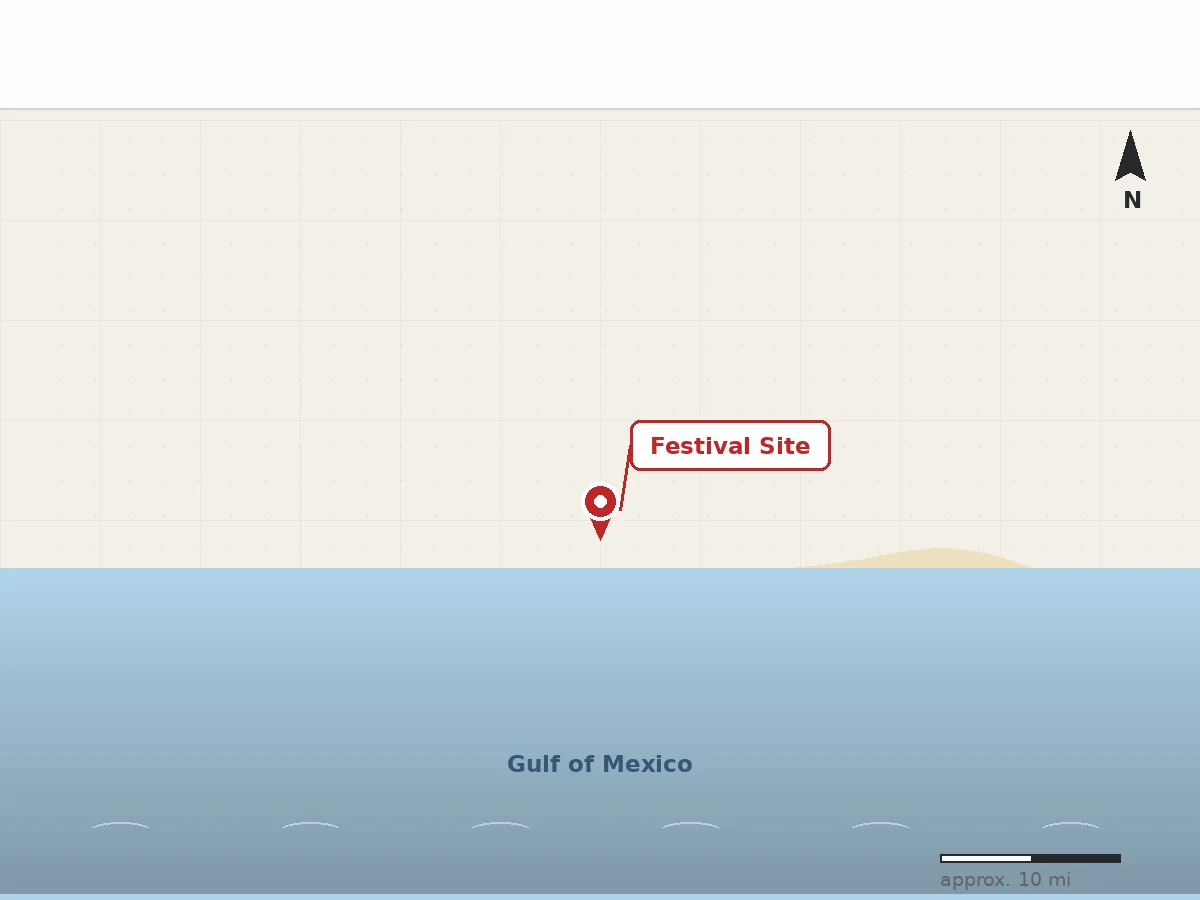
The Plymouth County Fair takes place in the Plymouth County area of northwest Iowa, with Le Mars as the county seat and the most useful reference point for visitors navigating in.
Plymouth County Fair Questions I Get Asked Most
When does the Plymouth County Fair usually take place?
It runs during Iowa’s summer county fair season, most often in late July. Exact dates move from year to year, so check the current schedule rather than relying on a date you remember from a previous summer.
Is there an admission charge for the fair?
General gate admission is typically free, which is one reason the fair draws so many local families more than once during the week. Your spending will mostly be on food, rides, games, and certain grandstand events.
Is the Plymouth County Fair good for young kids?
Yes. The grounds are walkable, the barns are a hit with children, and the midway is sized for younger riders. Mornings are calmer and cooler, which suits toddlers and grandparents alike.
How much time should I plan for a visit?
Half a day covers the essentials; a full day lets you see the barns, the exhibits, the food, and an evening event without rushing. Many returning visitors spread their time across two or three shorter trips instead.
Looking Ahead to Future Plymouth County Fairs
County fairs survive on volunteers, exhibitors, and local support, and Plymouth County has all three in steady supply. The direction of travel is toward more family programming, more youth participation through 4-H and FFA, and continued improvements to the fairgrounds that make a summer week in northwest Iowa easier to enjoy. For visitors, that means the essentials stay the same — barns, food, midway, grandstand — while the details keep getting better.
Last updated: October 2026
If you have never been, come once for the food and the rides. If you have been before, you already know the routine: arrive early, head for the barns, and let the rest of the day unfold from there. The Plymouth County Fair does not change much from year to year, and in this case that is exactly the point.