Nelson County Kentucky Bardstown Arts and Crafts Festival
For one weekend each autumn, Bardstown fills the heart of its historic district with rows of canopies, handmade goods and crowds browsing at a slow pace. The organiser’s own layer bills the gathering as the “Bardstown Arts & Craft Festival”, while a local events-calendar layer and an event-listing layer print the fuller wording “Bardstown Arts and Crafts Festival”, and other listing layers use “Bardstown Arts & Crafts Festival”. A decade ago the same occasion travelled under yet another title, “Bardstown Arts, Crafts & Antiques Fair”, in tourism-commission press layers. Those variants are kept separate throughout this article, exactly as the layers print them.
About the Festival
Bardstown Main Street stands behind the event. The organiser’s own layer sits on the Main Street organisation’s page, explains that the annual festival “is a major fundraiser for the Bardstown Main Street Program”, and handles the registration through which artists apply for space. Publicity played a different role in the earlier record: the two thousand fifteen and two thousand sixteen layers were issued by the Bardstown-Nelson County Tourist & Convention Commission, which promoted the fair without being described as its organiser. Running the festival and publicising it thus belong to different bodies in different layers.
Geography gives the fair its character. Rather than gathering on a single field, it spreads across downtown Bardstown’s historic district, and the organiser’s own layer names the ground it occupies: West Flaget Avenue, North Fourth Street, North Fifth Street, Xavier Drive, Spalding Hall Lawn, City Hall Lawn, City Hall Parking Lot and Parks & Rec Parking Lot. A state reference layer’s county formation table confirms Bardstown as the county seat of Nelson County, so the fair takes over the county’s civic centre for two days.
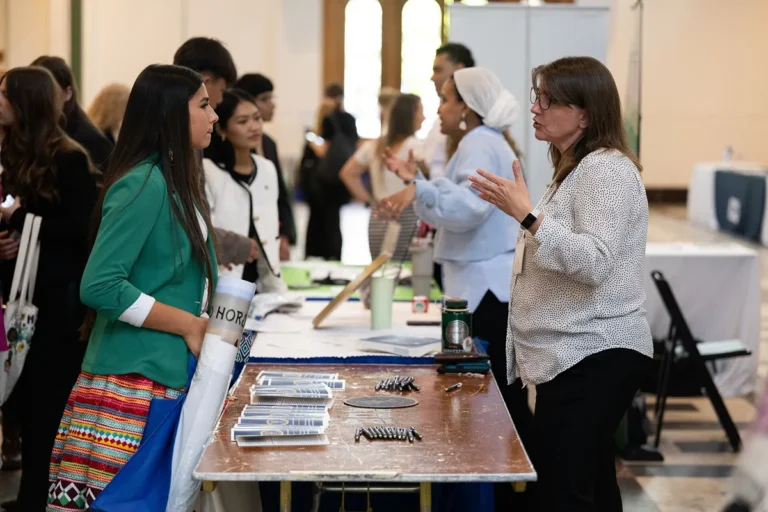
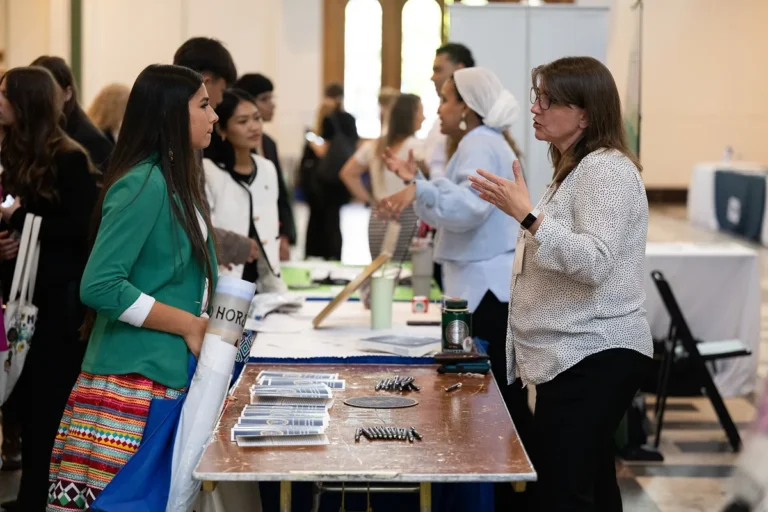
The fair is juried, meaning the booths lining those streets have passed a selection process rather than simply renting space. The organiser’s own layer counts more than two hundred fifty artists’ booths for the two thousand twenty-six edition, and a local events-calendar layer puts the draw at more than thirty thousand visitors across the weekend.
Quick Facts
| Item | Detail |
| Organiser’s printed name | Bardstown Arts & Craft Festival |
| Calendar and listing forms | Bardstown Arts and Crafts Festival; Bardstown Arts & Crafts Festival |
| Earlier printed form | Bardstown Arts, Crafts & Antiques Fair |
| Host town | Bardstown, Nelson County, Kentucky |
| County seat status | Bardstown is the county seat of Nelson County |
| Setting | Streets and lawns of downtown Bardstown’s historic district |
| Organiser | Bardstown Main Street, through the Bardstown Main Street Program |
| Two thousand twenty-six edition | Tenth to eleventh of October, billed as the forty-fifth annual |
| Weekend hours | Saturday ten in the morning to six in the evening; Sunday ten in the morning to five in the evening |
| Admission | Free and open to the public for the documented two thousand twenty-three and two thousand twenty-six editions |
History
Four editions are dated and described in the layers read, tracing a fair that has changed its name while keeping its season, its downtown footprint and its October timing. The earliest pair arrives through tourism-commission press layers. The tenth to the eleventh of October two thousand fifteen brought the “35th Annual Bardstown Arts, Crafts & Antiques Fair”, with over two hundred artists and craftsmen, dancers and cloggers performing, pumpkin painting and face painting laid on for children, and live music in the programme. A year later, the eighth to the ninth of October two thousand sixteen, the “36th Annual Bardstown Arts, Crafts & Antiques Fair” again drew over two hundred artists and craftsmen, and the press layer’s inventory of their wares runs to metal art, pottery, jewelry, antiques, wearables, foods, natural soap and candles.
For a useful comparison, see the Nelson County Kentucky Kentucky Bourbon Festival for another county festival.
By the twenty twenties the fair had shed the antiques fair wording. An event-listing layer reproducing the organiser’s text bills the fourteenth to the fifteenth of October two thousand twenty-three as the “42nd Annual Bardstown Arts & Craft Festival”, giving the same weekend hours, vendor scale and free admission that later layers repeat. The organiser’s own layer then bills the tenth to the eleventh of October two thousand twenty-six as the “45th Annual Bardstown Arts & Craft Festival”, describing a juried fair of more than two hundred fifty artists’ booths, free and open to the public; the local events-calendar layer matches that description and adds the figure of more than thirty thousand visitors.
What the record withholds is a beginning. None of the layers read states the year the fair was founded. The billings supply a sequence and nothing more: thirty-fifth annual in two thousand fifteen, thirty-sixth in two thousand sixteen, forty-second in two thousand twenty-three, forty-fifth in two thousand twenty-six. This article reports that sequence as printed and refuses to turn it into a founding date by subtraction, tempting as the arithmetic may look. One further layer deserves a warning: a content-farm festival layer moves the two thousand twenty-six edition to the twelfth to the fifteenth of September. That dating contradicts the organiser’s own layer and is disowned here.
What to Expect
Handmade work in serious quantity is the core of the weekend. The organiser’s and press layers describe a juried arts and crafts fair whose two hundred fifty-plus artists’ booths carry jewelry, pottery, wearables, florals, wood items and antiques, alongside metal art, natural soap and candles. Food threads through the same inventory, with candy apples, homemade fudge and pork chop sandwiches named among the offerings.
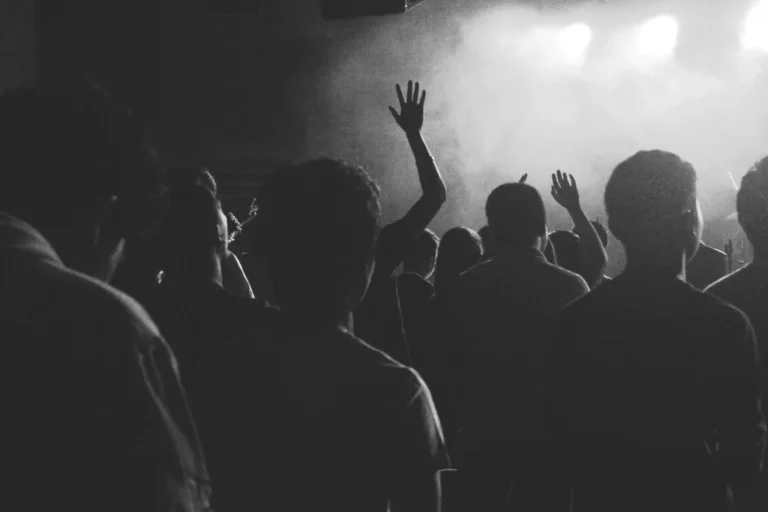
Performance fills the gaps between the stalls. Live music appears across the layers, and the two thousand fifteen press layer adds dancers and cloggers to the bill. Children get their own corner of the programme in that same layer, which lists pumpkin painting and face painting among the attractions, giving younger visitors something to make rather than merely something to watch. The overall impression the layers build is of a fair pitched at browsers: art to buy, food to carry, music to pause for, and a children’s activity to break up the walking.
Planning Your Visit
Entry costs nothing for the editions where admission is documented. The organiser’s own layer calls the two thousand twenty-six festival free and open to the public, and the organiser-derived listing for two thousand twenty-three says the same, so the free position in this article is fenced to those two editions rather than promised for every year. Money changes hands elsewhere: the organiser’s registration carries vendor application fees, and those are charges on the artists who exhibit, not a gate price paid by the crowd.
Hours reward an early start. Saturday runs from ten in the morning to six in the evening and Sunday from ten in the morning to five in the evening, per the organiser’s own layer for two thousand twenty-six, with the two thousand twenty-three listing printing identical hours. A crowd counted by the local events-calendar layer at more than thirty thousand visitors means the central streets fill quickly, so arriving near opening on either day is the simplest way to see the booths before the press of people builds. Because the fair occupies working downtown streets, lawns and car parks around Spalding Hall and City Hall rather than a fenced ground, visitors drift in and out along several streets instead of passing a single gate.
Anyone hoping to exhibit rather than attend should know that the organiser’s registration page exists and that the local calendar carries organiser contacts; both are noted here by existence only.
A Weekend at the Booths
A relaxed Saturday might begin at ten in the morning along West Flaget Avenue, walking the first rows while the crowd is still thin and the makers are fresh for conversation. Late morning suits the heavier craft categories, pottery and wood items and metal art, before a pause for a pork chop sandwich and a bag of homemade fudge from the food sellers. Early afternoon leaves room for the wearables, florals and jewelry, with a stop wherever the live music gathers a knot of listeners. Sunday becomes the second pass: back to the booths shortlisted the day before, a turn through the children’s activities if younger family members are along, and a final circuit of Spalding Hall Lawn and the City Hall grounds before the five in the evening close.
How the Documented Editions Compare
Placed side by side, the four dated editions show continuity with a slow growth in scale. The two thousand fifteen and two thousand sixteen fairs, billed as the thirty-fifth and thirty-sixth annual under the antiques fair name, each fielded over two hundred artists and craftsmen and leaned on entertainment that included dancers, cloggers and children’s painting activities. The two thousand twenty-three edition, billed the forty-second annual under the shortened festival name, kept the same hours and free admission with the booth count past two hundred fifty. The two thousand twenty-six edition, billed the forty-fifth annual, repeats those hours and that larger booth count and adds the calendar layer’s estimate of more than thirty thousand visitors. What never changes across the sequence is the shape: two October days, downtown streets, no charge to walk in during the editions where admission is stated.
Visitor Checklist
- Arrive near the ten in the morning opening to beat the heaviest crowds
- Bring a bag sturdy enough for pottery, candles and fudge
- Carry cash or a card for booth purchases and food stalls
- Note the names of favourite makers for the second day’s return visit
- Give children time at the pumpkin painting and face painting
- Pause for the live music instead of rushing the full circuit
- Recheck which streets around Spalding Hall and City Hall hold booths
- Leave Sunday afternoon open for final purchases before the close
Beyond the Booths
The fair’s setting is itself part of the attraction, since the organiser’s own layer spreads it across the historic district’s streets, two lawns and two car parks, and a visitor walking between West Flaget Avenue and Xavier Drive is moving through the county seat’s oldest core. Bardstown’s calendar holds other October gatherings, and two of them need separating from this one. The Bardstown Craft Beer Festival appears in the two thousand sixteen press layer as a distinct October event, and the Kentucky Bourbon Festival, which fills the same town in a different month under its own name and organiser, is likewise a separate occasion. Nothing from either record has been borrowed for this article, and a traveller who finds those names while researching should treat them as different weekends entirely.
Why This Fair Endures
The organiser’s own explanation of the festival’s place is financial as much as cultural: it “is a major fundraiser for the Bardstown Main Street Program”, which ties the weekend’s crowds directly to the upkeep of the downtown it occupies. A fair billed as the forty-fifth annual by two thousand twenty-six, drawing more than thirty thousand visitors into a small county seat while charging nothing at the street’s edge, has plainly become a fixed point of Bardstown’s year. Its endurance also rests on breadth, since the layers show fine art, antiques, food and children’s activities sharing the same few streets, giving whole families a reason to stay for hours rather than minutes.
Frequently Asked Questions
Why does the same fair appear under so many different names?
Each layer prints the name its source used. The organiser’s own layer favours “Bardstown Arts & Craft Festival”, a local events-calendar layer and an event-listing layer print “Bardstown Arts and Crafts Festival”, other listing layers shorten the conjunction differently, and the tourism-commission press layers of two thousand fifteen and two thousand sixteen called the event the “Bardstown Arts, Crafts & Antiques Fair”. The variants describe one fair, and this article keeps them unmerged rather than picking a winner.
Does free admission hold for every year of the fair?
The documented position covers particular editions only. The organiser’s own layer states that the two thousand twenty-six festival is free and open to the public, and the organiser-derived listing says the same of two thousand twenty-three. No layer read makes the promise for the earlier fairs or for future ones, so the honest answer is that free entry is confirmed where those layers state it and unconfirmed elsewhere.
What sort of goods fill the booths?
The layers give a generous inventory. Press and organiser descriptions list jewelry, pottery, wearables, florals, wood items, antiques and metal art, plus natural soap and candles, and the food side runs to candy apples, homemade fudge and pork chop sandwiches. With more than two hundred fifty artists’ booths in the recent editions, most visitors should expect to browse far more than they buy.
Can families with young children fill a day there?
The earlier layers suggest so. The two thousand fifteen press layer lists pumpkin painting and face painting provided for children, alongside dancers, cloggers and live music, and the fair’s free admission in the documented editions removes the cost barrier for a family outing.
What to Expect From the Next Nelson County Kentucky Bardstown Arts and Crafts Festival
How often is Nelson County Kentucky Bardstown Arts and Crafts Festival held?
The layers read attach annual numbers to four separate years, thirty-fifth annual in two thousand fifteen, thirty-sixth in two thousand sixteen, forty-second in two thousand twenty-three and forty-fifth in two thousand twenty-six, which together show a fair returning every year even though only those four editions are individually documented here.
When is the next Nelson County Kentucky Bardstown Arts and Crafts Festival?
No layer read names a date beyond the tenth to the eleventh of October two thousand twenty-six, the most recent documented edition. Following the pattern those layers establish, the next running would be expected on an October weekend the year after, but that is an inference from the billing sequence rather than an announced date; visitors should wait for the organiser’s own layer to confirm actual days.
Will the dates change?
The documented weekends already wander within October. The fair fell on the tenth and eleventh in two thousand fifteen, the eighth and ninth in two thousand sixteen, the fourteenth and fifteenth in two thousand twenty-three, and the tenth and eleventh again in two thousand twenty-six, so the exact Saturday and Sunday clearly shift from year to year even while the month holds firm. One content-farm layer’s attempt to move the two thousand twenty-six edition into September is disowned in the record and should be ignored.
Closing Thoughts
Bardstown’s autumn fair rewards anyone who reads its record carefully: four names for one event, a Main Street organisation running it as a fundraiser, commission press layers that preserve its earlier antiques fair identity, and billings that trace a run into its forty-fifth annual without ever stating where the count began. What the layers agree on is the experience itself, a free, juried, two day spread of artists’ booths, food and music across the historic streets of a Kentucky county seat each October.