Rush County Kansas St. Patrick’s Festival
When March reaches its middle, the small Rush County town of Rush Center turns its attention to a parade. The celebration that gathers there in Saint Patrick’s season is documented on the county’s own pages, and it carries an origin story worth telling: two local men, an idea raised over coffee, and a Friday night parade in nineteen ninety at which nearly everybody who showed up was marching in it. This article follows the published record of that celebration — the names it appears under, the editions the layers date, the programme the county describes, and the places where the record frankly runs out.
About
Rush Center hosts the celebration, and Rush Center does not hold the county seat of Rush County; that distinction belongs to La Crosse. A festival-listing layer files the event under La Crosse while noting in the same breath that Rush Center lies eight minutes from La Crosse, and the two placements are left standing side by side here rather than merged into one. No layer read names a specific venue. What the layers describe instead is a town celebration in Rush Center built around a parade, presented as a community effort whose pages are hosted on the county’s own site, with no formal organiser named anywhere in the record.
The event’s published names are parade names. A county events layer prints “St. Patrick’s Day Parade & Festival”; a festival-listing layer prints “St.Patrick’s Parade & Celebration”; and a county history page uses the form “Rush Center St.Patricks Parade.” None of the layers read prints the county-first title at the head of this article as the event’s own name, and the three printed forms are carried through this piece unmerged, since each belongs to the layer that published it.
The county history page’s crowd figure belongs in this introduction as well. A celebration that the county says can draw as many as two thousand people is, by small-town standards, a major undertaking, yet the record presents it without a named organiser, a named venue, or a named sponsor. Everything the layers offer is the town, the parade, the programme, and the history — and this article stays inside those four corners.
Quick Facts
| Item | Detail |
| Host town | Rush Center, Kansas |
| County seat | La Crosse; the host town does not hold the seat |
| Published names | St. Patrick’s Day Parade & Festival; St.Patrick’s Parade & Celebration; Rush Center St.Patricks Parade |
| Setting | A town celebration built around a parade; no venue named in the record |
| Origin edition | March nineteen ninety, a Friday-night parade on the eve of Saint Patrick’s Day |
| Founders in the origin account | Ron Renz, the local barber, and Ron Surface, a local businessman |
| Dated editions in the record | The sixteenth of March two thousand twenty-four; the fifteenth of March two thousand twenty-five |
| Programme highlights | Parade, food vendors, games, bingo, live entertainment, homemade Irish stew |
| Crowds | As many as two thousand people, according to the county history page |
| Admission | No charge and no free entry stated in any layer read |
History
The county’s own history page gives the celebration a specific and modest beginning. Two Rush Center men, the local barber Ron Renz and local businessman Ron Surface, came up with the idea over coffee. In March nineteen ninety they staged the first parade on a Friday night, the evening before Saint Patrick’s Day, and by the history page’s telling almost everyone who was present that night was in the parade itself rather than watching it. There was barely a crowd to speak of at the start, because the crowd and the parade were largely the same people.
For a useful comparison, see the Rooks County Kansas Paradise Creek Festival for another county festival.
From that beginning, the county layers describe a tradition with real staying power, though they do not measure its age the same way. County layers bill the tradition as running for over thirty years, while an older listing layer puts it at twenty-seven years. Both figures are recorded here exactly as printed and left unmerged; neither is used to adjust the nineteen ninety origin account, which stands on its own as the documented founding story of the event.
Between the origin and the recent dated editions, the layers leave the intervening years largely undocumented. No edition-by-edition account survives in what was read, no list of parade honourees appears, and no layer marks a particular anniversary year as a turning point. The tradition’s continuity is asserted by the county’s billings rather than demonstrated year by year, and this article reports that continuity on exactly those terms.
The recent dated record is thin but firm. The county’s own events layer presents an edition on the sixteenth of March two thousand twenty-four with programme particulars, and a festival-listing layer carries an edition on the fifteenth of March two thousand twenty-five. Those two dates, the origin account, and the county’s crowd figure form the spine of what is documented, and everything else in this article is fenced to the layer that states it.
What to Expect
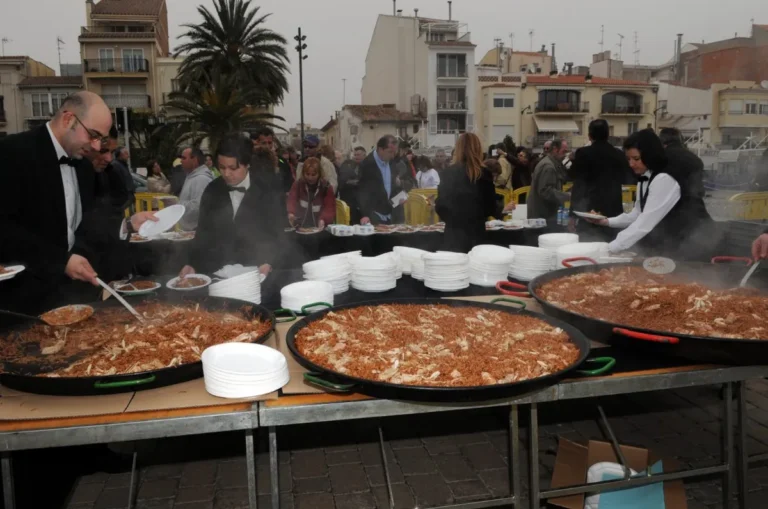
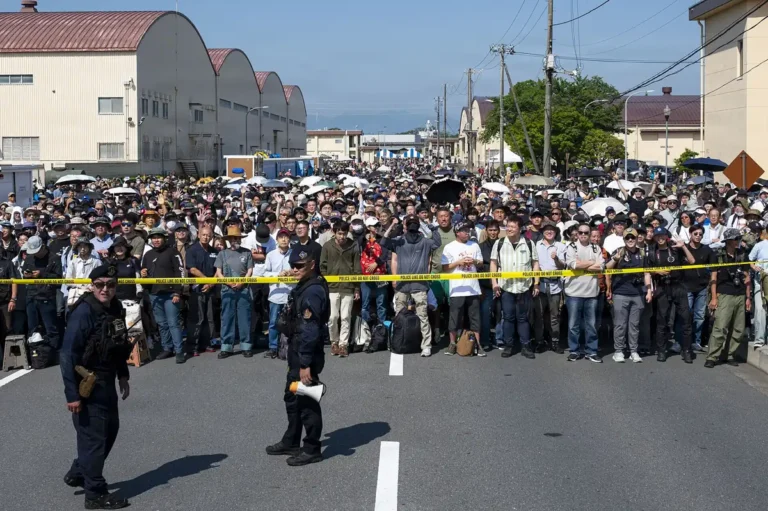
A parade stands at the centre of the day. The programme particulars come from the county’s own events layer for the two thousand twenty-four edition, and they describe a gathering pitched at families: local food vendors, games, bingo, and live entertainment in a family atmosphere, with homemade Irish stew served as part of the occasion. The county history page adds a sense of scale, reporting that crowds of as many as two thousand people attend — a striking figure for a town of Rush Center’s size, and a sign of how far the celebration’s pull reaches beyond the town itself.
Because the fullest programme belongs to the county’s two thousand twenty-four listing, the honest way to read it is as the documented shape of the day rather than as a promise repeated word for word in every year. The two thousand twenty-five listing confirms that the celebration continued on a mid-March date, but it does not restate the programme, and this article does not transfer the earlier particulars onto the later edition.
The stew deserves a word of its own. Of everything that might be served at a March gathering, the county listing singles out homemade Irish stew, a dish tied to the holiday itself rather than to generic fair food. Set beside the games, the bingo, and the food vendors, it helps sketch a programme assembled from what a small town can supply: home cooking, familiar pastimes, and local sellers.
Planning Your Visit
The celebration belongs to the middle of March. Its two dated editions fell on the sixteenth of March in two thousand twenty-four and the fifteenth of March in two thousand twenty-five, each hard against Saint Patrick’s Day, so a visitor planning ahead should look to that same mid-March window and confirm the year’s date through the county’s own pages, where the event’s listings live.
Money is one of the subjects the layers simply never raise. No layer read states a charge for attending, and no layer claims free entry either, so the sensible course is to arrive without assuming one answer or the other and to let the town’s own notices for the year settle the question.
For orientation, keep the two towns distinct in your mind. Rush Center is where the celebration happens; La Crosse, the county seat, is where one listing layer files it, eight minutes away by that layer’s own note. A visitor who navigates by the listing alone could end up hunting through the county seat for a parade that actually marches in Rush Center, so the town name matters more than the filing.
The record’s silences shape the practical advice too. Because no layer names a venue, there is no hall or grounds to aim for; the parade is the fixed point, and the rest of the day gathers around it in town. Because no layer gives a timetable beyond the day itself, the county’s programme listing for the year is the fullest guide a visitor is going to get, which makes checking it before the trip worthwhile.
A Sample Festival Day
A day built from the documented programme might begin with finding your place in town ahead of the parade, since the parade is the anchor of the whole occasion and the element every published name puts first. Once the parade has passed, the county’s two thousand twenty-four account points you toward the local food vendors, with the homemade Irish stew standing out as the dish the listing chose to name. Games and bingo fill the middle of the day, and live entertainment carries the family atmosphere the county describes into the rest of the gathering. Nothing in the record sets out an hour-by-hour timetable, so treat this as the shape of the day the layers support, not a schedule.
How It Compares
Within Rush County itself, two other gatherings are worth keeping separate from this one. The Rush County Fair is its own event, distinct from a single-theme Saint Patrick’s celebration. The Liebenthal Fall Fest, held elsewhere in the county, is a Volga German heritage event that belongs to autumn — a different season and a very different tradition from a March parade built around an Irish holiday. Over in Douglas County, the Lawrence Saint Patrick’s Day Parade gives the state a big-city counterpart; Rush Center’s celebration is the small-town version of the form, published under parade-centred names and traced by its own county history page to a conversation between a barber and a businessman.
Visitor Checklist
- Confirm the year’s mid-March date through the county’s own pages before travelling
- Aim for Rush Center itself, remembering that La Crosse is a separate town eight minutes away
- Arrive in good time for the parade, which anchors the whole day
- Bring an appetite for the food vendors and the homemade Irish stew named in the county listing
- Leave room after the parade for games, bingo, and live entertainment
- Keep the cost question open, since the record states neither a charge nor free entry
- Dress for a March day spent outdoors around a parade route
- Expect a busy small town if crowds approach the two thousand figure the history page reports
Beyond the Festival
The celebration does not stand alone in the county’s year. The listing layer’s filing under La Crosse is a reminder that the county seat sits only eight minutes away, close enough that a visitor can take in both towns on the same trip without confusing which one hosts the parade. In autumn, the Liebenthal Fall Fest gives Rush County a second heritage gathering in a different season and a different community, so the county’s calendar holds more than one tradition, each with its own character and its own home ground.
Why It Matters
Few small-town celebrations can point to a beginning as precise as this one: a coffee conversation, a Friday night in March nineteen ninety, and a first parade in which almost everyone present was marching. That the same celebration is now described by the county’s history page as drawing as many as two thousand people says something about what a parade can grow into when a town keeps it going. The record names no formal organiser, and that absence is part of the story too — this reads as a community’s own production, kept alive by the town rather than run for it.
Frequently Asked Questions
Under what names does the Rush Center celebration actually appear in print?
The county events layer calls it “St. Patrick’s Day Parade & Festival,” the festival-listing layer calls it “St.Patrick’s Parade & Celebration,” and the county history page uses “Rush Center St.Patricks Parade.” The county-first title heading this article appears in none of the layers read, so the three printed forms are the names to search for.
How did a conversation over coffee turn into a town tradition?
The county’s history page credits the local barber Ron Renz and local businessman Ron Surface with conceiving the event over coffee and staging the first parade on a Friday night in March nineteen ninety, the evening before Saint Patrick’s Day, when almost everyone present was in the parade itself. County layers describe the tradition as running for over thirty years from that start.
What does the county’s two thousand twenty-four listing describe for the day itself?
That listing promises a parade, local food vendors, games, bingo, and live entertainment in a family atmosphere, with homemade Irish stew served. The county history page adds that crowds of as many as two thousand people attend, though the listing for two thousand twenty-five confirms a date without restating the programme.
Why do some listings place the celebration under La Crosse instead of Rush Center?
A festival-listing layer files the event under La Crosse while noting that Rush Center is eight minutes from La Crosse. La Crosse holds the county seat, but Rush Center is the host town, and the parade belongs to Rush Center whichever way the listing is filed.
What to Expect From the Next Rush County Kansas St. Patrick’s Festival
How often is Rush County Kansas St. Patrick’s Festival held?
The dated record shows a March celebration in consecutive years, with editions on the sixteenth of March two thousand twenty-four and the fifteenth of March two thousand twenty-five, and county layers describe a tradition running for over thirty years. That pattern points to a yearly mid-March gathering tied to Saint Patrick’s Day.
When is the next Rush County Kansas St. Patrick’s Festival?
No date later than the fifteenth of March two thousand twenty-five appears in the layers read for this article. Working from the documented pattern, the place to watch is the middle of March, and the county’s own pages are where a coming edition would be announced.
Will the dates change?
The exact day already has shifted between the two dated editions, landing on the sixteenth of March in two thousand twenty-four and the fifteenth in two thousand twenty-five. The season and the Saint Patrick’s anchor have held steady even as the day moved, so a small shift in the date is likelier than a move away from March.
Closing
Rush Center’s Saint Patrick’s celebration is a parade that outgrew its own first night. It began with two men, a cup of coffee, and a Friday evening in nineteen ninety when the parade and its audience were the same people, and it now fills a small town with crowds counted in the thousands. The record around it is plain about some things and silent about others, and this article has kept that line where the layers draw it. What the layers do establish is enough: a named town, a documented origin, two recent dated editions, and a programme with Irish stew at its centre.