Miami County Indiana 4-H Fair Festival
Where the Mississinewa Meets the Wabash: Miami County’s Summer Gathering
Peru, the seat of Miami County, sits where the Mississinewa River meets the Wabash, and for one week each summer the roads leading out of town carry a familiar kind of traffic: stock trailers, pickup trucks with hay in the bed, and minivans packed with poster board and baking pans. All of it points the same direction — toward the Miami County Indiana 4-H Fair.
Miami County is a rural, mid-sized county — 35,962 people across 377.39 square miles of north-central Indiana — organized in 1832 and still defined by the farms, rivers, and small towns that fill it. Peru, Mexico, Bunker Hill, Converse, Amboy, and Denver all send families to the fairgrounds, and the fair sends them home again with ribbons, sunburns, and a year’s worth of stories.
For generations, this has been the week when the county’s young people show what they have raised, built, baked, and learned, and when everyone else shows up to watch, eat, and catch up. It is part livestock show, part school reunion, and part small-town carnival — and it has been running long enough that grandparents now watch their grandchildren lead animals into the same arenas.
Snapshot: Miami County’s Fair in Numbers and Notes
A few essentials, kept short, for anyone planning a first visit to the fairgrounds.
| Town / place | Miami County area, centered on Peru and the surrounding townships |
| County | Miami County, Indiana — founded 1832 |
| County seat | Peru |
| Population | 35,962 residents |
| Land area | 377.39 square miles |
| Region | North Central Indiana |
| Typical timing | Summer, generally a week in July |
| Admission | Fairgrounds admission is typically free |
| Setting and features | Rural fairgrounds with livestock barns, show arenas, exhibit buildings, a grandstand, and a midway |
| Organizer | Miami County 4-H clubs, volunteer leaders, and community supporters |
What Today’s Miami County 4-H Fair Actually Is
At its core, the fair is a youth exhibition. 4-H members from clubs across the county enter projects in dozens of categories — sewing, baking, photography, woodworking, gardening, small engines, arts and crafts — and those entries fill an exhibit building with rows of displays that are judged before the gates open to the public. Members in grades three through twelve take part, and younger children often start in Mini 4-H programs that let them get a first taste of project work.
For another look at how a community turns its own traditions into a gathering, see the Martin County Indiana Shoals Catfish Festival for a useful comparison.
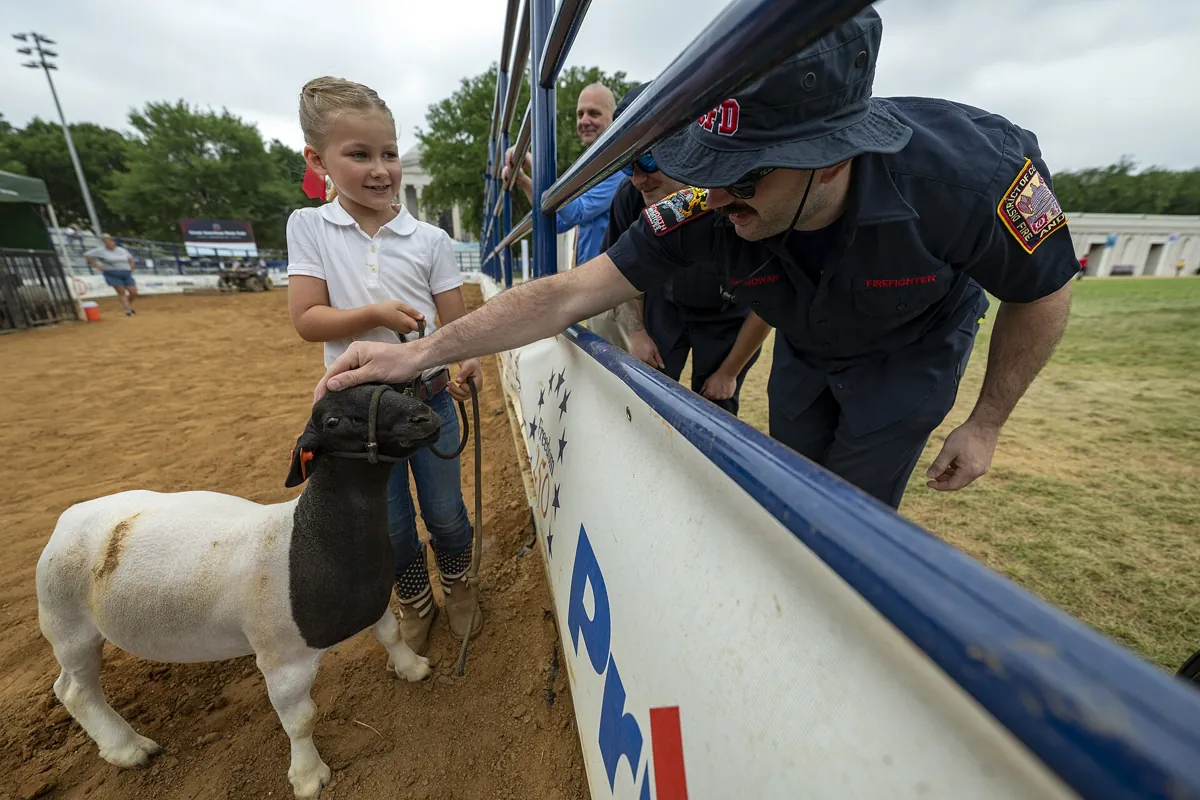
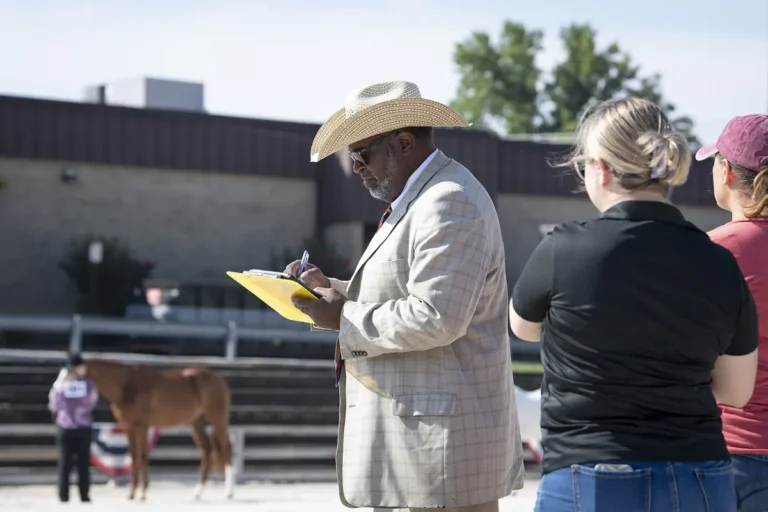
The livestock side is the loudest and most watched. Beef and dairy cattle, swine, sheep, goats, poultry, and rabbits are housed in barns that stay busy from early morning through evening chores, and members lead their animals into show arenas where judges evaluate conformation, handling, and showmanship. Many county fairs close the week with a livestock auction, where local businesses and families bid on project animals — a tradition that turns months of feeding and grooming into a paycheck for the young exhibitor.
Around those two anchors, the fair adds a grandstand schedule, a carnival midway, food stands, commercial booths, and open-class entries that let adults compete alongside the kids. It is a working agricultural event with a festival wrapped around it.
Two Centuries of Farming, Youth, and County Pride
Miami County was organized in 1832, when the land between the Wabash and the Mississinewa was being cleared, drained, and broken into farmsteads. Agricultural societies took shape across Indiana in the decades that followed, and the county fair became the annual occasion for growers and stockmen to compare crops, cattle, and equipment — and to argue about all three.
The 4-H half of the story arrived much later. Club work tied to corn growing, canning, and home projects spread through the Midwest in the early 1900s, and the Smith-Lever Act of 1914 created the Cooperative Extension Service that organized it county by county. Within a generation, the fair had shifted its center of gravity toward young exhibitors, and the phrase “4-H fair” replaced the older, broader “county fair” in everyday speech.
Over the decades the two traditions merged into one event. Buildings went up as the fair grew — barns for cattle, hogs, sheep, and goats; a show arena; an exhibit hall; a grandstand; a food stand staffed by volunteers. The fair weathered wars, hard economic years, and plenty of rain-soaked weeks, adapting each time rather than disappearing, which is roughly how a county tradition survives long enough to become a habit.
Inside Fair Week: Barns, Grandstand, and Midway in Miami County
Fair week in Miami County has a rhythm: quiet mornings in the barns, judging through the middle of the day, and crowds after supper. Here is what most visitors spend their time on.
Food: Tenderloins, Funnel Cakes, and the 4-H Food Stand
Fair food here follows the Indiana playbook — breaded pork tenderloins, corn dogs, elephant ears, funnel cakes, lemon shake-ups, and soft-serve ice cream. What sets a county fair apart is who is doing the cooking: 4-H clubs, church groups, and local nonprofit organizations often run the stands, so money spent at the window tends to circulate back into the community. Lines build around the dinner hour and again after the grandstand lets out.
Entertainment: Grandstand Nights and Local Talent
Evenings belong to the grandstand. Tractor and truck pulls, demolition derbies, and other motor-sport nights are common draws at Indiana county fairs, often paired with pageants, talent showcases, and live music from area bands. The midway typically runs all week with rides and games, and its lights are usually the last thing visible from the parking area at night.
Family Activities: Barns, Projects, and the Midway
Families with young children tend to start in the barns, where rabbits, poultry, goats, and calves are within easy viewing distance and exhibitors are usually happy to answer questions. Craft tables, children’s contests, and hands-on activity areas round out the daytime offerings. Strollers are common and the grounds are walkable, though the gravel between buildings can be dusty in dry weather and muddy after a storm.
Planning a Fair Week in Miami County
A little preparation makes a summer evening at the fairgrounds far more comfortable.
Getting There: Peru, US-31, and County Roads
US-31 runs north-south through Miami County, and Peru serves as the main hub for visitors coming from Indianapolis, Kokomo, Logansport, or Rochester. Almost everyone arrives by car. The county roads that feed the fairgrounds narrow quickly once you leave the highway, so allow extra time during the evening rush to the gate.
Where to Stay Near Miami County
Lodging in the county is limited, with the largest concentration of motels and inns in and around Peru. Kokomo and Logansport add more options within a reasonable drive, and campers sometimes find fair-week sites in the area — it is worth checking well ahead. Plenty of families simply day-trip from home.
Parking Around the Fairgrounds
Parking is generally on or immediately adjacent to the grounds, frequently in grass lots. Volunteers usually direct traffic, and following their signals is the fastest route in and out. Arrive early on grandstand nights, and keep an eye out for low spots after heavy rain.
Admission and Day-to-Day Costs
Admission to the fairgrounds is typically free, with spending concentrated on carnival rides, grandstand events, midway games, and food. Bringing some cash is still wise for smaller vendors and donation jars, even though card readers are increasingly common at fair stands.
Weather During a Northern Indiana Fair Week
July in northern Indiana means heat, humidity, and the real chance of an afternoon thunderstorm. Wear shoes you do not mind getting dusty or muddy, carry water, and plan on a shaded break in the middle of the day. Evenings usually cool off nicely, which is why the barns and the midway fill up after supper.
A Sample Weekend at the Miami County 4-H Fair
Friday afternoon: Arrive mid-afternoon when parking is easy, walk the exhibit building first while it is quiet, then work through the barns before the dinner crowd arrives. Grab a tenderloin and find a seat near the show arena.
Friday evening: Stay for the grandstand program, then let the midway lights take over. This is the loudest, busiest stretch of the week and the best time to run into people you have not seen since last summer.
Saturday morning: Come early for the livestock shows. Judging starts while the grounds are still cool, and the arena rail is the best seat in the county for watching showmanship classes.
Saturday afternoon: Browse the commercial booths, catch a demonstration or a children’s contest, and check the exhibit hall for ribbons posted on projects. A second pass through the food stands is entirely acceptable.
Sunday: A quieter day, often built around remaining shows and family activities. It is a good window for anyone who wants the fair without the Saturday crowd.
Miami County’s Fair Beside Kokomo, Wabash, and Logansport
Miami County sits in the middle of a cluster of similar county fairs. Howard County’s fair in Kokomo draws on a larger urban population and leans heavily on its midway and grandstand lineup. Wabash County’s fair, a short drive east, has a comparable agricultural focus and a similar small-town feel. Cass County’s fair in Logansport sits northwest along the Wabash and follows the same July rhythm of livestock shows, exhibits, and evening entertainment.
What distinguishes the Miami County fair is scale and intimacy. With 35,962 residents spread across 377.39 square miles, the county is small enough that exhibitors, judges, and spectators often know one another, which makes the barns friendlier and the competition a little more personal.
Fair Week Checklist for Miami County Families
Pack sunscreen, hats, refillable water bottles, and a light rain jacket; wear closed-toe shoes that can handle gravel and mud. Bring cash for smaller vendors and midway games, and a tote bag for project ribbons and fair souvenirs.
Check the current year’s schedule before you drive out, since show times, grandstand events, and gate hours shift from year to year. Plan your arrival around the dinner rush if you want easy parking, keep an eye on children near the midway and animal pens, and ask before touching any animal — exhibitors will almost always say yes, but it is their project and their week.
Beyond the Barns: The Rest of Miami County
If you are making a day of it, Miami County rewards a slower look. Peru has a long circus heritage and a downtown worth a walk, and the Wabash River shapes much of the county’s geography. The Mississinewa Lake area offers water recreation and wooded shoreline, while the Mississinewa River corridor south of Peru is known for its rock formations and hiking. Near Bunker Hill, an aviation museum draws visitors interested in the region’s military history.
Between fair visits, a rail-trail corridor passing through Peru makes an easy morning ride, and the county’s small towns — Mexico, Converse, Amboy, Denver, and Bunker Hill among them — are the kind of places where a stop for coffee turns into a half-hour conversation.
What This Fair Means to a County of 35,962
In a county this size, the 4-H fair functions as a civic calendar all by itself. It is where farm families and town families share the same bleachers, where local businesses buy auction animals to support young exhibitors, and where volunteers spend vacation days running food stands and check-in tables. The fair is also a rare public stage for skills that rarely get one: welding, woodworking, animal husbandry, baking, and public speaking.
For 4-H members, the week is the payoff for months of work that happened in barns and kitchens when nobody was watching. For everyone else, it is the summer’s best excuse to spend an evening outdoors with neighbors.
The Fair’s Corner of Miami County
The Miami County 4-H Fair takes place at the county fairgrounds serving Peru and the surrounding townships in Miami County, Indiana.
Practical Answers for First-Time Miami County Fairgoers
Is the Miami County 4-H Fair free to attend?
Admission to the fairgrounds is typically free, which makes it easy to stop by for an hour or come back three nights in a row. Budget for rides, midway games, grandstand events, and food, since those are where most spending happens.
What should families with young children plan for?
Start in the smaller animal barns, where rabbits, poultry, and goats are easy for small children to see, then move to the exhibit hall for hands-on activities. Weekday afternoons are calmer than weekend evenings, and a stroller handles the grounds well except in wet weather.
Can visitors watch the livestock shows and the auction?
Yes. Show arenas are open to spectators, and watching showmanship classes is one of the best free entertainment options of the week. The livestock auction near the end of the fair is also open to the public, and it is worth staying for even if you are not bidding.
When is the quietest time to visit?
Mornings and early afternoons are the calmest stretches, when judging is underway and the midway is still waking up. If you want the full sensory version of the fair — grandstand crowd, midway lights, long food lines — come on a weekend evening.
The Next Chapter for the Miami County 4-H Fair
County fairs across Indiana are adapting to a changing rural landscape: fewer farms, busier families, and a membership that increasingly comes from town as well as the countryside. The Miami County fair faces the same questions every year — how to keep barns full, how to fund building repairs, and how to stay relevant to young people who have more options for their summer than their grandparents did.
The answer, so far, has looked a lot like the past: volunteers, local sponsors, and families who keep entering projects. As long as exhibitors keep showing up with animals and poster boards, the fairgrounds outside Peru will keep filling each summer.
Last updated: October 2026
For anyone who grew up in Miami County, the 4-H fair is less an event than a marker of the season — the week when the county gathers under the same grandstand, eats too much fried food, and watches a kid in a white shirt lead a calf around a ring like it matters. It does matter, and that is why the tradition keeps going.
One Comment