Miami County Indiana Circus City Festival

Summer arrives in Miami County the way it arrives across north-central Indiana: hot, green, and unhurried. But in the county seat, the season picks up a rhythm all its own. Awnings go up along the blocks, the smell of popcorn and grilled onions drifts through the evening air, and the Miami County Indiana Circus City Festival turns a county of 35,962 people into a stage for a few days of big-top tradition.
It is a festival built on an unlikely local fact. This corner of the Wabash Valley, all 377.39 square miles of it, has been circus country for generations. Miami County was founded in 1832, and the flat farmland and compact city blocks that grew up since then have supported something rarer than corn: an amateur circus culture that still pulls families back every summer.
The Core Details of Circus City in Miami County, Indiana
Before you plan a weekend around it, here is the shape of the event in plain terms.
| Town / place | The Miami County area, centered on the county seat |
| County | Miami County, Indiana |
| County seat | Peru |
| Population | 35,962 (county) |
| Region | North-central Indiana, Wabash Valley |
| Typical timing | Summer, most often July |
| Admission | Free for much of the festival; some performances ticketed |
| Setting | Small-city streets, park blocks, and fairground-style grounds |
| Features | Amateur circus performances, parade, midway, food stands, youth circus tradition |
| Organizer | Local volunteers working with civic and circus groups |
Inside the Big Top: What the Circus City Festival Actually Is
Strip away the banners and the Circus City Festival is a summer gathering with a very specific personality. It is not a touring carnival that drops in for a week and leaves. It is a community production, staffed largely by people who live within a short drive of the grounds, and its centerpiece is an amateur circus performed by local young people who train through the year for the privilege of stepping into the ring.
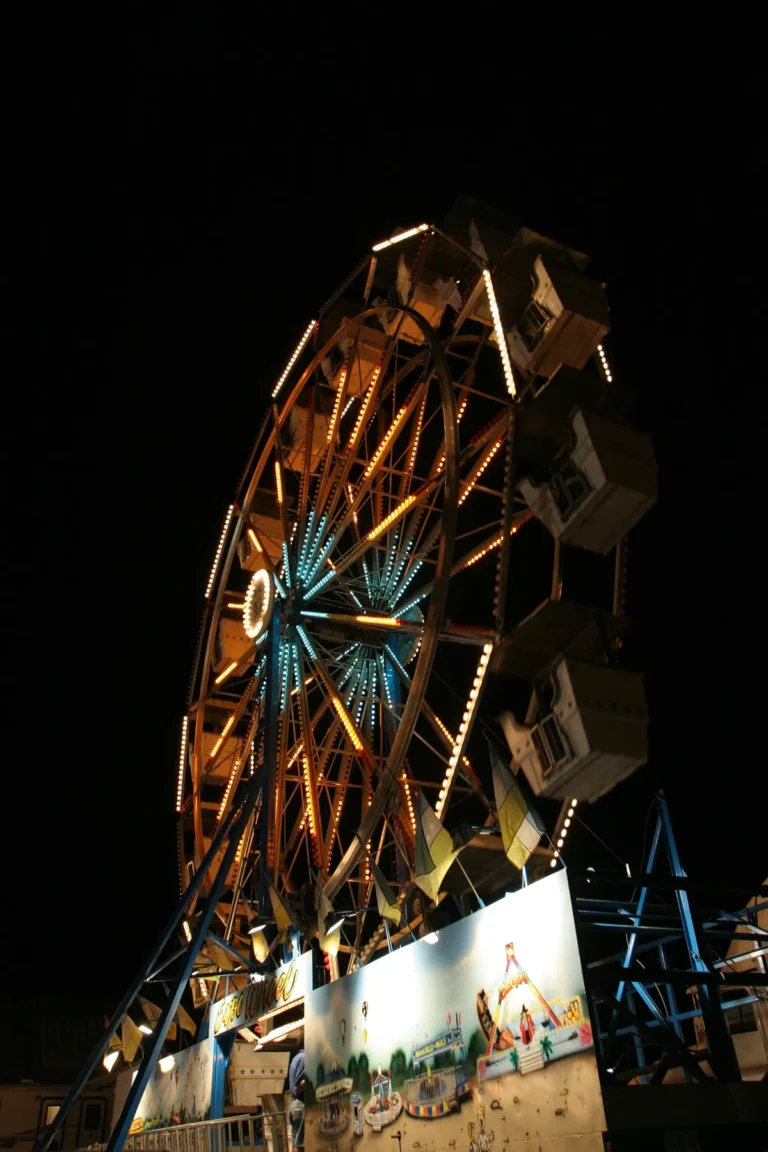
Around that core, the festival spreads outward. Streets near the grounds fill with food trailers and church booths. A parade threads through town, mixing marching bands with clown cars and hand-painted floats. Families claim shade under trees, kids spend their allowance on rides and funnel cakes, and by evening the whole county seems to be walking the same few blocks, greeting neighbors they have not seen since last summer.
For another look at how a community turns its own traditions into a gathering, see the Miami County Indiana 4-H Fair Festival for a useful comparison.
That mix is why the event works for such a wide range of visitors. You can spend an afternoon there with a stroller and a cooler, or you can build an entire weekend around it and never feel like you have run out of things to do. Much of the festival is free to wander, which makes it easy to sample and easy to leave and come back.

How Circus Came to Stay in Miami County
The county’s circus story begins with railroads, not rings. Miami County was founded in 1832, and by the late nineteenth century the rail lines crossing the Wabash Valley had turned the area into a practical base for large traveling shows. Winter quarters, where animals were housed and equipment was repaired between seasons, settled into the region, and for a stretch of the early twentieth century this was one of the places where American circus life actually happened rather than simply passed through.
When the big touring shows faded, the skills did not. Local families kept the training alive, teaching children tumbling, trapeze, tightwire, and clowning in gymnasiums and barns. The amateur circus grew out of that stubbornness, and the festival grew up around the amateur circus. What visitors see today is the descendant of a much older arrangement: a town that learned how to put on a show because the show used to live there.
The local pride is not sentimental decoration. It shows up in the details, from the hand-lettered signs to the way longtime residents can name which family a young performer belongs to. The festival is, in effect, an annual argument that the county’s most distinctive inheritance is worth keeping.
A Day at Circus City: Sights, Sounds, and Small-Town Rhythm
Plan on heat, crowds, and a lot of walking, and you will be prepared for almost everything the festival throws at you. Mornings are calm and shaded; afternoons are loud; evenings are when the grounds feel fullest and the parade or performance schedule tends to draw the biggest turnout.
Food Stalls, Church Booths, and Fairground Favorites
The food at Circus City is festival food in the best sense: tenderloin sandwiches, corn dogs, elephant ears, lemon shake-ups, kettle corn, and whatever the church and civic groups are selling out of their booths that year. Lines move quickly at the stands that open early and get long at the ones that do not. Cash still helps at smaller booths, though card readers have become common. If you have picky eaters, there is usually something plain and fried within arm’s reach, and local restaurants on the surrounding blocks fill up fast once the lunch rush starts.
Parades, Bands, and the Amateur Big Top
Entertainment leans local. Marching bands, community musical groups, and small stage acts keep the daytime moving, and the parade is typically the moment when the whole county turns out at once. The headline, though, is the amateur circus itself. Performances are ticketed and seating is limited, so families who want to see the show often reserve early in the season. Expect live music, a ringmaster’s patter, and the specific thrill of watching a neighbor’s kid nail a routine they have practiced for months.
Family Activities From Morning Until the Lights Go Down
Rides, games, face painting, and hands-on circus-themed activities give children plenty to do between shows. Many families stake out a spot in the shade with blankets and folding chairs and treat the festival as an all-day base camp rather than a quick stop. Older visitors tend to gravitate toward the seating near the performance area and the quieter vendor rows, which makes the grounds feel welcoming across generations rather than geared to one age group.
Planning a Circus City Trip Around Miami County
Getting to the Miami County Area
The county sits in north-central Indiana, roughly midway between Indianapolis and the Indiana–Michigan line, with US and state highways feeding into the county seat from every direction. Most visitors arrive by car. If you are coming from out of state, Indianapolis is the usual gateway airport, with Fort Wayne as a second option; from either, the drive is straightforward highway miles followed by a short stretch of two-lane road into town.
Where to Stay Near the Festival
Lodging in the immediate area is limited, and festival weekends fill it quickly. Chain motels cluster along the main highway corridors, with more rooms in neighboring counties. Book months ahead if you want to walk to the grounds, or accept a twenty-to-forty-minute drive and enjoy the countryside on the way in. Campers often use nearby state-run and private campgrounds as a base.
Parking Around the Circus City Grounds
Street parking near the festival is first-come and disappears fast on parade day. Lot and field parking farther out is the more reliable choice, usually with a modest fee, and it keeps you out of the residential blocks where homeowners understandably want their driveways clear. Arrive before midday for the best options, and expect a short walk no matter where you land.
Admission, Tickets, and What Things Cost
Wandering the festival grounds and taking in the parade generally costs nothing. Ticketed circus performances are the main paid element, and prices are set by the organizers each season, so check the current schedule before you commit to a showtime. Beyond that, budget for food, rides, and games, which is where most families spend their money. Bring some cash for small vendors and a card for everything else.
July Weather and What to Wear
Midwestern July means heat, humidity, and the real possibility of an afternoon thunderstorm. Light clothing, a hat, sunscreen, and a refillable water bottle cover most of it. Add a poncho rather than an umbrella, since crowded rows and open seating make umbrellas awkward. Evenings cool off enough that a light layer is welcome if you plan to stay for the last performance.
A Sample Circus City Weekend, Friday Through Sunday
Friday: arrive in the early afternoon, park once, and walk the vendor rows while they are still uncrowded. Grab an early dinner from a food stand, then find a seat for an evening circus performance. If you have children, this is the calmest night to let them ride and play without long queues.
Saturday: claim shade early and settle in for the parade, which is the busiest stretch of the weekend. Spend the afternoon on the midway and at the smaller stage acts, then take a break at a local restaurant or back at your lodging during the hottest hour. Return for the evening show and stay for the after-dark atmosphere on the grounds.
Sunday: sleep in, then spend a slow morning exploring the county seat’s historic downtown blocks and grabbing breakfast. Catch one last walk through the festival before the booths pack up, and leave yourself time for a scenic drive out of town rather than a rushed exit with everyone else.
Circus City Compared With Nearby Indiana Festival Towns
Miami County’s neighbors each do summer in their own key. To the east, Wabash leans into its historic downtown and riverfront, with a quieter, architecture-focused feel. To the south, Kokomo brings a bigger-city scale, more hotel rooms, and an industrial heritage that shapes its events. To the west, Logansport and the surrounding Cass County communities offer a smaller, more agricultural flavor.
What sets Circus City apart is its single, unmistakable theme. Other towns throw a summer festival; this one throws a summer festival about a specific craft that a specific place kept alive. If you are comparing weekend options, come here for the performance tradition and the parade, and pair it with a neighboring county if you want a second day of variety.
A Short Prep Checklist for Circus City Weekend
Reserve ticketed circus seating in advance. Book lodging early or plan a nearby camping option. Bring cash, a refillable water bottle, sunscreen, hats, and folding chairs for shade seating. Wear comfortable shoes you do not mind getting dusty. Charge your phone and screenshot the schedule, since cell networks get congested in a crowd. Keep a poncho handy. Fill the gas tank before you arrive, and decide your parking plan before you reach the busy blocks.
Beyond the Big Top: The Rest of Miami County
The festival is a reason to come, not the only reason to stay. The county’s landscape is rural and open, with river bottoms, tree-lined roads, and reservoir country that rewards a slow drive. The county seat’s older commercial blocks are worth an hour of wandering, particularly for anyone who likes brick storefronts and small-town main streets that have kept their bones.
Outdoors, the area around the Mississinewa offers trails, water access, and picnic spots, while the surrounding farmland makes for easy cycling on quiet roads. Add in local diners and small museums, and a festival weekend can comfortably stretch into two full days of things to do without ever feeling padded.
What the Festival Means to Miami County
In a county of 35,962 people, a festival this specific does quiet but important work. It gives young performers a stage and a reason to train. It gives volunteers a shared project that spans generations and neighborhoods. It gives local businesses one of their strongest weekends of the summer, and it gives the county an identity that outsiders can actually name.
That last part matters more than it sounds. Plenty of rural communities host a summer celebration. Far fewer have a tradition that could only belong to them. Circus City is the county’s inheritance, dusted off and put back under the lights every year, and the fact that it is performed by amateurs is precisely what makes it worth the trip.
Where Circus City Sits in the Miami County Landscape
The festival takes place in and around Peru, the Miami County seat in north-central Indiana, with the main activity concentrated in the blocks near the center of town.

Answers for First-Time Circus City Visitors
When does the Circus City Festival usually take place?
It is a summer event, most often held in July, and it typically runs across a long weekend rather than a single day. Because the schedule shifts slightly from year to year, check the current season’s dates before booking travel or requesting time off.
Is the festival free to attend?
Much of it is. Walking the grounds, watching the parade, and enjoying the general atmosphere generally cost nothing. Ticketed circus performances and some activities are the paid elements, and prices are set by organizers each year, so plan to spend where you want the full experience.
Can visitors see an actual circus performance?
Yes, and that is the heart of the event. Local amateur performers present circus acts in a traditional big-top setting. Seating is limited and popular showtimes fill up, so reserve early in the season if a performance is your main reason for coming.
Is the festival suitable for young children and older visitors?
It is a family-oriented event with rides, games, and short-attention-span-friendly entertainment, and the grounds are walkable for most mobility levels. The main challenges are heat, crowds, and distance from parking, so bring water, plan shade breaks, and arrive early if anyone in your group tires easily.
Looking Ahead to Future Circus City Seasons
The festival’s future depends on the same thing it always has: local young people willing to learn the skills and local adults willing to teach them. As long as that pipeline holds, the county can expect its July weekend to keep drawing crowds from across north-central Indiana and beyond. Expect continued emphasis on the amateur performances, the parade, and the food-and-craft rows that surround them, with gradual modernization in ticketing and scheduling rather than any dramatic reinvention.
Last updated: October 2026
If you plan a trip around Circus City, build in more time than you think you need. The performance is the headline, but the lingering memory tends to be smaller: a shaded curb on parade morning, a paper cone of kettle corn, a county of 35,962 people briefly and cheerfully all in the same place. That is the kind of summer weekend worth driving for.


One Comment