Lee County Kentucky Lee County Fair Festival
At the Lee County Fair, the food line is the social center of the entire event. You stand in it beside farmers who have known each other since grade school, teenagers splitting a basket of fries, and grandparents holding a picnic table while someone else fetches lemonade. In Beattyville, Kentucky, the fair feels less like a spectacle than a long communal meal with a midway attached.
That matters in a county of 7,395 people spread across 211 square miles of eastern Kentucky hills. Vendors here cannot hide behind a crowd. If the pulled pork is dry or the pie case is empty, the whole county knows before the weekend is over — and that quiet accountability is exactly what makes fair food in Lee County worth planning a trip around.
Beattyville Basics: The Lee County Fair in Brief
| Town / area | Beattyville and the surrounding Lee County countryside |
| County | Lee County, Kentucky |
| County seat | Beattyville |
| Population | 7,395 (2020 census), across 211 square miles |
| Region | Eastern Kentucky hill country along the Kentucky River |
| Typical timing | A weekend in summer or early autumn |
| Admission | Generally free to enter; food, rides, and games priced individually |
| Setting | A small-town fairground with livestock barns, a midway, and open-air eating areas |
| Features | Concession stands, livestock shows, carnival rides, live music, community exhibits |
| Organizer | Local volunteers, civic groups, and community organizations |
Inside a Food-First County Fair in Beattyville
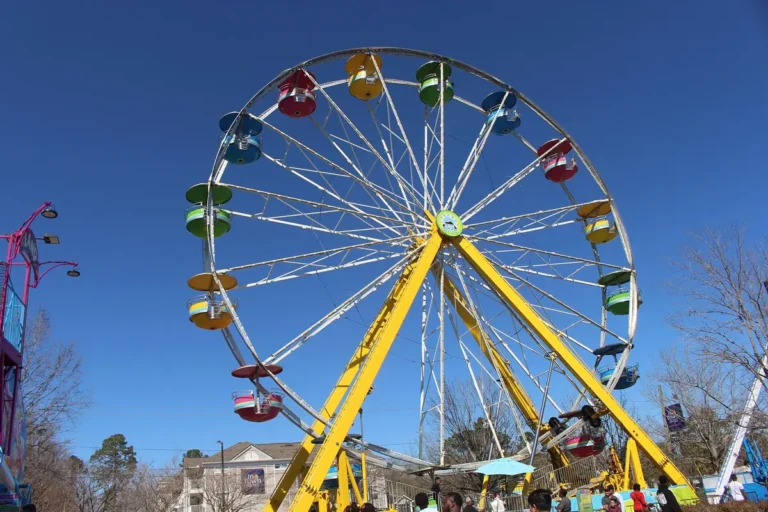
The Lee County Fair is a traditional Kentucky county fair with a small footprint and a long memory. Expect livestock barns where cattle, hogs, goats, and rabbits are groomed for judging; an exhibit hall crowded with canned tomatoes, quilted blankets, oversized squash, and school artwork; a midway of rides that creak and spin; and, threading through all of it, a food row that fills the evening air with smoke and sugar.
Because Lee County is small, the fair leans heavily on the people who live there. Booths are often run by families, neighbors, and civic groups rather than a traveling corporate crew, and the menu reflects it: slow-cooked meats, soup beans and cornbread, hand-cut fries, cake sold by the slice, and sweet tea in cups big enough to last a full lap of the grounds.
Admission is typically free, which is why so many locals treat the fair as a nightly routine rather than a single outing. You come for dinner, stay for the music, run into half the county, and return the next evening to eat whatever you missed.
From an 1870 County to a Fair Weekend That Fills Beattyville
Lee County was founded in 1870 and named for Robert E. Lee, with Beattyville established as the county seat. It is a compact, rural place — 211 square miles and 7,395 residents at the 2020 census — and its character has always been shaped by the rivers and ridges that cut through the landscape.
County fairs spread across Kentucky in the decades after the Civil War, when agricultural societies organized competitions for the best corn, the heaviest hog, and the finest preserves. The purpose was practical: farmers learned from one another, and communities gained a reason to gather once the crops were in. Lee County’s fair grew from that same impulse, and while the entertainment has changed — carnival rides, amplified music, funnel cake — the underlying logic has not.
Walk the exhibit hall and you can still see the original idea at work. A ribbon on a jar of pickles or a pen of rabbits means the same thing it did a century ago: this was grown, raised, or made here, by someone you know.
Over the generations the fair widened its reach, absorbing pageants, ballgames, school displays, and reunion tables until it became less an agricultural showcase and more the county’s annual homecoming. Today it functions as both.
What You’ll Eat, Hear, and Do at the Lee County Fair
The Food: Smoke, Sugar, and a Slice of Pie
Food is the headline act. Expect barbecue sandwiches and smoked chicken, grilled burgers and corn dogs, hand-cut fries loaded with toppings, walking tacos, and funnel cakes dusted while still hot. Lemonade shake-ups and sweet tea are the standard drinks, and somewhere on the grounds there is almost always a booth selling pie or cake by the slice, often run by a community group raising money for something local. Prices tend to be modest and portions generous, and cash remains the fastest way to pay. If you only have room for one thing, make it whatever is coming off the grill — that is where the fair’s reputation lives.
Music, Contests, and Evening Entertainment
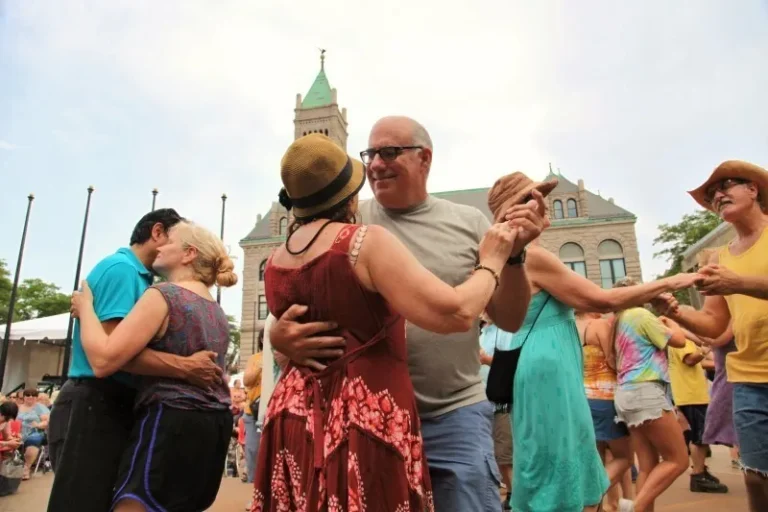
Evenings bring live music, usually country, bluegrass, and gospel-leaning sets from regional bands, plus the kind of contests that only work in a small county: talent shows, karaoke, pie-eating challenges, and good-natured competitions between neighbors. Seating is informal, so people spread blankets near the stage or lean against truck beds. The soundtrack is part of the food experience — you eat slowly because the band is still playing.
Family Activities and the Midway
Families typically arrive early, before the heat breaks and the midway gets crowded. Rides range from gentle kiddie spinners to the bigger swings and teacups that teenagers circle all night. Between rides there are games, a petting area or livestock barn to wander through, and plenty of open grass for kids to run while parents finish their food. Strollers handle the grounds fine, though the gravel and trampled grass are easier on closed-toe shoes.
Planning a Fair Weekend in Lee County
Getting to Beattyville
Beattyville sits deep in eastern Kentucky hill country, reached by two-lane state highways that wind through the ridges. Drive times run longer than the mileage suggests, especially after dark or in rain, so build in extra time and plan to arrive before the evening rush if you want an easy spot. From Lexington or the Mountain Parkway corridor, the final stretch is scenic but slow.
Where to Stay Near the Fair
Lodging in Beattyville itself is limited, so most out-of-town visitors base themselves in nearby towns or make the drive from a larger city. Campgrounds and cabin rentals in the surrounding river country fill quickly during fair season, and small motels along the regional highways are worth booking well ahead. If you are visiting for a single evening, a day trip is entirely realistic — just decide in advance who is driving home.
Parking Around the Grounds
Parking is usually field or lot parking near the fairground, directed by volunteers, and it fills as the evening entertainment begins. Arriving in the first hour of the fair gets you close and lets you eat before the longest lines form. Carpooling with neighbors is the local habit, and it solves both the parking and the driving-home question at once.
Admission and What a Night Costs
Admission is typically free, which keeps the fair accessible to everyone in the county. Your spending goes to food, drinks, games, and rides, with ride tickets or wristbands sold on the grounds. Bring small bills, since some stands still run cash-only, and set a rough budget per person — it is easy to spend more than planned once the smell of the fryers reaches you.
Weather, Clothing, and Comfort
Late summer and early autumn in eastern Kentucky mean warm, humid afternoons and noticeably cooler evenings once the sun drops behind the ridges. Dress in light layers, bring a hat and sunscreen for daytime, and add a light jacket for the night. Afternoon thunderstorms are common in the warmer months, so a small rain jacket beats an umbrella in a crowd. The grounds are grass and gravel, so comfortable, closed-toe shoes matter more than anything else you pack.
A Sample Fair Weekend, Meal by Meal
The first evening. Arrive early, walk the livestock barns and exhibit hall while the light is still good, then join the food row for dinner — a barbecue sandwich, a shared basket of fries, and lemonade. Eat near the stage, catch the first band, and finish with something fried and sweet. Ride the midway once the crowd thins.
The middle day. Start with breakfast in town, then return mid-morning for livestock judging and the exhibits you rushed past. Lunch is the fair’s second-best meal: soup beans, cornbread, and a slice of pie from a community stand. Spend the hot afternoon on the river or in the shade, then come back for dinner from a different booth and the evening’s entertainment.
The final afternoon. Make one last pass for the food you meant to try, buy something from the exhibit hall or a vendor tent, and leave before dark so the drive home is easy. The fair closes the way it opened: with people standing in line, talking about next year.
Pairing the Fair With Nearby Kentucky Towns
Set against the Kentucky State Fair in Louisville, the Lee County Fair is intimate by design — you can eat your way through it in an evening and still recognize most of the people around you. That scale is the appeal, and it makes the fair an easy anchor for a wider weekend in the hills.
Nearby county seats such as Jackson and Campton anchor their own communities the same way Beattyville does, and each is a reasonable detour if you are already in the region. Morehead offers the closest thing to a larger-town food and lodging base, while the Red River Gorge and Natural Bridge areas draw hikers who pair a morning trail with an evening at the fair. The result is a trip that mixes ridgeline views with funnel cake — a combination that suits eastern Kentucky unusually well.
Packing and Prep for a Beattyville Fair Weekend
– Cash in small bills for food stands and games
– Comfortable closed-toe shoes for grass and gravel
– A light jacket for cool evenings and a rain shell for storms
– Sunscreen, a hat, and refillable water for hot afternoons
– A folding chair or blanket if you plan to sit through the music
– A tote bag for exhibit-hall purchases and leftovers
– A charged phone, plus a car charger for the drive home
– Patience for two-lane roads and a slow, friendly crowd
Beyond the Fairgrounds: Lee County and the Red River Valley
The fair is only one reason to stay the weekend. The Red River runs through Lee County to meet the Kentucky River at Beattyville, and the surrounding valleys offer paddling, fishing, and quiet backroads that reward slow driving. Hikers based here are within reasonable reach of the Red River Gorge and Natural Bridge, two of the state’s best-known outdoor destinations.
In town, spend an hour on the main streets — small shops, local diners, and river views — and ask around about swimming holes and overlooks. People in Beattyville are generous with directions, and the best recommendations usually come from whoever is running the booth you just ate at.
A County Reunion: What the Fair Means to Lee County
In a county of 7,395 people, the fair is one of the few events that gathers nearly everyone in the same place at the same time. Civic groups raise money, young exhibitors learn how to present their work, and families who have scattered across the region come home for a weekend. It is a fundraiser, a reunion, and a showcase rolled into one.
That is why the food carries so much weight. Every stand is a small local economy, and every purchase supports a neighbor. Eating your way through the Lee County Fair is not just a pleasant way to spend an evening — it is the most direct way a visitor can participate in the life of the county.
Where Beattyville Hosts the Lee County Fair
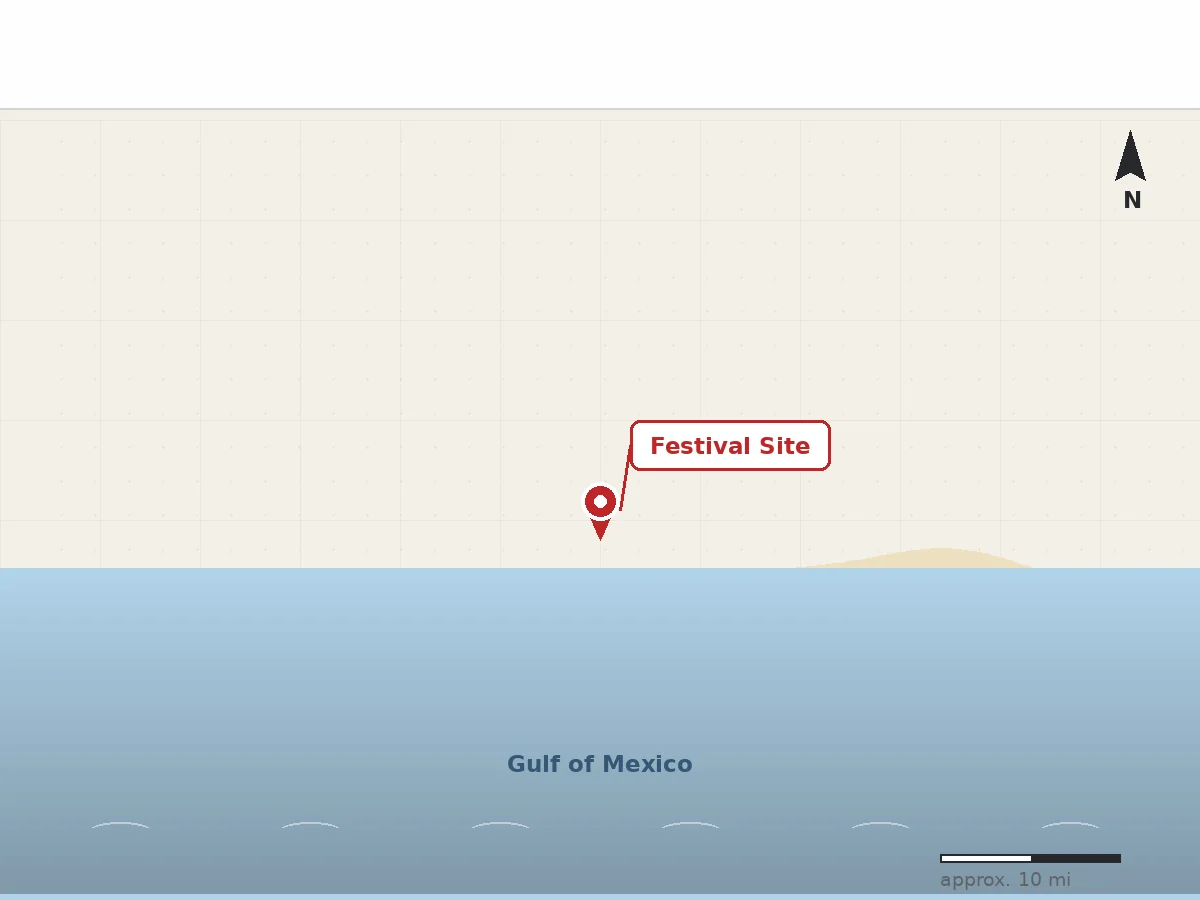
The Lee County Fair takes place in and around Beattyville, the county seat of Lee County in the hill country of eastern Kentucky.
Practical Answers for First-Time Lee County Fair Visitors
When is the Lee County Fair usually held?
It is typically held over a weekend in summer or early autumn, when the growing season is wrapping up and evenings are pleasant. Because the date shifts from year to year, confirm the current schedule through local listings and community announcements before you plan your trip.
Do I need to buy a ticket in advance?
Admission is generally free, so there is nothing to buy ahead of time. You pay as you go for food, drinks, games, and rides. Bring cash for the smaller stands and a card as backup, and expect ride pricing to be handled on the grounds.
What food should I make a point of trying?
Start with whatever is being grilled or smoked on site — barbecue, burgers, chicken — then add hand-cut fries and a lemonade shake-up. Save room for pie or cake sold by a community group, since those booths are often the most distinctly local thing on the menu and the money stays in the county.
Is the fair easy to visit with kids or older relatives?
Yes. The grounds are compact and flat enough to walk without difficulty, evenings are cooler and calmer than afternoons, and there is seating near the stage and eating areas. Arriving early helps if you are pushing a stroller or moving at a slower pace, and free admission means you can leave and return without worrying about the cost.
Looking Ahead: The Next Generation of the Lee County Fair
The fair’s future rests on the same thing that has sustained it for generations: local people willing to run a booth, judge a category, or cook all day for their neighbors. As younger families return to the county and visitors discover the food scene here, the fair’s role as both a homecoming and a small tourism draw keeps growing. Expect the formula to stay familiar — barns, midway, music, and a food row that smells like the whole county is cooking at once. Last updated: October 2026
Plan your trip around an evening meal and let the rest of the fair unfold from there. Eat slowly, talk to the people running the stands, and you will leave Beattyville understanding something a guidebook cannot tell you: in Lee County, dinner is the main event, and everyone is invited.