Middlesex County Massachusetts Lowell Folk Festival
Lowell was laid out before it was lived in. In the 1820s, mill owners cut canals from the Merrimack River and raised brick textile factories along them, drawing workers first from New England farms and then from Ireland, Quebec, Greece, Portugal, Cambodia, and Latin America. That layered population is the reason a folk festival makes sense here. Middlesex County, founded on May 10, 1643, is one of the oldest counties in Massachusetts, and its 847 square miles now hold 1,632,002 residents, according to the 2020 census. Lowell anchors the county’s northern tier.
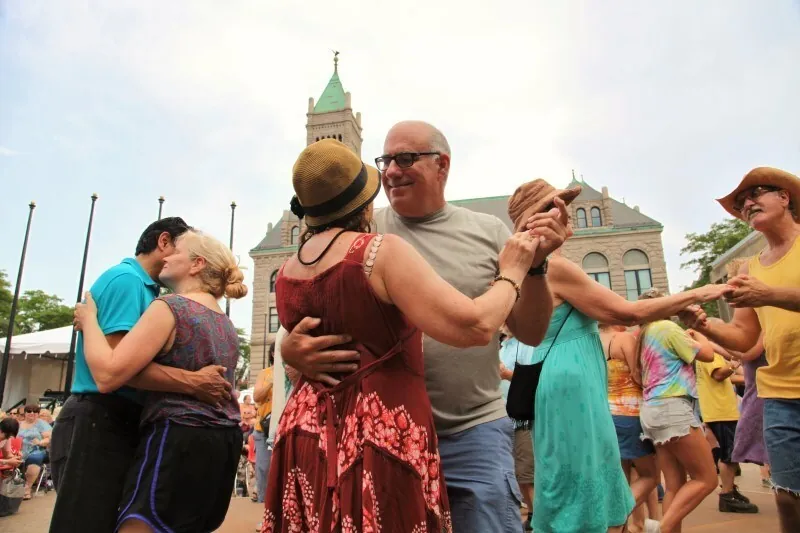
Every summer, on a weekend in late July, that history spills into the streets as the Lowell Folk Festival. Stages go up in the downtown blocks between the canals and the river. Food vendors cook from recipes carried across oceans. Admission is free, and has been for the life of the modern event. What follows is a guide to the weekend, the city wrapped around it, and the reasons the two fit together so well.
Lowell Folk Festival: The Middlesex County Basics
| Town / place | Lowell, in the Middlesex County area |
| County | Middlesex County, Massachusetts |
| County seat | Lowell and Cambridge, the county’s two historic shire towns |
| Population | 1,632,002 (2020 census, county-wide) |
| Region | Merrimack Valley, northern Middlesex County |
| Typical timing | A weekend in late July, in most years |
| Admission | Free |
| Setting | Downtown Lowell streets, canal blocks, and mill yards, within Lowell National Historical Park |
| Features | Multiple stages of folk, roots, and world music; dance; craft demonstrations; food vendors |
| Organizer | Local cultural organizations and city partners |
What the Lowell Folk Festival Is, and Where It Sits
The Lowell Folk Festival is a free, multi-stage celebration of traditional music, held in the streets of downtown Lowell. It is not a single concert in a field. Stages sit in parks, plazas, and closed blocks within a short walk of one another, and the audience drifts between them all day. Performers range from Appalachian string bands and blues players to musicians representing the city’s Cambodian, Portuguese, Greek, Franco-American, and Latino communities, alongside visiting artists from elsewhere in the country and the world. Craft demonstrators, dance troupes, and food stalls fill the gaps between sets. Because admission is free, the crowd is unusually mixed: mill-district neighbors, families with strollers, serious folk fans, and day-trippers up from Boston. Most years it runs across a weekend in late July, and the whole event sits inside Lowell National Historical Park, so the setting and the subject reinforce each other.
Mill Canals, Immigrant Streets, and the Rise of Lowell Folk
Lowell’s mills went up in the 1820s, and for a century the city ran on textiles and on the labor of people who arrived in waves: Yankee farm daughters, Irish weavers, French Canadians, Greeks, Portuguese, Poles, and later Cambodians and Latin Americans. When the mills moved south and the local economy hollowed out through the twentieth century, the canals and boarding houses sat idle and the city lost population for decades.
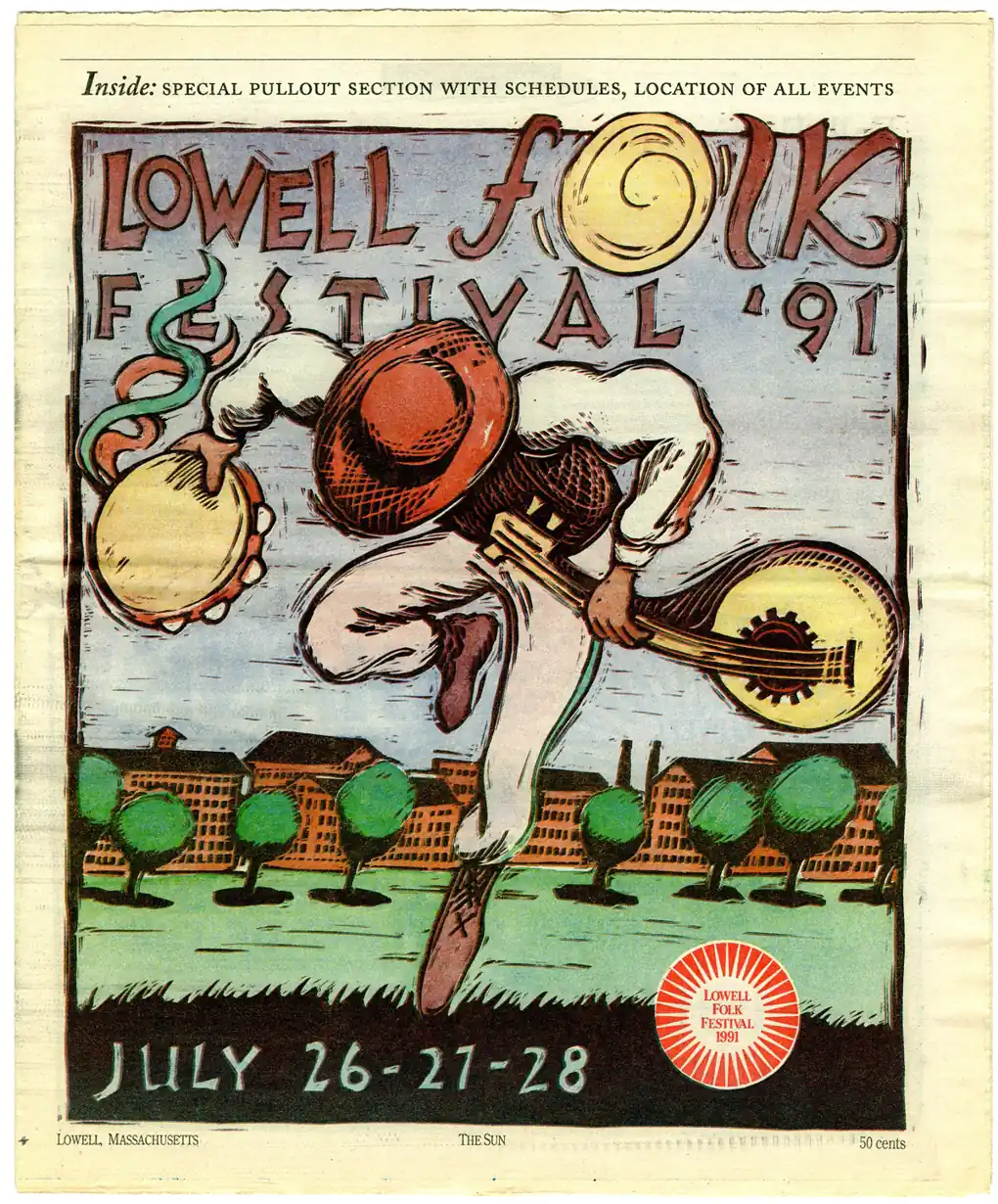
The revival came in stages. Preservation and heritage work in the 1970s turned the old industrial core into a national historical park and a museum district, giving the city a reason for visitors to walk its streets again. In the late 1980s, a traveling national folk festival brought its stages to Lowell for a run of years, and the city decided it did not want the music to leave when the tour did. Local organizers carried the event forward as the Lowell Folk Festival, keeping the free-admission model and the downtown footprint.
In the decades since, the format has barely needed reinvention. The festival still books tradition-bearers rather than chart acts, still places stages within walking distance of the canals, and still treats the city’s own immigrant lineage as its central programming idea. Each July weekend, that formula pulls tens of thousands of people into a downtown that once ran on mill shifts, and it does so without charging a dollar at the gate.
What a Weekend in Downtown Lowell Actually Feels Like
Expect crowds, walking, and a soundtrack that changes every forty minutes. The footprint is compact enough to cover on foot in a day, but dense enough that you will never see everything. Streets close to traffic, tents appear in the mill yards, and the whole district takes on the rhythm of a fairground with a serious record collection.
Food From the City’s Own Family Trees
The food rows are the clearest expression of what Lowell is. Expect Cambodian noodles and summer rolls, Portuguese grilled meats and pastries, Greek and Franco-American standards, Caribbean and Latin American plates, and the festival-stand usuals for anyone who wants something familiar. Vendors are largely local restaurants and community groups, which means the food is not generic fairground fare — it is the actual cooking of the neighborhoods surrounding the stages. Lines build around midday Saturday, so eat early or eat late.
Stages, Dance Floors, and Impromptu Sessions
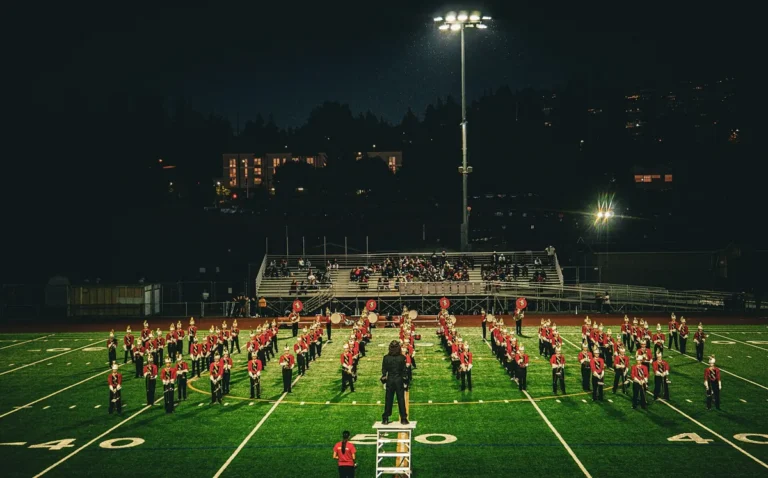
Programs run on several stages at once, which is the festival’s quiet genius: you can hear a Piedmont blues guitarist at one end of a block and a Balkan brass band at the other, then walk two minutes and catch a Cambodian classical ensemble. Between scheduled sets, musicians often gather informally, and dance troupes pull spectators into the open space in front of the stages. Bring a folding chair if you plan to park yourself, but plan to move — the best moments tend to happen at the edges.
Why Families Keep Coming Back
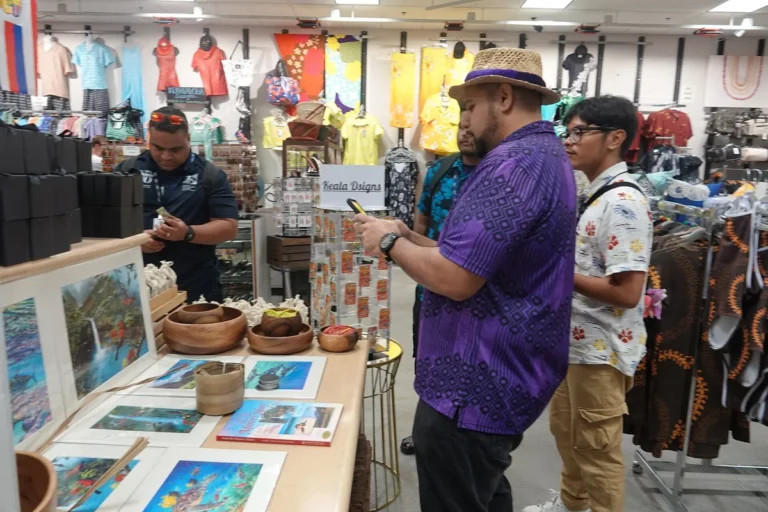
Free admission changes the economics of a family outing. There is no ticket window to argue with, so a household can come for two hours, leave for a nap, and return for the evening sets without feeling cheated. Craft demonstrations — weaving, woodwork, instrument making, and similar trades — give kids something hands-on between musical sets, and the compact downtown means bathrooms, shade, and benches are never far away.
A Sample Weekend: Friday Evening to Sunday Afternoon in Lowell
Friday evening. Arrive before the opening sets, when the streets are still easy to walk. Grab food from a vendor near the canal, find a stage, and let the first night set the tone. Friday crowds are lighter than Saturday’s, which makes it the best window for actually getting close to the performers.
Saturday. This is the full day. Start with a craft demonstration while the music stages warm up, then work through two or three stages in the afternoon. Break for an early dinner around four, when the food lines thin. Return for the evening program, which tends to be the strongest booking of the weekend.
Sunday. Come back for the quieter hours. Sundays at the festival feel more local — neighbors walking over, families with grandparents in tow, and a gentler pace on the stages. Stay through the afternoon closing sets, then walk the canal paths once the tents start coming down.
Planning a Trip to Lowell for Festival Season
Getting There by Train, Car, or Bike
Lowell sits roughly thirty miles northwest of Boston, and the commuter rail from Boston’s North Station runs directly into downtown, putting you within walking distance of the stages. That is the easiest option on festival weekend, when street closures shrink the driving footprint. By car, the city is reached from the major regional highways that cross Middlesex County. Cyclists do well here too, since the river and canal paths feed straight into the festival district.
Where to Stay in and Around Lowell
Downtown Lowell has a modest cluster of hotels within walking distance of the stages, and these book out early for festival weekend. If they are full, look to the surrounding Merrimack Valley towns and along the commuter rail line, where a short train ride replaces a long drive. Booking months ahead is the single most useful planning decision you can make.
Parking and Street Closures
Expect the streets nearest the stages to be closed to traffic. Garage and lot parking exists in downtown Lowell, but it fills quickly on Saturday. Arrive before mid-morning, or park farther out and walk in along the canals. If you are staying overnight, leave the car where it is and do the whole weekend on foot.
What the Weekend Costs
Admission is free, which is the festival’s defining feature and the reason its audience looks the way it does. Your spending will be food, drinks, crafts, and anything you buy from vendors. Set a cash budget as well as a card one — small community vendors sometimes prefer cash, and it is a simple way to support the groups that make the food rows worth visiting.
Late July Weather and What to Bring
Late July in the Merrimack Valley means heat and humidity, with the occasional afternoon thunderstorm. Bring water, sunscreen, a hat, and a light rain layer. Most of the festival is outdoors and much of it is on pavement, so comfortable shoes matter more than anything else you pack. A refillable bottle and a small folding chair will carry you through a full day.
Nearby Alternatives Across the Merrimack Valley and Beyond
If you are building a summer of festivals around Middlesex County, Lowell is the anchor but not the only option. Cambridge, the county’s other shire town, hosts a steady stream of cultural and street events tied to its universities and squares — more scattered, more academic in flavor, and easier to combine with a museum day. Gloucester, out on Cape Ann, offers a waterfront festival tradition rooted in its Italian-American fishing community, with processions and harbor-side food that feel nothing like Lowell’s canal blocks. Salem, meanwhile, leans on maritime and heritage tourism year-round. Lowell’s advantage is the combination: a genuinely free, walkable, three-day music program staged inside a preserved industrial landscape.
A Short Pre-Trip Checklist for Lowell Folk Weekend
Book lodging early, ideally months ahead, and confirm whether it sits on the commuter rail line. Check the festival’s published schedule in the weeks before the weekend and mark two or three sets you refuse to miss. Charge your phone, but plan on spotty signal in dense crowds. Wear broken-in shoes, bring a refillable water bottle, sunscreen, and a light rain jacket. Carry some cash alongside a card. If you are driving, decide now whether you will use a downtown garage or park out and walk the canal paths. Finally, leave room in the plan for wandering — the between-set hours are where this festival earns its reputation.
Beyond the Stages: Lowell and Middlesex County Between Sets
Lowell rewards a longer stay. Lowell National Historical Park runs canal boat tours and interpretive walks through the mill district, and the Boott Cotton Mills Museum puts the looms back in motion so you can hear what the city used to sound like. The Whistler House Museum of Art and the city’s Jack Kerouac connections add literary and artistic layers, while Western Avenue Studios opens a working artist complex in a former mill. Farther afield, Middlesex County holds Concord and Lexington, Minute Man National Historical Park, and Walden Pond — all within an easy drive of Lowell and all worth tacking onto a festival weekend.
The Role Lowell Folk Plays in Middlesex County’s Cultural Calendar
For a county of 1,632,002 people spread across 847 square miles, a free downtown festival is a rare kind of civic infrastructure. It gives immigrant communities a stage on their own terms rather than as a heritage display, it puts a former industrial district to use in the way its planners originally intended — as a place where people gather to work and trade — and it costs nothing to enter, which means the audience reflects the city rather than the region’s wealthiest residents. That combination is why the festival has survived for decades while other events have come and gone.
Where Lowell Folk Festival Happens in Middlesex County
The Lowell Folk Festival takes place in downtown Lowell, in the northern part of Middlesex County, Massachusetts, across the streets, parks, and canal blocks surrounding Lowell National Historical Park and the Merrimack River.
Lowell Folk Festival: Answers for First-Time Visitors
Is the Lowell Folk Festival really free?
Yes. There is no admission charge for the music, and no ticket is required to enter the festival district. You will pay for food, drinks, and anything you buy from craft vendors, but the performances themselves are open to anyone who shows up. That free-access model is central to the event’s identity and to the makeup of its crowd.
When does the festival usually take place?
In most years, the Lowell Folk Festival is held across a weekend in late July, with programming beginning on Friday evening and running through Sunday afternoon. Because the exact weekend shifts from year to year, check the published schedule before you book travel or lodging. Late July is also the hottest, stormiest stretch of a New England summer, so plan accordingly.
What kind of music will I actually hear?
Traditional and roots music from many traditions, performed live and mostly acoustic. Expect blues, string band music, Celtic and Franco-American fiddling, West African and Caribbean groups, Cambodian classical and popular styles, Eastern European brass, and dance troupes that perform with live accompaniment. The through-line is tradition rather than genre, so the lineup changes character from stage to stage and hour to hour.
Can I get there without driving?
Yes. The commuter rail from Boston’s North Station stops in downtown Lowell, a short walk from the festival grounds, which makes car-free attendance genuinely practical. This is the recommended approach on the busiest day of the weekend, when street closures and parking demand make driving the least relaxing option. Bicycles work well too, thanks to the river and canal path network.
Looking Ahead to Future Lowell Folk Weekends
The festival’s future looks a lot like its past: free entry, a walkable downtown footprint, and programming built around the communities that actually live in Lowell. The pressures are familiar ones — funding for a no-ticket event, summer heat, and the logistics of closing streets in a working city — but the model has proven durable. As the Merrimack Valley’s population grows and changes, the food rows and stage lineups are likely to shift with it, which is precisely the point. A festival built on immigrant traditions stays relevant by staying open to new ones.
Last updated: October 2026
Lowell does not need a stage built for it; it already has the canals, the mill yards, and the streets. The folk festival simply fills them with music once a year and lets everyone in for free. Go for a single afternoon or the whole weekend, but go on foot, eat from the vendors who live in the neighborhoods around you, and stay for the set you did not plan on hearing.