Lac qui Parle County Minnesota Fair Festival
Nearly every county fair in Minnesota squeezes into July or August. The Lac qui Parle County Fair refuses the crowd. It waits for September — for school to restart, for the evenings to sharpen, for harvest to move from talk to work — and then it opens in Madison for four or five days under a name it chose for itself: The Little Minnesota State Fair.
The nickname is a boast, but the claim underneath it is seniority. The fair’s own branding counts its run from 1873, and the documentary record reaches a year further back, to a society organised in 1872 that exhibited the same year. By 1913, Madison’s fair was being billed as the oldest successive fair in Minnesota.
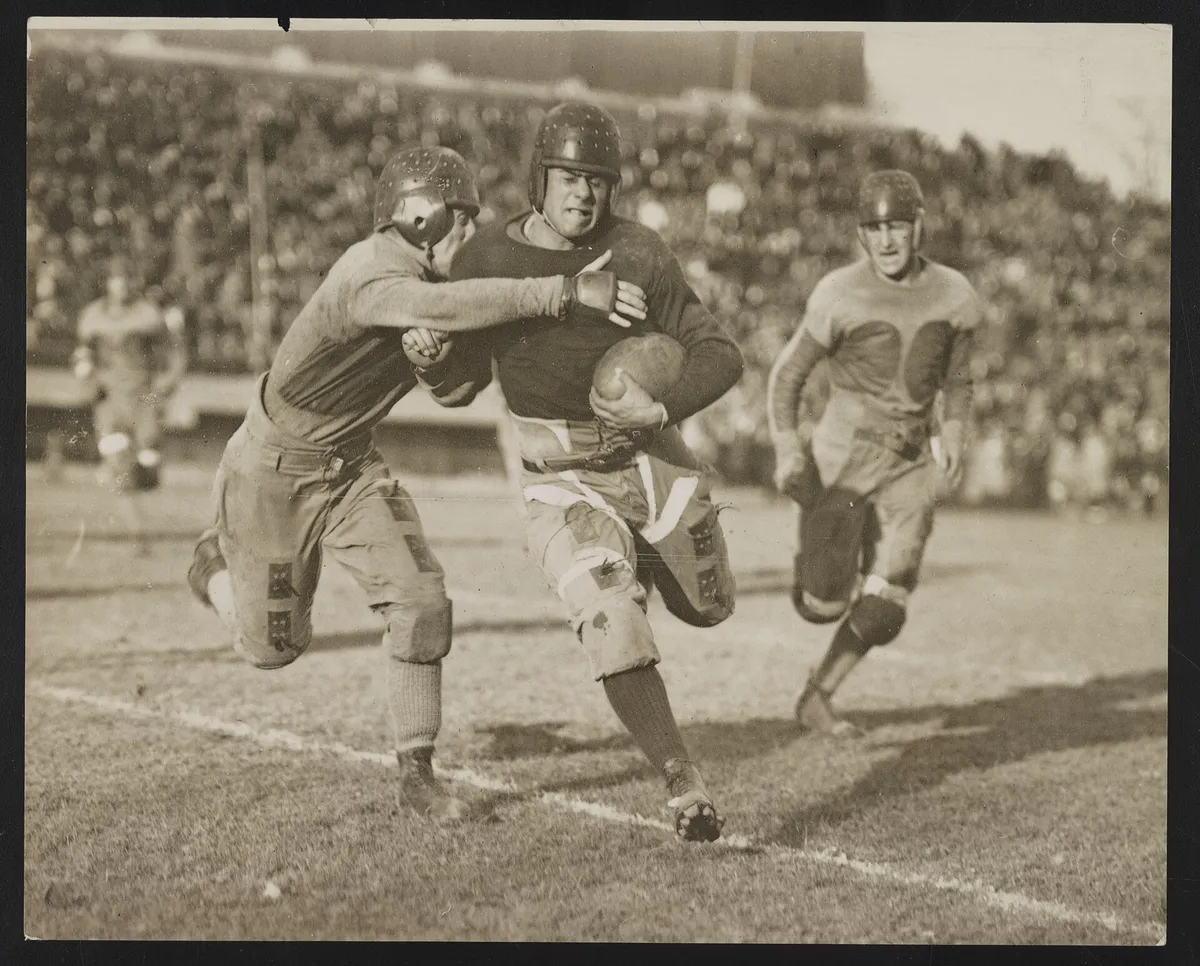
The grounds keep their own evidence. The grandstand seats, raised in 1961, stand over garages built to house school buses, so fair-week crowds and the weekday school fleet share one piece of architecture. Local history credits these grounds with another first: a football game played after dark under lights in 1926, remembered as the first night game ever staged in Minnesota.
What fills the September days mixes staples with things only this fair does. A demolition derby takes Saturday night and hands the crowd to beer-garden music; stock cars close the fair on Sunday. In the quieter corners stand a walk-in schoolhouse, a display of the fair’s own history, lumberjacks at their logs, and exhibits following the county’s food from field to fork.
Minnesota’s fair season rewards anyone who reads it as a journey from early to late: the Koochiching County Minnesota Fair Festival opens the late-summer run in August in the northern woods, and Madison answers weeks later on the prairie, with the oldest roots of any fair in the state. Start free in Northome; finish in September where the fairs began.
A County Seat Fair With Outsized Claims
Madison is the county seat of Lac qui Parle County, and the fair happens where the courthouse is. The fairgrounds stand on Fair Street near the junction of Highway 75 and Highway 40, run by the Lac qui Parle County Agricultural Society, the direct descendant of the body organised in 1872.
The draw is wider than the county line. Lac qui Parle borders South Dakota, and Madison’s fair pulls exhibitors and families from both sides of that border, giving the grounds a two-state audience most county fairs never see. An events center joined the grounds in 2013.
What the September Days Hold
Wrecking Cars on Saturday Night
Saturday night belongs to the demolition derby, when drivers batter ageing cars into one another until only one still moves under its own power. When the track clears, the crowd drifts to the beer garden, where live music carries the night from there — the fair’s loudest handover, from wreckage to song, in about twenty minutes.
Stock Cars Take the Final Night
Sunday night closes the fair at speed. Stock-car racing takes the track and gives the last evening a different register from the derby: laps instead of collisions, points instead of survival. The Sunday finale is an inheritance with engines — the earliest fairs here were built around horse racing, on a track laid out in the 1880s.
Crosscut Saws and Rolling Logs
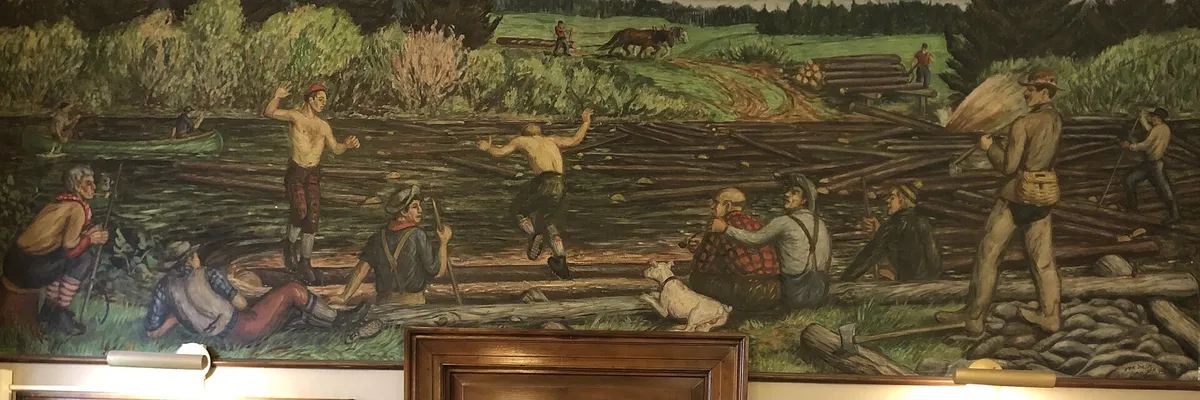
The All American Lumberjack Show has brought competitive timber skills to these grounds: sawing, chopping and log work performed as sport by people who treat a crosscut saw the way fencers treat a foil. It gives the daylight programme a headline act that needs no engine at all.
A Schoolhouse You Can Step Inside
The fair’s most distinctive exhibit is a building. An interactive one-room schoolhouse lets visitors sit where prairie children once recited lessons, and beside it stands a history display assembled with the Lac qui Parle Historical Society: the fair exhibiting itself. Few fairs anywhere treat their own past as a judged class; this one has been doing it for years.
Field to Fork: The County on a Plate
A programme called Field to Fork threads the exhibit halls, connecting what grows in county fields to what lands on county tables. It is the society’s founding purpose restated for a supermarket century: the benches of produce, preserves and baked goods are evidence, not decoration, and the programme walks visitors from seed to supper.
Gopher State’s Midway
The carnival midway has been supplied by Gopher State Exhibitions since 2017, setting a modern midway against its nineteenth-century bones.
The pairing is the fair in one view: Ferris-wheel lights above, a schoolhouse and a history display below.A Pocket Summary of the Madison Fair
| Event | Lac qui Parle County Fair |
| County | Lac qui Parle County |
| State | Minnesota |
| Fair Town | Madison (county seat) |
| Organiser | Lac qui Parle County Agricultural Society |
| Season | September, the second week — a four-to-five-day run ending Sunday |
| Grounds | 705 Fair Street, Madison, near the Highway 75 and Highway 40 junction |
| Nickname | The Little Minnesota State Fair |
| Gate | A modest adult gate is reported in listings, children free, parking included — confirm current figures |
| Known For | Roots in 1872, the state’s first night football game in 1926, a grandstand over school-bus garages, and a Saturday demolition derby |
Roots in 1872, a Sign That Says 1873
This fair’s founding comes with a footnote, and the honest telling gives both years. Scholarly history records that the Lac qui Parle County Agricultural Society was organised and held its first exhibit in 1872, and within a decade its fairs ranked among western Minnesota’s leading events. The fair’s own branding, meanwhile, declares it has been held since 1873. When the fair mounted a history display marking 141 years in 2013, the arithmetic sided with 1872.
Fifteen Dollars an Acre: Grounds of Their Own
For its first decade and a half the fair was a tenant; in 1886 the society bought the present fairgrounds land at fifteen dollars an acre. The first building rose in 1887, with a horse-race track and a grandstand holding five hundred. Early editions were autumn events, like today’s: a period newspaper describes an early-October fair here boasting the biggest races in western Minnesota.
1913: The Oldest Successive Fair in Minnesota
By 1913 the fair had run long enough to claim a title no rival could take: it was billed that year as the oldest successive fair in Minnesota. Successive is a claim about discipline: through droughts, depressions, wars and thin years, the society kept staging its fair while grander events elsewhere skipped or folded.
1948 and 1961: A Grandstand With Garages Underneath
The grounds took their modern shape in two moves. In 1948 the grandstand and track shifted south to their present alignment; in 1961 a new grandstand rose with school-bus garages built beneath the seats, an act of county practicality that still defines the site. The fair’s first tractor-pulling contest dates from that era — new horsepower under a stand built partly to shelter school buses.
Planning a September Trip to Madison
Finding the Grounds: Where Highway 75 Meets Highway 40
The fairgrounds stand near the junction of Highway 75 and Highway 40 in Madison, with the fair office on Fair Street. Drivers from the east cross a long stretch of prairie towns; drivers from South Dakota cross a state line and are nearly there. Navigate to Fair Street and let the midway lights finish the job.
Money at the Gate: Reported Figures, Honestly Labelled
Place listings report an adult gate of around seven dollars, children free and parking included, plus ride wristband sessions near thirty dollars.
Treat those numbers as a guide rather than a promise: they come from listings rather than the fair’s own published price sheet. Confirm current figures with the fair office before travelling, carry cash in small bills, and budget separately for food rows and grandstand extras.Beds in Madison, and the Camping Question
The fair publishes no camping offer on the grounds, so plan on a bed rather than a pitch: Madison’s in-town lodging serves fair week, and rooms in a small county seat go quickly once the derby crowd books, so reserve earlier than instinct suggests. Anyone determined to camp should confirm arrangements in the wider lake and prairie country directly, not assume a fairground hookup exists.
September Weather on the Prairie
Second-week September in western Minnesota is the hinge of the year: afternoons can still feel like summer, but the derby crowd watches in jackets, and clear nights after the races cool fast. Pack a genuine warm layer rather than a token one, and shoes that tolerate a midway after rain.
One September Weekend in Madison
The fair runs four or five days, but its shape concentrates beautifully into the closing weekend:
Saturday: Benches and Exhibits Before the Derby
Give Saturday daylight to the judged and the built: the exhibit halls and Field to Fork displays, the schoolhouse while it is quiet, the history display, and a pass down the midway before crowds thicken. Then take a grandstand seat for the demolition derby and stay on for the beer-garden music that follows it — Saturday’s arc runs from preserves to wreckage to song.
Sunday: Schoolhouse Stories and the Closing Laps
Sunday runs slower and rewards it. Revisit the heritage corners with time to read, and give the exhibits a last unhurried circuit as exhibitors begin their tallies. The fair closes the way its ancestors would recognise: at the track, under lights, with stock cars running the final night down.
Madison in September or Clinton in July: Two Western Minnesota Fairs
South of Madison, the Big Stone County Fair fills five days in mid-July in Clinton — held away from its county seat at Ortonville, with free admission, a ranch rodeo opening its week and a medallion hunt running through it. It is high-summer fairgoing at full generosity.
Lac qui Parle is the opposite pole of the same prairie. It charges a modest gate, gathers six or seven weeks later in September air, and puts engines — derby cars, then stock cars — where Clinton puts ranch horses. Choose by temperament: July and free in Clinton, or September and historic in Madison. The calendar, unusually, allows both.
Packing for the Little Minnesota State Fair
- The second week of September confirmed with the fair before booking travel
- Cash in small bills for the gate, food rows and midway
- A serious warm layer for the Saturday derby and the music that follows it outdoors
- A room in Madison booked early, since the fair publishes no camping offer
- Time set aside for the one-room schoolhouse and the fair-history display
- Sun protection for bright September afternoons on open prairie ground
- Footwear ready for gravel lanes, grass and a midway after autumn rain
- Sunday evening kept free for the closing stock cars
After the Fair: Madison Beyond the Fairgrounds
Madison guards a second title unrelated to agriculture: it styles itself the Lutefisk Capital of the USA, celebrated at the town’s separate November Norsefest rather than at the fair. Keep the two events distinct — September belongs to the fair, November to the fish — in a town fluent in Norwegian-American tradition year-round.
The county itself spreads west to the South Dakota line: licence plates on the fairground rows come from both states, and many families cross the border again before supper. Pair fair days with slow prairie miles: small towns, big sky, and harvest light.
Why an Unbroken Run Matters More Than a Big One
Plenty of fairs are larger; almost none are as unbroken. A successive run reaching back to the early 1870s means this fair has been restaged by five or six generations of the same county, each inheriting the habit rather than inventing it. The society that bought land at fifteen dollars an acre, tucked its buses under a grandstand and exhibited its own history beside the preserves is demonstrating something plain: a small county can keep a promise to itself for a century and a half. The nickname undersells it, if anything: this is not a little state fair. It is a long one.
The Fairgrounds in the County’s Geography
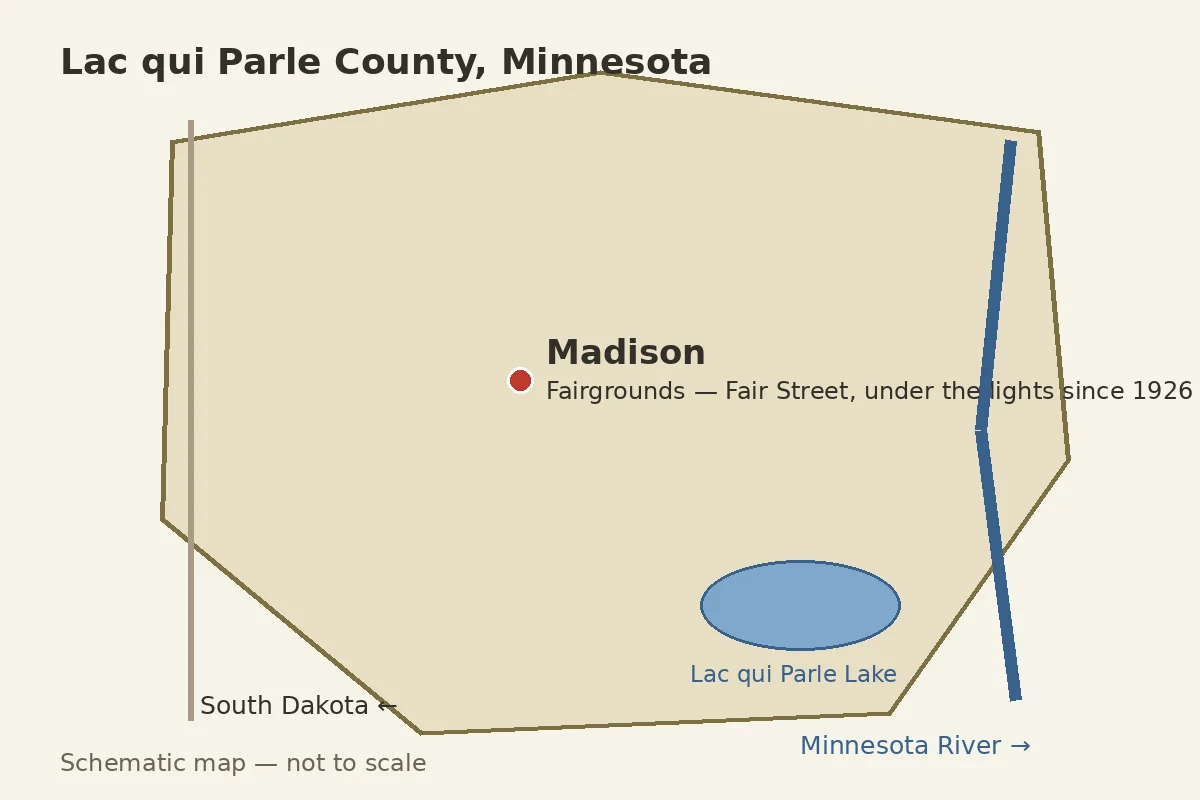
South Dakota closes the county’s western edge, prairie runs flat in every direction, and Madison anchors the map as county seat, with Highways 75 and 40 crossing at its edge. The fairgrounds sit by that junction on Fair Street, the events center and grandstand together forming the town’s largest room. The sketch below gives the shape of it, drawn for orientation, not accuracy.
Frequently Asked Questions
Why is it called The Little Minnesota State Fair?
The name is the fair’s own branding, and it points at depth rather than size: a full programme of exhibits, heritage displays, grandstand nights and a carnival, run at county scale. Coming from one of the oldest fairs in the state, it reads less as modesty than as a challenge.
How old is the Lac qui Parle County Fair, really?
Two honest answers stand side by side. The documentary record shows the county agricultural society organised and holding its first exhibit in 1872, and the fair’s own history display marking 141 years in 2013 supports that count. The fair’s branding says it has been held since 1873. Count from 1872 for the society’s roots, and you will not be wrong by more than the fair’s own sign allows.
What does it cost to get into the Lac qui Parle County Fair?
Listings report an adult gate of around seven dollars, with children admitted free, parking included, and unlimited-ride wristband sessions at around thirty dollars. Those figures are listing-reported rather than confirmed on an official price sheet, so verify them with the fair office before travelling and carry cash either way.
What happened at the Madison fairgrounds in 1926?
Local history credits the grounds with hosting a football game played at night under lights in 1926, remembered as the first night football game in Minnesota. The claim rests on local historical accounts rather than contemporary reports, but the fair has carried the story for generations, and it fits a fairground that doubled as the county’s sporting arena.
What to Expect From the Next Lac qui Parle County Minnesota Fair Festival
How often is the Lac qui Parle County Fair held?
Once a year. The agricultural society has staged it successively since the early 1870s, and the September edition remains the fixed summit of Madison’s calendar.
When is the next Lac qui Parle County Fair?
The next edition is expected in the second week of September, running four or five days and ending on Sunday. The confirmed programme appears as the season approaches.
Will the dates change?
September is this fair’s ancestral season — even its earliest editions were autumn events — so a move to high summer is very unlikely. The span within that week can flex between four and five days, so fix travel plans once the fair confirms its dates.
Most fairs ask for a weekend. This one asks for a September, and gives back a century and a half: buses sleeping under the grandstand, a schoolhouse keeping its lessons, derby cars at night and stock cars to close. Come to Madison in the second week of September, and stand where Minnesota fairgoing has its longest unbroken memory.
Last updated: October 2026