Harlan County Kentucky Poke Sallet Festival
In the first days of June, the streets of downtown Harlan fill with music, carnival lights and the smell of a mountain green that most gardeners spend the season pulling out of the ground. The Harlan County Kentucky Poke Sallet Festival turns poke sallet, a wild plant long gathered and cooked across Appalachia, into the centrepiece of a three-day homecoming in the county seat of Harlan County. The record behind it is unusually deep: the organiser’s own site, the county tourism layer, a regional magazine layer, a statewide youth-advocacy layer and a county economic-development layer all document the festival, and the organiser’s own history page carries an origin account reaching back to a dinner table in the middle of the last century.
About the Harlan County Poke Sallet Festival
The event circulates under two name forms, and the record keeps them unmerged. The organiser’s own site and a statewide youth-advocacy layer print the full “Harlan County Poke Sallet Festival”, while a regional magazine layer, the county tourism layer and a county economic-development layer use the shorter “Poke Sallet Festival”. Neither form is treated here as a correction of the other; a reader searching for schedules will do best to try both.
The festival belongs to Harlan. A reference layer settles the town’s standing in a single clause: “Harlan is the county seat” of Harlan County. Cumberland, elsewhere in the same county, is the county’s most populous city, but it is not the seat, and it is not this festival’s home. The modern setting is downtown Harlan, centred on the Harlan Center, according to the organiser’s own site and the county tourism layer, with stages, shows and attractions spread across the town centre.
The organiser’s own site bills the festival as “presented by Harlan County Fiscal Court”, alongside named commercial sponsors, and the festival’s own organisation runs the official site. No single incorporated organiser name is adopted anywhere in the record, so none is invented here.
Quick Facts
| Item | Detail |
| Published name forms | Harlan County Poke Sallet Festival; Poke Sallet Festival |
| Host town | Harlan, Kentucky |
| County standing | Harlan is the county seat of Harlan County |
| Setting | Downtown Harlan, centred on the Harlan Center |
| Earlier homes | Cranks Creek Lake, Pine Mountain Settlement School, the Harlan County Courthouse |
| Presented by | Harlan County Fiscal Court, as billed on the organiser’s own site |
| Documented editions | The sixty-eighth Annual, two thousand twenty-three; two thousand twenty-four; the seventy-first Annual, two thousand twenty-six |
| Programme anchors | Main, gospel and bluegrass stages; Poke Sallet Idol; Run for the Hills 5K; 15th Annual Sue Ford Memorial Car Show |
| Gate admission | The layers read give neither a price nor a free-entry statement |
History
The organiser’s own history page gives the festival a beginning with a table, a dish and a group of friends. Drew Smith and friends sat down to a dinner featuring poke sallet in the spring of nineteen fifty-five and came away from that meal with the idea of building a festival around the plant. The first festival followed the next year, held at Cranks Creek Lake. That account is carried here exactly as the organiser’s own history page states it.
For a useful comparison, see the Hardin County Kentucky Folklore Festival for another county festival.
The celebration did not stay at the lake. The organiser’s history page names the homes it occupied across its life: Cranks Creek Lake first, then Pine Mountain Settlement School and the Harlan County Courthouse among them, before the event settled into the downtown Harlan footprint around the Harlan Center that the modern layers describe.
The billing numbers run alongside that account. The county tourism layer lists the two thousand twenty-three edition as the sixty-eighth Annual, and the organiser’s own site bills two thousand twenty-six as the seventy-first Annual. This article takes the billings at face value, as labels the layers print, and does not work them backwards into a founding year. The organiser’s own page already supplies its own chronology — conception in the spring of nineteen fifty-five, a first festival the following year — and the two accounts are left standing side by side rather than forced into agreement.
One further claim is fenced out entirely. A content-farm page about a “Poke Sallet Festival 2026” asserts that the festival began in nineteen fifty-one and pads its account with an invented hotel and an invented airport. That page was read and disowned in full; its date plays no part here.
What to Expect
Three stages divide the music between them, and for the seventy-first Annual in two thousand twenty-six the organiser’s own site publishes the fullest programme in the record. The main stage runs a Journey tribute act on the Thursday, Danny Gokey on the Friday and LANCO headlining the Saturday. A gospel stage set on the Harlan Center plaza is headlined by Jeff and Sheri Easter. A bluegrass stage carries the mountain sound the region treats as its own. A county tourism feature, plainly enjoying the arithmetic, lists seventy-one attractions for the seventy-first edition.
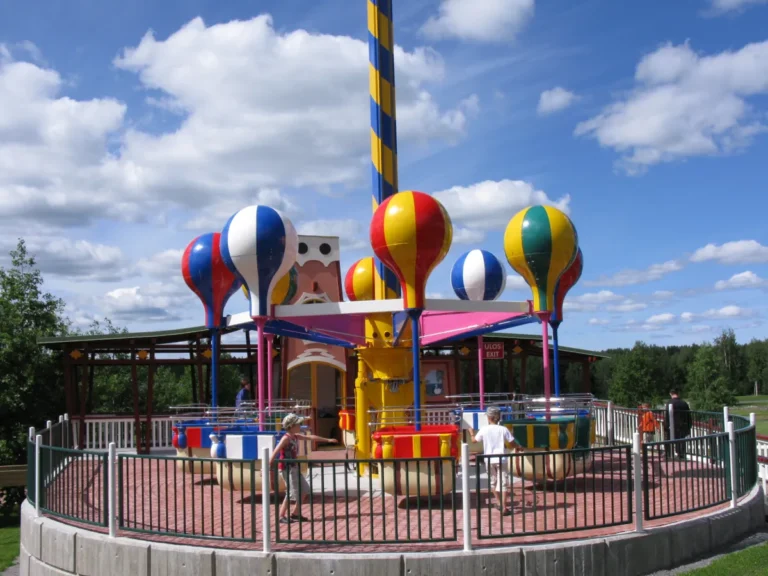
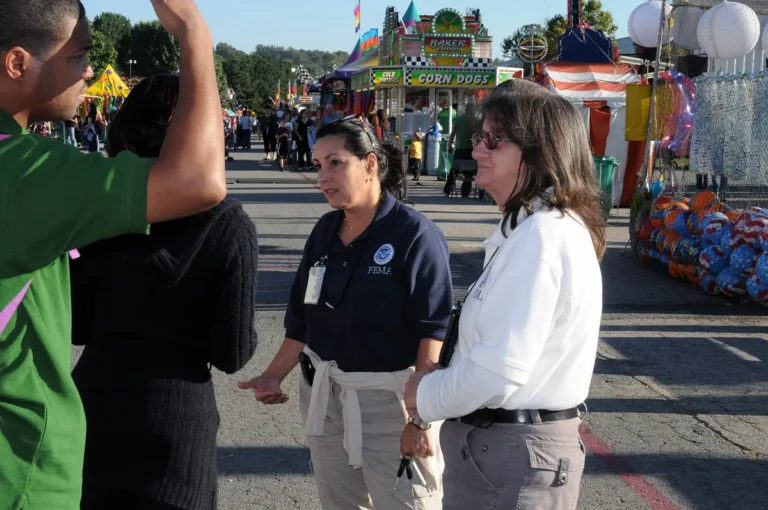
Around the stages, the two thousand twenty-six programme sets the Poke Sallet Idol singing competition, the Run for the Hills 5K, a pet show and the 15th Annual Sue Ford Memorial Car Show. The wider programme, drawn from the organiser’s own site, the statewide youth-advocacy layer and the county tourism layer, adds pageantry, a golf tournament, a carnival and vendor rows, with poke sallet itself served from the food stands.
Earlier editions show the same skeleton. The county tourism layer documents the sixty-eighth Annual, Thursday the first to Saturday the third of June two thousand twenty-three, in downtown Harlan, with evening music events, a car show and a gospel stage. A regional magazine layer gives the two thousand twenty-four run as Thursday the thirtieth of May to Saturday the first of June, again in downtown Harlan, and repeats the organiser’s history account.
Planning Your Visit
The documented pattern is a three-day run from Thursday to Saturday at the turn of the month: early June in two thousand twenty-three, the last days of May into the first of June in two thousand twenty-four, and Thursday the fourth to Saturday the sixth of June in two thousand twenty-six. Build the trip around downtown Harlan and the Harlan Center, where the gospel stage occupies the plaza and the remaining stages and shows spread through the town centre.
Admission needs a careful word, because the record takes no side. No layer read sets out a gate price for general entry, and no layer read promises that general entry is free, so this article states neither. The singing competition’s grand prize is a competition prize, not an admission figure, and the 5K is a component event, not a ticket into the festival. Travellers should expect individual components — the run, the golf tournament, pageant and competition entries, carnival rides and food — to be arranged on their own terms, and should confirm the current edition’s details close to the date. The organiser’s site and the tourism layers print addresses and contact routes for the festival, though their details are not reproduced here.
A Sample Three-Day Itinerary
Thursday belongs to arrival and a first circuit. Settle into Harlan, walk the downtown grounds, take a first plate of poke sallet from the food stands, and close the evening at the main stage, where the two thousand twenty-six run opened with a Journey tribute act.
Friday suits the daytime programme. Split the morning between the bluegrass stage and the car show crowds, leave space for the pageantry, and then give the evening to the main stage headliner; in two thousand twenty-six that Friday slot belonged to Danny Gokey, with the gospel stage running at the Harlan Center plaza.
Saturday is the fullest day and rewards an early start. Open with the Run for the Hills 5K if you are running, or the pet show if you are not, catch Jeff and Sheri Easter headlining the gospel stage, follow the Poke Sallet Idol competition through its deciding rounds, and stay downtown as LANCO closes the main stage and the seventy-first Annual winds down around you.
How the Harlan County Festival Compares
Poke sallet is celebrated beyond Kentucky, and the layers are firm on the point: poke sallet festivals in other states are different events that share a plant, not branches of this one, and nothing from them is imported here. Within the region, what distinguishes the Harlan gathering is the depth and agreement of its record. An organiser-published origin account, billings counted into the seventy-first Annual and three music stages running at once add up to a festival documented the way much larger events wish they were.
The comparison that matters most locally is quieter. Cumberland is Harlan County’s most populous city, yet the county’s signature celebration sits in Harlan, the seat, and has moved through the seat’s own landmarks — courthouse, civic centre, downtown streets — across its documented life.
A Visitor Checklist
- Confirm the current edition’s dates on the organiser’s own site before booking travel
- Search both published name forms when looking for schedules and line-ups
- Plan around a Thursday to Saturday shape at the turn of May into June
- Reserve an unhurried block for the gospel stage on the Harlan Center plaza
- Eat the poke sallet at least once while the food stands are open
- Check component arrangements separately for the run, the golf tournament and competitions
- Leave the car show morning free for the 15th Annual Sue Ford Memorial Car Show
- Recheck admission details near the date, since the layers read state none
Beyond the Festival Grounds
The festival’s earlier homes double as a short tour of Harlan County heritage. Cranks Creek Lake, where the first festival was held the year after that nineteen fifty-five dinner, recalls the celebration’s lakeside beginnings. Pine Mountain Settlement School carries its own long educational history in the mountains and hosted the festival during its travelling years. The Harlan County Courthouse stands for the period when the county seat’s civic square held the event. A visitor with an extra day can pair the downtown programme with these places and read the festival’s geography in the landscape around it.
Why the Poke Sallet Festival Matters
Poke sallet is subsistence food turned celebration: a wild green that mountain families gathered and cooked because it was there, now honoured with three stages, a singing competition, a memorial car show and a headlined gospel plaza. For Harlan County, the festival converts that inheritance into a yearly argument on behalf of the county seat — evidence, assembled every early summer, that a small mountain town can fill its downtown for three days on the strength of its own table traditions. The billings, reaching the seventy-first Annual in two thousand twenty-six, point to a run that few community festivals anywhere can match, and the organiser’s own history page gives that long run a human scale: a spring dinner, a dish of greens, and Drew Smith and his friends deciding that the plant deserved a festival of its own.
Frequently Asked Questions
What exactly is the poke sallet the whole festival is named after?
Poke sallet is the cooked dish made from the pokeweed plant, a wild green long gathered in the Appalachian spring and prepared as a traditional mountain food. The organiser’s own history page roots the festival in that dish directly: the celebration was conceived at a dinner where poke sallet was served, and poke sallet food remains on the documented programme.
Which of the two printed name forms should a visitor search for?
Both. The organiser’s own site and a statewide youth-advocacy layer print “Harlan County Poke Sallet Festival”, while a regional magazine layer, the county tourism layer and a county economic-development layer print “Poke Sallet Festival”. Different layers carry different details, so searching both names gives the fullest picture of dates, stages and programme.
Who first thought of holding a festival about a plate of greens?
On the organiser’s own history page, the credit goes to Drew Smith and friends, who conceived the festival at a dinner featuring poke sallet in the spring of nineteen fifty-five. The same account states that the first festival was held the following year at Cranks Creek Lake. A content-farm page claiming a nineteen fifty-one beginning was read and disowned.
Which performers anchor the fullest documented edition?
The organiser’s own site publishes the two thousand twenty-six programme in full. Its main stage runs a Journey tribute act on Thursday, Danny Gokey on Friday and LANCO headlining Saturday, while the gospel stage at the Harlan Center plaza is headlined by Jeff and Sheri Easter, alongside a bluegrass stage, the Poke Sallet Idol competition, the Run for the Hills 5K, a pet show and the 15th Annual Sue Ford Memorial Car Show.
What to Expect From the Next Harlan County Kentucky Poke Sallet Festival
How often is Harlan County Kentucky Poke Sallet Festival held?
The documented editions each belong to their own year — the sixty-eighth Annual in two thousand twenty-three, a further edition across May into June two thousand twenty-four, and the seventy-first Annual in two thousand twenty-six — and the word Annual is built into the billings themselves, counting upward as the years pass. That pattern describes a yearly rhythm, even though the layers document some years in far more detail than others.
When is the next Harlan County Kentucky Poke Sallet Festival?
The record used here runs through the seventy-first Annual, held Thursday the fourth to Saturday the sixth of June two thousand twenty-six, and names no later date. Judging by the documented editions, an early summer Thursday to Saturday in downtown Harlan is the shape to watch for, and the organiser’s own site is where the next edition’s dates will surface first.
Will the dates change?
They already have, within limits. Two thousand twenty-three ran from the first to the third of June and two thousand twenty-six from the fourth to the sixth of June, while two thousand twenty-four began on the thirtieth of May and crossed into June. The Thursday to Saturday frame has held steady across all three documented editions, so a shift of a few days is entirely possible even while the weekend’s shape stays the same.
Closing Thoughts
The Harlan County Kentucky Poke Sallet Festival is a rare thing in the community-festival world: a celebration whose own organiser publishes where it came from, whose county tourism office counts its attractions by the edition number, and whose programme can hold a gospel plaza, a bluegrass stage and a national headliner inside one small downtown. It began, on the record, with a shared meal in the spring of nineteen fifty-five, and it is still, every early summer, fundamentally about that meal — a mountain town sitting down together, in public, around the green that grew wild on its own hillsides.