Wapello County Iowa Regional Fair Festival
Fair week in Wapello County rewards a planner. The Regional Fair pulls families from Ottumwa and from every corner of the county’s 436 square miles onto a rural fairgrounds for livestock shows, grandstand nights, and the kind of food that only tastes right outdoors. This guide is built around logistics: when the fair typically runs, how to approach the grounds, where to sleep, what to budget, and how to sequence a weekend so you are not circling a gravel lot after dark.
Wapello County Regional Fair: The Details Worth Knowing First
| Town or area | Wapello County area, Iowa |
| County | Wapello County |
| County seat | Ottumwa |
| Population | 35,437 (2020 census) |
| Region | Southeast Iowa |
| Typical timing | Late summer into early autumn, on a weekend |
| Admission | Traditionally free or low-cost at the gate, with some grandstand events ticketed separately |
| Setting | Rural fairgrounds in the Wapello County countryside |
| Features | Livestock shows, exhibit halls, carnival rides, grandstand entertainment, fair food |
| Organizer | Volunteer fair board and community groups |
What the Wapello County Regional Fair Actually Is
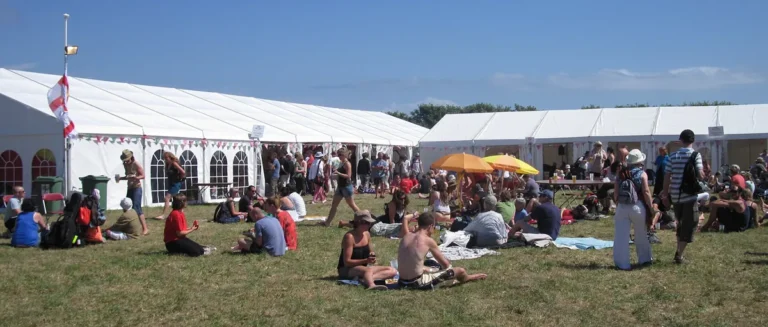
The Regional Fair is Wapello County’s hometown fair — a multi-day run of exhibits, livestock judging, carnival rides, and grandstand entertainment staged on a weekend in late summer or early autumn. It is not a stadium-scale commercial event. It is the county’s own fair, sized to a place where neighbors know the exhibitors by name.
Context helps. Wapello County sits in southeast Iowa, covers 436 square miles, and counted 35,437 residents in the 2020 census. Ottumwa is the county seat and the largest population center. The fair reflects that mix: farm families bringing animals and produce, town families coming out for the rides and the food, and alumni of every generation returning for the same reason.
Because the fair is compact, planning stays simple — but the details still matter. Gate timing, grandstand scheduling, and the weather all shape how a day goes. Treat the fair as a full-day outing rather than an hour-long stop, and you will get far more out of it.
How Fair Tradition Took Hold in a County Founded in 1843
Wapello County was established in 1843 and named for Wapello; Ottumwa has served as the county seat through its modern history. In the decades that followed, Iowa’s county fair movement grew out of local agricultural societies — organizations that existed to spread better farming practice and to give rural communities a reason to gather at the end of a growing season.
For another look at how a community turns its own traditions into a gathering, see the Wallace County Kansas Wallace County Fair Festival for a useful comparison.
That is the mold Wapello County’s fair tradition was cast in. Fairs of this kind began as competitions: the best corn, the heaviest hog, the finest quilt, the most disciplined team of horses. Ribbons mattered because they were proof of work done well, and the fairgrounds became the one place in the county where every part of that work was visible at once.
Over the generations the balance shifted. Carnival rides, stage acts, and grandstand programming arrived to broaden the audience, while the agricultural core stayed intact — livestock barns, exhibit halls, youth projects, and baking and canning entries. The modern Regional Fair is the result: an old institution wearing contemporary entertainment, still anchored to the calendar of an agricultural county.
On the Grounds: Food, Grandstand Nights, and Family Draws
The fairgrounds layout on a typical fair day is predictable, and that is a good thing. Expect a midway, one or more exhibit buildings, livestock barns, a grandstand, and a ring of food trailers and vendor tents. Knowing roughly what sits where saves a lot of walking.
Fair Food and the Local Vendor Line
Fair food is the main event for a lot of visitors. Expect the classics: corn dogs, funnel cakes, pork sandwiches, lemonade, and whatever the local church or civic group stands are serving. Lines run longest in the hour after the grandstand lets out and around midday on the busiest day of the run. Eat early or late, and carry cash in small bills — some stands move faster that way.
Grandstand Nights and Stage Entertainment
Grandstand programming is usually the evening anchor, whether that means a concert, a motorsport-style event, or another ticketed draw. Smaller stages and roaming acts fill the afternoon hours. Because lineups change from year to year, check the current schedule before building a day around one act, and arrive with time to spare — the best seats go early.
Family Activities, Livestock Barns, and Kid Zones
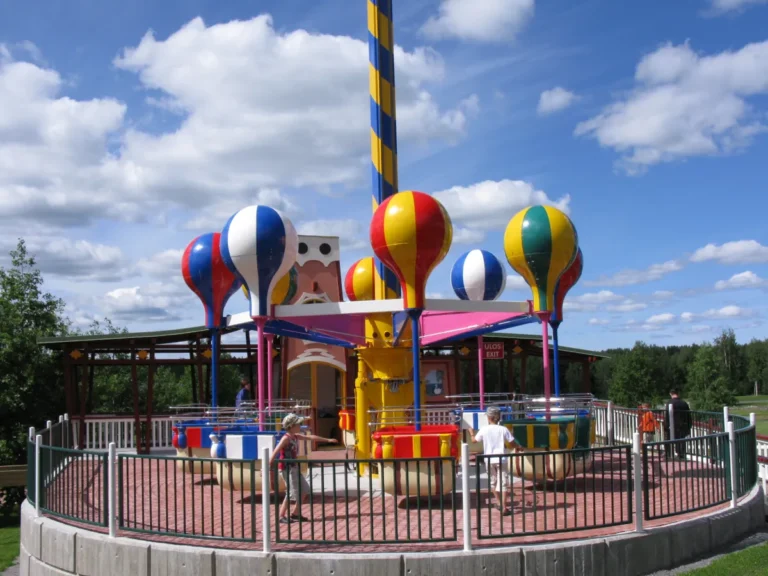
Families get the most out of the fair by starting in the barns while animals are still fresh and exhibitors are around to answer questions. Midway rides, games, and small-animal areas typically fill the afternoon. Strollers handle gravel and grass reasonably well, but the midway gets crowded after dark, so plan a natural exit point with younger kids.
Logistics: Roads, Rooms, Parking, and Iowa Weather
Getting to the Fairgrounds From Ottumwa and Beyond
Most visitors arrive by car, and Ottumwa is the natural hub — the county seat sits at the center of the road network. From town, expect a short rural drive on county highways and gravel or paved approach roads. Fuel up before you leave town, because services thin out once you are outside Ottumwa.
Where to Stay in and Around Wapello County
Ottumwa has the county’s deepest concentration of lodging, which makes it the default base for out-of-town visitors. Book early for fair weekend; small markets sell out fast when a county fair and another regional event overlap. Campers and RV travelers should confirm hookup availability and arrival windows in advance rather than assuming a spot will be open.
Parking Without the Endless Circle
Fairgrounds parking is typically a mix of dedicated lots and grass or gravel fields staffed by volunteers. Arrive before the evening rush if you want to park close; arrive late and you will walk. Note where you parked — row markers and landmarks beat memory after dark. If the ground has been wet, expect a slower exit and consider parking on higher, firmer ground.
Admission, Costs, and What to Bring in Cash
County fair admission is traditionally modest, and some gates are free, with individual grandstand events ticketed separately. Because policies vary by year, confirm the current arrangement before you go. Beyond the gate, budget for food, rides, games, and parking donations. Small bills and a card both help; not every stand takes plastic.
Reading Iowa Weather Before You Drive Out
Late summer and early autumn in southeast Iowa swing hard — hot afternoons, cool evenings, and fast-moving storms. Check the forecast the morning of your visit, dress in layers, and keep a poncho in the bag. Lightning clears grandstands and midway rides, so have a fallback plan: an exhibit building, or an early dinner in Ottumwa.
A Sample Three-Day Regional Fair Weekend
Friday evening. Friday is the soft opening for many visitors. Arrive mid-afternoon, walk the exhibit halls and barns while they are still calm, grab an early dinner from the vendors, and finish at the grandstand. This is generally the least crowded window of the weekend.
Saturday. Saturday is the full day. Come early for livestock and youth exhibits, take a midday break in the shade or back at the hotel, then return for the midway and the evening grandstand. Park once, walk everything, and plan your exit after the main event rather than in the middle of it.
Sunday. Sunday tends to be shorter and gentler — a good slot for family visits, last passes through the exhibit buildings, and picking up anything you meant to buy on Saturday. Leave by mid-afternoon if you have a long drive ahead.
The sequencing rule that works for all three days: barns and exhibits in the morning, midway in the afternoon, grandstand at night.
How Wapello County’s Fair Compares With Neighboring Counties
Southeast Iowa is dense with county fair traditions. Mahaska County to the north, with Oskaloosa as its seat, Jefferson County to the east around Fairfield, and Davis County to the south around Bloomfield all host their own annual fairs. Each has a distinct personality — some lean harder into grandstand entertainment, others into livestock and agricultural exhibits. Wapello County’s Regional Fair sits comfortably in that family: smaller than a metro fair, larger than a single-town celebration.
The distances are short, too, which makes comparison easy. If you are choosing where to spend a fair weekend, pick by what you want from the day — grandstand acts, barn time, or a low-key family afternoon — rather than by driving time.
The Wapello County Fair Prep Checklist
| Cash in small bills | Vendor stands, games, and parking donations |
| Layers and a poncho | Hot afternoons, cool evenings, fast storms |
| Closed-toe shoes | Gravel, grass, and barn aisles |
| Sunscreen and a hat | Little shade along the midway |
| Refillable water bottle | Long walks between barns and grandstand |
| Photo of your parking row | Finding the car after dark |
| Charged phone | Schedules and group coordination |
| Agreed meeting point | Groups split up quickly on the grounds |
| Confirmed gate and grandstand policy | Details shift from year to year |
| Blanket or folding chairs | Lawn seating at grandstand events |
Beyond the Fairgrounds: Ottumwa and Rural Wapello County
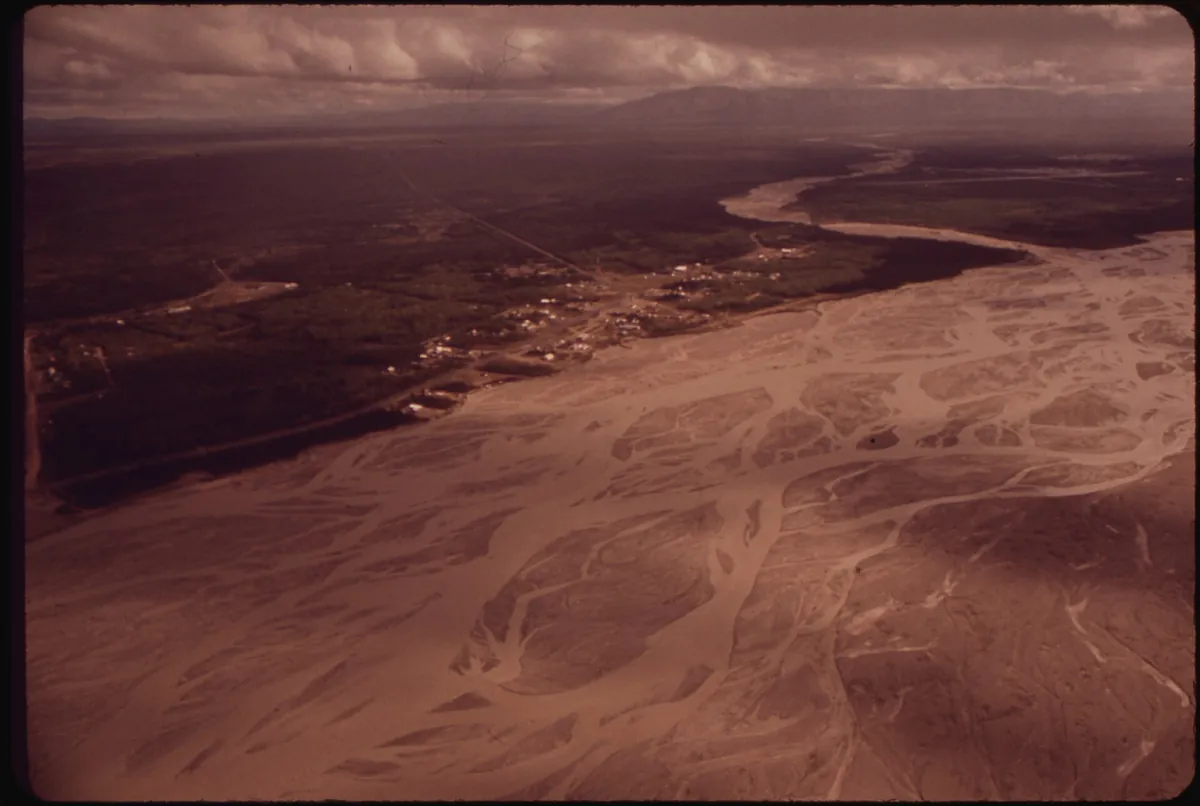
The fair is a reason to see the county, not just the fairgrounds. Ottumwa, the county seat, anchors the region with its downtown and riverfront, and the surrounding 436 square miles are farm country, gravel roads, and small communities that rarely appear on a map unless you are looking for them.
A fair weekend pairs well with a slow morning in Ottumwa — coffee, a walk, a look at the older commercial blocks — before heading out to the grounds. Outside town, the appeal is the drive itself: corn and soybean fields, farmsteads, and the kind of open horizon that makes a county fair feel genuinely rural rather than staged.
What Fair Week Means Across 436 Square Miles
For a county of 35,437 people, the fair is one of the few events that gathers the whole place at once. It is where exhibitors see a year of work judged, where local businesses and civic groups meet the public, and where kids from different towns end up in the same line for the same ride.
The economics matter — food vendors, community groups, and surrounding businesses all draw from fair traffic. But the deeper value is continuity: an institution that has outlasted generations of change in agriculture and small-town life and still puts people in the same barns and bleachers every year.
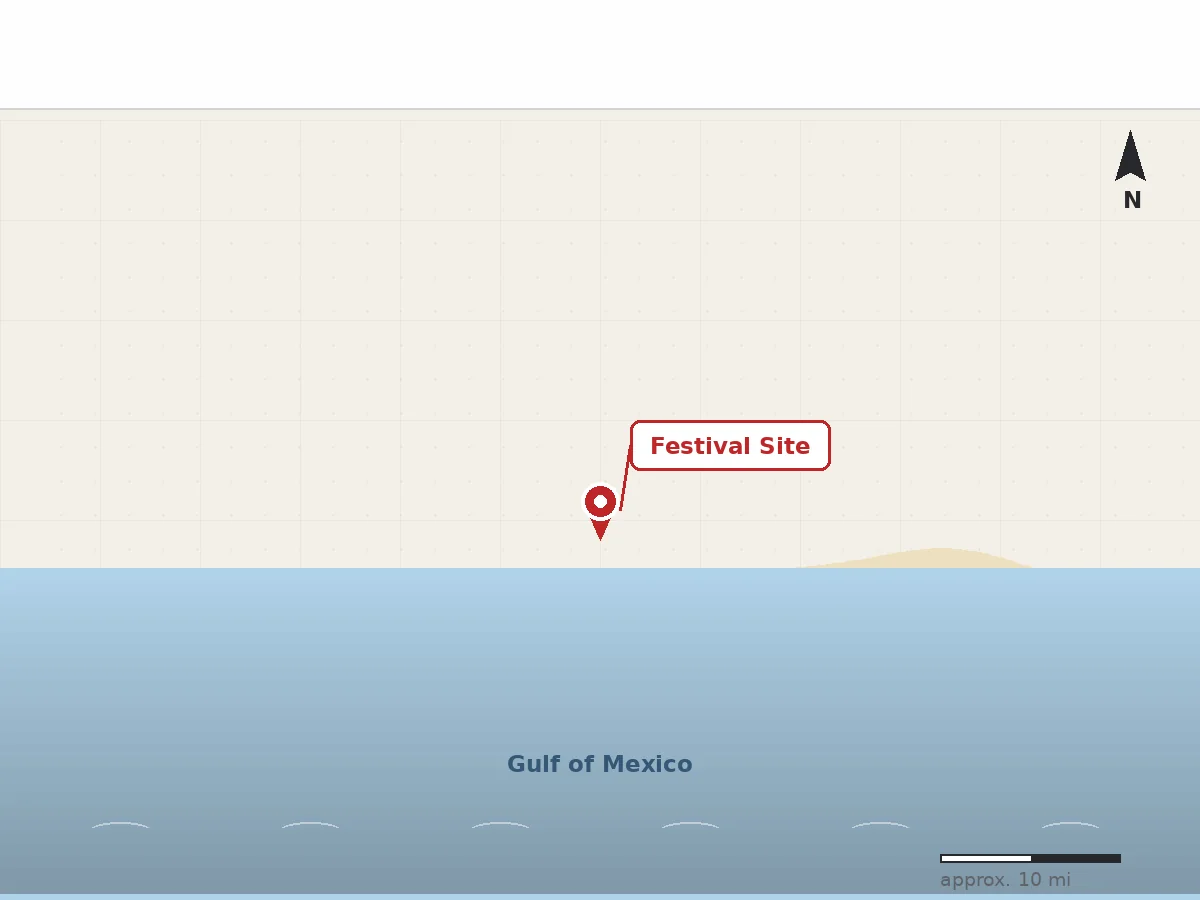
Where the Regional Fair Sits in Wapello County
The Regional Fair takes place on fairgrounds in the Wapello County countryside, a short drive from Ottumwa, the county seat.
Wapello County Regional Fair: Common Visitor Questions
When does the Regional Fair typically take place?
It is held on a weekend in late summer or early autumn, in keeping with the county fair calendar across Iowa. Exact dates shift from year to year, so confirm the current season’s schedule rather than relying on a past year’s timing.
Is there an admission fee?
Gate admission at county fairs of this size is traditionally free or modest, with some grandstand events ticketed separately. Policies can change, so check before you travel and bring small bills in case a vendor or donation box is cash-only.
What should families with young kids know?
Start in the livestock barns in the morning when animals and exhibitors are active, then move to the midway in the afternoon. Bring a stroller that handles gravel, plan an exit before the post-grandstand crowd, and set a clear meeting point in case your group splits up.
How early should I arrive for grandstand events?
Aim to be parked and through the gate well before the scheduled start — the best lawn and bleacher seating fills first, and the parking fields get slow as the crowd builds. Arriving early also leaves time to eat before the show.
The Next Chapter for Wapello County’s Regional Fair
County fairs survive by adapting without losing their center. The Regional Fair’s future likely looks like its recent past: agricultural exhibits and youth projects at the core, with entertainment and midway offerings tuned to whatever brings families out of the house for an evening.
For visitors, that means the planning fundamentals will keep working — come early, park once, budget for food and rides, watch the weather, and let the barns set the pace of the day.
Wapello County has kept this tradition alive for generations across its 436 square miles, and there is little reason to think the next generation will treat it differently.
Last updated: October 2026
Plan the trip around the fair’s rhythm rather than against it — mornings in the barns, afternoons on the midway, evenings at the grandstand — and Wapello County’s Regional Fair will feel less like a crowded event and more like the county’s annual homecoming. Bring cash, bring layers, and leave a little room in the schedule for the unplanned conversation that turns a fair afternoon into a memory worth repeating next season.