Jay County Indiana Jay County Fair Festival
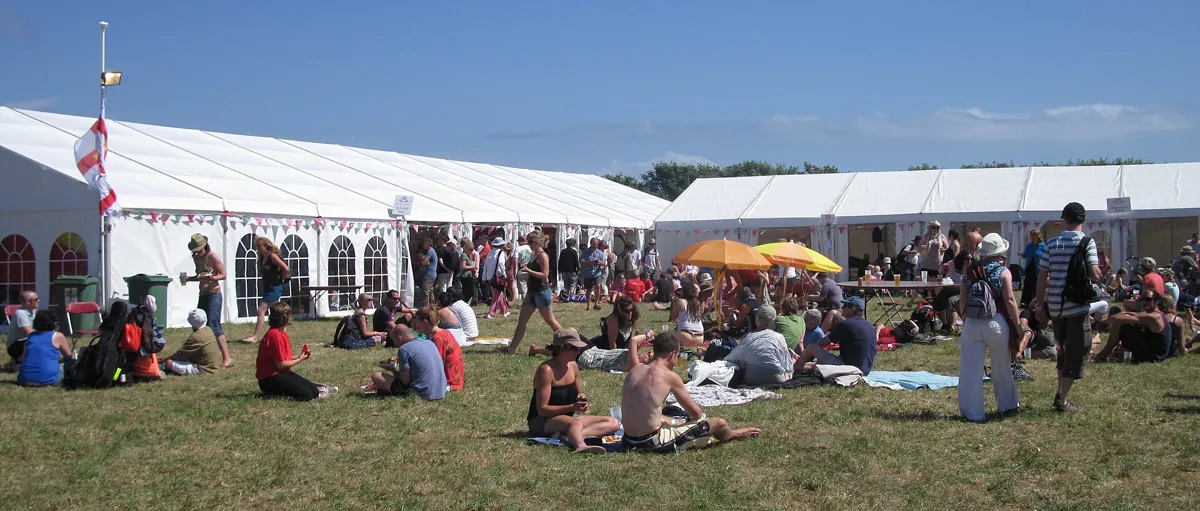
A Jay County summer builds toward one week, and everyone knows which week it is. The fairgrounds outside Portland fill with livestock trailers, folding chairs, exhibit ribbons, and the smell of the fryer drifting over from the midway. For families spread across the county’s 384.08 square miles, fair week works less like a festival and more like a homecoming with a hog show attached.
The Jay County Fair is that kind of institution: small enough that you will run into three people you know before you reach the gate, large enough to fill a grandstand on a Saturday night.
Fast Facts for Fair Week in Jay County
If you are planning a first visit, most of the essentials fit in a short table.
| Town / place | Jay County area, near Portland |
| County | Jay County, Indiana |
| County seat | Portland |
| County population | 20,478 |
| Land area | 384.08 square miles |
| Region | East central Indiana, near the Ohio line |
| Typical timing | A summer week, in most years during July |
| Admission | Typically free to enter; rides, food, and grandstand events cost extra |
| Setting | Fairgrounds with livestock barns, exhibit halls, midway, and grandstand |
| Features | 4-H and open-class exhibits, livestock shows and auction, fair food, rides, grandstand entertainment |
What the Jay County Fair Is, in Plain Terms
Strip away the nostalgia and the Jay County Fair is a classic Indiana county fair: a week of 4-H and open-class exhibits, livestock shows, a livestock auction, a midway, food stands, and grandstand entertainment. The grounds sit in the Jay County area near Portland, the county seat, and the fair draws from every township in the county as well as from communities just across the Ohio line.
Exhibitors usually arrive early in the week, and the pace builds from judging days toward a busy weekend. Barns hold cattle, swine, sheep, goats, and poultry; exhibit halls hold photography, vegetables, baked goods, sewing, and school art. Outside, tractors and trucks line up for pulls, and the midway lights come on at dusk.
For another look at how a community turns its own traditions into a gathering, see the Jay County Indiana Heritage Festival for a useful comparison.
Because this is a countywide event rather than a single-venue show, the experience is spread out. Comfortable shoes are not optional.

From an 1835 Charter to a Summer Tradition in Jay County
Jay County was authorized in February 1835 and organized the following year, with Portland named as the county seat. Farming settled the county quickly — the land is flat, workable, and well suited to corn, soybeans, and livestock — and it was that agricultural base that produced the township picnics, grange gatherings, and school exhibitions from which the county fair tradition grew.
County fairs became annual fixtures across Indiana in the late nineteenth century, and Jay County’s followed the same arc. The fair survived the lean years that hit every rural county: downturns in farm prices, droughts, wartime labor shortages, and the long shift of population toward cities. Each generation reshaped it a little. Draft horses gave way to tractors; open-class competitions made room for 4-H projects in photography, robotics, and food science; grandstand programming moved from harness racing toward tractor pulls, demolition events, and concerts.
What has not changed is the fair’s place in the calendar. For Jay County families, it remains the week when the county takes stock of itself — literally, in the case of the livestock auction — and celebrates another growing season.
The Rhythm of a Fair Week Near Portland
Fair week has a predictable rhythm, and knowing it helps you plan. Mornings belong to exhibitors and judges. Afternoons bring families with strollers and grandparents in lawn chairs. Evenings belong to the midway and the grandstand.
Fair Food, From Pork Tenderloin to Elephant Ears
Fair food in Jay County follows Indiana conventions, and that is a compliment. Expect breaded pork tenderloins that hang over the bun, corn dogs, funnel cakes, elephant ears, lemon shake-ups, and a rotating cast of local church and civic groups selling their own specialties. Portion sizes are generous and prices are set for families rather than tourists.
Lines are shortest mid-afternoon and longest right after the evening grandstand lets out, so eat early if you can.
Grandstand Nights and Local Talent
Evening entertainment is the fair’s biggest draw. Grandstand programming in most years includes tractor and truck pulls, a demolition derby, and live music, with regional acts sharing the bill. Smaller stages and open areas around the grounds host 4-H talent showcases, karaoke, and community performances. Seating fills early on weekend nights, so arrive before the opening act rather than during it, and bring a stadium cushion for the bleachers.
Family Activities and 4-H Traditions
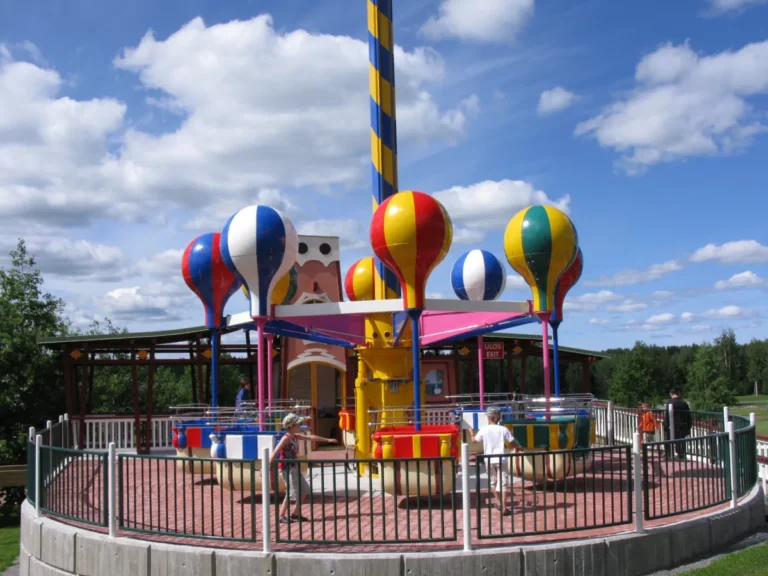
For children, the fair is a week-long discovery. Petting areas, the rabbit and poultry barns, and the kiddie rides on the midway are reliable hits. Many families make a tradition of walking the barns first, then eating, then riding rides — a sequence that keeps everyone happier.
The 4-H side is the heart of it. Members show livestock, present projects, and take part in judging contests, and much of that activity is open to spectators. Watching a first-year member lead a calf into the ring is one of the most genuinely local experiences Jay County offers.
Planning a Fair Day Around Portland
A little planning makes fair week easier, especially if you are driving in from outside the county.
Getting to the Jay County Fairgrounds
The fairgrounds are in the Jay County area near Portland, the county seat, and are reachable from most of the county in well under half an hour. Routes through Portland connect the county’s towns, and traffic on fair evenings is steady but manageable. Coming from Muncie, Winchester, or the Ohio line communities, allow extra time on weekend evenings when the grandstand crowd arrives.
Where to Stay Near Jay County
Jay County is not a hotel-heavy destination, so most fairgoers either drive in for the day or stay with family. Portland has the largest concentration of lodging in the county, and campers often prefer the fairground camping that many county fairs make available during fair week. If you want a full-service hotel, look toward Muncie or the Fort Wayne area and plan a longer drive.
Parking and Getting Around the Grounds
Parking fills quickly after about 6 p.m. on weekends, and the lots closest to the main gate go first. Arriving in the late afternoon usually means an easier spot and a shorter walk. Once inside, the grounds are compact enough to cover on foot in an evening.
What Admission and a Day at the Fair Cost
Admission to the Jay County Fair is typically free, with costs concentrated in what you choose to do once inside: rides, food, games, and grandstand events. That structure makes the fair affordable for families — you can wander the barns and exhibit halls all evening without spending much at all. Bring cash for smaller vendors and church booths, and expect card acceptance to vary from stand to stand.
July Weather in East Central Indiana
Fair week usually falls in the middle of an Indiana summer, which means heat, humidity, and the occasional evening thunderstorm. Afternoon temperatures often push into the upper 80s, and the barns hold warmth. Bring water, wear a hat, and keep an eye on the sky — storms roll through quickly, and fairgrounds typically have indoor buildings where people can wait them out. Mornings and evenings are noticeably more comfortable.
A Sample Fair Saturday, Start to Finish
Arrive mid-afternoon, when parking is still easy and the barns are quiet. Start with the livestock barns and the exhibit hall — the projects are still fresh, and exhibitors are usually happy to talk about what they brought.
Around late afternoon, eat. The lines are shorter before the evening crowd, and you can sit and let the day cool off a little.
Spend early evening on the midway with the kids, then move toward the grandstand for the night’s event. Bleachers fill fast on Saturdays, so claim seats early and take turns walking the grounds while someone holds them.
After the grandstand ends, the midway stays busy for another hour or so. Finish with an elephant ear, walk through the barns one last time while they are lit up, and head home before the lot empties all at once.
How Jay County Compares With Nearby Fair Towns
Jay County’s fair sits in a region full of similar traditions. Dunkirk, in the northern part of the county, keeps its own community celebrations that fill out the summer calendar. Winchester, the county seat of neighboring Randolph County to the south, hosts county events of its own. Muncie, roughly an hour away in Delaware County, offers a larger-scale version of the same summer rhythm with more commercial entertainment and bigger crowds.
What sets Jay County apart is scale. With a population of 20,478 across 384.08 square miles, the fair stays genuinely local: the exhibitors are neighbors, the volunteers are people you know, and the crowd is made up of families who have been coming for decades. If you want a mega-fair, go to a metropolitan one. If you want the version where the announcer knows the families by name, stay in Portland.
Fair Week Checklist for Jay County Families
| Bring | Why it matters |
| Cash | Small vendors and church booths may not take cards |
| Water bottles | July afternoons inside the barns get hot |
| Sunscreen and hats | Much of the grounds sits under open sky |
| Closed-toe shoes | Gravel, straw, and livestock pens |
| A light rain jacket | Indiana evenings turn quickly |
| Blanket or stadium cushion | Grandstand bleachers are hard seating |
| A meeting spot | Saturday-night crowds are real |
| Camera or charged phone | Ribbon photos and barn pictures |
Beyond the Fairgrounds: Portland and Rural Jay County
Fair week is a good excuse to see the rest of Jay County. Portland, the county seat, has a compact downtown and a courthouse square worth a walk. North of town, the countryside opens into the flat farmland that defines the county, with barns, windbreaks, and small crossroads communities like Pennville, Bryant, Redkey, and Dunkirk.
The county also sits within easy reach of larger regional draws. Muncie, Winchester, and the Ohio border towns are all a reasonable drive, and the flat roads make for pleasant evening trips. Many families pair a fair visit with a stop at a local diner or an ice cream stand on the way home.
Why the Fair Still Matters in a County of 20,478
County fairs survive because they do something no other institution does: they put an entire county in one place for a week. In Jay County, that means farmers, teachers, factory workers, retirees, and students all walking the same midway.
The fair is also an economic and educational engine in miniature. Livestock auctions put money in the hands of young exhibitors. 4-H projects teach record-keeping, public speaking, and responsibility. Local businesses sponsor classes and buy animals at auction, and the fairgrounds serve as a gathering place for the county the rest of the year.
Most of all, the fair is continuity. Jay County has been organized since 1836, and the fair has been part of its summers for generations. Children who showed rabbits now watch their own kids do the same.
Where the Jay County Fairgrounds Sit
The fairgrounds are located in the Jay County area near Portland, the county seat, within an easy drive of Dunkirk, Redkey, Pennville, and Bryant.
Practical Answers for First-Time Fairgoers in Jay County
When is the Jay County Fair held?
The fair is held during a summer week, in most years during July. Exact timing shifts from year to year, so check local fair listings and county announcements as summer approaches. The busiest stretch is typically the final weekend.
Is there an admission fee?
Admission is typically free, with costs coming from rides, food, games, and grandstand events. That makes it easy to stop by for an hour or stay all evening without spending much.
Can anyone enter exhibits, or only 4-H members?
Both. The fair includes 4-H classes and open-class competitions, so community members of various ages can enter everything from vegetables and baked goods to photography and flowers. Entry deadlines generally fall before fair week begins.
Is the fairgrounds easy to navigate with strollers or wheelchairs?
Much of the grounds is gravel, grass, or packed dirt, which can be rough after rain but is generally manageable. The main walkways between the barns, exhibit halls, and midway are the easiest routes, and arriving earlier in the day means fewer crowds to work around.
Looking Ahead to Next Summer in Jay County
The Jay County Fair’s future looks a lot like its past: a summer week built around 4-H exhibitors, livestock, food, and neighbors. The challenges are familiar ones for rural counties — keeping younger families involved, maintaining aging fairground buildings, and competing for attention with screens and travel. The advantage is that the fair still means something here. It is where the county’s kids learn to show an animal, where local businesses stay visible, and where a 384-square-mile community gathers in one place.
Expect the essentials to remain: barns, ribbons, a midway, a grandstand, and a crowd that shows up when the gates open. If you have never been, put a summer week in Portland on your list — and if you grew up going, bring someone who hasn’t.
Last updated: October 2026
The Jay County Fair is not the biggest fair in Indiana, and it has never tried to be. It is the one where the announcer knows the families, the pork tenderloin is bigger than the plate, and the week ends with the same question every year: who is showing next summer? For a county of 20,478 people, that is more than enough.

One Comment