Harford County Maryland Farm Fair Festival

Every year, when the heat settles over central Maryland and the corn stands tall in the fields, I start watching for one thing: the return of the Harford County Farm Fair. I have been going long enough that I no longer need a schedule taped to the refrigerator. I know which barn to walk through first, where the shade falls at midday, and which gate to use once the lots begin to fill.
What follows is not a first-timer’s report. It is the version I give friends who call in late summer and ask whether the drive north of Baltimore is worth a Saturday. The short answer is yes — provided you arrive early, wear the right shoes, and leave room for a second lap past the food stands.
Harford County Farm Fair Essentials: Place, Timing, and Admission
| Town / area | The Harford County area, Maryland |
| County | Harford County, Maryland |
| County seat | Bel Air |
| Population | 260,924 (2020 census) |
| Region | Central Maryland, north of Baltimore |
| Typical timing | A stretch of days in late summer, in most years |
| Admission | Handled at the gate, with reduced rates typically offered for children; confirm current pricing with organizers |
| Setting | Open agricultural fairgrounds with barns, show rings, and midway space |
| Features | Livestock shows, exhibit halls, tractor pulls, local food, live entertainment |
| Organizer | Local agricultural volunteers and county fair supporters |
What the Harford County Farm Fair Actually Is
The Farm Fair is Harford County’s own agricultural showcase — a few days each late summer when farming families, small businesses, and neighbors all end up in the same place at the same time. If you have only ever seen this county from the highway, the fair is the correction. Harford County was founded on December 17, 1773, and spreads across 527 square miles of farmland, small towns, and shoreline. Its county seat is Bel Air, and the 2020 census counted 260,924 residents. The fair is where a good share of that population shows up in boots rather than cars.
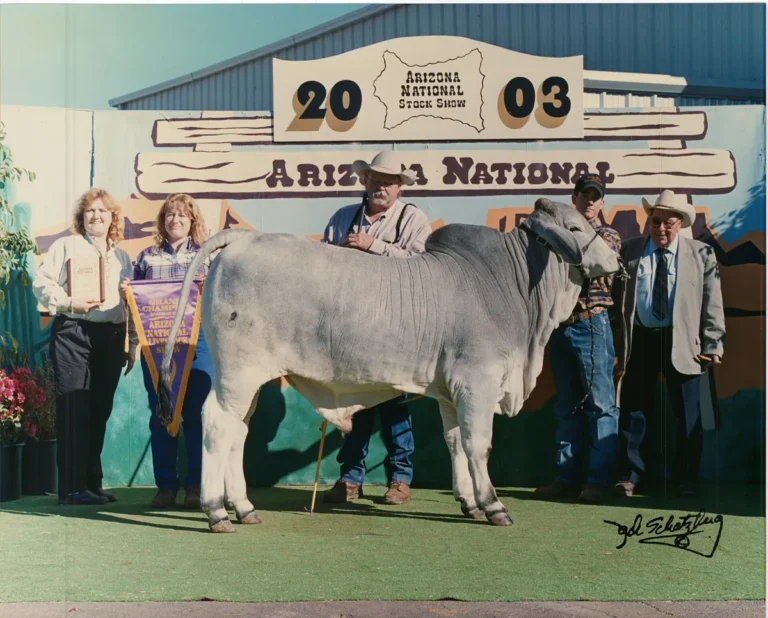
Expect the real architecture of a county fair: barns and stalls, show rings, an exhibit hall full of prize vegetables, canned goods, and quilts, and a midway that leans more toward fried dough than white-knuckle rides. Expect also the specific texture of Harford County — vendors who live two towns over, young people showing animals they raised themselves, and a crowd that puts grandparents, teenagers, and toddlers in the same aisle without anyone thinking it strange.
This is not a theme park. It is a working agricultural event with entertainment attached, which is precisely why it holds up year after year. You come for the animals and the pie, and you stay because the whole county seems to have turned out.
How Harford County’s Farming Tradition Shaped the Farm Fair
Harford County was an agricultural county long before anyone thought to set up a Ferris wheel in a field. Founded on December 17, 1773, it grew around grain, dairy, and the crossroads towns that supported them, with Bel Air emerging as the county seat and market center. County fairs across the United States took their modern shape in the nineteenth century, built on the idea that farmers needed somewhere to compare notes, show their best stock, and let the wider community see what a season of work had produced.
The Farm Fair grew from that same impulse. Over the decades it has moved with the county, drifting from a purely agricultural exhibition toward a broader community festival while keeping the livestock barns and the exhibit hall at the center rather than at the edges. The result is a fair that still judges cattle and cakes, still hands ribbons to children for their first entries, and still measures a good year by how many local families came through the gate.
What has not changed is the timing. The fair has settled into the late-summer rhythm of the county — after the hay is in and before the school year takes over, when the evenings stay warm enough to linger past dark and the light goes gold over the show ring around suppertime.
What a Day at the Harford County Farm Fair Looks Like
First-timers usually ask what fills a whole day. The honest answer is that the fair rewards wandering. There is no single must-see that justifies the trip on its own; the pleasure is in the accumulation — a few minutes at the rabbit cages, a half hour in the bleachers, a sandwich eaten standing up while a tractor idles past.
Food That Tastes Like Late Summer in Harford County
This is county fair food made by people who have been doing it for years: pit beef and pulled pork, hand-cut fries, roasted corn, funnel cake, snowballs, and lemonade in cups the size of a small bucket. Church groups and local nonprofits typically run a share of the stands, which means the money you spend on a sandwich tends to stay in the county. My routine is to eat early, before the lunch crush, then graze again in the late afternoon when the lines thin out. If you care about baked goods, head for the exhibit hall first — the competition entries are the best preview of what is worth buying outside.
Music, Motors, and Entertainment Between the Barns
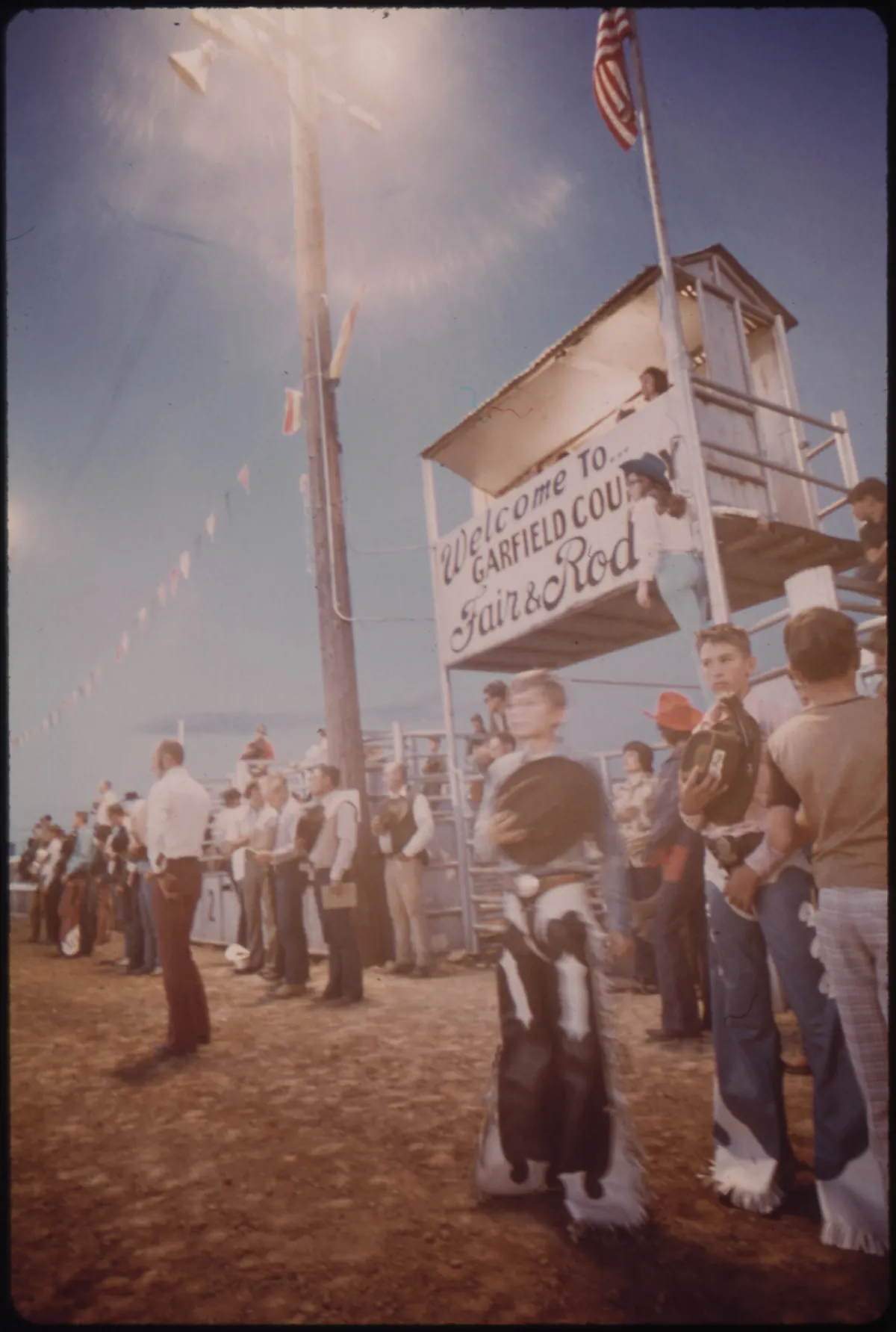
Entertainment runs on a loop across the grounds. Local bands and country or classic-rock covers fill the main stage through the afternoon, with something louder in the evening. Between sets there are tractor pulls, draft-horse demonstrations, antique machinery displays, and the occasional rodeo-style event in the ring — the loudest, most unmistakably Harford County moment of the weekend. Grab a bleacher seat twenty minutes before a pull starts; that is when the crowd arrives, and standing room fills fast.
Family Activities That Keep Kids Busy Past Nap Time
This is a genuinely kid-friendly fair. Petting areas, pony rides, pedal tractor pulls, craft stations, and agricultural education tents give children something to do between animal visits. Many kids enter categories in the exhibit hall — vegetables, photography, crafts — and a ribbon on a paper plate matters more than you would expect. Strollers work, but the ground is uneven and dusty, so wagons handle better. Bring wipes, sunscreen, and a spare shirt.
Planning the Trip: Getting to the Farm Fair and Making a Day of It
Driving In from Bel Air, Baltimore, and Beyond
The fair sits in the Harford County area, which puts it within a comfortable drive of Bel Air and the rest of the county’s towns. From Baltimore, plan on a highway run north; from the surrounding countryside, expect two-lane roads and farm equipment. Traffic on the main approach slows noticeably in the hour after gates open and again at dinnertime, so aim to arrive before the first wave or after it has cleared.
Where to Sleep If You’re Staying the Weekend
Bel Air is the natural base, with the largest concentration of hotels and restaurants in the county and a short drive to the grounds. Aberdeen and Havre de Grace are good alternatives if you want to pair the fair with a waterfront evening. Book early — late summer is a busy stretch in this part of Maryland, and rooms near the county seat go quickly on fair weekends.
Parking, Shuttles, and the Art of Arriving Early
Parking is typically on grass fields around the grounds, managed by volunteers with flags and plenty of patience. Follow their directions rather than your own instincts; the field you remember from last year may not be in use this year. Wear shoes you do not mind getting dusty, note a landmark near your car, and keep a photo of the row marker on your phone. If you arrive mid-afternoon, expect a short walk.
Admission, Cash, and What Things Cost
Admission is handled at the gate, with reduced rates typically available for children, and rides, food, and games are priced separately once you are inside. Policies shift from year to year, so confirm current pricing and hours with the organizers before you make the trip. Bring some cash even if cards are widely accepted — smaller stands and raffle tables appreciate it, and an ATM line is a poor way to spend a fair afternoon.
Late-Summer Weather and How to Dress for It
Late summer in Harford County means heat, humidity, and the real chance of an afternoon thunderstorm rolling through. Dress in light layers, bring a hat, and carry a poncho rather than an umbrella, which is awkward in a crowd. Evenings cool off enough that a light jacket is welcome if you plan to stay for the last band. Most activities continue in light rain; a serious storm will pause the outdoor events.
A Sample Farm Fair Weekend, Saturday Through Sunday
Saturday: arrive near opening while the grounds are still cool and the barns are quiet. Walk the livestock aisles first, when exhibitors have time to talk. Spend the late morning in the exhibit hall, eat lunch before the rush, then take in a tractor pull or a demonstration in the early afternoon. Retreat to the shade, catch a local band, and stay for the evening entertainment and the cooler air that comes with it.
Sunday: come back for the slower rhythm. Revisit the animals you liked, let kids finish their exhibit-hall entries and check results, and take a second pass at the food stands you missed. Sunday afternoons tend to feel more local — fewer day-trippers, more neighbors — and it is the easiest time to actually talk to the people running the booths.
How the Farm Fair Compares with Nearby Fairs and Towns
Compared with the large state fair to the south, the Harford County Farm Fair is smaller, easier to walk, and more rooted in one county’s identity — you will run into people you know. Set against the fairgrounds in neighboring Cecil County, it feels similar in scale but distinctly Harford, with Bel Air’s civic life woven through it. And unlike a trip to Havre de Grace, which is a waterfront day of shops and promenades, the Farm Fair is a single-purpose agricultural outing: you go for animals, exhibits, and fried food, and you leave dusty.
The Returning Visitor’s Farm Fair Checklist
Bring cash in small bills, a refillable water bottle, sunscreen, and hats for everyone. Wear closed shoes with tread; sandals lose to sawdust and gravel every time.
Check the fair’s current hours and admission details before leaving home, and screenshot the schedule so you are not relying on a weak signal in a field.
Plan your arrival around the gate rush, park where a volunteer points you, and photograph your parking row marker.
Leave a little room in the day for the unplanned stop — the draft horses, the antique engine display, the pie table. That is usually the part you remember.
Beyond the Fairgrounds: The Rest of Harford County
If you have driven this far, the county is worth another half day. Bel Air has a walkable downtown with the courthouse at its center and enough coffee shops to recover from a fair breakfast. Havre de Grace sits where the Susquehanna meets the Chesapeake, with a boardwalk, a lighthouse, and waterfront restaurants. Aberdeen offers its own quieter pace and easy access back to the highway. Farm stands and pick-your-own operations dot the rural roads between them, which is the most pleasant way to see the 527 square miles the fair is celebrating in the first place.
What the Farm Fair Means to Harford County
For a county of 260,924 people, spread across towns and farmland and stretched along the bay, the Farm Fair is one of the few events that pulls every corner of Harford County into the same field. It keeps a working agricultural tradition visible to residents who will never farm, gives local clubs and nonprofits their biggest fundraising weekend of the year, and hands children a first taste of competition that has nothing to do with a screen. The fair is not nostalgia. It is the county’s annual inventory of who it is.
Where the Farm Fair Sits in Harford County
The Farm Fair takes place in the Harford County area of central Maryland, north of Baltimore and within easy reach of the county seat at Bel Air.
Farm Fair Questions I Hear Every Year
Is the Farm Fair good for young children?
Yes, and it is one of the better family outings in the county. The animals, the pedal tractors, and the exhibit hall entries are all aimed at kids, and the grounds are flat enough for wagons. The main challenges are heat, dust, and walking distance, so plan around the middle of the day and keep everyone hydrated.
How crowded does it get?
Busiest in the early afternoon and again around dinnertime, especially on the weekend. Mornings are calm and the barns are at their best. If crowds wear you out, arrive at opening, take a mid-afternoon break, and return for the evening.
Can I bring my own food and water?
Water bottles are a sensible thing to carry, and families often pack snacks for small children. Rules on outside food vary, so check with organizers ahead of time if you plan to bring a full picnic. Either way, save room for at least one thing from a stand — that is part of the experience.
What happens if it rains?
Light rain rarely shuts things down; livestock shows, exhibit halls, and many vendors carry on. A heavy storm will pause outdoor events and send everyone scrambling for barns and tents. Keep an eye on the forecast, bring a poncho, and be ready to shift your plans by an hour or two.
Where the Harford County Farm Fair Goes Next
The fair’s future looks a lot like its past: agriculture first, community always. As Harford County grows and its farmland changes hands, the Farm Fair becomes more important as a place where that heritage stays visible and where new residents learn what the county was built on. Expect the livestock barns and exhibit halls to remain the heart of it, with entertainment and food evolving around them to suit a changing crowd. For those of us who return every year, the hope is simple — the same dusty fields, the same pie table, the same late-summer light.
Last updated: October 2026
If you go, go early, go hungry, and go ready to talk to strangers. The Harford County Farm Fair is not a spectacle you watch from a distance; it is a county introducing itself to itself, and the best seat is in the middle of it.