Lyon County Iowa Lyon County Fair Festival
Lyon County Fair Basics for a Northwest Iowa Visit
| Town / place | Lyon County area, Iowa |
| County | Lyon County |
| County seat | Rock Rapids |
| Population | 11,934 (2020 census) |
| Region | Northwest Iowa |
| Typical timing | Summer, often in July |
| Admission | Typically free general admission; some optional activities may charge |
| Setting | County fairgrounds atmosphere in the Rock Rapids area |
| Features | Livestock and youth exhibits, local food, community entertainment |
| Organizer | Local volunteer fair board and community groups |
A Returning Visitor’s Read on the Lyon County Fair
The full display title—Lyon County Iowa Lyon County Fair Festival—is a mouthful, but locals simply call it the Lyon County Fair. It belongs to the Lyon County area, with Rock Rapids serving as the county seat and the main map pin for most visitors. Lyon County is small in population but wide in land, covering 588 square miles and home to 11,934 people as of the 2020 census. That scale shapes the fair. It is not a sprawling state exposition or a manufactured music festival. It is a county gathering where the parking lot conversation matters as much as the grandstand schedule.
For a returning visitor, the appeal is not novelty. It is recognition. You notice the same rhythms: families arriving with coolers, kids checking exhibit tags, volunteers moving between barns and concession stands, and neighbors catching up in the shade. The fair feels tied to the agricultural calendar and to the social calendar of northwest Iowa. If you have been before, you already know to wear comfortable shoes, bring a layer for the evening, and leave room for at least one conversation that runs longer than expected.
Lyon County Fair History in a Rock Rapids Context
Lyon County was founded on January 15, 1851, and Rock Rapids became its county seat. In a place that large and that rural, fairs grew out of practical need as much as celebration. Farm families needed a place to compare livestock, show crops, trade knowledge, and let children display what they had learned. The Lyon County Fair carries that inheritance. It has likely changed in shape over the decades, as all county fairs have, but its core purpose remains recognizable: bring the county together, honor local work, and make room for entertainment that suits all ages.
The fair’s history is not a single dramatic story. It is a long, patient accumulation of summers, volunteer hours, exhibit ribbons, and grandstand nights. Returning visitors often measure the fair against their own memories—the year a certain animal won, the summer a storm rolled through, the first time a child went on a ride alone. That personal timeline is part of the event’s real history. Rock Rapids and the surrounding townships supply the people who keep it going, and each summer adds another layer to the county’s shared record.
What Returning Visitors Notice at the Lyon County Fair
The fair is easy to navigate, but it rewards a slower pace. If you rush from one end to the other, you miss what makes it distinct. The best approach is to treat the grounds like a small town for the day: start with the exhibits, eat something local, check the entertainment schedule, and let the gaps between events become part of the experience.
For another look at how a community turns its own traditions into a gathering, see the Lucas County Iowa Lucas County Fair Festival for a useful comparison.
Food Stands and the Flavor of Lyon County
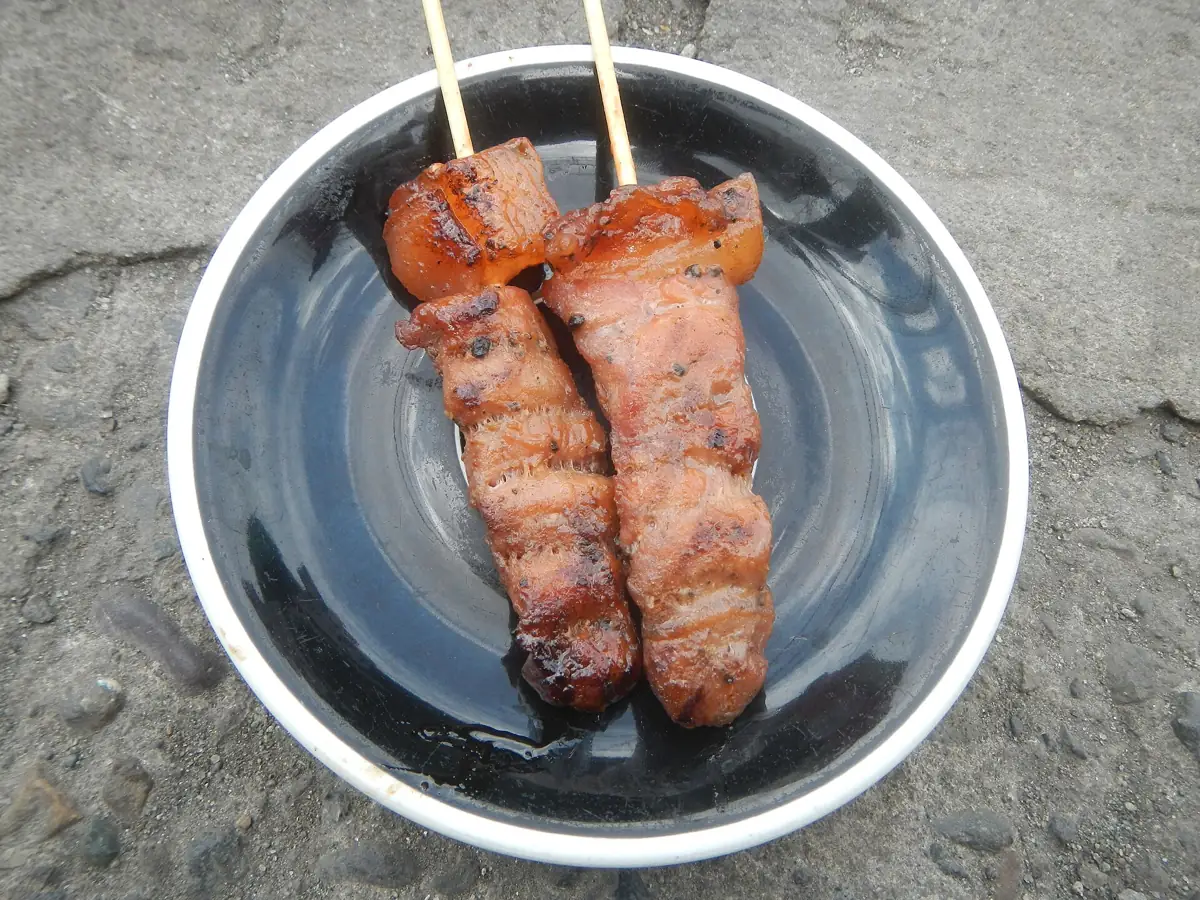
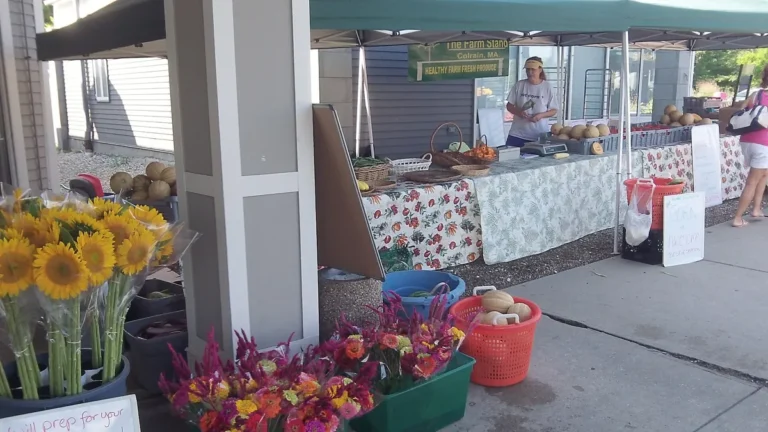
County fair food is its own category. You will find the familiar mix of concession-stand classics and community-group fundraisers, with plenty of options for a quick lunch or a slow dinner. Returning visitors know to scan the whole grounds before committing, because the best item is often at a stand they almost walked past. Local pork producers, church groups, and youth organizations often use the fair as a chance to feed neighbors and raise money for the year ahead. The food is not fancy, but it is honest, and it tastes better when eaten at a picnic table with a breeze moving through.
Grandstand Energy and Local Entertainment
Entertainment at the Lyon County Fair tends to follow a county-fair rhythm: grandstand events, local performers, and activities that appeal across generations. The exact lineup changes from year to year, so it is worth checking the fair schedule once it is posted. What stays consistent is the atmosphere. People arrive early to claim a good seat, kids wander with friends, and the announcer’s voice carries across the grounds. For a returning visitor, the pleasure is in seeing the same faces in the same spots—and realizing that the fair is less a show than a reunion with a soundtrack.
Family Activities and Youth Exhibits
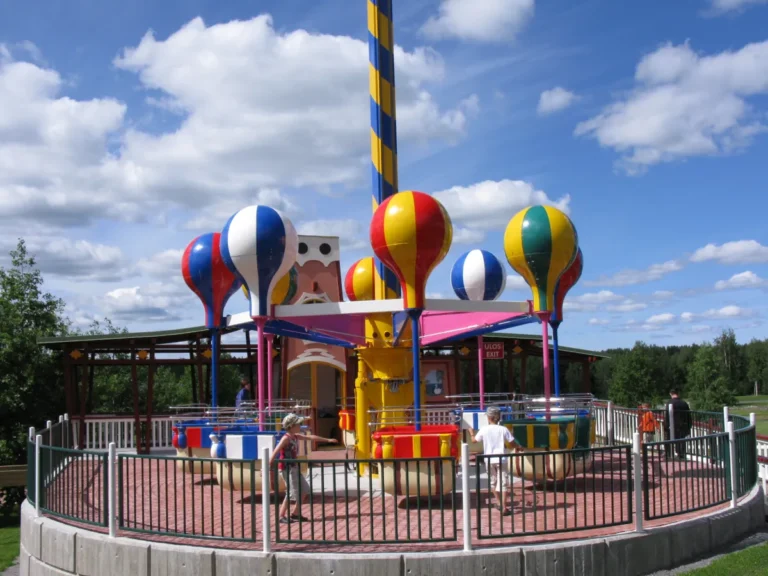
The family side of the fair is where Lyon County’s character shows most clearly. Youth exhibits, livestock shows, static projects, and hands-on activities give children a chance to be participants rather than spectators. Parents and grandparents move between barns and display halls, carrying water bottles and taking photos. For younger kids, the midway-style rides and games are often the main draw, while older children gravitate toward friends and freedom. The fair is one of the few places where a kid can safely test independence while still being surrounded by people who know their family name.
Planning a Lyon County Fair Weekend Without Guesswork
A little planning makes the Lyon County Fair more enjoyable, especially if you are coming from outside the county. The fair is designed for local traffic, so the biggest variables are timing, weather, and where you will sleep. None of it is complicated, but a few decisions before you leave home will save you time once you arrive.
Getting to the Lyon County Fair Area
The Lyon County Fair takes place in the Lyon County area, with Rock Rapids as the county seat and the most useful reference point for visitors. Most people arrive by car, following county roads and state highways through northwest Iowa. If you are using a navigation app, set your destination to the fairgrounds or the Rock Rapids area rather than a broad county name. Give yourself extra time in the late afternoon and early evening, when local traffic builds around the grounds. Rural roads are generally easy to drive, but farm equipment and slow-moving vehicles are part of the landscape, so patience is part of the trip.
Where to Stay Around Rock Rapids
Lodging in and around Rock Rapids is limited compared with a metro area, so summer weekends can fill quickly. Returning visitors often book early or base themselves in a nearby community and drive in for the day. If you are coming from farther away, consider making the fair part of a longer northwest Iowa loop rather than a single overnight stop. Camping, small-town motels, and regional hubs may all be part of the mix, depending on what is available that season. The key is to treat the fair as the anchor of the trip, not the only thing on the itinerary.
Parking and Fairground Movement
Parking at county fairs is usually straightforward but not always instant. Arrive early for grandstand events, and be prepared to walk a short distance from your vehicle to the gates. Once inside, the grounds are compact enough to cover on foot, but you will do more walking than you expect. Wear shoes that can handle grass, gravel, and dust. If you have mobility concerns, check ahead with the fair board about accessible parking and routes. A little patience at peak times makes the whole day smoother.
Admission, Tickets, and On-Site Costs
General admission to the Lyon County Fair is typically free, though some optional activities, rides, or special events may charge their own fees. That means your budget depends on how you spend the day. Food, games, carnival rides, and grandstand extras are the usual variables. Bring cash for smaller vendors and fundraisers, even if some stands accept cards. Returning visitors know to set a loose spending limit for kids and then let the day unfold. The fair is affordable by design, but it is easy to spend more than you planned once the smell of fair food hits.
Northwest Iowa Weather and What to Bring
Summer in northwest Iowa can be warm and humid, with cool evenings and the occasional fast-moving storm. Check the forecast before you go, but pack for a range of conditions. Sunscreen, a hat, and a refillable water bottle are essentials. A light jacket or sweatshirt is useful after sunset. If rain is in the forecast, bring a compact poncho or umbrella and shoes that can get muddy. The fair continues through many weather changes, but comfort is up to you. A small day bag with the basics makes a long day much easier.
A Sample Lyon County Fair Weekend Itinerary
Day one: arrive in the late afternoon, walk the exhibit halls and livestock barns while the light is still good, then find dinner at a concession stand. Check the evening entertainment schedule and stay for the grandstand event if it fits your family’s pace. Day two: come back earlier, when the grounds are less crowded and the animals are still being worked. Spend time with the youth exhibits, let kids try a ride or game, and take a mid-afternoon break in the shade. Return for the evening program and a final walk through the grounds after dark. Day three: if the fair runs into a third day, use it for the things you missed—a specific food stand, a livestock show, or simply a slower loop with coffee. The best itinerary leaves room for spontaneity.
Lyon County Fair Compared with Nearby Iowa Fair Experiences
Compared with the Iowa State Fair, the Lyon County Fair is smaller, quieter, and more personal. You are more likely to run into someone you know and less likely to stand in a long line for a famous novelty food. Compared with a town celebration in Rock Rapids, the fair is more agricultural and more focused on exhibits, livestock, and youth projects. Compared with other northwest Iowa county fairs, it shares the same basic DNA: grandstand events, food stands, family activities, and a strong volunteer base. The difference is local flavor. Lyon County’s fair reflects a county of 11,934 people spread across 588 square miles, where community still means something you can see in person.
Lyon County Fair Checklist for a Smooth Return Visit
Check the fair schedule before you leave; charge your phone and bring a battery pack; pack sunscreen, hats, and water bottles; wear closed-toe shoes for grass and gravel; bring cash for vendors and fundraisers; plan for a light layer after sunset; confirm parking and accessibility needs in advance; set a meeting point for family members; keep a reusable bag for small purchases; and leave extra time for conversations. If you are traveling with children, pack wipes, snacks, and a change of clothes for the youngest. If you are coming from out of town, book lodging early and treat the drive as part of the weekend rather than a hurdle.
Beyond the Lyon County Fair: Rock Rapids and the 588 Square Miles Around It
The fair is a reason to visit, but it is not the only reason to stay. Rock Rapids, the county seat, gives visitors a small-town base with local services and a pace that feels far removed from interstate travel. The surrounding Lyon County landscape is wide and agricultural, with the kind of open horizons that make a simple drive feel restorative. If you have time, take a loop through the countryside, stop at a local business, and see how the county’s 588 square miles connect the fair to the farms and towns that support it. The fair is a concentrated version of Lyon County; the rest of the county is the context.
Why the Lyon County Fair Still Matters in a County of 11,934
In a county with 11,934 residents, the fair is not just an event. It is infrastructure for community life. It gives young people a stage, gives families a shared destination, and gives neighbors a reason to stop moving for a few hours. Volunteers make it work, often without much fanfare. Local businesses benefit from the traffic, and local organizations use the fair to raise money and awareness. But the deeper significance is social. The Lyon County Fair keeps a rural county connected in a way that digital updates and text threads cannot. It is a place where the county sees itself.
Where the Lyon County Fair Sits in the Lyon County Area
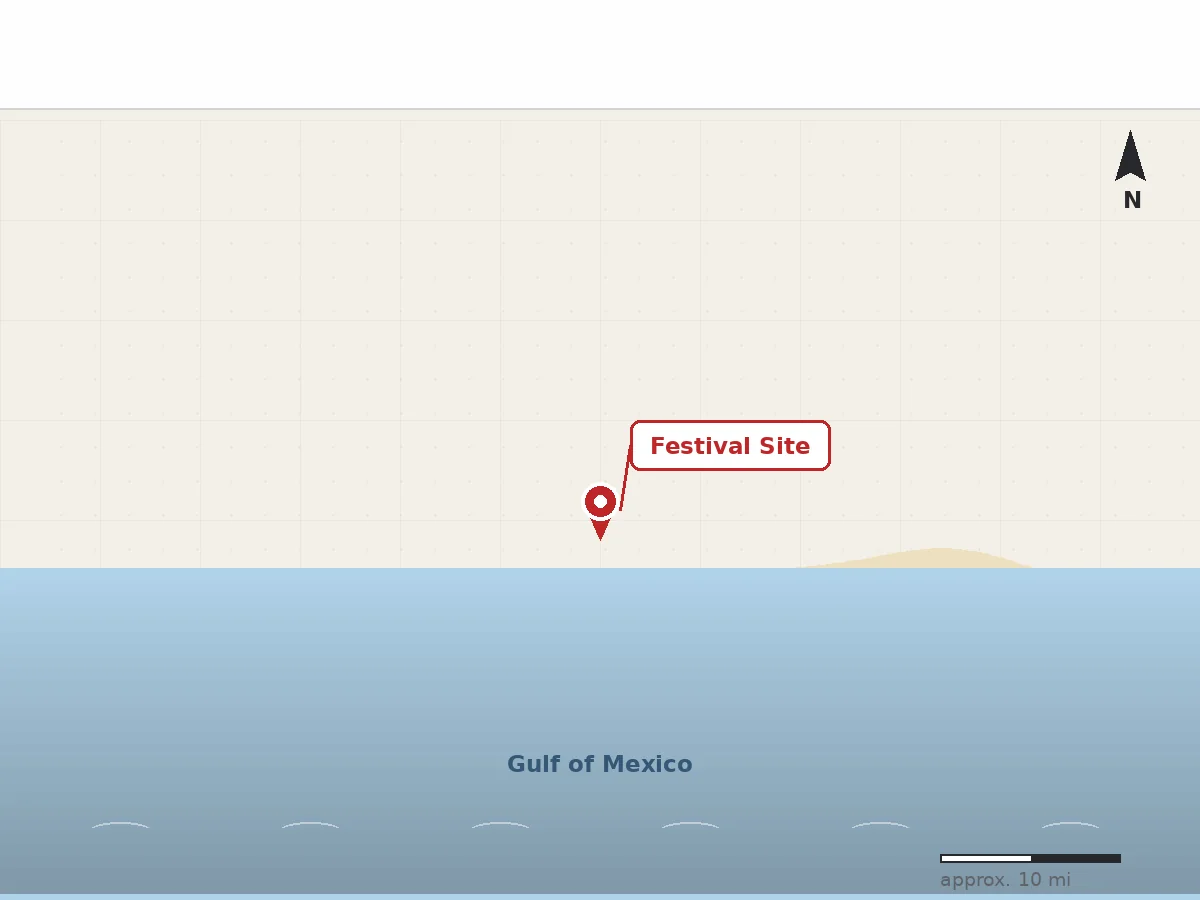
The Lyon County Fair takes place in the Lyon County area of northwest Iowa, with Rock Rapids serving as the county seat and main reference point for visitors.
Lyon County Fair Questions from Repeat Visitors
When is the Lyon County Fair usually held?
The fair is typically held in summer, often in July, though the exact weekend changes from year to year. Check the local fair schedule once it is announced so you can plan around grandstand events, livestock shows, and family activities. If you are traveling from outside the county, avoid guessing and confirm the dates before booking lodging.
Is admission free?
General admission is typically free, but some optional activities, rides, or special events may have their own charges. Food, games, and grandstand extras are the most common costs. Bring a little cash for vendors and fundraisers, and decide ahead of time how much you want to spend on extras.
Where should I stay if I’m coming from outside Lyon County?
Rock Rapids is the most natural base, but lodging in the area is limited, so summer weekends can fill quickly. Many visitors stay in nearby communities or make the fair part of a longer northwest Iowa trip. Book early if you can, and plan for a short drive to the grounds.
What makes the Lyon County Fair different from larger Iowa fairs?
Scale and familiarity. With a county population of 11,934 and 588 square miles of rural landscape, the fair feels rooted in local life rather than built for crowds. You can cover the grounds in a day, but you will still find plenty to do. The atmosphere is friendly, practical, and deeply tied to the county’s agricultural and community traditions.
The Next Chapter for the Lyon County Fair
The Lyon County Fair will continue to balance tradition with the needs of a changing rural county. That means keeping the livestock shows, youth exhibits, and volunteer energy that define it, while adapting entertainment and food options to what local families want. Returning visitors are part of that future. Every ticket, meal, and conversation supports the fair’s ability to stay relevant. The fair does not need to become bigger to matter more; it needs to remain recognizably itself. For anyone who has made the Lyon County Fair a summer habit, the next chapter is less about reinvention than about keeping the gates open and the welcome warm. Last updated: October 2026

One Comment