Clinch County Georgia Timberland Jubilee Festival
Homerville is a courthouse town in the pines, and it has been for a very long time. Clinch County was founded in 1850, and Homerville has served as its county seat ever since — the small city where the business of an 824-square-mile county gets conducted. The 2020 census counted 6,749 people across the entire county, and that number says a great deal about this corner of southeastern Georgia: wide stands of pine, scattered crossroads communities, and one central town where people come together when something worth marking is happening.
The Timberland Jubilee is that gathering, and its name is not decoration. Timber built this county’s economy, shaped where its roads ran, and decided which settlements grew into towns. A festival that puts the word “timberland” first is doing more than branding a weekend. It is telling visitors, and reminding neighbors, exactly what kind of place Homerville is.
Key Details for the Clinch County Timberland Jubilee
| Town | Homerville, Georgia |
| County | Clinch County |
| County seat | Homerville |
| Population | 6,749 (2020 census) |
| Region | Southeastern Georgia |
| Typical timing | Held annually; each year’s dates are announced locally |
| Admission | Typically free to attend |
| Setting | Courthouse-town streets surrounded by piney-woods countryside |
| Features | Timber heritage, live entertainment, local food, family activities |
| Organizer | Local volunteers and civic groups in Homerville |
What the Timberland Jubilee Is Actually Celebrating
Strip away the tents and the stage lights and the Timberland Jubilee is a festival about work. The work of felling, hauling, sawing, and replanting. The work of running a county that is larger than some states’ counties but home to fewer people than a single Atlanta neighborhood. The work of keeping a small town alive when the nearest big-box store is a drive away.
That is why the Jubilee feels different from a generic street fair. The theme is grounded in something real and specific to this place. Clinch County’s identity has been tied to pine for well over a century, and the festival treats that inheritance as something worth gathering around rather than something to apologize for. Visitors who come expecting a pleasant small-town afternoon get that — plus a genuine education in what a timber county is and why it looks the way it does.
The event is built for locals first. Families who have been in the county for generations run into each other constantly. But outsiders are welcomed warmly, and there is a certain pleasure in being the person who wandered in from Waycross or Valdosta or off the highway and got pulled into a conversation about a sawmill that closed decades ago.
From an 1850 County Seat to a Jubilee in the Pines
Clinch County was founded in 1850, carved out of the pine flatwoods of southeastern Georgia at a time when the region was still sparsely settled and largely inaccessible. Homerville became the county seat, and that designation mattered more than it might sound. In a county of this size, the courthouse town becomes the natural center of gravity — the place where legal business, commerce, and social life all funnel through.
What changed the county most was the arrival of the railroad era and the industrial appetite for southern yellow pine. Timber crews moved through the woods. Turpentine and naval stores operations worked the stands. Sawmills rose, ran hard, and in some cases faded as the cut moved on. The landscape that resulted — a patchwork of cutover land, second growth, and replanted tracts — is the landscape Clinch County still lives in.
Homerville grew into a modest but steady service town: schools, churches, a downtown, a handful of businesses that supported the surrounding countryside. The timber economy modernized rather than disappeared, shifting toward pulpwood, plywood, and managed plantations. Generations of Clinch County families made their living somewhere in that supply chain, whether in the woods, at a mill, or driving a truck.
The Timberland Jubilee grew out of that long continuity. It is not a commemoration of a single date or a single event. It is an annual acknowledgment that the county’s story and the pine woods are the same story — and that the people who still live here deserve a weekend set aside to say so out loud.
What a Jubilee Day in Homerville Feels Like
Expect an easygoing, walkable festival with a strong local accent. Expect to park once and cover everything on foot. Expect to know at least three people’s names by the time you leave, even if you arrived alone.
Food Worth Standing in Line For in Homerville
Small-town Georgia festival food is its own genre, and the Jubilee plays to type in the best way. Vendors typically bring the classics — smoked and pulled pork, fried chicken, sausage dogs, boiled peanuts, funnel cakes, snow cones, and sweet tea by the gallon. Church groups and civic organizations often run their own booths, which is usually where the best home-style cooking hides. Bring cash in small bills, since smaller vendors may not take cards, and come hungry rather than treating the food as an afterthought.
Music and Entertainment in the Piney Woods
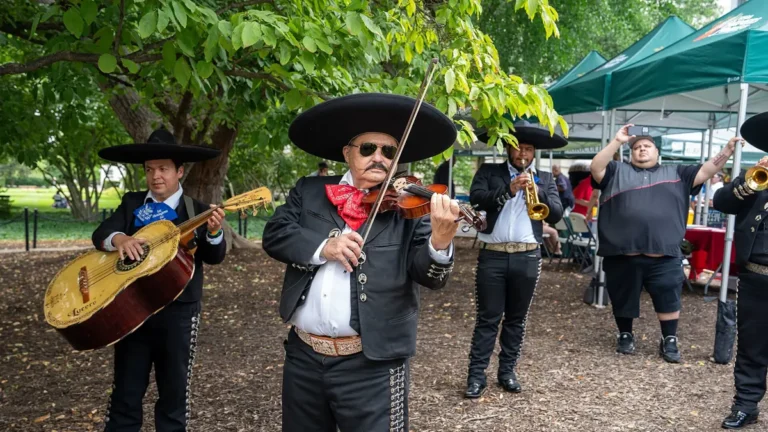
Live entertainment anchors the day, usually with a mix of local and regional acts. Expect country, gospel, bluegrass, and southern rock to share a stage across the weekend — the kind of lineup that gets grandparents and teenagers in the same crowd without anyone feeling out of place. Between sets, there is often room for announcements, recognitions, and the small ceremonial moments that matter in a county of 6,749: honoring longtime residents, thanking volunteers, and giving local kids a microphone.
Family Activities for Clinch County Kids
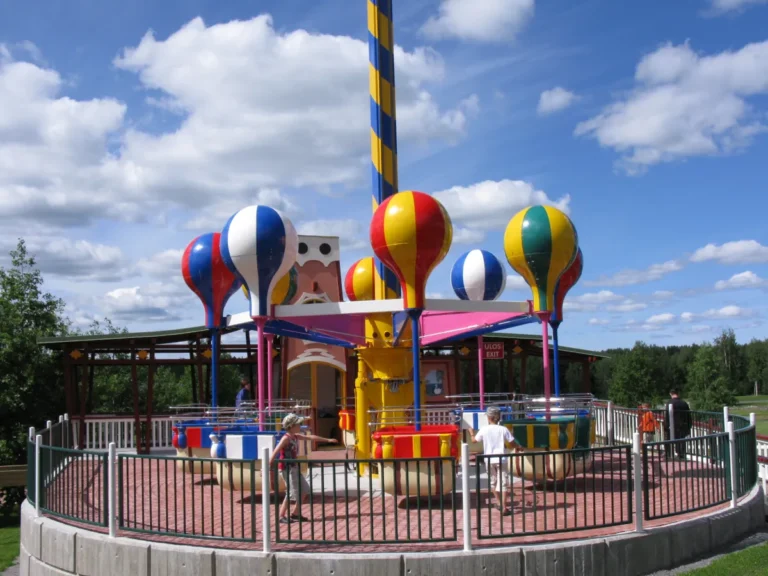
This is a genuinely family-friendly event. Inflatables, games, face painting, and craft or educational booths are the usual fare, often with a timber or forestry angle woven in — a nice touch in a county where kids grow up surrounded by working woods. Bring a stroller if you have little ones, expect a fair amount of walking, and plan a shady spot to retreat to during the hottest part of the afternoon.
Planning Your Trip to Homerville and Clinch County
Homerville is not a tourist town with a hospitality industry built around it, and that is part of the appeal. A little planning goes a long way.
Getting to Homerville on the Highways
Homerville sits at the crossing of two major federal routes, which makes it unusually easy to reach for a town this size. Drivers coming from Waycross or Valdosta will find a straightforward run through pine woods and farmland. If you are coming from farther out, plan on a rental car — this is rural Georgia, and public transit is not a realistic option for a festival visit.
Where to Stay Around Homerville
Lodging inside the county is limited, so most out-of-town visitors base themselves in a larger nearby city and drive in for the day. That approach works well, since the drive is scenic and uncomplicated. If you would rather stay close, look for small independent options in and around Homerville and book early — festival weekends tighten up whatever inventory exists.
Parking Near the Jubilee Grounds
Parking at small Georgia festivals is usually a matter of street parking, church lots, and open fields pressed into service for the day. Arrive before mid-morning for the easiest spot, follow any volunteer directing traffic, and be prepared to walk a few blocks. Do not block driveways or private lots — in a town this size, someone will notice.
Admission and What Things Cost
Admission to the Timberland Jubilee is typically free, which is standard for community festivals of this kind. Your spending will be on food, drinks, raffle tickets, and any vendor goods or activities that catch your eye. Bring cash, set a loose budget, and treat the day as a chance to support local organizations directly.
Southeastern Georgia Weather and What to Pack
This part of Georgia runs hot and humid for much of the year, with afternoon thunderstorms that can appear quickly and pass just as fast. Pack light, breathable clothing, sunscreen, a hat, and a refillable water bottle. Add a compact rain jacket or poncho and shoes you do not mind getting muddy. A folding chair is a smart addition if you plan to camp out in front of the stage.
A Sample Jubilee Weekend in Clinch County
Here is a loose shape for the weekend, built around the rhythms of a small-town festival.
| Friday evening | Drive into Homerville, get your bearings around downtown, eat a quiet dinner, and turn in early |
| Saturday morning | Arrive before the crowd, park, and walk the vendor row while it is still cool |
| Saturday midday | Eat your way through the food booths and catch the first entertainment sets |
| Saturday afternoon | Family activities, craft booths, and conversations with locals |
| Saturday evening | Headliner entertainment and the biggest crowd of the weekend |
| Sunday morning | Slow start, then a drive through the surrounding pine woods and farmland |
| Sunday afternoon | One more pass through town before heading home |
How Homerville’s Jubilee Compares with Neighboring Towns
Waycross, to the east, is the closest thing to a regional hub in this stretch of Georgia. Its events tend to be bigger, louder, and more commercial, drawing from a much larger population base. If you want scale and variety, Waycross delivers. What it cannot deliver is the intimacy of a festival where the whole county shows up and half the crowd is related.
Lakeland, to the west, has the same small-town character with a different economic story behind it — less timber, more of the agricultural and small-manufacturing mix that defines much of south Georgia. Festival-goers who enjoy Homerville will likely enjoy Lakeland’s community events for similar reasons: low cost, high familiarity, and no pressure to be anything other than what they are.
Folkston, to the southeast, sits at the edge of the Okefenokee and leans into swamp and outdoor identity in the way Homerville leans into timber. Together, the three towns sketch out the cultural map of this corner of the state: swamp, farm, and pine. Pick the theme that interests you most, or better yet, make a loop of it.
A Jubilee-Goer’s Checklist for Clinch County
Confirm the current year’s dates with local organizers before you book anything, since the schedule is set locally each year. Fill your tank before you arrive — rural stretches between towns can be long. Bring cash in small denominations, a folding chair, sunscreen, bug spray, and a refillable water bottle. Charge your phone and consider a battery pack, because rural coverage can be spotty. Wear comfortable shoes you can walk in for hours. Bring a light rain layer for afternoon storms. And leave room in the car for whatever you buy from a vendor.
Beyond the Jubilee: The Okefenokee Edge and Small-Town Clinch County
The festival is a good reason to come, but it is not the only reason to stay a while. Clinch County’s southern flank runs toward the Okefenokee Swamp, one of the great wild places in the eastern United States, and the drive down through the pines toward that country is worth making on its own. Wildlife, cypress, and black water are all part of the package.
In Homerville itself, take a slow lap through downtown and past the courthouse, which anchors the town the way courthouses anchor county seats across Georgia. Note the mix of older commercial buildings and the way the streets still follow the logic of a railroad-and-highway town. Then get out into the countryside, where planted pine rows run to the horizon and you can see exactly why this festival is named the way it is.
Why the Jubilee Still Matters in a County of 6,749
Rural counties in Georgia face a familiar set of pressures: young people leaving, small businesses thinning out, and a sense that the wider world has stopped paying attention. A festival does not solve any of that. But it does something real. It puts every organization in the county in the same place at the same time. It gives local vendors a payday. It lets a kid from Homerville see their town full of people and noise and purpose.
It also preserves knowledge. When a festival is built around timber, the older generation gets to explain things the younger one might otherwise never learn — how the woods were worked, what the mills meant, why the county looks the way it does. That transmission is quiet and easy to miss. It is also the entire point.
Where the Timberland Jubilee Happens in Homerville
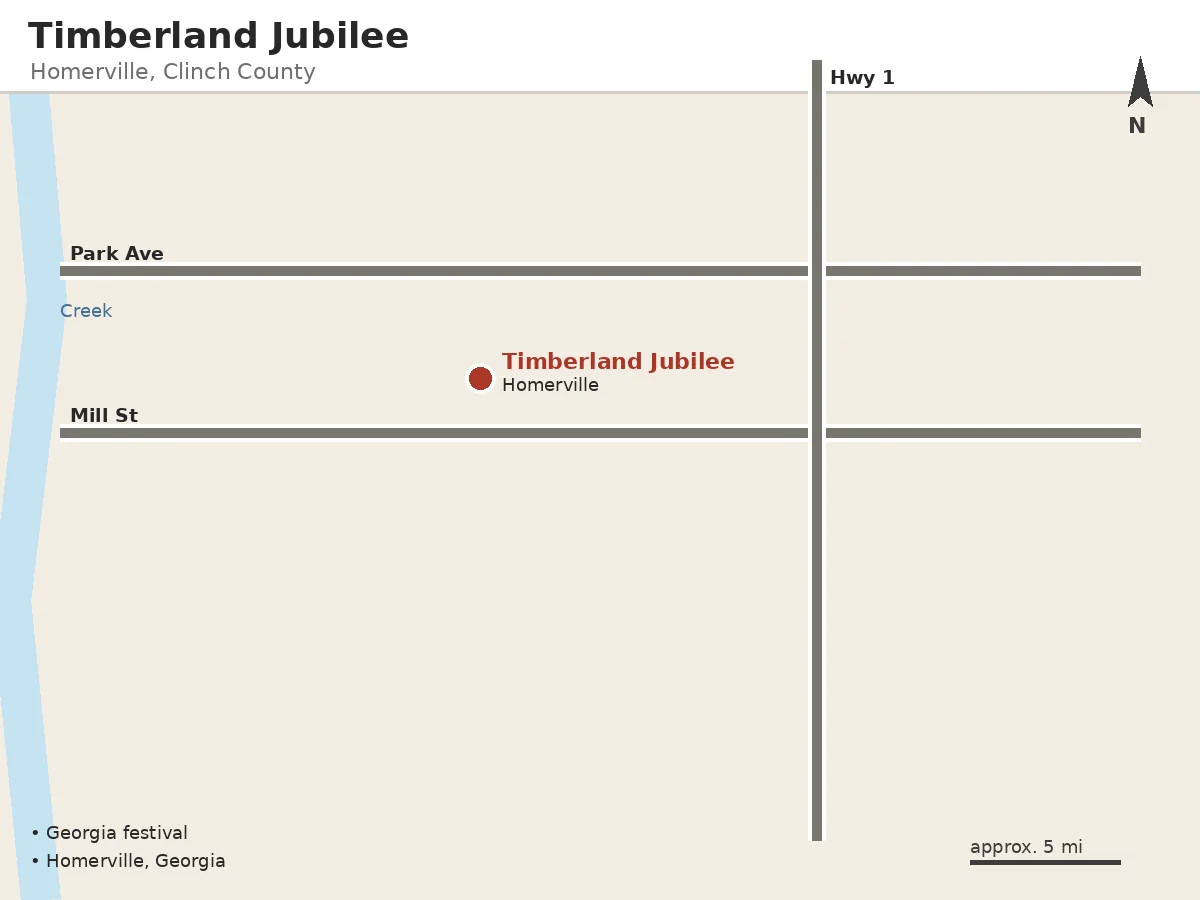
The Timberland Jubilee takes place in Homerville, the county seat of Clinch County in southeastern Georgia, with activities centered on and around the town’s downtown area.
Timberland Jubilee: Straight Answers for Homerville Visitors
When is the Timberland Jubilee held?
It is an annual event, with dates set locally each year rather than fixed by a statewide calendar. Check with Homerville and Clinch County organizers or local community listings before you make travel plans.
Do I need to buy a ticket in advance?
Admission is typically free, so there is usually nothing to purchase ahead of time. Some individual activities or vendor items may carry a small charge. If organizers offer any paid add-ons in a given year, they will publicize them locally.
Is the Jubilee a good fit for young children?
Yes. This is a family-oriented community festival with games, inflatables, and activities aimed at kids, plus plenty of open space to move around. Strollers work fine, though you will want to arrive early if you want shade.
Should I bring cash or can I use a card?
Bring cash. Larger vendors may accept cards, but smaller booths run by churches, civic groups, and individuals often do not. Small bills make everything faster, especially at food lines.
Can I bring my dog to the festival?
Pet policies are set by organizers and can change from year to year, so confirm before you load the car. Many outdoor Georgia festivals welcome leashed, well-behaved dogs, but a crowded food area with hot pavement is not every dog’s idea of a good time.
How do I get to Homerville from out of town?
Homerville sits at the intersection of two major federal highways in southeastern Georgia, which makes it more accessible than its size suggests. Driving is the practical option. Visitors coming from Waycross, Valdosta, or the surrounding region will find an easy, mostly rural route.
What happens if it rains?
Afternoon thunderstorms are a normal part of life in this part of Georgia. Festivals usually continue through passing rain, with crowds thinning briefly and returning. Bring a poncho, keep an eye on the sky, and treat a shower as a chance to grab another plate of barbecue.
Looking Down the Road for the Timberland Jubilee
The Jubilee’s future is tied to the county’s future, and that is a story of small numbers and strong attachments. As long as the people of Clinch County keep showing up for each other, the festival will have a reason to exist. Expect it to stay deliberately local — volunteer-run, affordable, and rooted in the timber heritage that gave it a name. That is not a limitation. It is the whole design.
Last updated: October 2026
If you make the drive to Homerville, come with modest expectations and leave with something better: a real sense of how a county of 6,749 people in the pine woods of southeastern Georgia holds itself together, one annual weekend at a time.