Montgomery County Kansas 4-H Fair Festival
In the rolling farm country of southeast Kansas, the Montgomery County Kansas 4-H Fair Festival is less a single event than a seasonal gathering point. Families come for the livestock barns, the exhibit halls, the grandstand, and the food lines that wind past smokers, fryers, and dessert stands. It is a county fair with a food-forward soul: part agricultural showcase, part community reunion, and part chance to eat very well while cheering on local 4-H members.
Montgomery County Kansas 4-H Fair Festival: The Essentials
| Town / place | Montgomery County area, Kansas |
| County | Montgomery County, Kansas |
| County seat | Independence |
| Population | 31,486 |
| Region | Southeast Kansas |
| Typical timing | Summer, during the county fair season |
| Admission | Typically free; some activities may have separate costs |
| Setting | Rural fairgrounds with exhibit halls and outdoor arenas |
| Features | 4-H exhibits, livestock shows, food booths, family activities |
| Organizer | Local 4-H clubs and fair volunteers |
Where the Montgomery County 4-H Fair Fits in Southeast Kansas
Montgomery County was founded on February 26, 1867, and named for Richard Montgomery. Its county seat is Independence, and the county spreads across 651 square miles of southeast Kansas. With a population of 31,486, it is a place where small towns, farmsteads, and a few larger communities share a single rural rhythm. The 4-H Fair fits squarely into that rhythm.
The festival is built around the projects, animals, and hand-made work of 4-H youth. That means the fairgrounds fill with more than carnival rides and concession trailers. There are pens of cattle, goats, sheep, and swine; cages of poultry and rabbits; tables of canned goods, baked breads, pies, cookies, and garden produce. The food story starts in those exhibit halls, where a blue-ribbon jar of pickles or a decorated cake represents months of practice.
Because the fair is tied to Montgomery County’s agricultural calendar, it feels different from a city festival. The pace is set by show schedules, weigh-ins, and the opening of exhibit buildings. Visitors can wander between barns, food stands, and family activities without losing the sense that they are in the middle of a working county tradition.

From Prairie Fairs to 4-H Tradition in Montgomery County
Montgomery County’s fair tradition grew from the same roots as many Kansas county gatherings: a need for rural families to compare crops, livestock, and household skills. After the county was established in 1867, agriculture became the organizing force of daily life. Fairs offered a practical stage for that work, rewarding the best animals, the finest produce, and the most careful home crafts.
For another look at how a community turns its own traditions into a gathering, see the Montgomery County Iowa Montgomery County Fair Festival for a useful comparison.
Over time, 4-H clubs became a central part of that story. The movement’s focus on head, heart, hands, and health matched the fair’s existing emphasis on learning by doing. Young people began entering projects in categories that ranged from livestock and horticulture to baking, preserving, sewing, photography, and woodworking. The fair became a place where those projects were displayed, judged, and celebrated in public.
The modern Montgomery County Kansas 4-H Fair Festival continues that pattern. It is not a museum piece. It is a living schedule of shows, exhibits, meals, and community events that changes with each summer’s participants. The county’s deep rural base and its county seat at Independence give the fair a steady anchor, while each year’s 4-H members bring new energy to the barns and exhibit halls.
Tasting, Cheering, and Strolling the Montgomery County Fairgrounds
Food Booths, 4-H Food Projects, and Kansas Comforts
Food is one of the main reasons people return to the fair. The concession stands typically serve the classics: smoked meats, burgers, hot dogs, corn dogs, nachos, french fries, funnel cakes, cinnamon rolls, and cold drinks. Local groups often run booths as fundraisers, which means the menu can shift from year to year. What stays consistent is the fairground flavor — salty, sweet, smoky, and meant to be eaten while walking.
The 4-H food projects add another layer. Inside the exhibit halls, judges evaluate breads, cakes, cookies, pies, canned vegetables, jams, jellies, and preserved fruits. These entries are not just displays. They represent kitchen skills passed down through families and practiced by young cooks. Visitors can see the results of those efforts and, in some cases, learn what earned a ribbon and why.
For a food-forward visit, start with the exhibit hall before the crowds arrive, then move to the outdoor stands when the lunch or dinner rush begins. Look for church groups, civic clubs, and 4-H families selling homemade ice cream, pie slices, or slow-cooked barbecue. The exact vendors may change, but the combination of fair food and county hospitality is the heart of the experience.
Entertainment from Livestock Arenas to Evening Stages
Entertainment at the Montgomery County fair is spread across the grounds. Livestock shows and showmanship contests draw crowds to the arenas, where young exhibitors present animals they have raised and trained. The atmosphere is part competition, part education, and part family pride. Announcements echo across the grounds, and spectators often drift between barns to watch different species compete.
Evening entertainment may include live music, grandstand events, tractor pulls, or other family-friendly programming, depending on the year’s schedule. Some fairs also feature carnival rides or games. Because the lineup can vary, it is best to check the current fair schedule before making the trip. The constant is the fairground buzz: kids running between activities, parents carrying blankets, and the smell of fried food mixing with livestock bedding and summer dust.
Family Activities for All Ages
Families will find plenty to do beyond the food stands. Younger children often enjoy petting areas, games, craft tables, and educational exhibits. Older kids may gravitate toward livestock barns, showmanship events, or the midway. Grandparents tend to claim seats near the arena or the exhibit hall, where they can watch the next generation take part.
The fair also works as a low-pressure family outing. Admission is typically free, so families can come for a few hours, leave for a nap, and return in the evening. The grounds are usually walkable, with indoor halls offering shade and outdoor arenas offering the full summer fair experience. Bring patience for heat and a willingness to let the day unfold at fair speed.
Planning a Fair Day in the Montgomery County Area
Getting There from Independence and Beyond
Independence, the county seat, is the most natural reference point for visitors heading to the Montgomery County area. The fairgrounds are reached by the county’s local road network, with traffic increasing around popular show times and evening events. If you are coming from another southeast Kansas community, allow extra time for rural driving, slow-moving vehicles, and occasional road construction.
Where to Stay Near Montgomery County
Visitors who need overnight lodging often base themselves in Independence or another nearby Montgomery County town. Options may include local motels, guest rentals, or campgrounds in the broader area. Because fair week can be busy, booking early is wise if your visit coincides with a major show, auction, or weekend evening event.
Parking and Fairground Logistics
Fairground parking is usually handled on or near the grounds, often on grass or gravel lots. Follow the directions of volunteers and posted signs. Arriving earlier in the day can make parking easier, especially on weekends. Carpooling with family or neighbors is a practical choice, and it keeps the entry and exit traffic lighter.
Admission, Food Costs, and Budgeting
Admission to the fair is typically free, though some activities, rides, meals, or special events may have separate costs. Food is the main variable in most budgets. Bring cash for concession stands, fundraiser booths, and small purchases, even if some vendors accept cards. A simple plan — one main meal, one dessert, and a drink — keeps the day affordable while still enjoying the fair’s food culture.
Weather and What to Wear
Summer in southeast Kansas can be hot, humid, and storm-prone. Wear light clothing, comfortable walking shoes, and a hat. Sunscreen and a refillable water bottle are essential. Keep an eye on the sky, especially in the afternoon, and have a plan to move indoors if thunderstorm warnings develop. Closed-toe shoes are better than sandals around livestock areas and uneven ground.
A Sample Weekend at the Montgomery County Kansas 4-H Fair
Start the first afternoon with a walk through the exhibit halls. This is the quietest time to see food projects, crafts, and static displays before the evening crowds arrive. Grab a late lunch from a concession stand — perhaps a corn dog, a burger, or a plate of barbecue — and then wander through the livestock barns. Watch a few minutes of a showmanship class, then find a shaded seat for the parade of families and exhibitors.
In the evening, return to the midway or grandstand area. Split a funnel cake or cinnamon roll, listen to live entertainment if it is scheduled, and let younger kids burn off energy on rides or games. Before leaving, check the next day’s schedule so you know when the livestock auction, food judging results, or family activities begin.
The next morning, arrive early for breakfast and the first livestock classes. This is when the fair feels most authentic: exhibitors brushing animals, parents carrying feed buckets, and judges making careful notes. After the morning shows, visit the food booths again for homemade ice cream or a slice of pie. Spend the afternoon at family activities, then stay for the evening grandstand event or a final walk through the barns. End the weekend with a cold drink and one last look at the exhibit hall ribbons.
How the 4-H Fair Compares with Other Southeast Kansas Gatherings
Compared with larger town festivals in Independence or Coffeyville, the Montgomery County 4-H Fair is smaller, more rural, and more focused on youth projects. Independence, as the county seat, offers a broader base of local services and community events, while Coffeyville has its own identity as a nearby population center. The 4-H Fair complements both by keeping agriculture and youth development at the center.
Nearby Cherryvale and other Montgomery County communities add their own local celebrations and traditions. Those events may lean toward town history, music, or seasonal gatherings. The 4-H Fair stands apart because its schedule is built around livestock shows, exhibit judging, and 4-H project work. For visitors, that makes it a different kind of stop: less about a downtown street closure, more about barns, arenas, food booths, and family demonstrations.
What to Bring to the Montgomery County 4-H Fair
Bring sunscreen, a hat, sunglasses, and a refillable water bottle. Wear comfortable shoes that can handle grass, gravel, and livestock areas. Pack a light rain jacket or poncho for summer storms. Carry cash for food booths and small purchases, plus a tote bag for any items you buy from vendors. If you have young children, bring wipes, a change of clothes, and a stroller if walking long distances is a concern. A small folding chair or blanket can help during evening entertainment. Finally, check the current fair schedule before you go so you do not miss the food judging, livestock shows, or grandstand events you care about most.
Beyond the Fairgrounds: Independence and the Montgomery County Landscape
The fair is only one part of the Montgomery County experience. Independence, the county seat, is the civic and commercial hub for the area. With a county population of 31,486 and 651 square miles of land, Montgomery County includes prairie, farmland, small towns, and a network of rural roads that reward slow exploration. The county was founded on February 26, 1867, and named for Richard Montgomery, giving it a long identity tied to Kansas history.
Outside the fairgrounds, visitors can spend time in Independence or take short drives to neighboring communities. The landscape itself is part of the appeal: wide skies, grain elevators, pasture gates, and the kind of small-town Main Streets that make southeast Kansas feel distinct. If you have time, pair the fair with a drive through the county and a meal at a local café or diner. The region’s food culture extends beyond the fair, from small-town breakfast spots to family-run barbecue and Mexican restaurants.
The Fair’s Role in Montgomery County’s Youth and Rural Life
The Montgomery County 4-H Fair matters because it gives young people a public stage for work that usually happens quietly. Months of feeding, grooming, practicing, baking, sewing, and record-keeping culminate in a few days of judging and showing. That process teaches responsibility, patience, and communication. It also connects generations: parents and grandparents who once showed projects now watch their children do the same.
For the wider community, the fair is a shared calendar marker. It brings together farm families, town residents, local businesses, and volunteers. Food booths raise money for clubs and causes. Exhibit halls display the skills of the county’s youngest members. Livestock auctions and shows support agricultural livelihoods. In a county with a strong rural base, the fair is not just entertainment. It is a practical celebration of what the community grows, cooks, builds, and raises.
Where the Montgomery County 4-H Fair Sits in Southeast Kansas
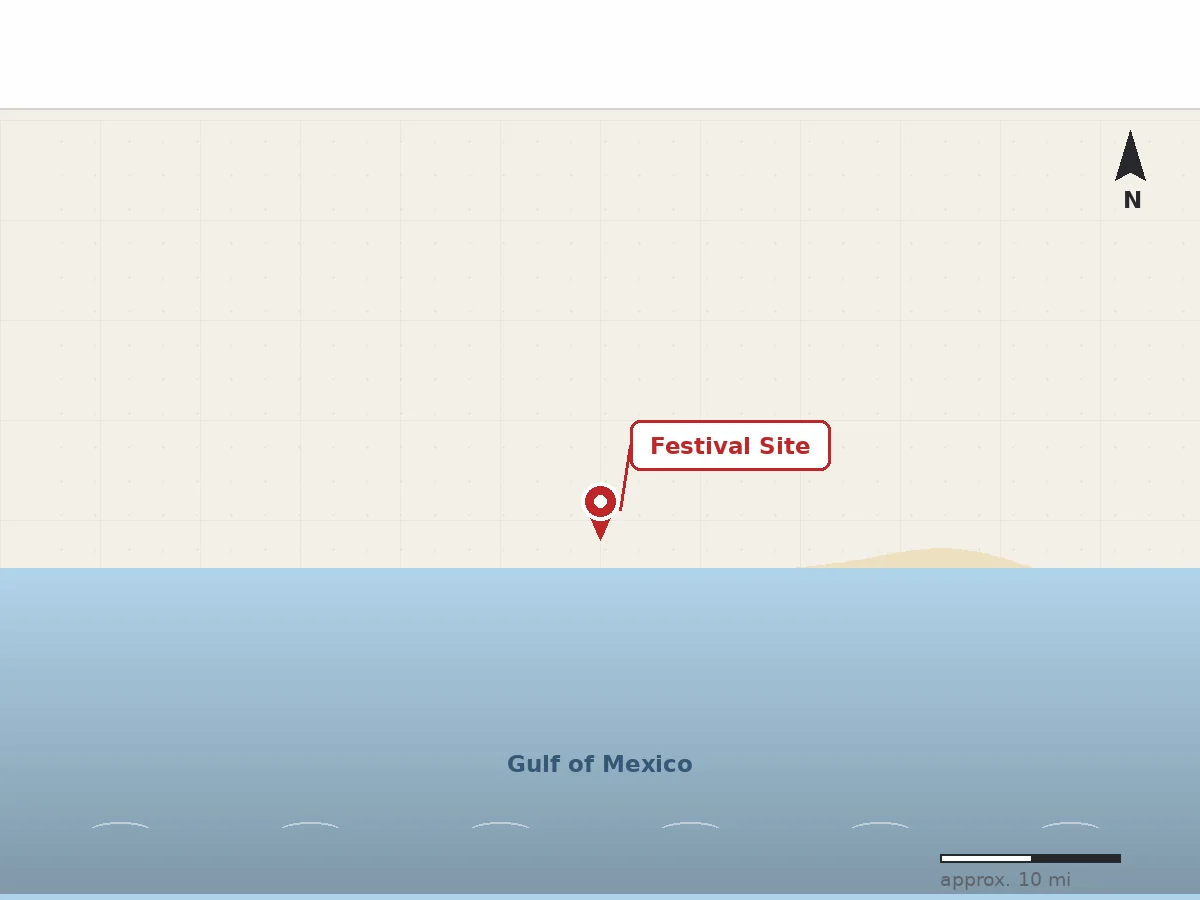
The Montgomery County 4-H Fair takes place in the Montgomery County area of southeast Kansas, with the county seat at Independence serving as the main nearby reference point.
Montgomery County 4-H Fair Questions from First-Time Visitors
Is the Montgomery County 4-H Fair free to attend?
Admission is typically free, though some activities, rides, meals, or special events may have separate costs. That means you can often walk the grounds, visit exhibit halls, and watch many shows without paying an entry fee. Bring cash for food and optional activities.
What food is the fair known for?
The fair is known for classic concession food and 4-H food projects. Expect items such as smoked meats, burgers, corn dogs, funnel cakes, cinnamon rolls, homemade ice cream, pies, and baked goods. The exhibit halls also showcase canned goods, breads, cakes, and preserved produce entered by local youth.
Is the fair good for young children?
Yes. The fair is generally family-friendly, with livestock barns, educational exhibits, games, rides, and food stands. Younger children may enjoy petting areas and hands-on activities. Bring sun protection, water, and comfortable shoes, and plan breaks during the hottest part of the day.
When is the fair usually held?
The fair is typically held in summer during the county fair season. Exact dates can vary from year to year, so check the current schedule before planning your visit. Evenings and weekends tend to be the busiest times.
Looking Ahead for the Montgomery County Kansas 4-H Fair
The future of the Montgomery County Kansas 4-H Fair Festival depends on the same things that have sustained it for generations: young people, volunteers, families, and community support. As agriculture changes and small towns evolve, the fair remains a place to share skills, celebrate local food, and keep rural traditions visible. Continued interest in 4-H projects, livestock shows, and fair food will likely keep the grounds busy each summer.
For visitors, that means the fair is worth watching over time. New exhibitors will bring new recipes and projects. Local clubs will adapt their booths and events.
Last updated: October 2026
Whether you come for the barbecue, the pie, the livestock shows, or simply the chance to spend a summer evening in Montgomery County, the 4-H Fair offers a genuine slice of southeast Kansas. It is a place where food and community are served together, and where the next generation of cooks, farmers, and makers gets its moment in the spotlight.
One Comment