Hampshire County Massachusetts Three County Fair Festival
There is a moment on the first evening of the Three County Fair when the midway lights flicker on, the barns go quiet, and the whole Hampshire County area settles into a familiar rhythm. Grandparents point out the stalls they visited as children. Teenagers drift toward the rides. Somewhere near the exhibition hall, someone is still arguing, politely, about the right way to bake a pie. Held each year in late summer, as August gives way to September, the Three County Fair is one of western Massachusetts’ enduring traditions — less a spectacle than a reunion, with livestock, ribbons, and fried dough at its center.
The fair takes its name from a long role as a shared showcase for three counties, and that generous, neighborly instinct still shapes the experience. Hampshire County covers 545 square miles and counted 162,308 residents at the 2020 census, yet the fairgrounds compress all of that variety — hill towns, college towns, river villages, working farms — into a few walkable acres. Come for the cattle show, the evening music, or simply a cider donut, and you arrive as a neighbor.
Three County Fair Basics for Hampshire County Visitors
| Town / place | The Hampshire County area, western Massachusetts |
| County | Hampshire County |
| County seat | Northampton, the county’s historic shire town |
| Population | 162,308 (2020 census) |
| Region | Pioneer Valley, western Massachusetts |
| Typical timing | Late summer, usually as August turns into September |
| Admission | Gate arrangements shift from year to year; confirm current details locally |
| Setting | A traditional fairground with barns, an exhibition hall, grandstand, and midway |
| Features | Livestock judging, produce and craft exhibits, rides, live music, fair food |
| Organizer | A longstanding local fair association supported by volunteers |
Inside the Three County Fair: Barns, Midway, and County Character
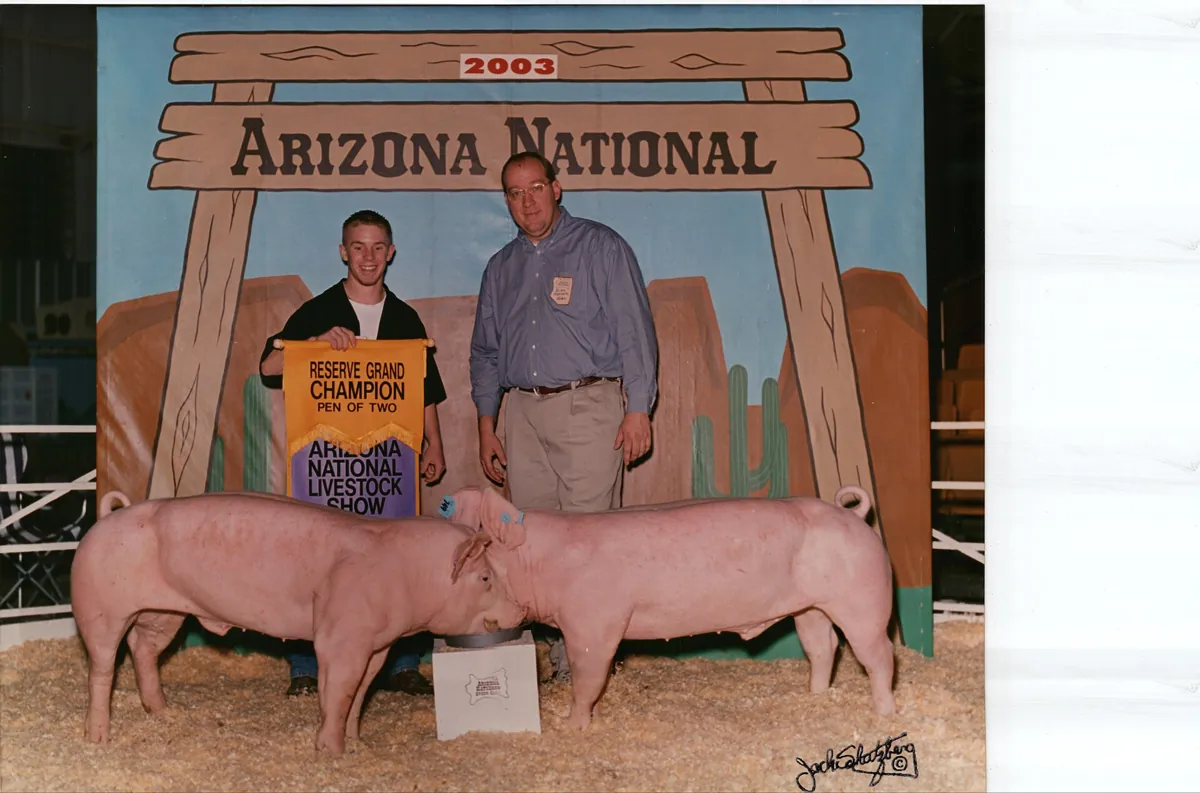
Strip away the lights and the funnel cakes, and the Three County Fair is still, at heart, an agricultural exhibition. Cattle, sheep, goats, rabbits, and poultry fill the barns for days at a time, groomed and haltered by young handlers who have spent the summer preparing. The exhibition hall smells of varnish and vinegar: prize tomatoes, towering sunflowers, jars of preserves, quilts, photographs, and the kind of handwork that rarely gets a public audience anymore. Judges move down the rows with clipboards, and ribbons appear like small flags.
Around that agricultural core, the fair builds everything else a family needs for a long afternoon — a midway, a grandstand, food stalls, and corners where neighbors run into each other and lose track of time. Because the county was founded in 1662, the fair sits inside one of the oldest continuously settled landscapes in Massachusetts, and the event leans into that inheritance without turning it into a museum piece. It is a working fair for a working county, and the mix of tradition and noise is exactly the point.
Two Centuries of Ribbons, Rows, and Rural Pride
The fair’s story stretches back through two centuries of Hampshire County life, and it begins where most things here begin: with the land. After the county was established in 1662, its villages grew around meetinghouses, mill streams, and the flat, fertile intervals along the Connecticut River. Farming was not a hobby; it was the economy. Agricultural societies formed to share breeding stock, compare yields, and argue about seed. Out of that practical impulse came the fair — a place to put the year’s work on display and let neighbors judge it honestly.
The three-county name reflects the fair’s original reach, drawing exhibitors and visitors from beyond Hampshire’s borders into a single shared grounds. Over time the fairgrounds grew permanent buildings: barns, a grandstand, an exhibition hall, a track. Rail lines and later the automobile made the trip easier, and the fair became a regional anchor rather than a village gathering. Midways arrived, then amplified music, then the deep-fried everything of the modern era.
What did not change is the calendar of judging. Livestock classes, baked goods, vegetables, and crafts still get evaluated on their merits, and a blue ribbon still carries weight in a Hampshire County kitchen. Generations of local families have entered the same categories their parents entered, which is why the fair feels less like an event and more like an inherited habit.
What a Day at the Three County Fair Feels Like
Plan on a full day, not an hour. The fair rewards wandering: barns in the morning, exhibition hall in the afternoon, midway at dusk. Wear shoes you do not mind scuffing, and leave room in your bag for something you did not intend to buy.
Fair Food Worth Standing in Line For
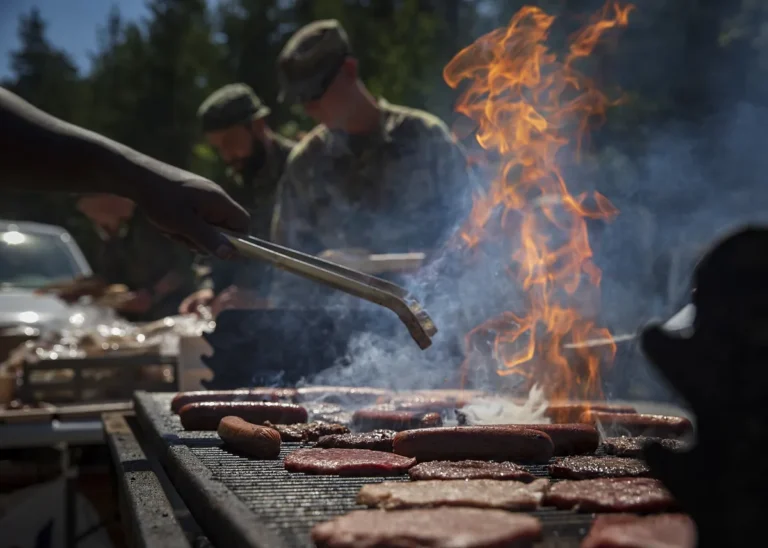
Food at the Three County Fair is a mix of the regional and the ridiculous. Expect cider donuts, maple sweets, grilled sausage and peppers, corn on the cob, hand-cut fries, and the fried dough that seems to define the genre. Local vendors often sell preserves, honey, cheese, and baked goods alongside the midway staples, so it is entirely possible to eat like a farmer and then follow it with something on a stick. Lines move fastest in the late morning and slow considerably after sunset.
Music, Grandstand Shows, and Evening Entertainment
Entertainment runs from afternoon into the night, with regional bands, cover acts, and local performers sharing stages around the grounds. The grandstand typically anchors the biggest programming of the day, whether that means a concert, a tractor pull, or a crowd-pleasing evening event. Between sets, the fairgrounds hum with the ordinary soundtrack of a good fair: ride machinery, announcements over the PA, kids calling to each other across the midway.
Family Activities for Kids of Every Age
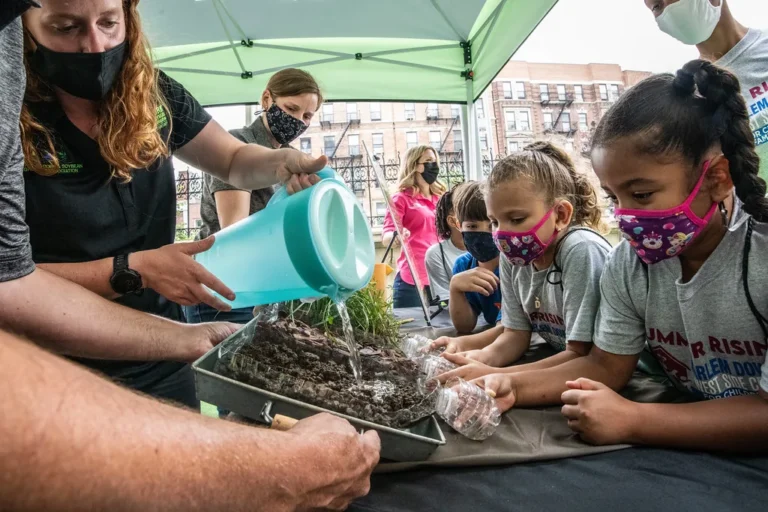
Children tend to move through the fair in a specific order: animals first, then rides, then anything involving sugar. The barns are the easiest win — most kids will happily spend twenty minutes watching goats. Petting areas, pony rides, and hands-on agricultural displays keep younger visitors engaged, while older kids head for the midway. Craft and produce exhibits double as a scavenger hunt if you give children a short list of things to find, and 4-H members are usually happy to answer questions about the animals they have raised.
A Sample Fair Weekend, Saturday into Sunday
Saturday morning. Arrive close to opening, when parking is easy and the barns are still being mucked out and bedded down. Walk the livestock aisles while the day is cool, then head to the exhibition hall before the crowds thicken. Grab coffee and a cider donut on the way.
Saturday afternoon. Catch a judging session or a demonstration, eat lunch from a vendor you have never tried before, and let the kids loose on the rides while you claim a patch of shade. This is the slowest, most sociable part of the day — expect to run into people you know.
Saturday evening. Stay for the lights. The midway at dusk is the fair at its most photogenic, and the grandstand show gives the day a natural finish. Leave before the final rush if you want a quick exit from the lot.
Sunday. Return for the quieter hours. Awards are often posted by now, so you can see which preserves, vegetables, and animals took ribbons. It is a good morning for the exhibition hall, a last pass through the barns, and one final fried dough before heading home.
Planning a Three County Fair Visit from Anywhere in the Valley
A little forethought turns a good fair day into a great one. Most of the friction comes from parking, weather, and cash, and all three are manageable.
Getting There from Across the Pioneer Valley
The fairgrounds sit within easy reach of the Interstate 91 corridor and the region’s main east-west routes, which makes the drive straightforward from most Hampshire County towns and from neighboring counties. Traffic thickens noticeably in the hour after opening and again around dinner time. If you are coming from Amherst, Greenfield, or the hill towns, allow extra time on weekend afternoons and consider a mid-morning arrival.
Where to Stay Near the Fair
Because the fair runs over a weekend in a busy season, nearby lodging fills quickly. Options in the region range from established hotels and inns in the larger towns to bed-and-breakfasts in the surrounding villages and campgrounds for those who prefer to pitch a tent. Book early if you are traveling from outside the county, and treat the fair as the anchor of a longer Pioneer Valley weekend rather than a single-day dash.
Parking Without the Headache
On-site and adjacent parking is the norm, usually directed by attendants who know exactly how many cars fit in a row. Arrive before midday, carpool if you can, and note where you parked — the grounds look different after dark. Keep an eye out for accessible spaces near the main gates if anyone in your group needs them.
Admission and What a Day Costs
Gate arrangements can change from year to year and sometimes by session, so treat the fair’s own posted information as the final word rather than anything you read in advance. Budget for rides, food, and midway games on top of entry, and carry some cash — many vendors and smaller stands still prefer it. Many regional fairs keep entry free or reduced for the youngest visitors, which helps families stretch a day out.
Late-Summer Weather and What to Wear
Late August and early September in the Pioneer Valley can deliver heat, humidity, a sudden thunderstorm, or a cool evening, sometimes all in one day. Dress in layers, bring sunscreen and a hat, and pack a light rain jacket rather than an umbrella if you plan to be near the grandstand. Comfortable, closed-toe shoes are non-negotiable once you have walked a barn aisle or two.
How the Three County Fair Compares with Neighboring Fairs
Western Massachusetts is rich in fairs, and each has its own personality. The Franklin County Fair in Greenfield leans strongly agricultural, with deep roots in the hilltown farming communities to the north. The Big E in West Springfield is a far larger, multi-state exposition — a different scale entirely, with a much broader commercial footprint. Closer to home, the Cummington Fair in the Hampshire County hills has a distinctly rural, old-fashioned feel that longtime residents cherish.
The Three County Fair sits comfortably between those poles. It is bigger and more varied than the smallest hilltown fairs, but it has not lost the local, ribbon-driven character that makes a county fair worth attending. If you are choosing a weekend, pick based on mood: Greenfield for farm tradition, West Springfield for sheer scale, Cummington for intimacy, and the Three County Fair for the best all-around Hampshire County day.
Your Three County Fair Checklist Before You Leave Home
Charge your phone and bring a battery pack, since signal and outlets are both unreliable.
Carry cash for vendors, games, and tips.
Pack sunscreen, hats, and a refillable water bottle.
Wear closed-toe shoes you can walk in for hours.
Bring a light layer for after sunset.
Check the fair’s current schedule and gate details before you drive.
Agree on a meeting point with your group near the main gate.
Leave room in the car for produce, preserves, or something from the craft tents.
Beyond the Fairgrounds: The Rest of Hampshire County
The fair is a fine reason to spend a weekend here, but it is not the only one. Northampton and Amherst offer bookshops, cafes, and a steady calendar of live music. Hadley and the surrounding farmland keep the county’s agricultural identity visible in pick-your-own fields and farm stands. Historic Deerfield, the Norwottuck Rail Trail, and the ridgeline views from the Holyoke Range give you an outdoor counterweight to a day of midway noise.
If you have an extra morning, drive the back roads between villages and stop wherever a farm stand looks busy. That is the same countryside the fair has been celebrating for two centuries, and in late summer it is at its most generous.
Why the Three County Fair Still Matters Here
County fairs survive because they do something nothing else does: they put a community’s ordinary work on a pedestal for a few days. In Hampshire County, that means the teenager who raised a steer, the gardener with the best tomatoes in her village, the quilter whose pattern took a winter to finish. The fair gives all of them an audience.
It also functions as an economic and social anchor. Vendors, farmers, artisans, and local organizations count on the weekend. Volunteers who spend months organizing it are usually the same people running the food pantry or coaching youth sports. When the fair does well, the county’s civic fabric does too — which is why so many families treat it as a fixed point in the year rather than an optional outing.
Where the Three County Fair Sits in the Pioneer Valley
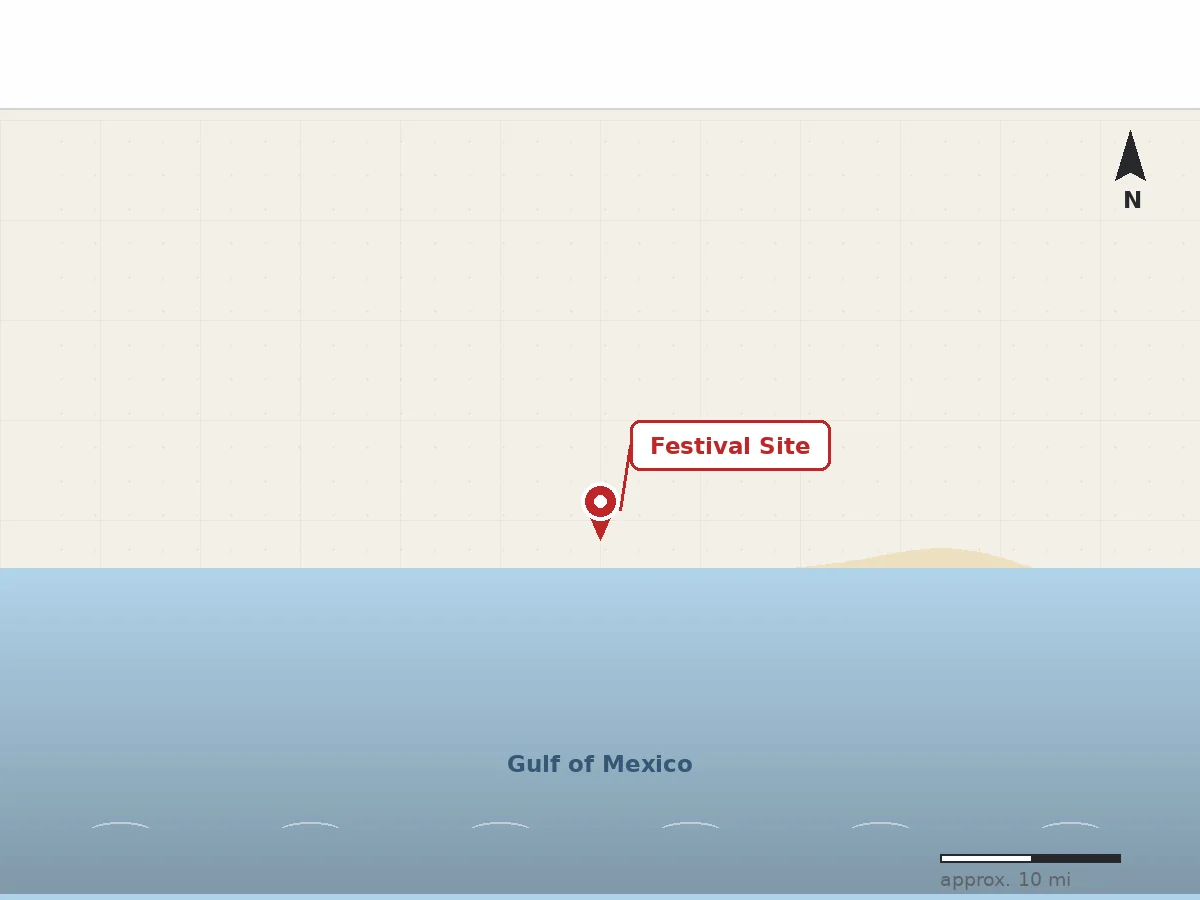
The Three County Fair takes place at the fairgrounds in the Hampshire County area of western Massachusetts, within the Pioneer Valley and within easy driving distance of Northampton, Amherst, and Greenfield.
Three County Fair Questions, Answered Plainly
When is the Three County Fair held?
It is a late-summer fair, usually falling as August turns into September. Because the exact weekend shifts from year to year, check the current schedule before you plan travel or book lodging. Mid-morning arrivals on the first day tend to be the calmest.
Is the fair a good outing for young children?
Yes — the animal barns, petting areas, and midway rides are built for families. Bring a stroller if you have toddlers, since the grounds involve a fair amount of walking, and plan your day around the coolest hours. Expect noise near the rides and grandstand, especially after dark.
Should I buy tickets in advance?
Advance purchasing can save time at the gate in busy years, but arrangements change, so confirm what the fair is offering for the current season. If advance tickets are not available, arriving early is the simplest way to avoid a queue. Keep some cash on hand regardless.
What should I bring with me?
Sunscreen, a hat, a water bottle, comfortable shoes, and a light rain jacket cover most contingencies. A tote bag helps if you plan to buy preserves, produce, or crafts. Leave pets at home unless the fair specifically permits them, and keep an eye on the weather forecast the night before.
What Lies Ahead for the Three County Fair
The fair’s future depends on the same thing it always has: people willing to show up and pitch in. Like fairs across New England, it faces rising costs, an aging volunteer base, and competition for families’ weekend time. What it has in its favor is genuine affection and a product nobody else offers — real agriculture, real handwork, and a shared place to stand.
Expect organizers to keep leaning into what works: strong livestock programming, hands-on activities for children, local food and music, and a schedule that respects how far visitors travel. As long as Hampshire County keeps raising animals, growing vegetables, and baking pies worth arguing about, the fair will have something to celebrate. Last updated: October 2026
For anyone who grew up here, the Three County Fair is less a decision than a habit — the last long weekend of summer, spent among neighbors, animals, and the smell of fried dough. Come once and you will understand why so many Hampshire County families mark the season by it.