Hampden County Massachusetts Eastern States Exposition Festival

Ask people across Hampden County what the Eastern States Exposition means to them and you rarely get a description of an event. You get a routine. A retired teacher in Chicopee goes early, walks the livestock barns first, and is home before the afternoon warms up. A family in Springfield treats the midway as an annual ritual and budgets for it the way other households budget for a vacation. Someone from the hill towns drives in once, eats too much, and swears that next year they will pace themselves. That is what a fair of this scale does: it stops being a date on the calendar and becomes a season marker.
Hampden County covers 634 square miles, and its 465,825 residents, counted in the 2020 census, are spread from the county seat of Springfield out through mill towns, suburbs and farm country. For a stretch of weeks each year, a remarkable share of them end up walking the same gravel lanes.
Eastern States Exposition Essentials for Hampden County
| Place | The Hampden County area, Massachusetts |
| County | Hampden County |
| County seat | Springfield |
| County population | 465,825 (2020 census) |
| County land area | 634 square miles |
| County founded | August 1, 1812 |
| Region | Western Massachusetts, Pioneer Valley |
| Typical timing | Late summer into early autumn, across a multi-week run |
| Admission | Ticketed entry to the main fairgrounds, with rates set each season |
| Setting and features | A large fairground campus with exhibition halls, outdoor arenas, livestock barns, midway rides, food rows and surrounding parking fields |
The Exposition, Explained for First-Time Hampden County Visitors
The Eastern States Exposition is the large regional fair that Hampden County measures its autumn by. It runs over multiple weeks in late summer and early autumn on a dedicated fairground campus, and it is built on the oldest subject in the region’s economy: agriculture. Livestock shows, produce and craft competitions, exhibition halls, machinery displays, midway rides and food stalls sit side by side, which is why regulars describe it as several events sharing one gate.
Springfield, the county seat, supplies a large share of day visitors, while smaller towns fill the parking fields on weekends. For local families the fair works as a reunion, a school field trip destination and a shopping trip rolled into one long afternoon. Entry to the main fairgrounds is ticketed, with rates set for each season.
Hampden County Since 1812: From Farm Fairs to a Regional Exposition
Hampden County was founded on August 1, 1812, carved out of a landscape of river valleys and hill farms. Springfield grew into an industrial city of armories, machine shops and rail links, while the outlying towns stayed agricultural. The Exposition belongs to that dual inheritance. It grew out of the region’s habit of gathering to compare livestock, produce and manufactured goods — the county fair as a practical institution rather than a carnival.
Over the decades it expanded from a local showcase into a multi-week regional event, adding exhibition halls, arenas and permanent infrastructure to handle crowds a town green could never hold. What stayed constant is the premise: farmers and makers enter, judges decide, and the public walks through to see what the county produced that year. Residents still treat a blue ribbon as a genuine honor, and the 634 square miles of the county give the fair room for both its grounds and the farms that supply its exhibits.
A Day at the Exposition, Told Through Hampden County Habits
Expect a place that rewards a plan and punishes aimless wandering. The grounds are large, the days are long, and the local strategy is simple: pick two or three priorities, then let the rest of the visit happen around them.
Food: Long Lines and the County’s Annual Lunch Break
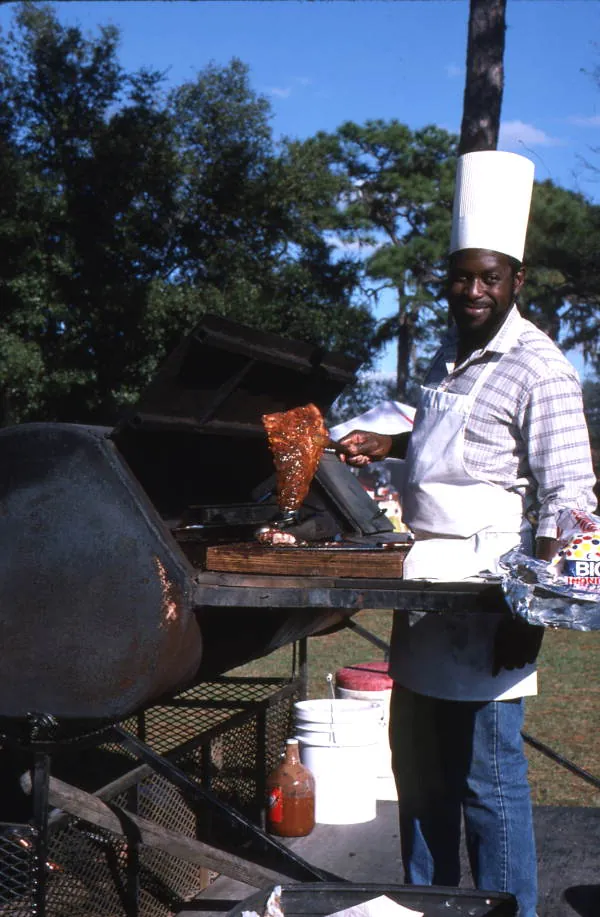
Food is where Hampden County gets loudest. Locals talk about the fair in terms of what they eat first — something sweet before the gates are fully behind them, a baked potato as a mid-afternoon anchor, fried dough at dusk. Vendors run from county-fair classics to full meals, and the agricultural halls sell the region’s own produce and dairy. A Springfield family with three children will tell you the food budget is the real budget. Lines peak around midday and again once evening crowds arrive, so eating at eleven in the morning or mid-afternoon is a well-known local trick.
Stages, Brass and the Sound of a Hampden County Evening
Entertainment runs all day, and the sound shifts with the hours: brass and country in the afternoon, louder sets at night. Residents living nearby describe hearing the evening shows faintly across the fields. Away from the main stages there are strolling performers, agricultural demonstrations and cooking talks that pull small crowds. That free-with-entry programming is the backbone of a long visit, filling the hours between the barns and the midway. Headline shows often require a separate ticket, so check the day’s schedule at the gate.
Family Activities: Barns First, Then the Rides
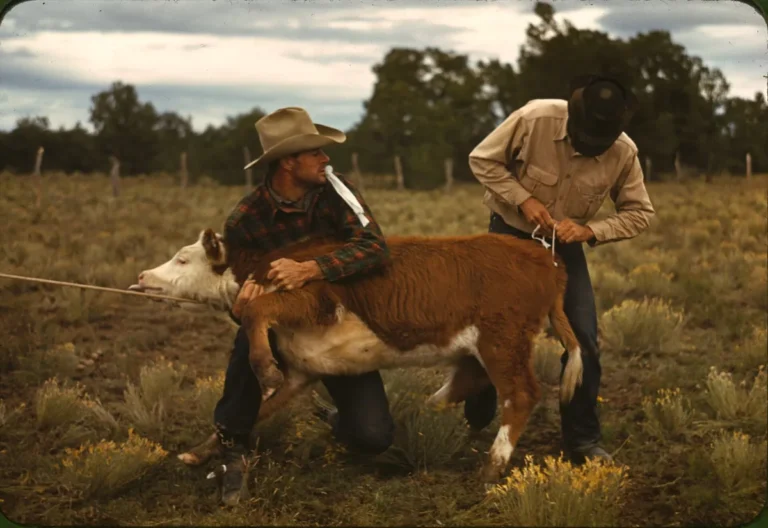
Families tend to work the grounds in a loop: livestock barns first, while animals are active and aisles are quiet; then the children’s ride area; then a show; then home before anyone melts down. The barns are what surprises first-timers — real animals, real judging, children leaning over railings. Many county schools treat an Exposition visit as a field trip, so weekday mornings can be busy with groups. Strollers are common, but the gravel and grass are rough on small wheels; a wagon is the local preference.
Planning a Visit from Springfield or Anywhere in the County
Getting There from Springfield and the Surrounding Towns
The fairground sits in the Hampden County area, well inside the region’s road network. Most visitors drive, and the main approaches back up in the hour after gates open. Arriving early or mid-afternoon smooths that out. Rideshare drop-off points can be a walk from the entrances, so agree on a pickup spot before your group splits up.
Where to Stay in the Hampden County Area
Springfield, the county seat, has the deepest bench of hotels, with more rooms along the nearby highway corridors. Because the run lasts weeks, midweek stays are easier to book than weekend ones. Campers often stay at regional campgrounds and drive in daily. If you are traveling from outside the county, reserve well before the season begins.
Parking on and Around the Grounds
On-site parking is the default, and it fills from the perimeter inward, which means early arrivals park closer. Staff direct traffic, so follow the lanes rather than your own instinct. Note your lot letter or number — after dark, rows of cars look identical. Some visitors park in town and walk, but only where signage permits it.
Admission and What a Fair Day Actually Costs
Entry to the main fairgrounds is ticketed, and rates are set for each season; multi-day passes usually make sense if you plan two visits. Once inside, most exhibits, demonstrations and strolling entertainment are included. Budget separately for food, midway rides and any ticketed concert. Many Hampden County workplaces treat a fair day as an informal tradition, so weekday crowds are lighter than newcomers expect.
Weather: Dressing for a New England Fair Season
Late summer and early autumn in Hampden County swing hard — warm afternoons, cold evenings, and at least one soaking rain during the run. Layers, broken-in shoes and a light rain jacket cover nearly every scenario. Buildings offer shelter, but the midway and parking fields do not.
A Sample Exposition Weekend, Hour by Hour
Friday evening: arrive after work, park, walk the midway at dusk when the lights come on, eat dinner from a vendor, and leave before the headliner rush. Saturday morning: gates early, livestock barns and agricultural halls before the crowds, a cooking demonstration, lunch at eleven. Saturday afternoon: exhibition halls and craft displays, a strolling show, then a rest on a shaded bench. Saturday evening: main stage, then the food row again. Sunday: a slower loop through whatever you missed, a last look at the shopping halls, and home by mid-afternoon to beat the exodus. Regulars say the same thing every year — two shorter visits beat one long day.
How It Compares With Other Hampden County Gatherings
The Exposition is the county’s largest recurring event by a wide margin, and that changes how you use it. A Springfield neighborhood festival or a downtown street fair is a few-hour commitment: arrive, eat, hear a band, go home. The Exposition is a full-day or multi-day proposition. Compared with smaller town fairs in Chicopee or Holyoke, it trades intimacy for range — more to see, longer walks, bigger crowds, and a schedule that rewards planning. The trade is worth making once a year, and the smaller gatherings remain the better choice for a spontaneous Saturday.
What to Bring Before You Drive to the Fairgrounds
Comfortable shoes already broken in; a layer for the evening; a rain jacket; sunscreen for the open midway; a refillable water bottle; cash for vendors who prefer it; a phone battery pack; a photo of your parking row; and a written meeting point for anyone in your group who wanders. Skip folding chairs unless you intend to sit through a full show.
Beyond the Exposition: The Rest of Hampden County
Springfield, the county seat, deserves a half-day of its own, with museums, a riverfront and a downtown that has been steadily rebuilding. The county’s smaller cities and hill towns supply the contrast: mill architecture, farm stands and quiet roads that make the drive home part of the trip. If you have a second day, spend it eating somewhere that is not a fair vendor and looking at the landscape that fills the Exposition’s exhibit halls. Autumn drives across the county’s 634 square miles are their own attraction.
One Shared Season for 465,825 Hampden County Neighbors
For a county of 465,825 people, counted in the 2020 census, the Exposition does something few institutions manage: it puts farmers, factory workers, students and retirees in the same place at the same time. It keeps agricultural knowledge visible in a county that has been urban and industrial for generations. It hands local businesses a predictable annual spike. And it gives families a fixed point in the calendar — the weeks that always look the same, even when everything else shifts. That reliability is the point. Residents rarely describe the fair as exciting. They describe it as theirs.
Where the Exposition Sits in Hampden County
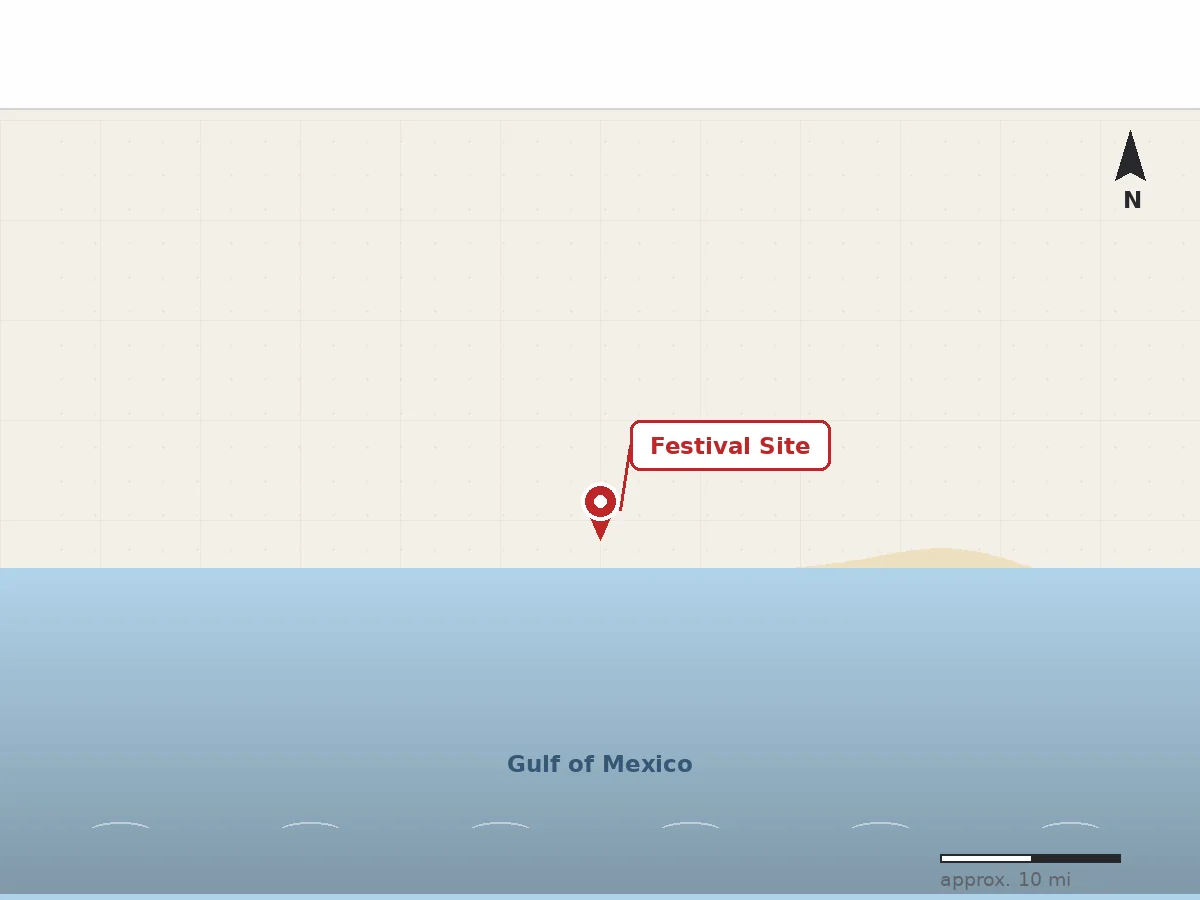
The Eastern States Exposition takes place on its fairground campus in the Hampden County area of Western Massachusetts, a short drive from Springfield, the county seat.
Timing, Tickets, Kids, and Time: Exposition Answers
When does the Exposition run each year?
Timing follows the same seasonal pattern annually: a multi-week run that begins in late summer and carries into early autumn. Because the stretch is long, a midweek visit feels very different from a weekend one. Confirm the current season’s schedule before planning around a particular day.
Should I buy tickets ahead of time?
Admission to the main fairgrounds is ticketed, and rates are set for each season. Buying ahead usually saves time at the gate, especially on weekends. Ticketed concerts and midway rides are separate from general entry.
Is it a good outing for young children?
Yes, with a plan. Livestock barns, the children’s ride area and daytime shows are the reliable hits. Weekday mornings are calmer than weekends, and a wagon with large wheels handles the grounds better than a small stroller.
How much time should I allow?
Most first-timers underestimate it. A half day covers one section well, a full day covers the highlights, and a second visit is what many Hampden County regulars actually do. Traveling from outside the county? Plan on a full day at minimum.
Looking Ahead to Future Exposition Seasons in Hampden County
The Exposition’s future is tied to the county around it. As Hampden County’s population shifts and its economy changes, the fair keeps rebalancing — more food, more entertainment, and a stubborn commitment to the agricultural core that justifies its name. The multi-week autumn run should remain the anchor, with continued investment in the grounds that host it. For residents, the safest prediction is the one they make themselves every year: that they will be back, and that they will eat too much again.
Last updated: October 2026
If you live in Hampden County, you already know the routine. If you do not, borrow it for a weekend: arrive early, walk the barns first, eat standing up, stay for the lights, and leave a little something for next year. The Eastern States Exposition is not a box to tick. It is a habit the county keeps.