Ida County Iowa Ida County Fair Festival
Iowa summer arrives fast and leaves the same way, and the final weeks before school begins are when the state’s county fairs do their work. In Ida County, out in the western part of Iowa, that season gathers around Ida Grove, the county seat. The county is small in population and generous in land — 432 square miles, with 7,005 residents counted in the 2020 census — and the Ida County Fair is the moment when a good share of those residents end up in the same place at the same time.
This is a fair shaped by its setting. There is no skyline behind the grandstand and no sprawl to absorb the crowd. Instead you get a fairgrounds ringed by fields, a midway glowing against a dark horizon, and the sound of a summer evening in farm country: announcers, animals, engines, and music drifting out over the corn.
Plan for it the way you would plan a season rather than an appointment. The fair runs for several days, and its mood shifts hour by hour — quiet morning livestock work, hot afternoon midway, and a crowded, lit-up night.
Ida County Fair Essentials: Town, Timing, and Setting
| Town / area | Ida Grove and the surrounding Ida County area |
| County | Ida County, Iowa |
| County seat | Ida Grove |
| Population | 7,005 (2020 census) |
| Region | Western Iowa |
| Typical timing | A multi-day run in mid-to-late summer, most often in July |
| Admission | Grounds admission is typically free; some grandstand events may be ticketed |
| Setting | Rural fairgrounds surrounded by farmland |
| Features | Livestock shows, youth exhibits, carnival rides, fair food, grandstand entertainment |
| Organizer | Local fair board and community volunteers |
About the Ida County Fair and Its Place in the County
The Ida County Fair is a traditional Iowa county fair: a few days on the local fairgrounds built around youth exhibits, livestock competitions, a carnival midway, and evening entertainment at the grandstand. It is organized locally and run largely by volunteers, and it is tied directly to the agricultural calendar that still structures life in this corner of the state. Ida County was founded on January 15, 1851, and named for Ida Smith, and its seat has been Ida Grove — the town where the fair’s identity is anchored.
Because the county is compact in population but wide in area, the fair draws from a large radius. Families come in from farmsteads and from the small communities scattered across the county, and the grounds become a meeting point for people who might not otherwise cross paths more than a few times a year.
For another look at how a community turns its own traditions into a gathering, see the Huntington County Indiana JeFFFest Festival for a useful comparison.
What that means for a visitor is a fair that feels social rather than commercial. You will see the same faces at the livestock barn in the morning and at the grandstand at night, and the person selling you a pork chop sandwich is likely to be someone’s neighbor.
From an 1851 County to the Fair Tradition in Ida Grove
Ida County’s story starts on January 15, 1851, when the county was established and named for Ida Smith. Ida Grove became the county seat and remained the civic center as the surrounding prairie was settled and broken into farms. County fairs across Iowa grew out of that same nineteenth-century impulse: agricultural societies gathering growers to compare crops, livestock, and machinery, and to turn a year of work into a few days of competition and celebration.
The Ida County Fair belongs to that long tradition. Like fairs throughout the Midwest, it moved through recognizable phases over the generations — from informal agricultural exhibitions to organized youth programs, permanent exhibit buildings, a grandstand, and a midway that arrives and disappears within a week.
What has not changed is the calendar logic behind it. A fair has to land after the crops are in good shape and before the school year pulls families in different directions, which is why mid-to-late summer remains the natural window in western Iowa.
Today the county counts 7,005 residents across 432 square miles, and the fair still functions as the annual checkpoint for a place that measures its years in harvests rather than headlines.
What a Fair Day Feels Like in Ida County
A day at the Ida County Fair has a shape to it. Mornings belong to exhibitors and judges, afternoons to families and the midway, and evenings to the grandstand crowd. Knowing that rhythm is the difference between a rushed visit and a good one.
Fair Food and the Midway in Ida Grove
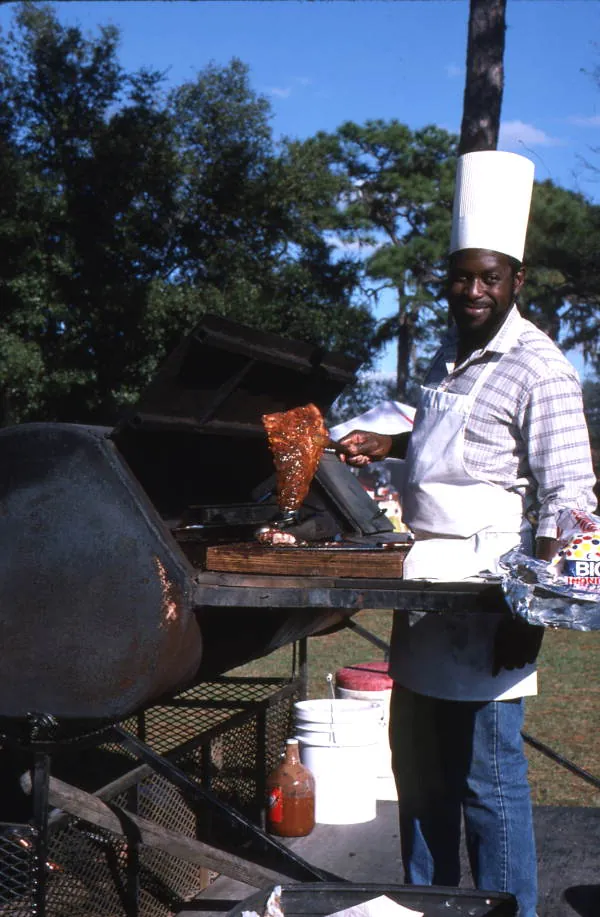
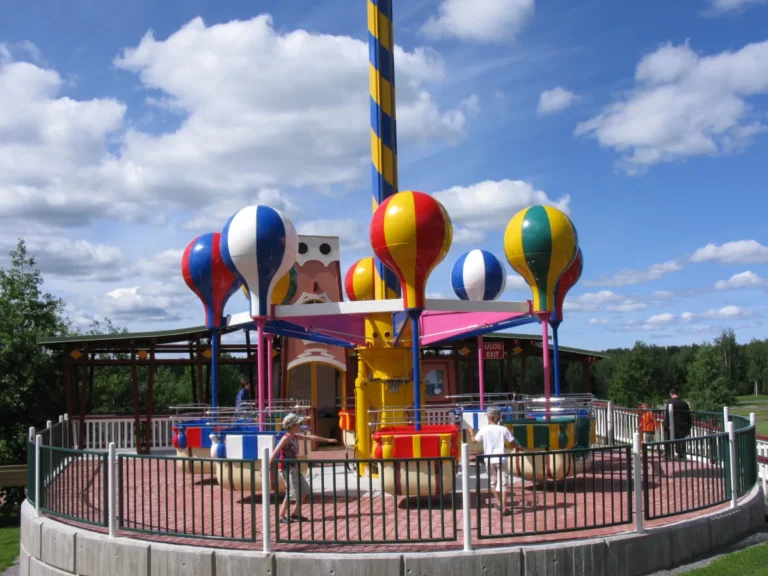
Fair food here is the classic Iowa lineup: grilled meats, fried anything, cold drinks, ice cream, and the kind of concession stand cooking that tastes best when eaten standing up. The midway is the visual center of the grounds after dark, with rides turning against the sky and game operators calling out over the noise. Lines tend to be shortest in the late afternoon, before the evening crowd arrives.
Grandstand Nights: Music and Entertainment
Evening is when the fairgrounds fill. Grandstand programming typically mixes live music with other crowd-pleasing events, and the seating fills early on the biggest nights. If a particular evening is your priority, arrive before the show rather than during it, and treat the grandstand as the anchor of your plan instead of an afterthought.
Family Activities, Livestock, and Youth Exhibits
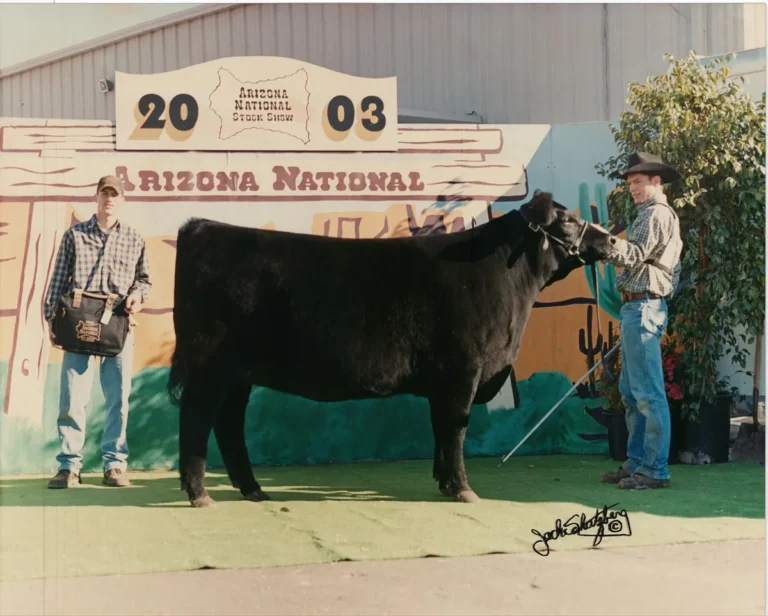
The heart of any Iowa county fair is its youth work, and Ida County is no exception. Exhibit halls hold static projects — baking, photography, crafts, gardening — while barns hold the animals: cattle, swine, sheep, goats, poultry, and rabbits, each with their own judging schedules. For children, the barns are often more memorable than the rides. Come in the morning to watch grooming and judging, when exhibitors are still working and happy to answer questions.
Planning an Ida County Fair Visit
Getting to Ida Grove and the Ida County Area
Ida Grove sits in western Iowa, reached by state highways and county roads that thread through farmland. Most visitors arrive by car, and the drive itself is part of the experience — long sightlines, grain elevators, and small towns that appear suddenly and vanish just as quickly. Give yourself extra time at dusk, when deer and farm equipment both share the road.
Where to Stay Around Ida County
Lodging in a county of this size is limited, so the practical options are a small local motel, a rental in or near Ida Grove, or a short drive to a larger town with more rooms. Campers often do well with the region’s campgrounds. If the fair falls on a weekend you want, book well ahead rather than assuming something will open up.
Parking Near the Fairgrounds
Parking at a county fair of this scale is usually straightforward, with lots and street parking around the grounds. The crunch comes in the hour before grandstand events. Arriving early solves almost everything, and parking farther out and walking in is often faster than circling.
Admission and What a Day Costs
Gate admission to county fairs in Iowa is typically free, with costs concentrated in ride tickets, food, games, and certain grandstand events. Bring cash for concessions and small vendors, since not every stand takes cards. Setting a rough budget per person before you walk in keeps the midway from quietly emptying your wallet.
Weather, Clothing, and Iowa Summer
Expect heat and humidity by day, and a real temperature drop after sunset. Dress in layers, wear shoes you can stand in for hours, and pack sunscreen, a hat, and a refillable water bottle. Thunderstorms build quickly on summer afternoons in western Iowa, so a light rain jacket earns its place in the bag.
A Sample Fair Weekend in Ida County
Friday afternoon. Arrive mid-afternoon while the grounds are still calm. Walk the exhibit hall first, then the barns, then the midway. Eat dinner from a concession stand and stay for the evening grandstand program.
Saturday morning. Come back early for livestock judging. This is the fair at its most authentic — exhibitors in show clothes, parents holding gates, judges taking notes. Spend an hour in the barns before the heat builds.
Saturday afternoon. Take a break from the grounds. Drive into Ida Grove for a slow lunch, or rest somewhere cool during the hottest part of the day. Fairs reward pacing.
Saturday evening. Return for the busiest hours: rides lit up, food lines long, grandstand filling. This is the fair as most people picture it, and it is worth seeing once at full volume.
Sunday. Come back for the quieter closing hours. Static exhibits are still up, the crowd is thinner, and vendors are often willing to talk. It is the easiest day for young children and for anyone who dislikes crowds.
How Ida County Compares With Nearby Fair Towns
Western Iowa has a dense calendar of county fairs, and Ida County’s sits comfortably in the middle of the pack — larger than a purely local town celebration, smaller than the fairs in more populous counties. That size is the appeal. Parking is easier, lines are shorter, and you can cover the grounds properly in a few hours rather than a full day of walking.
Within the county, the smaller communities hold their own events through the year, but the fair in Ida Grove is the one that pulls the whole county together. Compared with fairs in neighboring counties, Ida County’s tends to feel more agricultural and less commercial — the livestock barns and exhibit halls carry as much weight as the midway.
If you are building a summer trip around Iowa fairs, Ida County works well as a slower stop between bigger ones. It is the kind of fair you leave feeling like you actually saw the place you visited.
Ida County Fair Checklist for the Car and the Cooler
| Cash and small bills | Not every concession or game takes cards |
| Water bottles | Summer afternoons in western Iowa get hot |
| Sunscreen and hats | Shade on the grounds is limited |
| Light jacket | Evenings cool off quickly |
| Comfortable shoes | You will be on your feet for hours |
| Lawn chairs | Useful for grandstand and grassy areas |
| Cooler in the car | For leftovers and cold drinks later |
| Phone charger | Long days drain batteries fast |
Beyond the Fair: Ida Grove and the Rest of Ida County
Once the fairgrounds close for the night, Ida County is still worth a look. Ida Grove, the county seat, has a compact downtown that rewards a slow walk, and the surrounding countryside is classic western Iowa: rolling fields, windbreaks, and small towns where the grain elevator is the tallest thing for miles.
Drive the county roads in the early evening and you will understand the fair better. This is a place where distance is measured in fields, where neighbors help each other at harvest, and where a few days of rides and livestock judging function as the social calendar’s main event. Bring a camera for the sky alone.
Why the Fair Still Matters to a County of 7,005
In a county with 7,005 residents, institutions have to earn their place. The Ida County Fair earns it by doing several jobs at once. It is an agricultural showcase, a youth development program, a reunion, a fundraiser, and one of the few occasions when the whole county is genuinely in one location.
For the young people who exhibit, the fair is a first experience of deadlines, preparation, and public judgment — skills that outlast the ribbons. For everyone else, it is a yearly reminder that the county is a community and not just a set of addresses on a map. That is a lot to ask of a midway and a grandstand, but Iowa county fairs have been carrying that weight for generations.
Ida County Fairgrounds: Location Notes
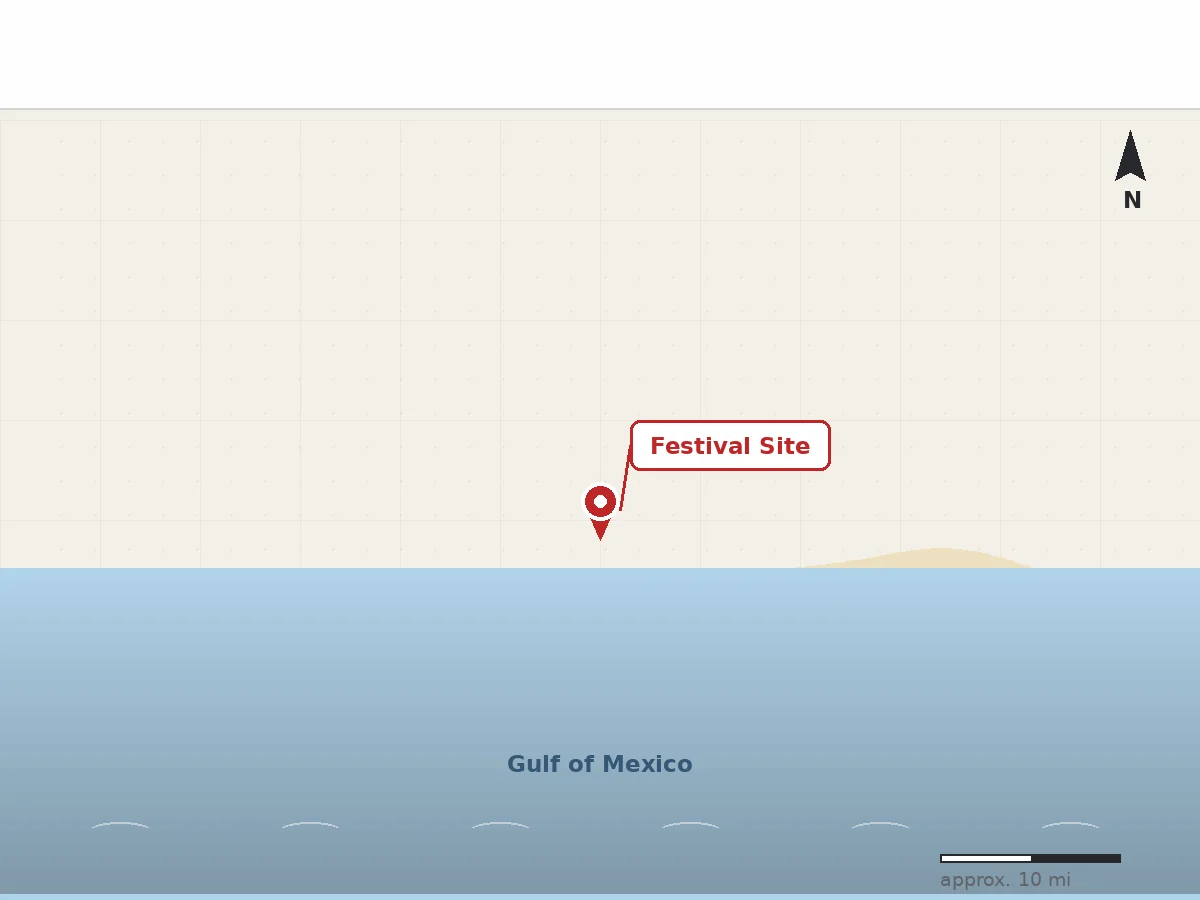
The Ida County Fair takes place on the fairgrounds serving Ida Grove, the county seat of Ida County in western Iowa, within easy reach of the county’s rural towns and farm roads.
Ida County Fair Answers for First-Time Visitors
Is the Ida County Fair free to attend?
Grounds admission at Iowa county fairs is typically free, and Ida County follows that pattern. Your spending will mostly be on food, ride tickets, games, and any grandstand event that requires a ticket. Bringing cash covers you at the smaller stands that do not process cards.
When does the fair usually take place?
It runs for several days in mid-to-late summer, most often in July, fitting the Iowa county fair rhythm of finishing before the school year begins. Check local listings closer to the season for the exact run, since the calendar shifts slightly from year to year.
What should I bring with me?
Water, sunscreen, a hat, comfortable shoes, and a layer for the evening. A lawn chair helps if you plan to sit through grandstand programming, and cash makes concessions easier. Leave the cooler in the car for the drive home.
Is it a good fair for young children?
Yes. The barns, animals, and smaller midway are manageable for kids, and the grounds are compact enough that you are never far from the car. Mornings and the closing day tend to be calmer, which suits strollers and short attention spans better than a packed Saturday night.
Looking Ahead: Future Seasons of the Ida County Fair
County fairs survive by adapting without losing their character. For Ida County, that means keeping the livestock shows and youth exhibits at the center while continuing to refresh the midway, the food offerings, and the grandstand lineup that bring in a broader crowd. The fair’s future rests on the same thing it always has: volunteers, exhibitors, and families who show up.
As long as the county’s agricultural calendar holds, the fair in Ida Grove will keep marking the end of summer. For visitors, that makes it a reliable stop — a few days each year when a quiet corner of western Iowa turns into the busiest place around.
Last updated: October 2026
The Ida County Fair is not a spectacle built for outsiders. It is a working county fair in a place with 432 square miles of farmland and 7,005 people, and it is at its best when you slow down and take it at the pace of the place — a morning in the barns, an afternoon on the midway, and an evening under a western Iowa sky that goes on forever.

One Comment