Jackson County Illinois Maple Syrup Festival
In Jackson County, Illinois, the final weeks of winter have a taste. It shows up in the steam curling off a shallow boiling pan, in the smell of woodsmoke and slowly thickened sap, and in the cars parked along a farm lane on a cold Saturday morning. The Jackson County Illinois Maple Syrup Festival is built around that narrow, stubborn window when the sap starts moving in the maples and everyone with a boiler, a hydrometer, and a little patience gets to work.
This is a season-and-setting festival more than a spectacle. Jackson County spreads across 602 square miles of southern Illinois, a county organized on January 10, 1816, and named for Andrew Jackson. Its county seat is Murphysboro, and the festival leans on the landscape that surrounds it: wooded ridges, farm lanes, creek bottoms, and the kind of small towns where a sugarhouse at the end of a gravel drive feels like a neighborhood landmark.
Timing is everything with syrup. The run depends on freezing nights followed by milder days, a back-and-forth that usually lands somewhere in late winter or the first weeks of spring. That is why the festival is a cold-weather event, and why visitors arrive in wool hats and boots rather than picnic gear. The reward is syrup that was tree sap a few hours earlier, poured over a stack of pancakes while the pan behind it is still bubbling.
Key Details for the Jackson County Maple Syrup Festival
| Town / area | The Jackson County area, southern Illinois |
| County | Jackson County, Illinois |
| County seat | Murphysboro |
| Population | Small towns and rural townships anchored by the county seat |
| Region | Southern Illinois |
| Typical timing | Late winter into early spring, during the sap run |
| Admission | Generally free to attend; some activities may carry a small fee |
| Setting | Wooded hills, farm lanes, and sugar bushes across a 602-square-mile county |
| Signature features | Syrup boiling, sugarhouse visits, pancake feeds, live music, craft vendors |
| Organizer | Community volunteers and area maple producers |
Inside the Jackson County Illinois Maple Syrup Festival
The festival is best understood as a countywide invitation to watch a very old process happen in real time. Taps go into trees, sap lines and buckets fill, and the boiling begins — a slow reduction that turns watery sap into something dark and rich. Visitors wander between stations where producers explain what they are doing, answer questions about grades and color, and let people taste the difference between an early-season batch and a late one.
Because the event is rooted in working sugar bushes rather than a single gated venue, the experience has a loose, wandering rhythm. You might start at a pancake feed, drive a few minutes down a county road to see a evaporator running, then end up at a craft table buying a jar of syrup and a bar of maple candy. Some years the sap flows generously and the pans are roaring; other years the season is stingy and the conversation turns to weather, which is exactly what syrup-making is about.
For another look at how a community turns its own traditions into a gathering, see the Jackson County Illinois Big Muddy Film Festival for a useful comparison.
Admission is typically free, with costs limited to what you choose to eat, drink, or take home. That structure keeps the festival accessible to families and makes it easy to drop in for an hour or spend most of a day following the sugar trail through Jackson County.

From an 1816 County to a Modern Sugar Season
Jackson County was organized on January 10, 1816, and named for Andrew Jackson, well before the region’s woodlands were fully settled. Its 602 square miles of rolling terrain, with Murphysboro as the seat of government, supported farmsteads and small communities where self-sufficiency was a practical necessity. Sugar was part of that world: maple trees offered a sweetener that could be made at home, without a store, a shipment, or a price.
That household habit never fully disappeared. As commercial syrup production concentrated elsewhere, southern Illinois kept a stubborn attachment to backyard boiling — a few trees tapped in the yard, a pan on a fire, a season measured in quarts rather than gallons. The festival grew out of that persistence, formalizing what had long been a private late-winter ritual into a public weekend of demonstrations, tastings, and shared meals.
The modern event also reflects a broader rediscovery of local food in the region. Producers who once boiled mainly for family and neighbors now field questions from visitors about everything from tree identification to filtering. In that sense the festival is a bridge: it honors the county’s long agricultural history while connecting it to travelers who want to understand where a jar of syrup actually comes from.
A Day in the Sugar Season: What Visitors Find Across Jackson County
Pancakes, Syrup, and Southern Illinois Comfort Food
Food is the gravitational center of any maple festival, and here it means breakfast served all day: stacks of pancakes, sausage, biscuits, and coffee poured into foam cups while people shuffle through a line that smells like butter and smoke. Syrup is the point, but it is rarely the only offering. Expect maple-glazed baked goods, maple candy, maple cream, and jars of syrup in several shades, from light amber to something nearly molasses-dark. Local vendors often round out the menu with chili, soups, and desserts that suit a chilly day.
Music and Entertainment in the Sugar Season
Live music tends to be acoustic and unhurried — folk, bluegrass, country, and the occasional gospel set — the sort of thing that sounds right in a community hall or under a tent with the wind moving through. Between sets, visitors drift toward boiling demonstrations, where producers narrate the process and answer the question everyone asks: how much sap does it take to make a bottle of syrup? The answer is always more than people expect.
Family Activities for Kids and Grandparents Alike
This is an easy festival for mixed-age groups. Children get hands-on time with tree tapping, sap buckets, and the sheer theater of a fire under a steaming pan. Craft vendors sell small, affordable souvenirs, and there is usually space to walk, stretch, and warm up. Older visitors often settle in near the evaporator, trading stories about hard winters and good runs with the people doing the boiling.
Planning a Maple Syrup Trip Around Murphysboro and Jackson County
Getting There: Roads Into Jackson County
Jackson County sits in southern Illinois, and Murphysboro makes a natural base for the weekend. Major highways cross the region, and the county’s rural roads are generally well maintained, though winter weather can change that quickly. A car is essential — the festival is spread across the area, and the best parts are often down lanes that no shuttle bus is going to serve.
Where to Stay Near Murphysboro
Lodging options cluster in and around the county seat and in the wider southern Illinois area, ranging from chain hotels and motels to cabins and bed-and-breakfasts in the countryside. Because the sugar season overlaps with other regional travel, booking ahead for a festival weekend is smart. If you prefer quiet, a rural cabin puts you closer to the sugar bushes and further from the breakfast rush.
Parking at Festival Sites
Parking is typically in grass lots, farm fields, and along rural road shoulders, managed by volunteers who wave cars into place. Arrive earlier in the morning for the easiest spot and the shortest pancake line. Wear boots you do not mind getting muddy, and expect a short walk from your car to the action.
Admission and Costs to Budget For
Admission is generally free. Your real spending will be food, syrup, and crafts, so bring cash as well as a card — small vendors and church kitchens do not always have a card reader. Set a rough budget per person for meals and a jar or two of syrup, and leave room for the impulse purchase of maple candy.
Weather: Dressing for a Southern Illinois Sugar Season
Late winter in southern Illinois is genuinely unpredictable: mornings that sting, afternoons that thaw, and the occasional surprise of rain, sleet, or mud. Layers are the answer, plus a waterproof outer shell, warm socks, and gloves you can take off when you stand near a boiling pan. If the sap is running, the weather is cooperating — and if it is not, the syrup is still worth the trip.
A Sample Maple Syrup Weekend in Jackson County
Start Saturday morning with a pancake feed, arriving early enough to eat before the line stretches. From there, follow the sugar trail: a sugarhouse visit, a boiling demonstration, and a walk past the tap lines while the sun climbs and the sap starts to move. Break for a late lunch in Murphysboro, then spend the afternoon on crafts, live music, and a second stop at a different producer to compare flavors.
On Sunday, slow down. Return to whichever site you liked best, buy syrup directly from the person who made it, and ask what the season has been like so far. Then take a scenic drive through the county’s wooded hills before heading home. If you have time, tack on a stop in a neighboring town for coffee or a walk — the drive itself is part of the experience.
How a Jackson County Maple Syrup Weekend Compares With Nearby Towns
A maple syrup weekend here is quieter and more agricultural than a big-city festival. Carbondale, a short drive away, offers a livelier, more commercial scene with restaurants, bars, and year-round entertainment — good for an evening after a day in the sugar bushes. The surrounding Shawnee Hills country leans toward wineries, scenic drives, and outdoor recreation, which pairs naturally with a late-winter syrup trip. Murphysboro itself splits the difference: a genuine county seat with local restaurants, a walkable core, and easy access to the rural sites where the festival actually happens. If you want crowds and nightlife, stay near Carbondale; if you want fog over a farm pond and a paper cup of hot syrup, stay in the county’s small towns.
Pack Smart: Maple Syrup Festival Checklist for Jackson County
Bring layered clothing and waterproof boots; pack gloves, a hat, and a scarf for the morning cold. Carry cash for food and craft vendors, along with a reusable bag for syrup jars. Bring a cooler if you plan to buy in quantity, and a thermos if you like your coffee hot. Charge your phone for maps and photos, but expect spotty rural service. Check the weather the night before, confirm site hours before driving out, and leave a little flexibility in your schedule — sap does not run on anyone’s timetable.
Beyond the Syrup: More of Jackson County, Illinois to Explore
Once the syrup is bought and the pancakes are gone, Jackson County keeps giving. The county seat of Murphysboro rewards a slow walk, with local restaurants, small shops, and the kind of downtown that still functions as a gathering place. The surrounding countryside opens into wooded hills, rural backroads, and recreation areas that draw hikers, cyclists, and anglers through the warmer months. Southern Illinois as a whole is known for its geology, forests, and wine country, so a syrup weekend can easily stretch into a longer regional trip.
History-minded visitors will find plenty to work with, given a county that has been organized since 1816. Between the towns, the farmland, and the tree-covered ridges, there is a sense of continuity that makes the festival feel less like an attraction and more like an annual checkpoint in a long local story.
What the Sugar Season Means to Jackson County Residents
For people who live here, the festival is less about tourism than about marking a season together. It is a reason to come out of winter isolation, to staff a church kitchen, to sell something made by hand, and to show neighbors and strangers alike what the land can produce. Volunteer labor carries much of the event, and the money spent on pancakes and syrup circulates through local organizations and small producers.
There is also a quiet pride in the skill involved. Boiling sap is not complicated, but doing it well takes judgment — knowing when to stop, how to filter, how to read a season. A festival gives that knowledge an audience, and gives younger residents a reason to learn it.
Where the Jackson County Maple Syrup Festival Takes Place
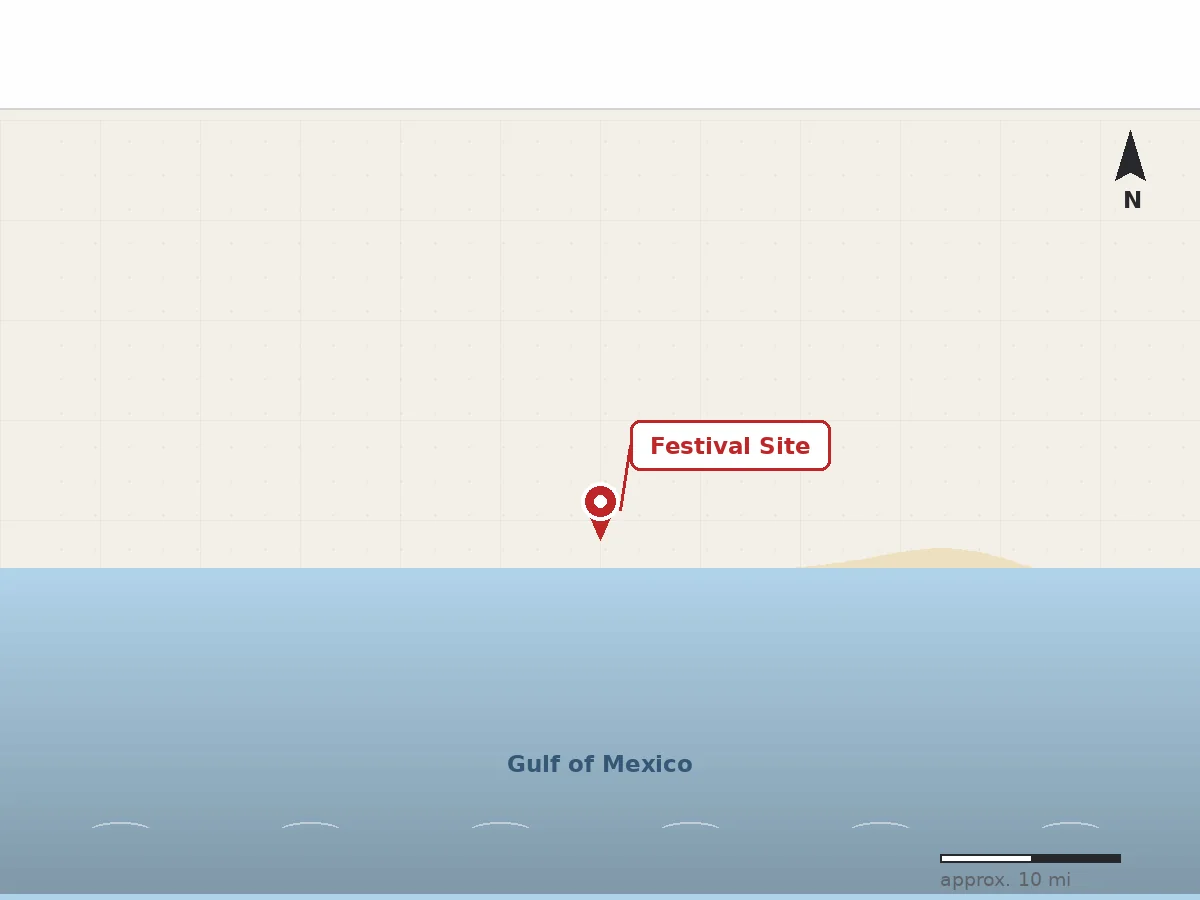
The festival unfolds across the Jackson County area of southern Illinois, with Murphysboro serving as the county seat and the most convenient base for visitors following the sugar trail.
Maple Syrup Festival Questions, Answered for Jackson County Visitors
When does the Jackson County Maple Syrup Festival usually happen?
It is tied to the sap run, which in southern Illinois generally falls in late winter or the early weeks of spring, most often on a weekend during that window. Because the season shifts with the weather, the exact timing varies from year to year, so it is worth checking local listings before you plan your drive.
Is there an admission fee?
Admission is typically free, and you pay only for what you eat, drink, or buy. Some individual activities or tastings may carry a small charge, so carrying a bit of cash alongside a card is the practical approach.
Is the festival good for young children?
Yes. The hands-on parts — tapping trees, watching sap boil, seeing the finished syrup poured — tend to hold a child’s attention, and the setting is relaxed rather than crowded and hurried. Dress kids for cold, wet ground and plan on shorter visits if the weather turns.
Can I buy syrup to take home?
Absolutely, and that is one of the best reasons to come. Producers and vendors sell syrup in a range of grades and sizes, along with maple candy, cream, and baked goods. Bring a cooler or a sturdy bag if you intend to stock up.
The Next Sugar Seasons for the Jackson County Maple Syrup Festival
Maple syrup festivals in southern Illinois face the same question every year: what will the weather do? A run of warm nights can shorten a season; a deep freeze can delay it. That uncertainty is part of the tradition, and it keeps the event closely tied to the land rather than to a fixed calendar. What seems likely to continue is the pattern that has sustained it — small producers boiling for their communities, volunteers organizing a weekend around the work, and visitors arriving from across the region for a plate of pancakes and a jar of something made a few hundred yards away.
For travelers, the practical takeaway is simple: watch for the season, plan loosely, and come dressed for whatever late winter decides to deliver. Last updated: October 2026
The Jackson County Illinois Maple Syrup Festival is a reminder that some of the best travel experiences are seasonal, local, and slightly unpredictable. Come for the syrup, stay for the smoke and the conversation, and leave with a jar that tastes like a specific week in a specific place.



One Comment