Greene County Illinois Agricultural Fair Festival
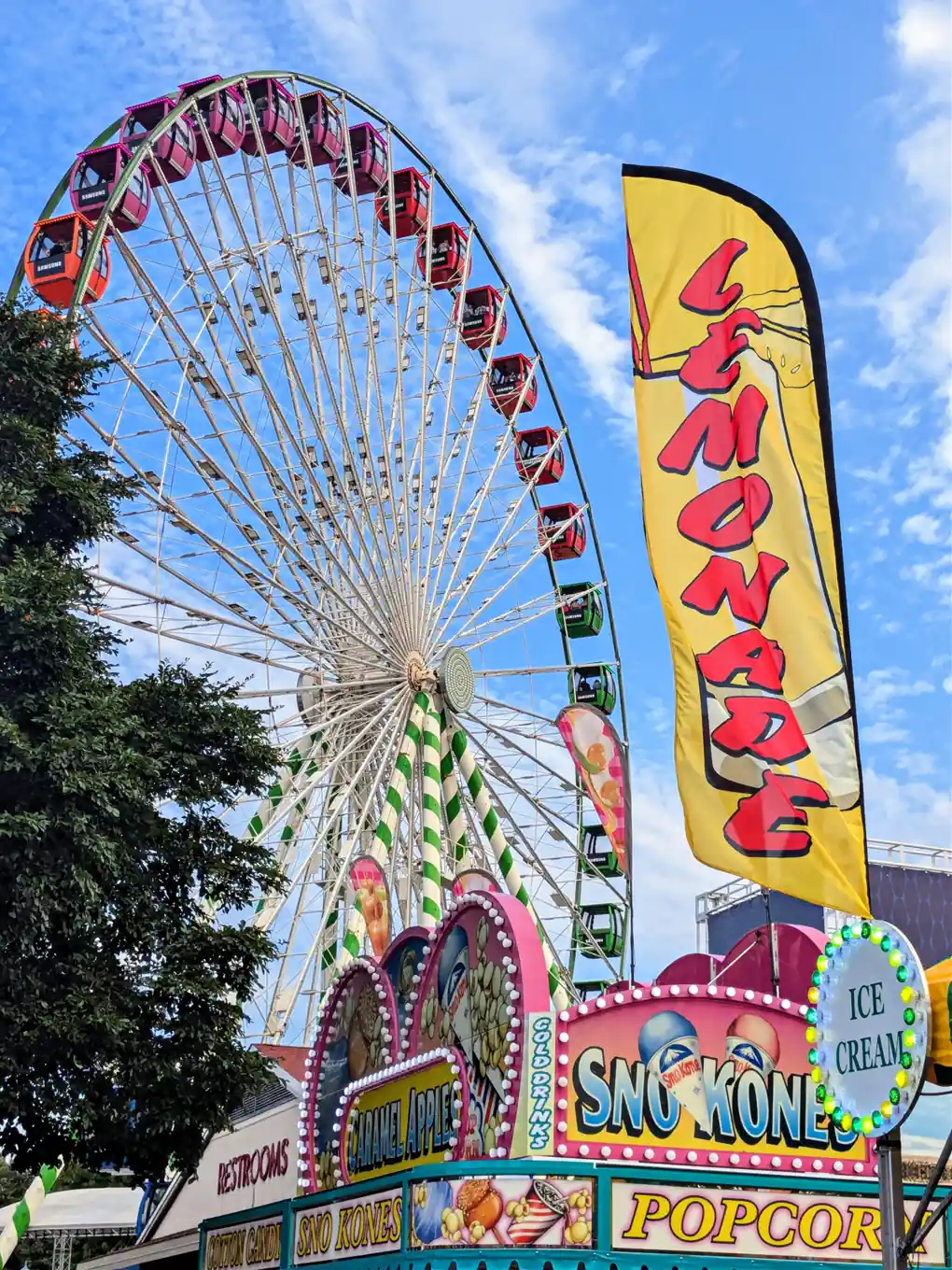
Late summer in Greene County, Illinois, sounds like cicadas in the timber, tires on gravel, and the low hum of a crowd that has been waiting all year. The Greene County Illinois Agricultural Fair is the stretch of days when farm families, small-town residents, and curious visitors all end up in the same place at once.
Greene County covers 546 square miles of west-central Illinois — corn and soybean fields, wooded creek bottoms, and bluff country rising toward the Illinois River valley. Carrollton, the county seat, sits near the middle of it. Founded in 1821, the county has spent two centuries building its year around planting and harvest, and the agricultural fair is the clearest expression of that rhythm.
Greene County Illinois Agricultural Fair: Key Details
| Town / place | The Greene County area, centered on Carrollton |
| County | Greene County, Illinois |
| County seat | Carrollton |
| Population | Small-town and rural, spread across Carrollton and the county’s other communities |
| Region | West-central Illinois, near the Illinois River valley |
| Typical timing | Late summer, over several days in most years |
| Admission | Typically free at the gate; individual vendors, rides and activities may charge separately |
| Setting | Rural fairgrounds surrounded by farmland |
| Signature features | Livestock shows, agricultural exhibits, fair food, family entertainment |
| Organizer | Locally organized by community and agricultural volunteers; confirm current-year hosts through local listings |
Where the Fair Fits in the Greene County Landscape
An agricultural fair is a simple idea executed at county scale: bring the year’s work into one place and let neighbors see it. In Greene County, that means livestock in pens, produce and baking on display tables, tractors parked in rows, and a midway standing on ground that was pasture a week earlier. Carrollton, as county seat, is the natural host — the place where people already come for courthouse business, ball games, and groceries.
The setting shapes the experience. This is not a fair wedged between office towers; it is a fair with soybean fields on three sides and a horizon that goes flat and gold in the late-summer light. Visitors arriving from larger cities notice the quiet first, then the space. Everything is walkable, and the pace is set by the livestock schedule rather than by a clock.
Who comes? Everyone with a stake in the county’s farm economy, plus a good number of people who simply like county fairs. Exhibitors arrive with trailers and grooming supplies. Grandparents arrive with folding chairs. Teenagers arrive for the midway and stay for the music. The mix is the point — a fair that only drew farmers would not survive, and a fair that only drew spectators would have nothing to show.
For another look at how a community turns its own traditions into a gathering, see the Gallatin County Illinois High Waters Music Festival for a useful comparison.
From an 1821 County Seat to a Modern Fair Tradition
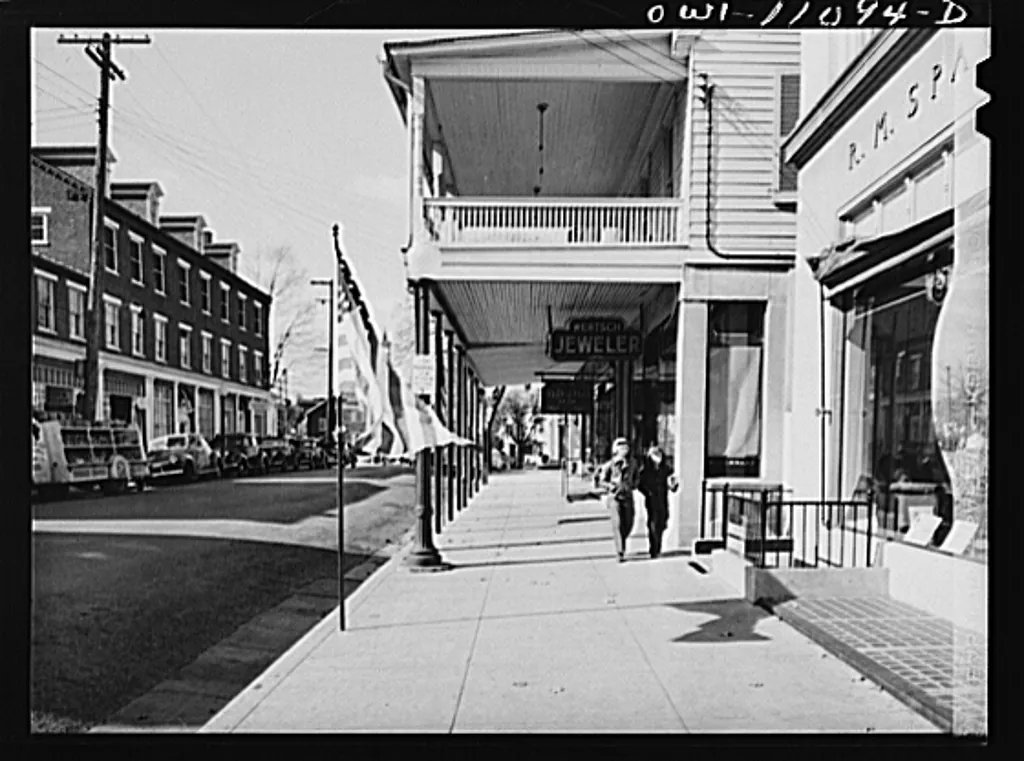
Greene County was founded in 1821, and Carrollton has served as its county seat — the anchor for a farm economy that shaped the region’s roads, towns, and institutions. In nineteenth-century Illinois, county agricultural societies formed to improve breeding stock, test tools, and share techniques. The annual fair became the public face of that work, a place where improvement was measured in ribbons rather than in arguments.
Through the twentieth century the fair adapted. Livestock judging stayed central, but exhibits broadened to include home economics, youth projects, and school displays. Machinery grew larger, tents gave way to permanent buildings, and the midway became part of the draw rather than an afterthought. What did not change was the function: the fair remained the one event where the whole county could measure a year.
Today’s fair carries that inheritance without pretending to be a museum piece. It is a working showcase — animals, crops, crafts, and cooking — layered with the carnival atmosphere that keeps younger visitors moving. The 1821 founding date is distant, but the logic behind the fair is not: a county of 546 square miles still needs a place to gather, and it still needs a reason to compare notes.
That continuity is worth noticing. Fairs in rural counties have folded when volunteer numbers fell or grounds were sold, and the ones that endure tend to share a trait: they are treated as civic infrastructure rather than as entertainment. Greene County’s fair sits in that category, sustained by the same families, schools, and agricultural groups that keep the rest of county life running.
A Fair Day in Carrollton: Sights, Sounds, and Schedule
Expect a compact, walkable grounds where the schedule shifts from morning livestock classes to evening entertainment. Mornings belong to exhibitors; afternoons fill with families; evenings draw the largest crowds for music, food, and the midway lights.
Fair Food and Farm-Stand Flavor
Fair food here follows the Illinois county-fair playbook — fried everything, lemonade shake-ups, pork producers’ sandwiches, and pie from church and civic groups. Local produce and baked goods appear on exhibit tables before they appear on plates. Lines move fastest in the early afternoon; the dinner hour is the busiest stretch, and the food row is where you will do the most standing.
Livestock Barns, Tents, and Evening Entertainment
Livestock shows anchor the day: cattle, swine, sheep, goats, and poultry, judged in classes that reward months of feeding and grooming. Tents and exhibit halls hold crops, flowers, canned goods, and crafts. Evening programming typically brings live music, a grandstand event, and the midway at full volume. Bring a folding chair if you plan to settle in rather than wander.
Family Activities and Contests for Every Age
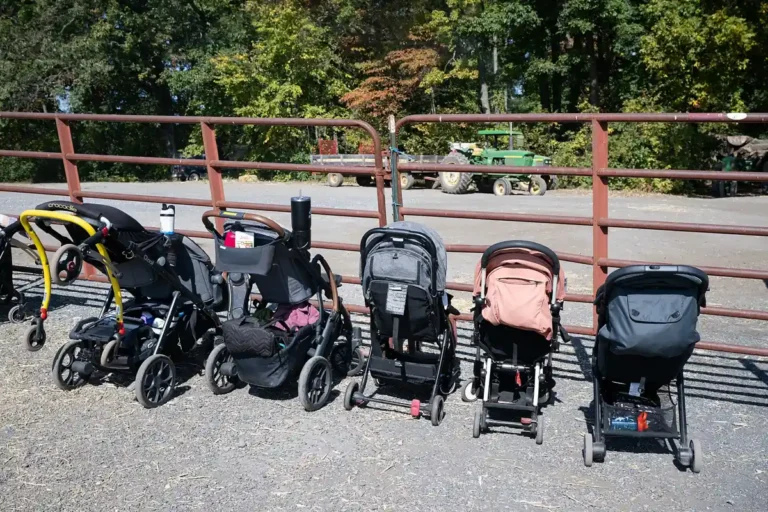
Children’s activities — pedal pulls, games, and hands-on animal encounters — run alongside adult competitions such as baking, canning, and tractor contests. Teen exhibitors work the barns, which makes the fair an easy place for younger kids to spot older students they recognize. Strollers handle the grounds well; shade is limited in the middle of the day, so plan a break.
Planning a Trip to the Greene County Fairgrounds
Getting to Carrollton and the Grounds
Carrollton sits in west-central Illinois, reachable by state routes that cross Greene County in several directions. Most visitors drive; there is no need for a shuttle or transit plan. Set a route that keeps you off unfamiliar gravel after dark, and expect slow-moving farm equipment on the roads during late-summer travel.
Where to Stay in and Around Greene County
Lodging inside the county is limited, so many fairgoers stay in larger towns within an hour’s drive or treat the fair as a day trip. Campers and RV owners often plan around nearby campgrounds. Booking early matters on fair weekends, when regional motels fill with exhibitors’ families and out-of-town relatives.
Parking Near the Fairgrounds
Parking is usually on or adjacent to the grounds, with volunteers directing traffic. Arrive before the evening rush if you want a short walk; the lot clears slowly after the grandstand lets out. Carpooling with neighbors is the local habit and the easiest solution.
Admission, Tickets, and What Things Cost
County fairs of this kind typically keep gate admission free or very modest, with individual costs for rides, food, and grandstand events. Bring cash for vendors and small stands, and check the current year’s local listings for any ticketed attractions. Budget more for the midway than for the exhibits.
Late-Summer Weather and What to Wear
Expect heat and humidity during the day and a quick drop in temperature after sunset. Sturdy shoes handle dust, mud, and barn aisles equally well. Pack sunscreen, a hat, water, and a light layer for the evening, plus a rain jacket — late-summer storms move through fast in this part of Illinois.
A Sample Fair Weekend in Greene County
Friday afternoon: arrive early, walk the exhibit halls before the crowds, and get a feel for the grounds. Catch the first livestock classes, then eat an early supper from a vendor stand. Stay for the evening entertainment, when the midway lights come on and the grounds finally feel full.
Saturday: the fair’s biggest day. Come for the morning shows, watch the judging, and visit the barns while animals are still being worked. Afternoon is for contests and family activities; evening is for the grandstand, live music, and one more pass through the food row.
Sunday: a slower rhythm. Exhibitors wrap up, awards and premium sales often close the run, and vendors discount what they do not want to haul home. It is the best day for unhurried conversations with the people who actually raised what you are looking at.
How Greene County’s Fair Compares with Nearby County Traditions
Neighboring county seats — Jerseyville to the south and Carlinville to the east — host their own fair seasons, and the river town of Grafton draws visitors for a very different reason: water, bluffs, and weekend traffic near the Illinois and Mississippi confluence. Each place offers the same essentials with a different backdrop.
Greene County’s advantage is scale and setting. The fair is small enough that you can see most of it in an afternoon and still run into people you know, yet large enough to fill a full weekend. Compared with a big regional exposition, it feels less like an event and more like a reunion with livestock, pie, and a tractor pull attached.
Fair-Week Checklist for Greene County Visitors
Cash for vendors and entry stands. Sunscreen, a hat, and refillable water. Sturdy closed-toe shoes. A light jacket for after dark. A folding chair for evening programs. A printed or downloaded schedule so you know when the classes and shows you care about begin. A charged phone or camera for barn photos. Patience with parking at peak hours. And a plan for where you will eat, because the food row is the most crowded part of the grounds.
Beyond the Fairgrounds: Greene County Between Events
The county rewards slow driving. Two-lane roads thread between fields and timber, with the Illinois River bluffs rising to the west and small communities spaced a few minutes apart. Farm stands, roadside diners, and the old downtown blocks of Carrollton and its neighboring towns are the natural extension of a fair visit.
Outdoors, the region’s appeal is water and woods: the Illinois River valley, public hunting and fishing areas, and the kind of quiet that makes a late-summer evening feel longer than it is. Many fairgoers pair the event with a morning of fishing or an afternoon drive through the bottoms before heading home.
The Fair as Greene County’s Annual Homecoming
For a rural county, the fair performs work that no website can. It puts the year’s effort on display — the heifers, the tomatoes, the quilts, the pies — and gives neighbors a reason to stand in the same aisle and talk. It also keeps agricultural knowledge moving between generations, one barn conversation at a time.
The economics matter too. Vendors, churches, civic groups, and youth organizations raise money at the fair, and local businesses see a bump in traffic during fair week. But the deeper value is continuity: an event that has outlasted two centuries of change in a county founded in 1821.
Pinpointing the Greene County Fairgrounds
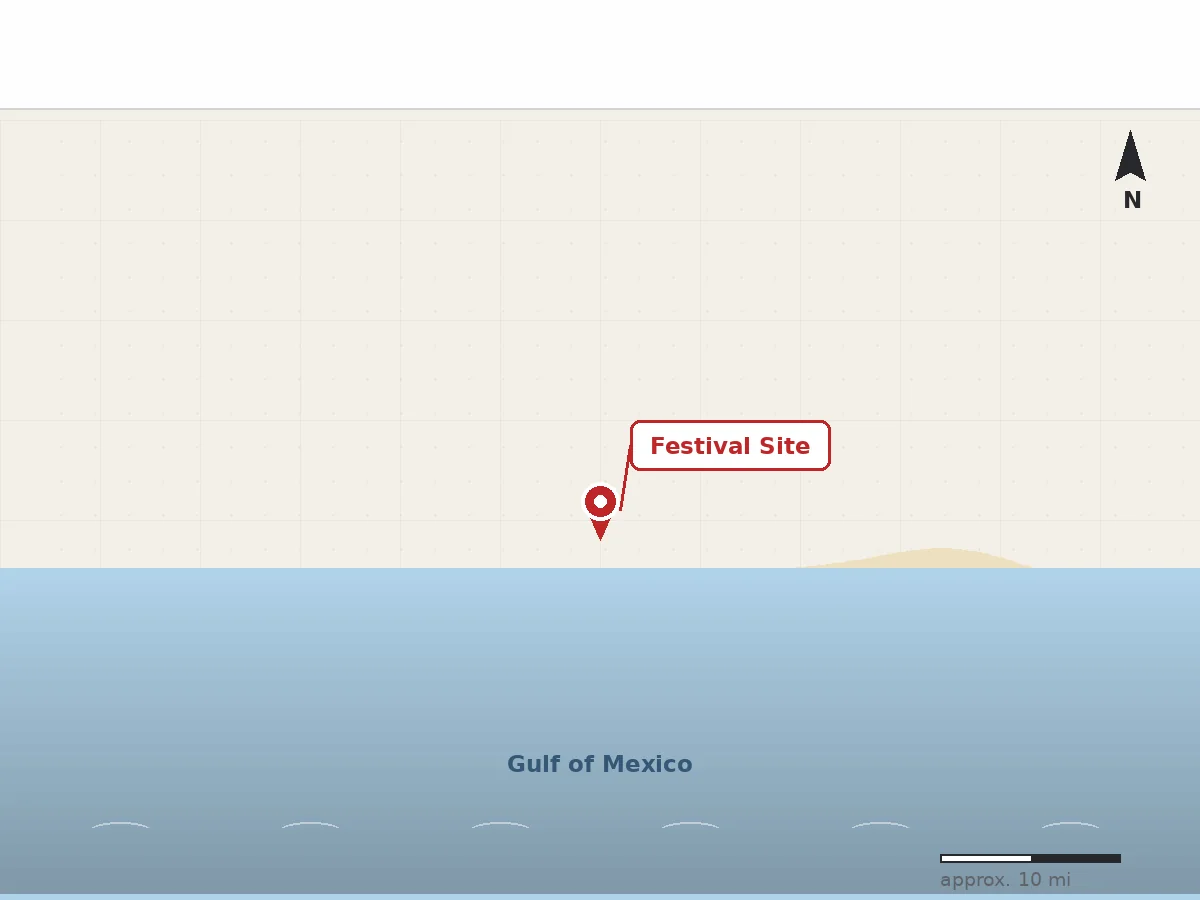
The fair takes place in the Greene County countryside around Carrollton, the county seat, reached by county and state roads through west-central Illinois.
Greene County Fair Questions, Answered Briefly
When does the Greene County Agricultural Fair usually take place?
In most years the fair runs over several days in late summer, typically on a weekend-anchored schedule. Exact timing shifts from year to year, so confirm the current season through local listings, community calendars, or fair signage posted around Carrollton.
Is there an admission fee?
County fairs of this size typically keep gate admission free, with charges for rides, food, and some grandstand events. Treat any ticketed item as a separate cost and bring cash, since smaller stands may not accept cards.
What is the best time of day to visit?
Mornings are calm and best for livestock classes and exhibits. Early afternoon suits families with young children. Evenings are the busiest and most atmospheric, with music, long food lines, and the midway at full strength.
Is the fair a good fit for young children and older visitors?
Yes. The grounds are compact and mostly level, activities span a range of ages, and the pace is unhurried compared with larger expositions. Plan around the afternoon heat if you are bringing very young children or anyone who tires easily.
What Future Seasons May Hold for the Greene County Fair
County fairs evolve slowly. Expect the same core — livestock, exhibits, food, entertainment — with gradual updates in scheduling, facilities, and youth programming as new generations of exhibitors step forward. Volunteer energy remains the deciding factor in how much any fair can offer.
For visitors, the practical advice is unchanged: check the season’s local listings before you drive, plan for late-summer weather, and leave room in the day for the parts of the fair that have no schedule at all — the barns, the benches, and the conversations in between.
Last updated: October 2026
Greene County has been gathering this way since long before anyone thought to call it a tradition. The Agricultural Fair is where 546 square miles of fields, towns, and families check in with each other once a year — and where a visitor from anywhere can see what rural Illinois looks like when it shows its work.
One Comment