Rice County Kansas 4-H Fair Festival
The Rice County Kansas 4-H Fair is the kind of event that looks quiet from the highway and turns out to be the center of the county’s summer. It takes place in the Rice County area around Lyons, the county seat, and it runs on the 4-H calendar: project judging, livestock shows, static exhibits, and the long evenings that follow.
Rice County is a rural county in central Kansas, founded on February 26, 1867, with a 2020 census population of 9,427 spread across 728 square miles. That scale matters when you arrive. This is not an anonymous big-city expo. The teenagers leading goats into the ring are somebody’s neighbors, and the judge may have grown up a town or two away.
First-timers sometimes assume a 4-H fair is a carnival with animals bolted on. It is closer to the reverse. The midway and the food trailers are there, but the main event is the exhibit hall and the show ring — a child explaining a rocket or a sewing project, a family standing beside a pen they have already cleaned twice that day. You do not need to know anyone to enjoy it. Walk in, follow the crowd, and the layout will make sense within ten minutes.
Rice County 4-H Fair Basics in One Table
Before you plan anything, here is the short version of what this fair is and where it sits.
| Festival and place | Rice County Kansas 4-H Fair, Rice County area |
| County | Rice County, Kansas |
| County seat | Lyons |
| Population | 9,427 (2020 census) |
| Region | Central Kansas, between Salina and Great Bend |
| Typical timing | A summer weekend, usually late July or early August |
| Admission | Generally free to enter; some activities carry small fees |
| Setting | Rural fairgrounds with barns, exhibit halls, a show ring, and open-air seating |
| Signature features | 4-H livestock shows, static project exhibits, fair food, grandstand evenings |
| Organizer | Local 4-H clubs with county extension support |
One note for anyone used to ticketed festivals: county fairs in this part of Kansas are built for walk-up visitors. You generally pay nothing to come through the gate, and the money you spend is spent on food, raffle tickets, and whatever the kids talk you into.
For another look at how a community turns its own traditions into a gathering, see the Republic County Kansas NCK Free Fair Festival for a useful comparison.
Rice County’s Fair Tradition: 1867 to Today
Rice County was organized on February 26, 1867, in the first wave of Kansas settlement after statehood. The county seat settled at Lyons, and the surrounding 728 square miles filled in with farms, ranches, and the small towns that served them. Community gatherings — harvest celebrations, church picnics, school exhibitions — were the social infrastructure of that world long before anyone called them a fair.
The 4-H idea arrived in Kansas in the early decades of the twentieth century, when agricultural extension work began organizing young people into clubs that mixed practical farming skills with record-keeping, public speaking, and home economics. County fairs were the obvious showcase. Members needed somewhere to display what they had built, grown, baked, or raised, and communities needed a weekend to gather around it.
Over the decades the fair widened. Livestock and crops stayed at the core, but photography, foods, clothing construction, woodworking, and eventually robotics and computer projects joined the exhibit halls. What did not change is the structure. Members enroll in projects in the spring, work on them all summer, exhibit at the county fair, and the strongest entries move on to larger competition beyond Rice County.
The fair’s history here is really a history of continuity. Every year the fairgrounds fill with the same sounds — gates clanging, announcers reading class numbers, a lamb bleating through the middle of somebody’s sentence. In a county of fewer than ten thousand people, that repetition is the point.
What Actually Happens on the Rice County Fairgrounds
Fairgrounds in Kansas tend to share a geography, and once you recognize it you can navigate any of them. Barns and pens on one side, exhibit hall in the middle, show ring and grandstand nearby, food trailers clustered where the foot traffic is heaviest. Rice County follows that logic.
Fair Food and the 4-H Concession Stands
Food at a county fair is a mix of the familiar and the fundraising. Expect the standard trailers — burgers, funnel cakes, fresh-squeezed lemonade, snow cones — alongside booths run by 4-H clubs, churches, and local organizations selling walking tacos, pulled pork, homemade pie, and cinnamon rolls. The club stands are usually where the better food is, and the money goes back into the programs. Bring cash in small bills; card readers appear at some trailers but not all of them, and a slow line is not the moment to discover that.
Grandstand Nights, Local Music, and Entertainment
Evenings are when the fair shifts from exhibition to entertainment. Grandstand programming at a county fair of this size typically means a mix of motorized events, livestock auctions, and community nights, with local and regional bands playing on smaller stages. Talent shows and 4-H public speaking contests sometimes fill the same slot. The atmosphere is relaxed and family-facing: people arrive with folding chairs, kids run the grass between events, and the crowd is as much a part of the show as whatever is on the track.
Family Activities and Hands-On 4-H Exhibits
The exhibit hall is the most underrated stop for first-timers. It is where you find the full range of 4-H work: photography, quilts, canned goods, woodworking, flower arrangements, and project displays with handwritten explanations. Younger children usually have a petting area or small animal barn to visit, and there is often a hands-on activity or two — a craft table, a seed-identification game, a chance to meet a rabbit up close. Rides and midway games round out the family offering, and most fairs set aside a quieter area for the youngest visitors.
Planning Your Trip to Rice County
Getting to Lyons and Around the County
Lyons sits in central Kansas, reachable by highway from Salina to the northeast and Great Bend to the west. Most visitors drive in, and the county’s rural roads are straightforward once you are off the main route. If you are coming from out of state, fly into Wichita or Salina and rent a car — there is no practical way to reach a rural county fairgrounds without one.
Where to Stay Near the Fairgrounds
Lodging in a county of this size is limited, and fair week is the busiest week of the summer for local rooms. Small motels in and around Lyons fill quickly, and many families base themselves in Salina or Great Bend and drive in. Camping and RV sites at or near fairgrounds are common at Kansas county fairs, so it is worth asking early. Book weeks ahead if you are traveling any distance.
Parking at the Rice County Fairgrounds
Parking is typically on-site and free, on grass or gravel lots around the grounds. Arrive early on the nights with grandstand events, because that is when the lots fill and the walk gets longer. Follow the volunteers directing traffic rather than improvising your own spot; they know which ground stays firm after rain.
Admission, Costs, and Cash
Gate admission is generally free. Where money changes hands, it is usually for carnival rides, grandstand events, raffles, and food. Set a rough budget per person for food and rides, carry cash, and treat anything beyond that as optional. Compared with a theme park or a ticketed music festival, a weekend here is inexpensive.
Kansas Summer Weather and What to Pack
Late July and early August in central Kansas mean heat, humidity, and the possibility of a sudden evening thunderstorm. Mornings are the comfortable hours. Pack a hat, sunscreen, and a refillable water bottle, and keep a light rain jacket in the car. Barns and exhibit halls are warm, so dress in layers you can shed. Closed-toe shoes are non-negotiable if you plan to walk through the livestock areas.
A Sample Weekend at the Rice County 4-H Fair
Assuming the fair runs across a weekend, as most county fairs do, here is a rhythm that works for a first visit.
Friday afternoon. Arrive before the evening rush and walk the grounds while they are still calm. Start in the exhibit hall, then move to the barns. This is the best time to talk with 4-H families, because they are not yet in the middle of a show. Eat dinner from a club stand and stay for whatever is happening at the grandstand.
Saturday morning. Come back early for the livestock shows. Judging starts while the air is still cool, and the ringside seating fills. Watch one full class even if you know nothing about the species — the announcer explains enough, and the handlers’ nerves are half the entertainment. Midday is a good time for the midway, a shaded break, and something cold to drink.
Saturday evening. This is the fair at full volume: food lines, music, grandstand crowd, kids running between the barns. Stay through sunset. The light over the fairgrounds at dusk is the image most people take home.
Sunday. Come back for the quieter hours — the last look at exhibits, the small-animal barn, a final pass through the food stands before packing up. Many families treat Sunday as the slow, nostalgic end of the weekend, and it is the easiest day to actually talk to people.
How Rice County Compares to Nearby Fairs and Towns
Anyone who has been to the Kansas State Fair in Hutchinson will find Rice County’s version dramatically smaller and far more personal. Hutchinson’s fairgrounds draw crowds from across the state and fill a full week with commercial exhibits and big-name entertainment. Rice County’s fair is the opposite experience: you will recognize faces by the second day, and the person selling you a hamburger is likely related to someone showing a heifer.
Compared with county fairs in Barton County to the west or McPherson County to the east, Rice County sits in the same tradition — livestock, exhibits, grandstand nights, and a heavy volunteer presence — with the scale that comes from a county of roughly 9,400 people. If you are touring central Kansas in late summer, it is realistic to combine this fair with a stop in Great Bend or Salina, or with the wetlands and wildlife areas within reach of the region.
First-Timer Checklist for the Rice County 4-H Fair
| Sunscreen and a hat | Shade is limited around the show ring and midway |
| Refillable water bottle | Kansas summer afternoons are hot and humid |
| Cash in small bills | Not every stand takes cards |
| Closed-toe shoes | Essential in and around the barns |
| Folding chairs | Useful for grandstand events and evening programs |
| Light rain layer | Evening storms build quickly on the plains |
| Charged phone or camera | You will want photos of the exhibit hall and show ring |
| Patience at peak hours | Parking and food lines peak around evening events |
Beyond the Fair: Rice County and the Lyons Area
Rice County rewards a slower look. Lyons, the county seat, has a compact downtown and the kind of courthouse square that anchors small-town Kansas life. The county’s other communities are worth a drive-through, and the surrounding farmland — wheat, milo, pasture, and the broad horizons that go with it — is the reason the fair exists in the first place.
If you are extending the trip, the region offers more than most first-timers expect. Quivira National Wildlife Refuge and the Cheyenne Bottoms area are both within reach and are major stops on the central flyway for migrating birds. Great Bend and Salina provide larger-city dining, lodging, and shopping, and Hutchinson adds museums and the state fairgrounds. Build an extra day around the fair and you will not run out of things to do.
Why the 4-H Fair Still Matters in Rice County
In a county with a population of 9,427, institutions that bring people together are not decorative — they are structural. The 4-H fair is one of the few annual events that pulls together farm families, town families, grandparents, and school-age kids into the same few acres for the same few days. It is where a child learns to speak in public, lose gracefully, and finish something they started in April.
It also functions as an informal reunion. People who moved away for college or work come back for the fair. Local businesses sponsor classes and buy animals at auction. Volunteers who have worked the same booth for twenty years hand the job to someone younger. That transfer of responsibility is the quiet engine behind every county fair in Kansas, and Rice County’s is no exception.
Where the Rice County Fairgrounds Sit
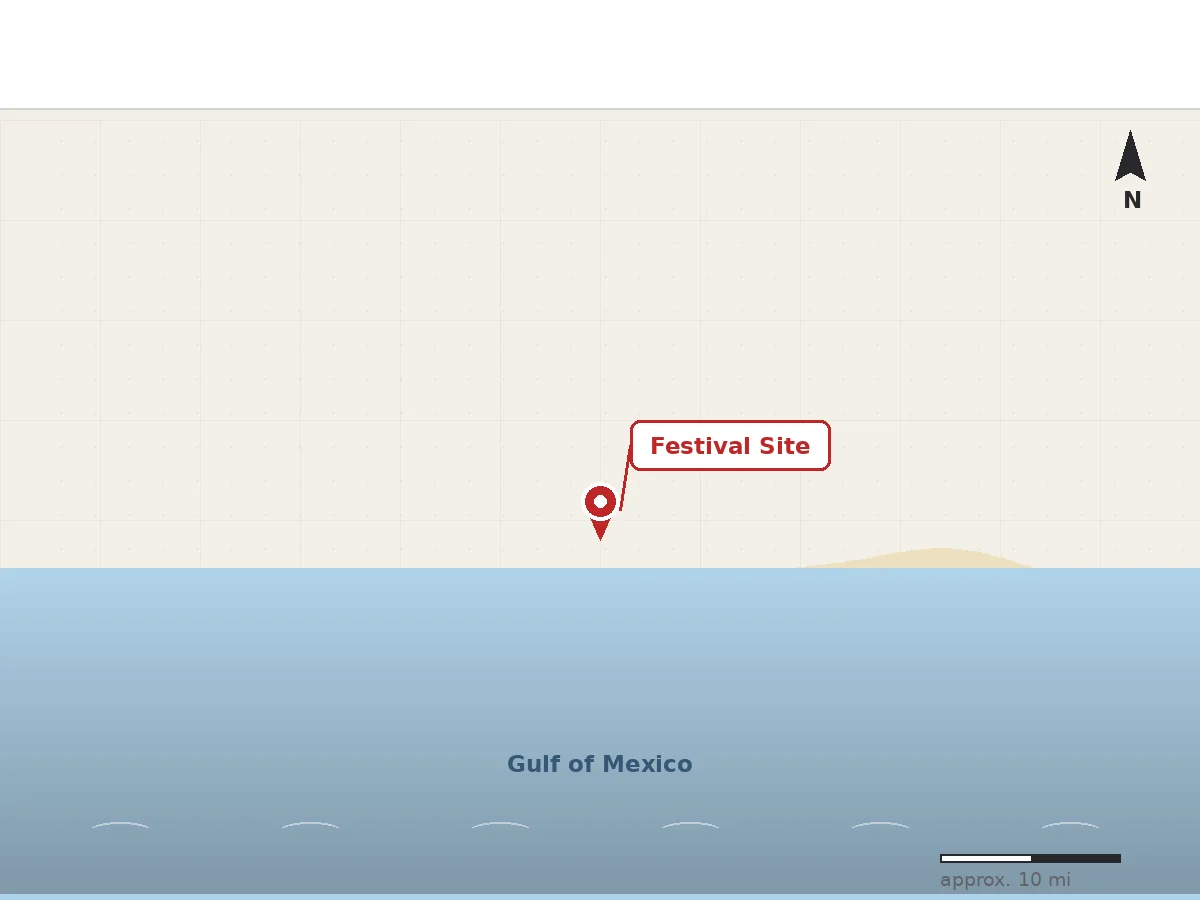
The Rice County 4-H Fair takes place in the Rice County area around Lyons, the county seat of Rice County, Kansas.
Rice County 4-H Fair Questions First-Timers Ask
Is the Rice County 4-H Fair free to attend?
Gate admission is generally free, which surprises visitors accustomed to ticketed events. Costs show up in optional places: carnival rides, grandstand events, raffles, and food. Bring cash, set a loose budget, and you can enjoy a full day for very little.
Can visitors watch the livestock shows without being a 4-H family?
Absolutely. Shows are open to the public and spectators are welcome ringside. Sit a respectful distance from the gate, keep children from reaching into pens without asking, and do not walk behind animals in the ring area. Announcers typically explain what the judge is looking for, so you can follow along even if you have never seen a show before.
What should I wear to a Kansas county fair?
Comfortable, cool clothing and closed-toe shoes. Barns and gravel lots are hard on sandals, and afternoons in late July or early August are hot. A hat and sunscreen make a real difference, and a light jacket or rain shell is worth having in the car for evening storms.
Is the fair a good outing for young children and older visitors?
Yes. The pace is slow, the grounds are flat, and there is seating near the show ring and grandstand. Small children tend to gravitate to the small-animal barn and petting areas, while older visitors often settle in the exhibit hall, which is shaded and quieter. Morning hours are the most comfortable for anyone sensitive to heat.
The Future of the Rice County 4-H Fair
County fairs across the Plains are adapting rather than disappearing. The projects have broadened well beyond livestock — technology, photography, and food science now sit alongside the traditional entries — and that range is what keeps younger members enrolled. Fair boards are also getting better at scheduling around heat and storms, and at making the grounds friendlier for visitors who are not connected to a 4-H family.
For Rice County, the fundamentals look durable. A county of 9,427 people spread over 728 square miles still needs a shared weekend, and the 4-H fair still provides one. If you have never been, the coming season is as good a time as any to change that.
Last updated: October 2026
Come for an afternoon and you will likely stay for the evening. The Rice County Kansas 4-H Fair is not built to impress outsiders — it is built to gather a county, and that is exactly what makes it worth the drive. Bring cash, wear real shoes, and plan to leave with more photographs of livestock than you expected.
One Comment