Canyon County Idaho Canyon County Fair Festival
The Canyon County Fair rewards a little forethought. The county covers 604 square miles and holds 231,105 residents, and on fair days a good share of them are pointed at the same entrances. Whether you are coming from Caldwell, Nampa, or out past the county line, the gap between a relaxed evening and a frustrating one usually comes down to timing, parking, and what you carry through the gate.
This is a late-summer fair in the classic county tradition: livestock, exhibits, food stands, live entertainment, and family programming spread across several consecutive days. What follows is a logistics-first look — what the fair is, when it runs, how to plan the drive and the day, and where to go when you want a break from the grounds.
Canyon County Fair Essentials in One Table
| Town / area | Canyon County area, southwestern Idaho |
| County | Canyon County, Idaho |
| County seat | Caldwell |
| County population | 231,105 |
| Region | Southwestern Idaho |
| Typical timing | Late summer, across several consecutive days |
| Admission | General admission is typically free; individual attractions are often priced separately |
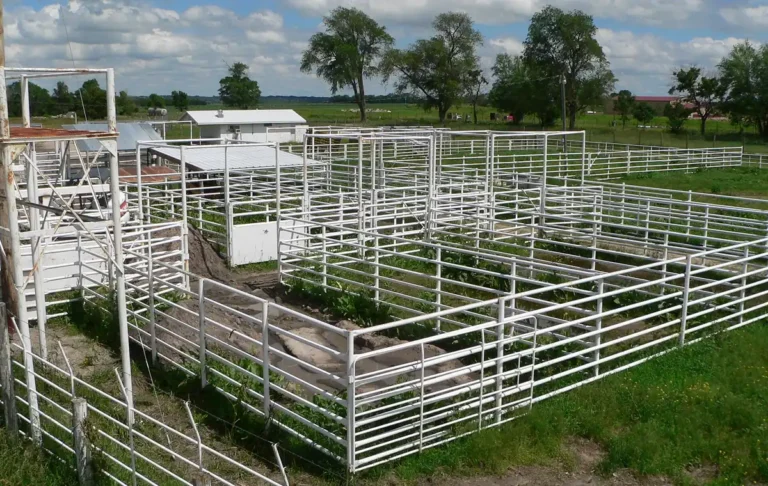
| Setting | Fairgrounds with open-air and covered areas, plus livestock and exhibit space |
| Features | Food vendors, livestock shows, exhibits, live entertainment, family activities |
| Organizer | Local fair board working with county and community partners |
What the Canyon County Fair Is, and Where It Fits
The Canyon County Fair is the county’s own multi-day gathering, held in the Canyon County area of southwestern Idaho and anchored by Caldwell, the county seat. It is an agricultural fair first and an entertainment event second: exhibits, livestock, and youth projects sit alongside vendors, rides, and evening programming.
Because the fair is organized locally rather than as a touring production, its texture changes with the county around it. Exhibit entries come from area families and youth programs, food vendors follow the regional fair circuit, and entertainment is booked for a broad audience rather than a single niche. The county itself stretches from the suburban western edge of the Boise metro out into open farmland, and both halves show up on the same grounds.
Practically, plan on a half-day minimum. There is a livestock side and a midway side, quiet exhibit halls and loud evening stages, and enough walking that comfortable shoes matter more than most first-timers expect.
From an 1891 County to a Fair Week Tradition
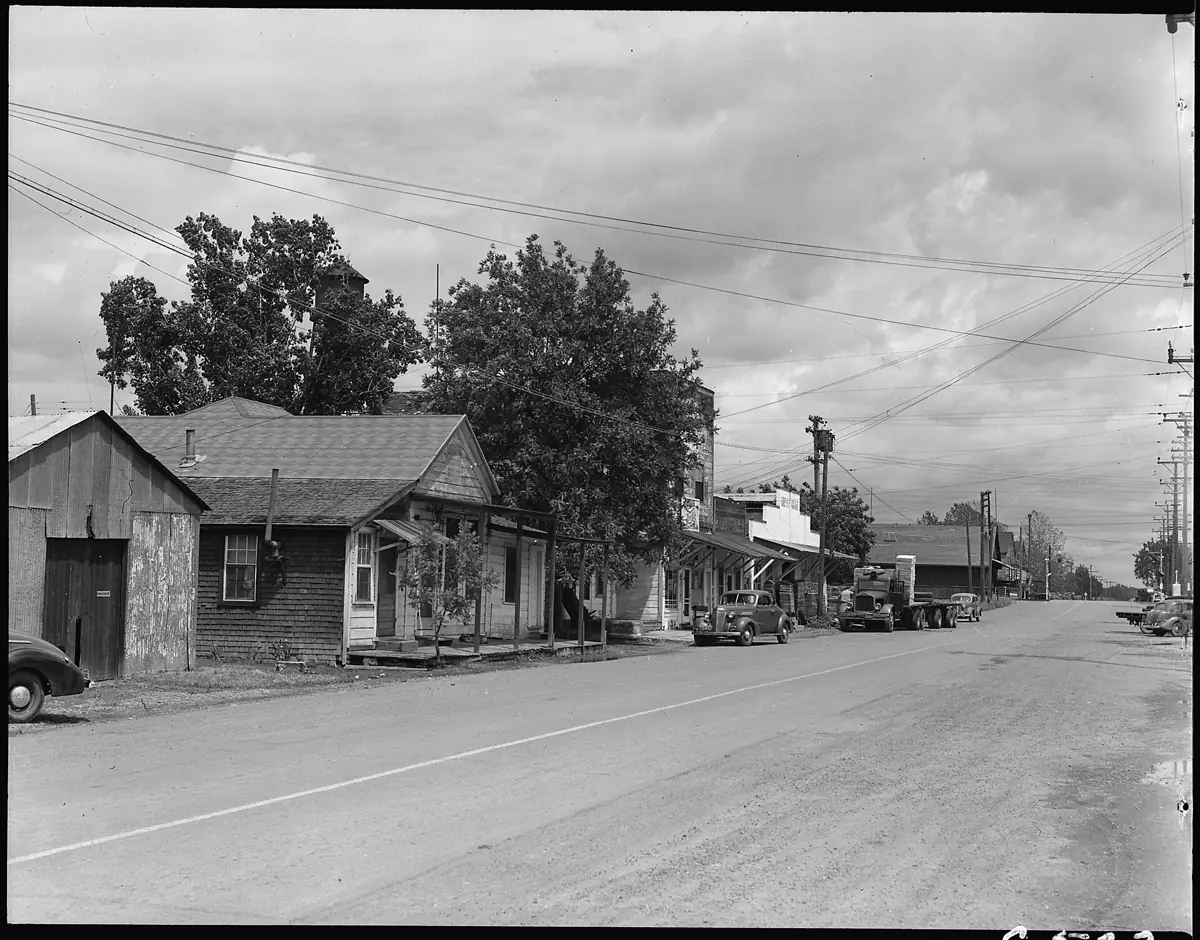
Canyon County was founded on March 7, 1891, carved out of southwestern Idaho at a time when agriculture drove the regional economy. County fairs grew out of exactly that world: an annual moment when growers, ranchers, and young exhibitors put a year of work on display and compared notes with their neighbors.
Caldwell became the county seat, and over the decades the fair became a fixed point on the local calendar — a place where the county’s rural and urban halves met. Formats shifted with the times: exhibit halls, livestock barns, rides, and stages have been rearranged, expanded, and rebuilt, and the balance tipped gradually toward entertainment as the county’s population grew. The underlying idea barely moved.
What has changed is scale. A county of 231,105 people generates a larger crowd, more vendors, and heavier traffic than the fair’s earliest decades could have imagined, which is why the logistics below matter as much as the schedule.
What a Day at the Canyon County Fair Feels Like
Fair days follow a rhythm. Mornings are quiet and animal-focused; afternoons fill with families and exhibit browsing; evenings get loud. Plan around that arc rather than against it.
Fair Food and the Canyon County Appetite
The food lineup is what you would expect from a county fair done well: grilled and fried classics, regional stands, cold drinks, ice cream, and coffee for the people who arrived at opening. Lines are shortest in the mid-afternoon lull and longest right at the dinner hour. Picnic-style seating fills up fast, so claim a table before you order if you are with a group. Bring a refillable water bottle; hydration is the difference between a full evening and an early exit. Some vendors take cards and some are cash-only, so carry a little of both.
Live Entertainment and Evening Programming
Entertainment tends to build through the day, with lighter daytime sets and the biggest draws in the evening. Seating is often limited or first-come, so a folding chair or blanket earns its place in the car. Sound carries across the grounds, which means you can hear the main stage from the food rows even if you never get close — handy if you would rather eat than stand in a crowd.
Family Activities, Livestock, and Hands-On Exhibits
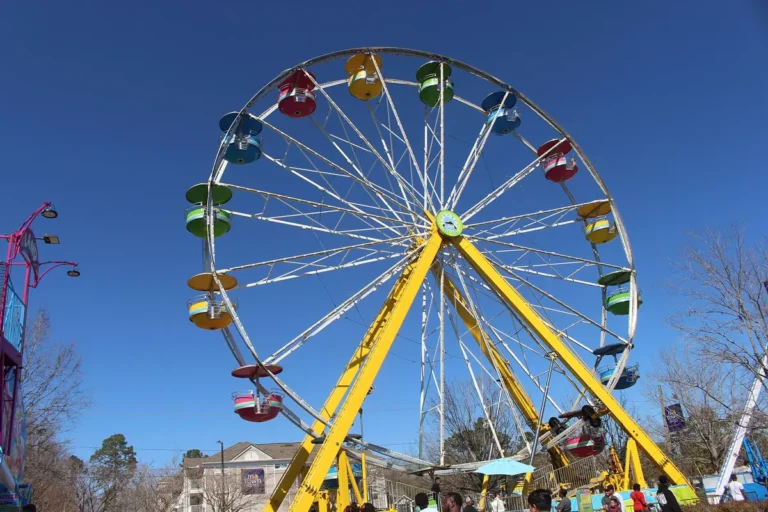
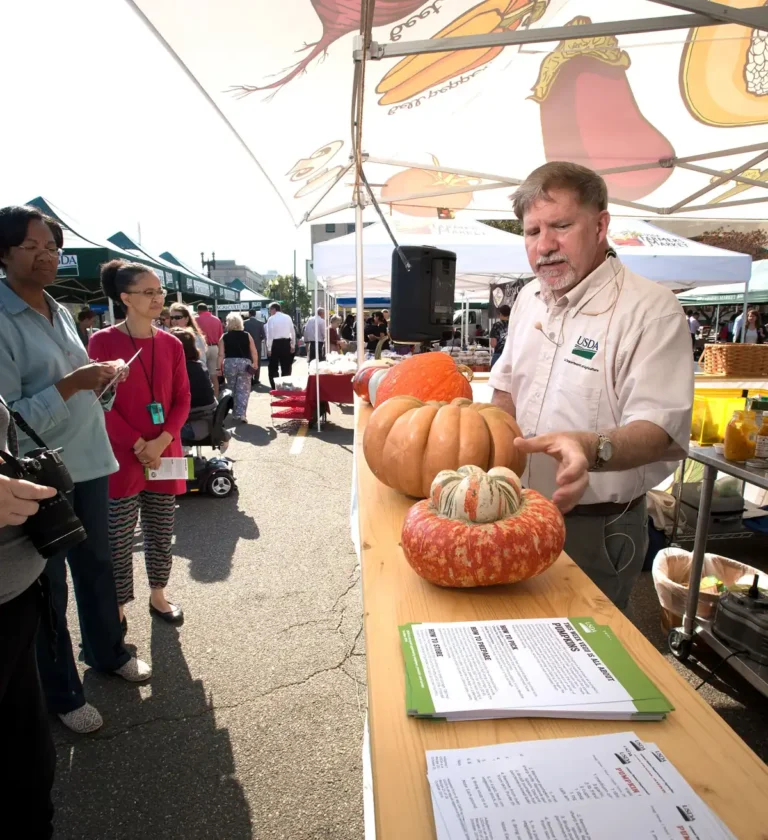
This is where the fair earns its reputation. Livestock barns, youth project displays, craft and baking exhibits, and carnival rides cover most age groups. Animal areas reward a slower pace — kids who stop and watch learn more than kids who sprint through. Wash hands after the barns, keep strollers to the wider paths, and locate the restrooms and shaded seating early, before you actually need them.
Planning the Trip: Caldwell, Canyon County, and the Grounds
Caldwell sits along the Interstate 84 corridor in southwestern Idaho, with Nampa immediately east and the Boise metro a short drive beyond. Most fair logistics come down to choosing an arrival window and sticking to it.
Getting There From Caldwell, Nampa, or Boise
The fair is a drive-in event for nearly everyone, and the county’s road network funnels traffic toward the same few intersections. Aim to arrive either well before the evening rush or after it has peaked; the middle of that window is where the slowdowns live. Rideshare works, but pick a meet-up point a block or two from the main gate so your driver is not stuck in the queue.
Where to Stay Around Canyon County
Caldwell and Nampa carry the closest hotel and motel inventory, with a much deeper bench of rooms in the wider Boise area to the east. Fair weekends are the busy ones, so book early rather than hoping for a same-day rate. Staying in Caldwell keeps the drive short; staying in Boise trades a longer commute for more choices and often better rates.
Parking Without the Late-Afternoon Panic
Parking is the single biggest variable in a fair visit. Arrive early, carpool if you can, and photograph your row marker or drop a pin before you walk away. Expect a walk of several minutes from the outer lots, and wear shoes that handle gravel and grass. Do not park in private business lots to save time; towing is a real risk and a bad way to end the night.
Admission, Add-Ons, and What a Fair Day Costs
General admission to fairs of this kind is typically free, with individual attractions, rides, and some entertainment priced separately. Budget for food, drinks, and any ride wristbands or ticketed activities rather than for a gate fee. Carry some cash for vendors who do not take cards, and expect ATM lines to be longest at peak dinner hours.
Late-Summer Weather: Heat, Wind, and Cool Evenings
Late summer in southwestern Idaho means hot, dry afternoons, strong sun, and a sharp temperature drop after sunset. Daytime highs can push into the nineties, so hats, sunscreen, and water are not optional. Evenings can turn breezy and cool enough for a light layer. Check the forecast the morning you go and pack for both halves of the day.
A Sample Fair Weekend, Hour by Hour
Friday: arrive in the late afternoon, before the dinner surge. Walk the exhibit halls while they are quiet, eat early, then settle in for the evening entertainment. Leave before the final act ends if you want a clean exit from the parking lot.
Saturday: come at opening for the livestock barns and youth exhibits, when animals are active and the crowds are thin. Break in the shade during the hottest hours — this is the fair’s slow pocket and a good time to rest or leave the grounds for an hour. Return for rides, food, and the main evening programming. This is the busiest day, so carpool and arrive early.
Sunday: a shorter visit works well. Hit anything you missed, buy from vendors before they start packing, and head out before the afternoon rush. Three modest visits across a weekend beat one long, exhausting day.
Canyon County Fair Versus Nearby Options
Nampa sits in the same county and offers the closest alternative for an evening out, which makes it a good fallback when the fair is at its busiest. Boise and the wider Ada County area to the east run larger metropolitan events with bigger crowds and more parking infrastructure.
Counties to the west and north host their own fair traditions, usually smaller and easier to navigate, with shorter lines and a more rural feel. The trade-off is straightforward: the Canyon County Fair is the county’s largest local gathering, so it offers the most variety and the most competition for parking.
The Canyon County Fair Prep Checklist
Confirm the current year’s dates, hours, and any ticketed attractions before you leave. Fill water bottles and pack sunscreen, hats, and a light layer for the evening. Bring cash and a card, comfortable shoes, hand sanitizer, and a stroller if you have small kids. Charge your phone, agree on a family meet-up spot in case you split up, and decide your parking strategy before you are in the queue. If you plan to visit the livestock areas, build in a hand-washing stop on the way out.
Beyond the Fairgrounds: Caldwell, Nampa, and the Treasure Valley
The fair is a good excuse to see more of the county. Caldwell, the county seat, has a walkable core worth an hour before or after the grounds. Nampa, just east, adds its own dining and shopping. Farther out, the county’s farmland opens into the broader Treasure Valley, with river corridors, back roads, and the Boise foothills rising to the east — a good half-day extension if you are already in the area for fair week.
What the Fair Means to a 231,105-Person County
For a county of 231,105 people spread across 604 square miles, the fair is one of the few events that pulls every corner of the map into the same place. It is where youth exhibitors get their first audience, where small vendors test a product, where volunteers put in long shifts, and where neighbors from opposite ends of the county run into each other once a year.
That shared calendar matters more than it sounds. The fair keeps a working agricultural tradition visible in a county that is increasingly suburban, and it does so without turning into a museum piece. It is still a fair people come to for fun, not for a history lesson.
Where the Fair Sits in Canyon County
The Canyon County Fair takes place in the Canyon County area of southwestern Idaho, with Caldwell, the county seat, as the nearest anchor for directions.
Canyon County Fair Questions, Answered Plainly
When does the Canyon County Fair usually take place?
In most years the fair falls in late summer, running across several consecutive days. Because dates shift from year to year, confirm the current season’s schedule before you plan travel, and treat the weekday-versus-weekend decision as the biggest single factor in crowd size.
Do you need to buy tickets in advance?
General admission is typically free, and the things you pay for are usually add-ons such as rides, food, and some entertainment. Advance purchase matters most for ticketed attractions rather than for entry itself. Check the current year’s details, since offerings change from season to season.
How early should I arrive to avoid the worst traffic?
Arriving well before the dinner hour is the reliable move, especially on weekends. If you cannot manage that, wait until the first wave has settled in and arrive after the peak. Either way, carpooling and a pre-decided parking plan save more time than any shortcut through side streets.
Is the fair a good fit for young children and older visitors?
Yes, with a little planning. Mornings are calmer, shaded seating is easier to find early, and the livestock and exhibit areas move at a slower pace than the midway. Bring water, plan rest stops, and consider a shorter first visit to see how everyone handles the heat and the walking.
Looking Ahead to Future Fair Seasons in Canyon County
Canyon County keeps growing, and the fair will keep absorbing that growth: more visitors, more vendors, and more pressure on the same road and parking network. The likely direction is familiar — earlier arrivals, more ride-share drop-offs, and more emphasis on spreading visits across the full run rather than concentrating them on one weekend evening.
For visitors, the practical takeaway is simple. Treat the fair as a planned trip rather than a spontaneous stop, and it stays one of the best-value days out in southwestern Idaho.
Last updated: October 2026
Come for the food and the evening music, stay for the barns and the exhibit halls, and leave with a parking plan you actually followed. The Canyon County Fair has been part of the county’s rhythm since long before the crowds got this big — and with a little logistics on your side, it is still an easy event to love.