Dutchess County New York Fair Festival
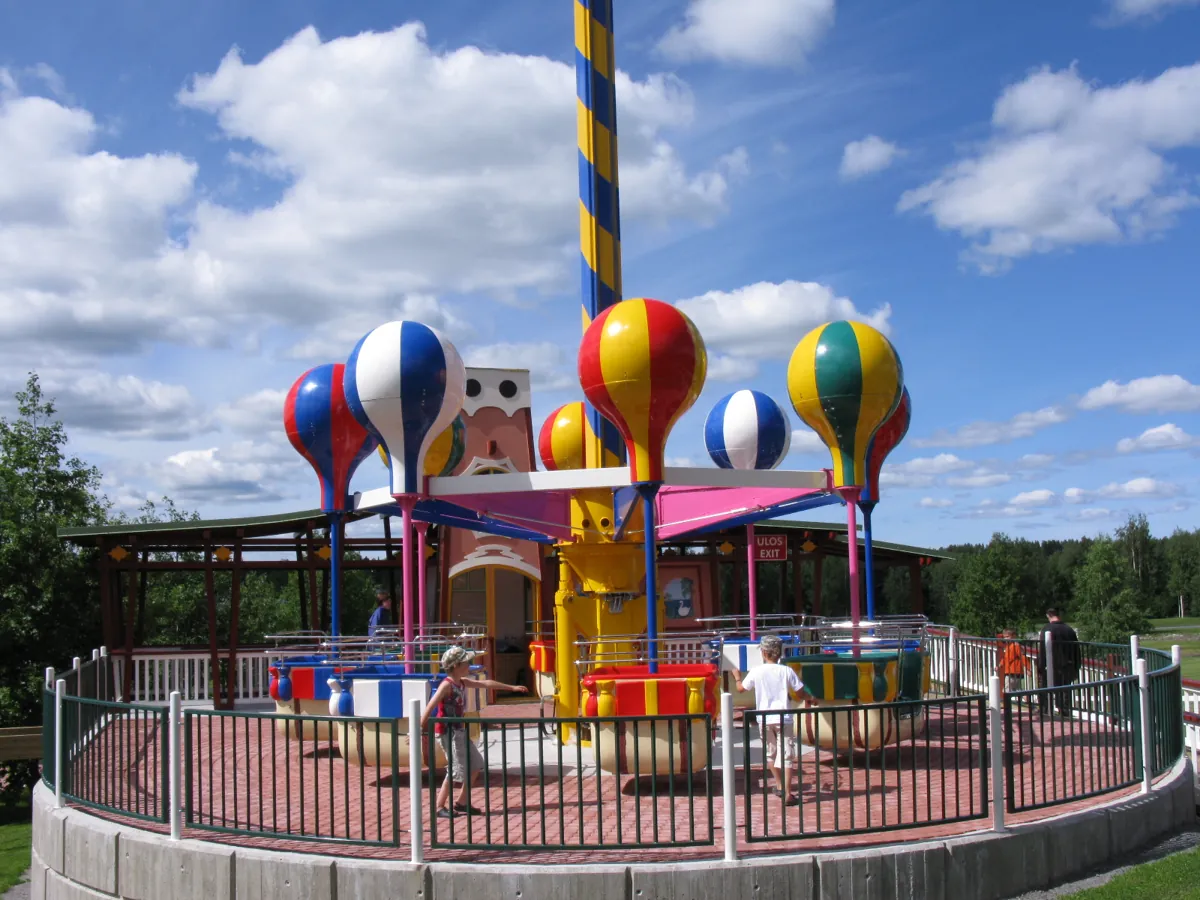
The first fact about this fair is an address correction: the Dutchess County Fair is not in Poughkeepsie. It is held in the Village of Rhinebeck at the Dutchess County Fairgrounds on Route 9, its permanent home since 1919. Poughkeepsie, the county seat, hosted editions in the 1840s and 1850s and today is the rail town whose station the fair’s shuttle buses serve, but no Poughkeepsie address belongs to this fair. What waits at Rhinebeck is a six-day fair in late August, Tuesday to Sunday, run by the Dutchess County Agricultural Society and billed in the county’s own fair information as the largest six-day county fair in New York: thousands of farm animals, racing pigs, dock-diving dogs, a midway of more than fifty rides and a grandstand week ending in a championship rodeo.
About a Fair That Belongs to Rhinebeck
The organiser is the county’s agricultural society, published in three forms this article records without merging: The Dutchess County Agricultural Society Inc. in the state fairs directory, Dutchess County Agricultural Society Inc. in the fairgrounds’ copyright line, and Dutchess County Agricultural Society on the fair’s own history page, which shortens it to DCAS. The directory layer names Andy Imperati as president. Cornell Cooperative Extension of Dutchess County runs the 4-H machinery, dated by the fair’s history to 1925 and called an integral part of the fair, but Extension is a programme partner, never the organiser, and its Poughkeepsie offices are offices, not a venue. The grounds are navigated by named plant: Livestock Hill carries the livestock barns, the show ring and the Dairy Birthing Tent; beyond it stand the horse arenas and barns, the grandstand, the Rhinebeck Bank Main Stage, the 4-H Exhibit Hall, the horticulture area and Kiddie Land. The fair publishes two address forms of its own, both printed in the Quick Facts below exactly as published.
Quick Facts
| Item | Detail |
| Event | Dutchess County Fair |
| Fairgrounds | Dutchess County Fairgrounds, 6596 Route 9, Rhinebeck (postal form) |
| GPS address | 6636 Springbrook Avenue, Route 9, Rhinebeck (the fair’s own GPS form) |
| County seat | Poughkeepsie, which does not host the fair |
| Organiser | The Dutchess County Agricultural Society Inc. (name forms vary by layer) |
| Season | Late August, six days, Tuesday to Sunday (August 25 to 30 in 2026) |
| Hours | Tuesday to Saturday 10 in the morning to 10 at night; Sunday to 8 at night (county layer) |
| Parking | Always free, in the fair’s own published words |
| Children | Free under every published layer, though the exact age wording conflicts between layers |
| Camping | No public camping facilities; exhibitor camping only, with no published rate |
A History of Moves, Gaps and One Near-Loss
The fair’s own history page governs this account. The society was formed in 1841 on a grant of one hundred fifty-seven dollars from the state legislature, to continue the development of agriculture, household manufactured items and domestic produce, and the first official fair was held at Emigh’s Hotel in Washington Hollow on October 5 and 6, 1842. Secondary layers record a Poughkeepsie fair in 1843 and years of alternation; one library layer words the society’s formation as 1842, conflicting with the fair’s own 1841 and left unblended. Money nearly ended the story twice: financial challenges cancelled the 1916 fair, the society could not pre-pay the 1918 site rental so there was no fair that year and its charter stood in danger, and in 1919 Rhinebeck businessmen brought the fair north to The Springbrook Driving Park, moving the wooden grandstands up from Washington Hollow onto land that became the fairgrounds. The 1920 fair ran ninety thousand square feet of tents; the 4-H programme dates to 1925; there was no fair in 1942, with abbreviated fairs in 1943 and 1944; a 1964 talent showcase featured a then-unknown Don McLean; and the 1881 Pine Plains schoolhouse joined the grounds in 2004. Those gaps are why the modern billing cannot be arithmetic: the county’s 2026 page bills the edition the 181st, while the tourism layers bill it the 180th. Both stand unreconciled, and no founding year is computed from either.
What to Expect
Livestock Hill and the Dairy Birthing Tent
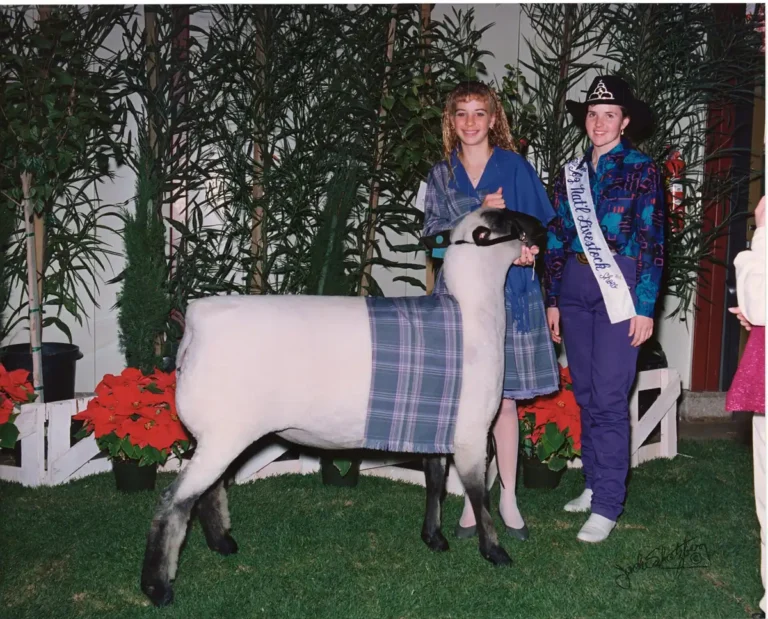
The agricultural core sits on Livestock Hill, where thousands of farm animals are shown across the livestock barns, with the poultry building, rabbits and cavies, the show ring and 4-H and open showing through the week. The Dairy Birthing Tent, paired in the map layer with a Salute to Agriculture, lets visitors watch calves arrive, and the horse arenas, AgriVenture displays and hands-on horse programme can fill a morning before the midway is reached.
The Antique Village and the Grounds Acts
The Century Museum Antique Village gathers the one-room schoolhouse, a cider mill, a sugar house, the Pleasant Valley Train Station and the Dutchess County Fireman’s Museum. Scattered through the fair’s schedule and map layer are the acts regulars plan around: Rosaire’s Racing Pigs, dock-diving dogs, frisbee dogs, a wildlife exhibit, a stunt show and Commerford’s Petting Zoo, with pony and camel rides in that layer.
For a useful comparison, see the Delaware County New York Fair Festival for another county festival.
A Powers Midway of More Than Fifty Rides
The midway is run by Powers Great American Midways, appearing in the fair’s layers as the Powers Carnival; the county layer counts over fifty rides and over one hundred food vendors. It opens later than the gates, at eleven in the morning in the operator’s 2026 layer. Ride prices are a separate product from admission, handled below.
The 2026 Grandstand Week and ThinkDIFFERENTLY Thursday
The grandstand spine documented for 2026, fenced to that year, ran a headliner a night: Chase Matthew on Tuesday, .38 Special on Wednesday, Journey from the Heart on Thursday, Almost Queen on Friday, Tyler Braden on Saturday and the Painted Pony Championship Rodeo closing the fair on Sunday. No act’s included-versus-ticketed status is asserted here, because no source settles it; the fair’s warning governs buying, since only Etix and the fair’s website are official online purchase points. Thursday carries the accessibility tradition, ThinkDIFFERENTLY Thursday, documented for 2026 with gates opening at nine, an hour early, for individuals with disabilities and their families, and selected midway rides running in sensory-friendly mode from half past nine until noon. The county tourism layer bills the fair the first in New York State to offer a sensory-friendly day; that first-in-state claim is that layer’s billing only.
Planning Your Visit
Getting There and Parking Free
Navigate for Rhinebeck, not the county seat: the postal address is 6596 Route 9, Rhinebeck, and the fair’s own GPS instruction gives 6636 Springbrook Avenue on Route 9; listing layers print other numberings for the same road, and none replaces the fair’s own two forms. Rail travellers arrive through the Poughkeepsie Metro-North station, served in the county layer by fair shuttle buses, which makes Poughkeepsie a transport stop, never the fair town. Parking is always free in the fair’s own words; any layer pricing it is contradicted by the fair’s own sheet.
What Admission Costs, Told Honestly
The 2026 prices exist in print in two unblended layers. The state tourism guide’s 2026 layer prices adult admission at eighteen dollars online in advance and twenty dollars at the gate, children free, and the ride-all-day wristband at thirty dollars in advance and forty at the gate; the advance wristband is corroborated by the midway operator’s own 2026 page, whose presale runs until midnight on the night before the fair opens, for riders at least thirty-six inches tall. A fair-deals layer adds 2026 claims of its own: twelve dollars Tuesday after five, fifteen dollars Thursday after five, and twelve dollars at the Wednesday walk-up window for seniors aged sixty-five and over and for military visitors. The county’s own fair page heads its information 2026 while footing its admission block to 2025; that block reads fifteen dollars for adults, eighteen at the gate, a wristband of thirty-three dollars rising to forty, and twelve dollars at the walk-up window for seniors and military — a composite layer assigned to neither year outright, never the settled 2026 gate. Even the free-child age will not sit still in print — the layers word it under eleven, eleven and under, and ten and under — so a family travelling on that line should confirm the current wording first. The standing rules do not move: all ticket sales are final, a hand stamp is required for re-admission, smoking and vaping are banned everywhere on the grounds, and pets are not permitted, service dogs only.
A Sample Saturday at the Fair
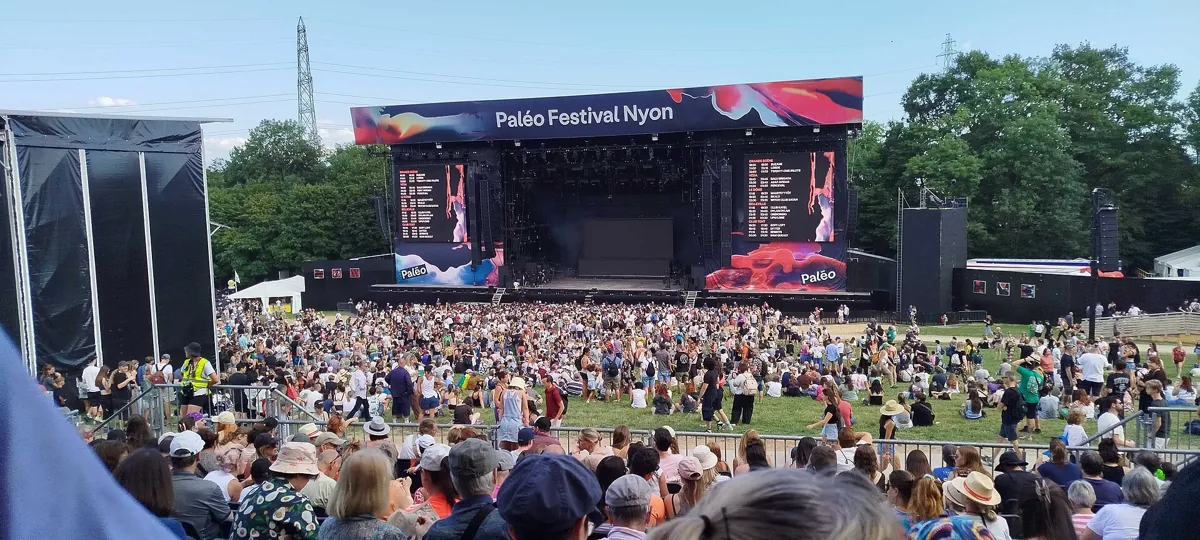
Reach Livestock Hill before the morning crowds and take the barns and the Dairy Birthing Tent first. Cross to the Antique Village and the horticulture displays late in the morning, let the racing pigs and dock-diving dogs carry the early afternoon, and eat from the food rows. Give the midway its hours from mid-afternoon, and keep the evening for the grandstand, where the Saturday night of 2026 belonged to Tyler Braden; the closing rodeo follows on Sunday.
Where to Stay, With No Campground Promised
The fair is explicit: there are no public camping facilities at the fairgrounds, and its own information directs visitors to local hotels and motels. The only fair-week camping in the record is exhibitor camping under an older fair-book layer, campers arriving after ten on the Sunday before the fair and leaving by two on the Sunday after, with no rate retrievable in the research; it is machinery for showing families, never a visitor offer. The grounds host campers for other events in other months, and none of those terms belongs to this fair.
Two August Giants in One State
New York ends its summer with enormous fairs in overlapping weeks. A regional layer bills Dutchess the second-largest county fair in New York after Erie County’s fair at Hamburg; the county’s own narrower wording is the largest six-day county fair in the state. Both are billings from their layers, not a league table compiled here. Erie runs twelve days earlier in August, and the New York State Fair at Syracuse opens in the same late-August window as Dutchess closes: three distinct events in three counties under three operators, whose dates, prices and programmes never lend one another a single fact.
A Fair Week Checklist
- Navigate to Rhinebeck on Route 9, using the fair’s own postal or GPS address forms, never to Poughkeepsie.
- Budget from the layered prices in the planning section, and confirm the current child-age wording before travelling.
- Buy tickets only through the fair’s official online points, which the fair names as its own website and Etix.
- Park free in the marked lots, and get a hand stamp before leaving if you plan to return the same day.
- Leave pets at home; only service dogs are permitted on the grounds.
- Plan Thursday morning around ThinkDIFFERENTLY Thursday if sensory-friendly rides would help your family.
- Book rooms in the Rhinebeck area early; there is no public camping at the fairgrounds.
- Treat any October event advertised at these grounds as a different occasion with its own terms.
Beyond the Fairgrounds
Rhinebeck itself is half the trip: a compact Hudson Valley village of shops, inns and restaurants, with the river towns and great estates of the mid-Hudson within an easy afternoon’s range. The fairgrounds keep a second life after the fair leaves, hosting the New York State Sheep and Wool Festival in October and the Country Living Fair in October. Those are tenant events on a rented fairgrounds, worth attending on their own merits under their own dates, prices and rules, and never to be mistaken for the county fair or read as carrying its terms.
Why This Fair Carries the County’s Name
A county fair earns its title by gathering a whole county’s agriculture into one week, and Dutchess does it at a scale few county fairs reach. Its significance is doubled by its history: an institution that lost whole years to money trouble and war, nearly lost its charter in 1918, and rebuilt itself in a village that was not its original home. Its sensory-friendly Thursday shows the same institution still widening who the week is for. When the tents come down after the Sunday rodeo, the fair Rhinebeck rescued in 1919 has again done what a one hundred fifty-seven dollar grant began in 1841.
Frequently Asked Questions
Is this fair held in Poughkeepsie?
No. Poughkeepsie is the county seat and hosted editions in the 1840s and 1850s, but the fair’s permanent home since 1919 is the Dutchess County Fairgrounds at 6596 Route 9 in Rhinebeck.
What does admission actually cost?
The honest answer is layered: the state tourism layer for 2026 prices adults at eighteen dollars in advance and twenty at the gate, while the county page’s admission block, footed to 2025, reads fifteen and eighteen dollars. Children are free under every layer, though the age wording conflicts in print, and parking is always free by the fair’s own statement.
Does the fairgrounds offer public camping?
No. The fair states that it has no public camping facilities and points visitors to local hotels and motels; the only fair-week camping in its record is exhibitor camping for showing families, with no published rate.
Are the grandstand concerts included or ticketed separately?
The record does not settle any 2026 act’s ticket status, so this article asserts none either way. What the fair does settle is where to buy: only its own website and Etix are official online purchase points, which it warns it cannot guarantee elsewhere.
What to Expect From the Next Dutchess County New York Fair Festival
How often is the Dutchess County New York Fair Festival held?
It is held once a year, as a six-day fair across Tuesday to Sunday in late August, a frame that has held through its documented modern editions.
When is the next Dutchess County New York Fair Festival?
The next edition follows the same late-August pattern in the following year, its exact span published by the fair and the state directories as the season approaches; the 2026 edition ran from August 25 to August 30, and the coming year’s dates should be taken from the fair’s own announcements rather than recycled listings.
Will the dates change?
The weekday frame is the stable part, Tuesday to Sunday in late August, while the exact calendar dates drift a few days either way with the year. Any edition’s span should be confirmed on the fair’s own pages, since directory and tourism layers are compiled at different times.
The Dutchess County Fair asks a little more of its visitors than most fairs: read its prices carefully, note the unsettled child-age line, and drive to the village rather than the county seat. In return it offers one of the largest six-day county fairs in New York, a birthing tent and a rescued schoolhouse a short walk apart, and a grandstand week that ends, as it should, with a rodeo. Rhinebeck has kept this fair since 1919, and it shows no sign of handing it back.


One Comment