Dickinson County Kansas Tri-County Free Fair Festival
Every county fair has its own personality, and the Tri-County Free Fair in Dickinson County, Kansas, has one that suits first-timers: unhurried, walkable, and free at the gate. You will not need a strategy map. You will need comfortable shoes, a little cash for the food trailers, and enough patience to let an evening unfold at small-town speed.
Dickinson County sits in north-central Kansas, with Abilene as its county seat and a population of 18,402 recorded in the 2020 census. The county covers 852 square miles and was founded on February 20, 1857 — older than the state that would eventually surround it. A fair held here is a fair held in farm country, and that shapes nearly everything about the experience.
What the Tri-County Free Fair Really Is
The Tri-County Free Fair is a community county fair in the Dickinson County area, built around the things Kansas fairs have always been built around: livestock, home arts, carnival rides, grandstand entertainment, and food that only tastes right when eaten outdoors. The “free” in the name is not marketing. Gate admission is typically free, which lowers the barrier for families who want to wander in for an hour and see whether the kids take to it.
The “tri-county” part reflects the fair’s pull beyond a single set of township lines. Exhibitors, families, and vendors come from Dickinson County and the surrounding area, which is part of why the fairgrounds feel busier than the county’s population alone would suggest. Expect a mix of people in work boots, parents pushing strollers, teenagers circling the midway, and older couples who have claimed the same bench for decades.
For a first visit, arrive before the evening rush, walk the barns while they are calm, eat early, and save the grandstand for after dark.
For another look at how a community turns its own traditions into a gathering, see the Dickinson County Kansas Central Kansas Free Fair Festival for a useful comparison.
The Essentials for Your First Tri-County Free Fair Visit
| Town / area | Dickinson County area, with Abilene as the county seat |
| County | Dickinson County, Kansas |
| County seat | Abilene |
| Population | 18,402 (2020 census) |
| Land area | 852 square miles |
| Founded | February 20, 1857 |
| Region | North-central Kansas |
| Typical timing | Late summer, usually spanning several days in July or August |
| Admission | Free gate admission; rides and concessions sold separately |
| Setting | Small-town fairgrounds with barns, a midway, and grandstand seating |
How the Tri-County Free Fair Grew Up With Dickinson County
Dickinson County was organized on February 20, 1857, in the years when Kansas was still deciding what kind of place it would become. Abilene grew into a railhead and cattle town, and the surrounding 852 square miles settled into the wheat, sorghum, and cattle economy that still defines the landscape. County fairs arrived in that world as practical gatherings: a place to compare seed, judge livestock, trade news, and let neighbors see what everyone had managed that year.
That agricultural spine never left. The fair’s oldest continuous thread is its exhibition program — livestock classes, poultry and rabbits, baked goods, canned preserves, quilts, photography, and the handiwork of local 4-H and FFA members. The midway and the grandstand came later and became the crowd-pleasers, but the exhibit halls are where the fair keeps its memory.
The free gate is the other constant. Keeping admission open to everyone has always been the fair’s way of saying that it belongs to the county rather than to ticket buyers. Whatever else shifts from year to year, that principle has held.
What a Fair Evening in Dickinson County Looks Like
Think of the grounds as three zones that bleed into each other: the barns and exhibit halls, the midway, and the grandstand. Most first-timers drift from one to the next without a plan, which is fine.
Fair Food That Tastes Better Outside
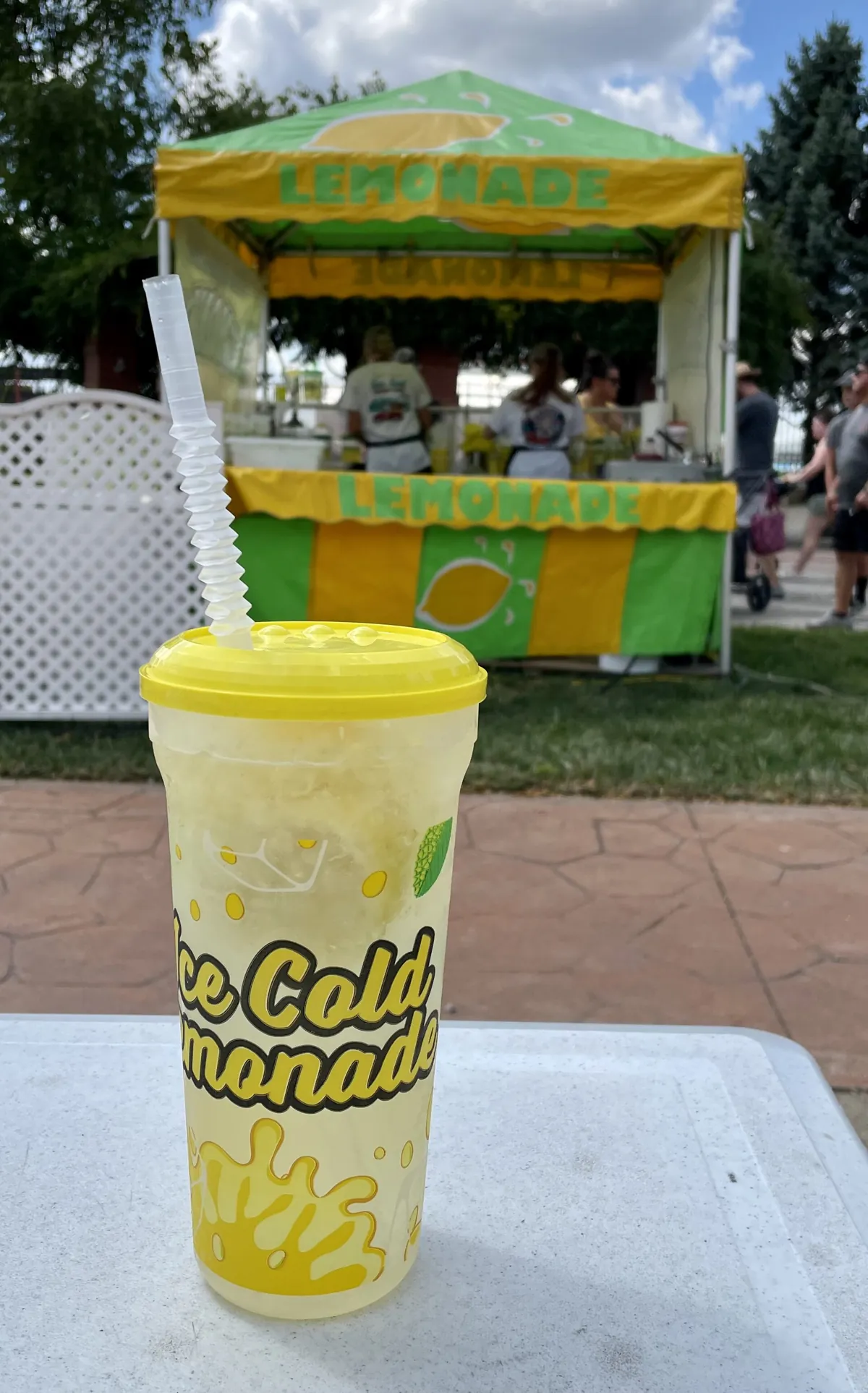
County fair food follows a familiar script, and that is the point. Expect trailers selling funnel cakes, corn dogs, burgers, lemonade, kettle corn, and pulled pork, plus at least one stand run by a local church or civic group where the pie is homemade and the line moves fast. Portions are large and seating is whatever picnic table or hay bale you can find. Eat dinner before the grandstand crowd arrives, and save room for something fried on the way out.
Grandstand Nights: Music, Motors, and Local Talent
Evenings at the grandstand are the fair’s loudest hours. The lineup shifts year to year and may include a country or rock act, a tractor pull, a demolition derby, a rodeo, or a talent showcase featuring local performers. Seating is bleacher-style, so a cushion earns its place in your bag. Arrive a half hour early for the best view, and expect the show to start on small-town time.
Family Activities, Livestock Barns, and 4-H Exhibits
For families with younger children, the carnival rides and games are the obvious draw, usually clustered on the midway with a mix of gentle kiddie rides and faster spinning ones. Beyond the rides, the barns are the sleeper hit. Kids can watch goats, cattle, swine, sheep, and poultry being groomed and shown, and exhibitors are generally happy to answer questions between classes. The exhibit halls add a quieter stop, with ribbons on everything from zucchini to watercolor paintings.
Planning Your First Trip to the Dickinson County Fairgrounds
None of this requires much logistics, but a few decisions in advance make the day easier.
Getting There: Routes Into the Abilene Area
Abilene sits on the Interstate 70 corridor in north-central Kansas, which makes the Dickinson County area straightforward to reach from either direction. Regional highways feed in from surrounding counties, and the last stretch of most routes is two-lane blacktop through farmland. If you are coming from out of state, plan the drive so you arrive before the evening peak rather than in the middle of it.
Where to Stay Around Abilene and Dickinson County
Abilene has the largest concentration of lodging in the county, with motels and inns along the interstate and near the historic downtown. Smaller communities in the surrounding area offer limited options, so booking early matters most on the fair’s busiest nights. Campers often stay at nearby lakes and drive in for the evening.
Parking Around the Fairgrounds
Expect free or low-cost parking in grass lots and marked fields near the grounds, directed by volunteers. Arrive early for the closest spots, and note where you parked — rows of vehicles in a dark field all look alike after the grandstand lets out. Carpooling is the simplest way to cut the hassle.
Admission, Ride Costs, and Cash Versus Card
The gate is typically free, which makes the fair an easy outing for a large family. Rides, games, concessions, and grandstand events are priced individually, so bring cash even if some vendors accept cards. A wristband night for unlimited rides is a common feature at fairs of this kind; check what is offered before you buy individual tickets.
Kansas Weather and What to Bring
Late-summer Kansas means heat, humidity, and the occasional sudden thunderstorm. Bring water, sunscreen, and a hat for the daytime, and a light jacket for the evening, when temperatures drop quickly once the sun is down. Closed-toe shoes beat sandals around the barns. If storms threaten, grandstand events may pause or shift, so keep an eye on the sky and the fair’s announcements.
A Sample Fair Weekend for a First-Time Visitor
Friday afternoon. Arrive a couple of hours before the evening rush and walk the exhibit halls first, while they are quiet. Check the ribbons, find the photography and baked goods sections, and let the kids see what local exhibitors have entered.
Friday evening. Move to the barns as animals are prepped for evening classes, then eat dinner from the food row. Claim grandstand seats early and stay for the night’s headline event.
Saturday morning. Come back for the livestock shows, the fairest window into what the fair is actually about. Watch a class or two and let a kid pet a goat.
Saturday afternoon. Ride the midway while the crowds are moderate, then retreat to the shade of the exhibit hall. This is the natural recharge window.
Saturday evening. Finish with the second grandstand show, one last funnel cake, and a slow walk past the lit-up midway on the way out. It is the version of the fair most people remember.
How It Compares With Nearby Kansas Towns and Fairs
Fair shopping is part of the fun in this part of Kansas. Salina, roughly an hour west, is the largest city in the region and hosts bigger, more commercial events with larger crowds and more vendors. Junction City, to the east, offers its own community celebrations with a similar small-city feel. Herington and smaller Dickinson County towns such as Chapman, Solomon, and Enterprise hold gatherings that are even more informal than the Tri-County Free Fair.
What sets this fair apart is the combination of a genuinely free gate, a working agricultural exhibition program, and the scale of Abilene as a host community. It is bigger than a town picnic and smaller than a regional festival, which is exactly the sweet spot for a first county fair.
First-Timer Checklist for Fair Weekend
| Cash and small bills | Rides, games, and food stands move faster with exact change. |
| Sunscreen, hat, water bottle | Late-summer afternoons in Kansas are hot and exposed. |
| Light jacket or long sleeves | Evenings cool off quickly after sunset. |
| Closed-toe shoes | Barns, gravel, and grass are hard on sandals. |
| Bleacher cushion or blanket | Grandstand seating is hard and metal. |
| Charged phone or camera | Exhibits and livestock shows are the best photos. |
| A family meeting point | Crowds swell after dark near the midway. |
| Patience with parking | Grass lots fill early on the biggest nights. |
Beyond the Fairgrounds: Abilene and Dickinson County
Abilene rewards an extra half day. The Dwight D. Eisenhower Presidential Library and Museum sits in town and draws visitors from well beyond Kansas. Old Abilene Town recalls the cattle-drive era, while the Seelye Mansion and the Dickinson County Heritage Center fill in the local story. Downtown Abilene has restored storefronts, small shops, and places to eat that make a good morning stop before the fairgrounds open.
The county itself is worth driving through. With 852 square miles of farmland, the roads between Abilene and the smaller towns are a reminder of why the fair exists at all — this is agricultural country, and the exhibits on display come from fields and barns you can see from the highway.
Why a Free Gate Still Means Something in Dickinson County
A county fair is one of the few places left where a community shows itself to itself. The Tri-County Free Fair does that with an open gate, which matters in a county of 18,402 people where paid admission for a family of five is a real consideration. Free entry turns the fair into something closer to a public square.
It also keeps a tradition alive. Livestock judging, home arts, and 4-H projects are skills passed down through families, and the fair is where that knowledge gets displayed, judged, and celebrated in public. Volunteers staff the gates, run the exhibits, and organize the events. Their work is the reason the fair keeps happening.
Where the Tri-County Free Fair Fits on a Kansas Map
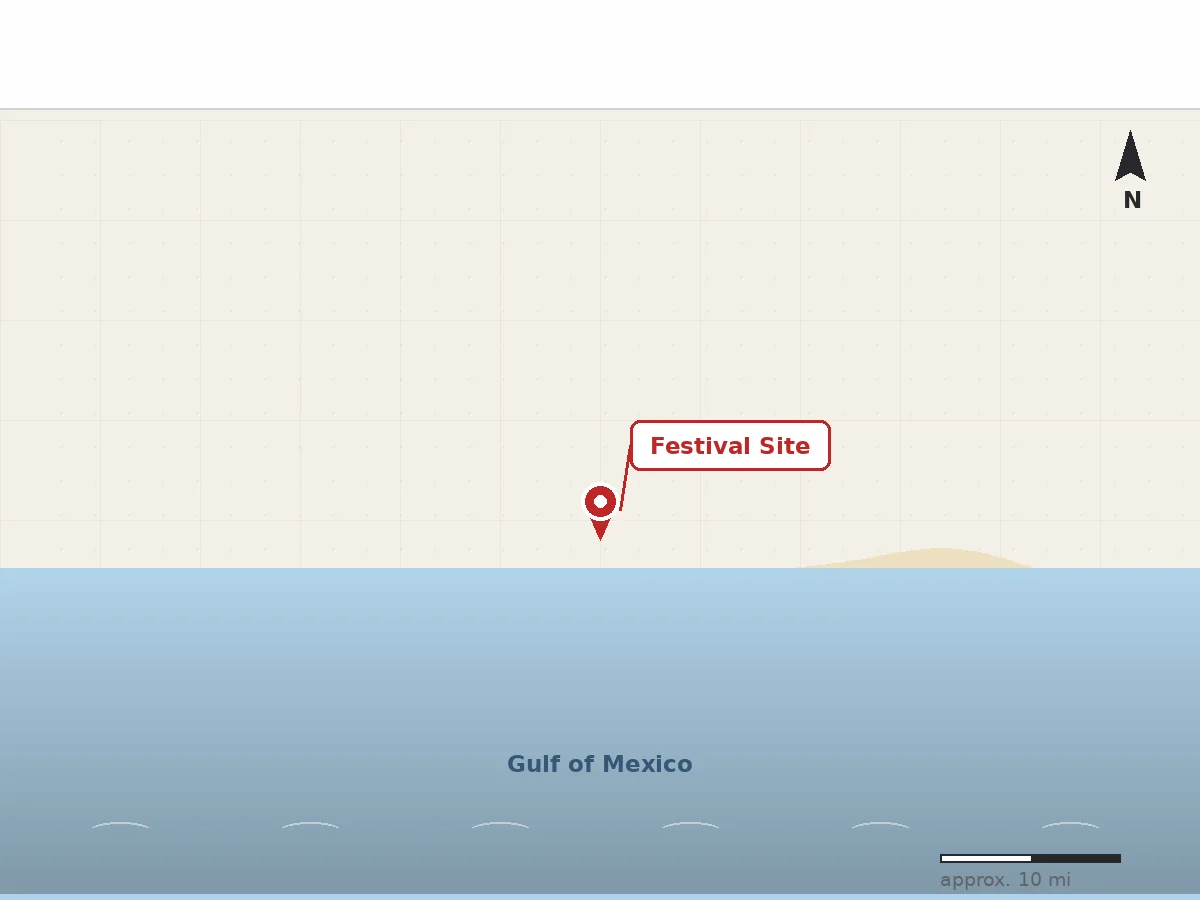
The Tri-County Free Fair takes place in the Dickinson County area of north-central Kansas, with Abilene as the county seat and the most useful landmark for out-of-town visitors planning a route.
What Newcomers Want to Know Before Fair Weekend
Is the Tri-County Free Fair really free to get into?
Yes, gate admission is typically free, which is the tradition behind the name. You will still pay for carnival rides, games, food, and some grandstand events, so plan on spending money once you are inside even though entry itself costs nothing.
How long does the fair run, and which days suit a first visit?
The fair usually runs over several consecutive days in late summer, often in July or August. For a first visit, a weekday evening is the calmest introduction, while the weekend brings the biggest crowds and the fullest grandstand schedule.
Can I bring children, coolers, and pets?
Children are the core audience, and strollers handle the grounds well. Cooler policies vary by year and event, so check the posted rules at the gate. Because livestock are on the grounds, pets are best left at home unless they are service animals.
Do I need to buy tickets in advance?
For most fairgoers, no. Free gate admission means there is nothing to reserve for entry, and rides, food, and games are purchased on site. Grandstand events with limited seating are the exception, so check the schedule and buy early if a specific show matters to you.
The Next Chapter for the Tri-County Free Fair
County fairs survive by adapting without losing their center. The likely shape of coming years looks familiar: livestock and home arts at the core, a midway that updates its rides, grandstand nights that mix music with motors, and a gate that stays free. Small fairs across Kansas are leaning harder into local food vendors, family-friendly scheduling, and social media to reach younger families, and there is no reason to think this one will be different.
For first-timers, that means the fair you visit this year will feel much like the fair next year — which is precisely the appeal.
Last updated: October 2026
The best way to understand the Tri-County Free Fair is to stop planning and go. Park in the grass, walk the barns before the crowds arrive, eat something fried, and find a seat in the grandstand as the lights come on. Dickinson County has been doing this for generations, and the gate is open.

One Comment