Camden County Georgia Kingsland Mardi Gras Festival
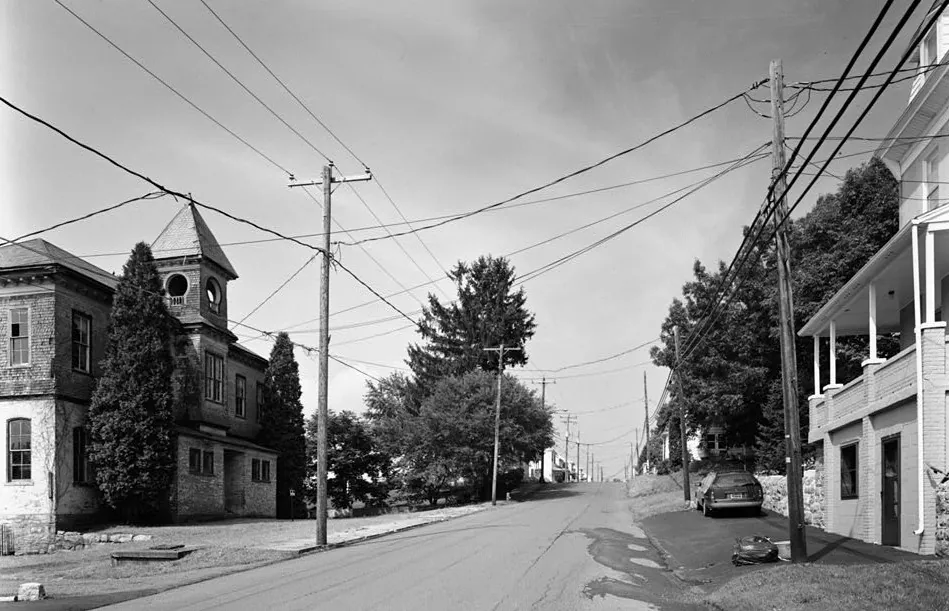
Camden County Georgia Kingsland Mardi Gras Festival: A First-Timer’s Orientation
If you have never been to Kingsland Mardi Gras, think of it as Camden County’s own front-porch version of Carnival: smaller than the famous Louisiana spectacles, but warm, walkable, and deeply tied to local life. The festival gives first-timers a chance to experience the color and music of Mardi Gras without the overwhelming scale of a major metropolitan celebration. It is a Kingsland event, but it draws on the wider Camden County, Georgia identity — a county founded in 1777, with Woodbine as its seat and a population of 54,768 spread across 782 square miles.
This orientation is written for the newcomer who wants to know what the festival is, how to plan around it, and how to enjoy it without missing the point. You do not need to know the full insider playbook. You just need a rough sense of timing, a comfortable pair of shoes, and a willingness to say hello to the people beside you on the parade route.
Kingsland Mardi Gras Snapshot for First-Time Visitors
Before diving into the details, here is a compact orientation to the essentials. Use it as your starting point, then read on for the texture that makes the event worth a weekend trip.
| Town | Kingsland |
| County | Camden County, Georgia |
| County seat | Woodbine |
| Population | 54,768 in Camden County |
| Region | Southeast Georgia / Coastal Georgia |
| Typical timing | Carnival season, usually January or February |
| Admission | Typically free, with food, drinks, and vendor items sold separately |
| Setting | Community streets and gathering spaces in Kingsland |
| Features | Parade-style processions, beads, costumes, music, local food, family activities |
| Organizer | Community-led with local volunteers, businesses, and civic groups |
Kingsland Mardi Gras: The Basics for a First Visit
Kingsland Mardi Gras is a seasonal celebration that brings Carnival traditions into a Camden County setting. The festival is not a carbon copy of New Orleans. It is more like a neighborly block party with parade floats, beads, music, and the kind of food that tastes better when eaten outdoors. You will see families with folding chairs, children chasing stray beads, and longtime residents greeting one another as if the whole town has stepped onto the same sidewalk.
Because Camden County is large — 782 square miles — and its county seat is Woodbine, Kingsland functions as one of the county’s most visible community hubs. The festival reflects that role. It is a chance for residents from across Camden County to gather in Kingsland, and for visitors to understand how coastal Georgia celebrates a tradition often associated with the Gulf Coast. The county’s 1777 founding gives the area a long history, but Mardi Gras in Kingsland feels contemporary, casual, and open to anyone who shows up with a good attitude.
For a first-timer, the most important thing to know is that this is not a spectator-only event. You are part of the atmosphere. Wear something with a little color. Bring a bag for beads if you want to keep them. Plan to walk more than you expect. And if you are traveling with children, stake out a spot early enough that they can see the parade without being swallowed by the crowd.
Admission is typically free, which makes Kingsland Mardi Gras an easy add-on to a weekend in Camden County. You will likely spend money on food, drinks, and vendor goods, but the core experience — the music, the parade, the people-watching — is designed to be accessible. That accessibility is part of the festival’s character. It is not trying to be exclusive. It is trying to be a good time for the community.
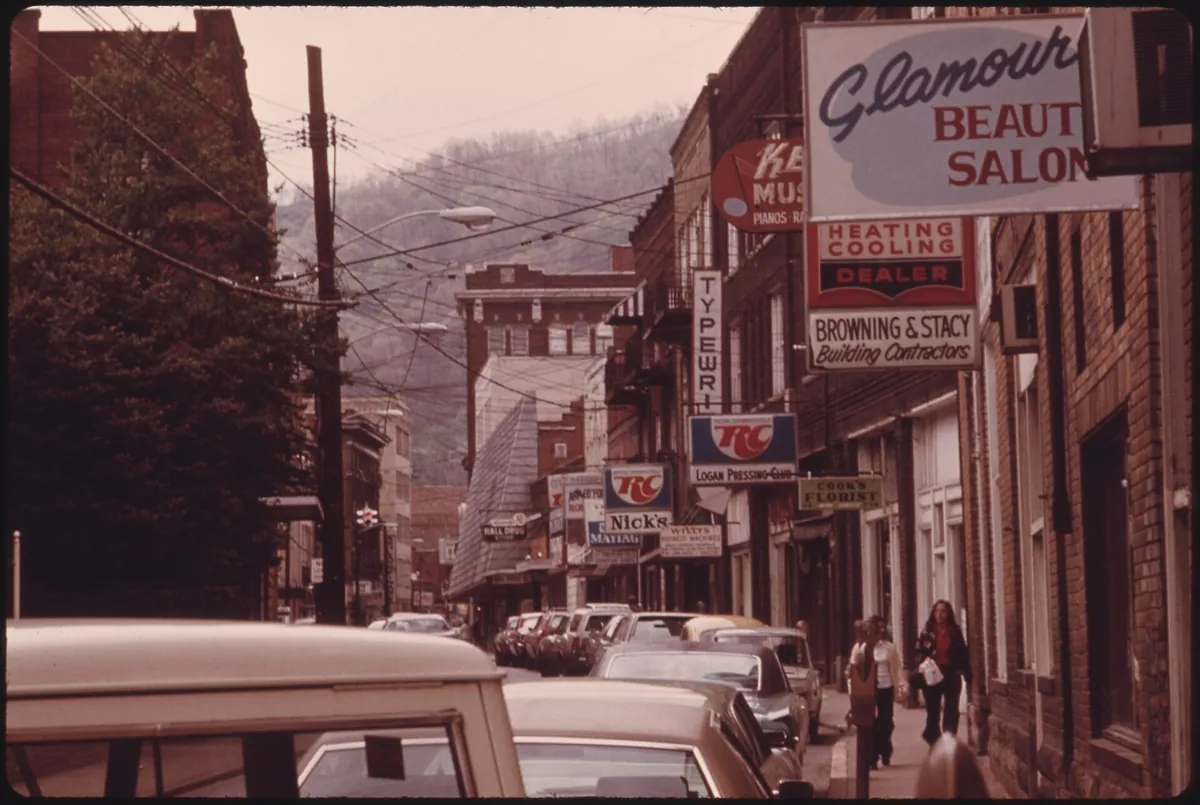
How Mardi Gras Traditions Reached Camden County, Georgia
Mardi Gras has deep roots in Catholic Europe, where Carnival marked the weeks before Lent with feasting, music, and masked revelry. French colonists carried those traditions to the Gulf Coast, and cities such as Mobile and New Orleans turned them into the elaborate parades and krewes the world knows today. Over time, the idea of a late-winter Carnival celebration spread across the South, adapting to local tastes and local calendars.
Camden County’s own story begins much earlier, with its founding in 1777. For most of its history, the county’s identity has been shaped by coastal Georgia life: small towns, military connections, timber, shipping, tourism, and a strong sense of place. Kingsland Mardi Gras is a more recent layer on that long history. It takes the familiar ingredients of Carnival — parades, beads, costumes, music, and shared food — and filters them through a Camden County lens.
You can think of the festival’s history in three broad phases. First, Mardi Gras traditions traveled from Europe to the Gulf Coast and then into the wider South. Second, communities across southeast Georgia began adopting Carnival-season events as a way to break up the winter and bring neighbors together. Third, Kingsland’s version grew into a local tradition of its own, shaped by volunteers, businesses, families, and the simple fact that people in Camden County enjoy a good parade. The exact origin story is less important than the result: a festival that now feels like part of the annual rhythm.
What a First-Timer Notices at Kingsland Mardi Gras
The first thing you notice is the sound. Long before you see the parade, you hear drums, brass, recorded music, laughter, and the general hum of a crowd that is happy to be outside. The second thing you notice is the color. Purple, green, and gold appear on shirts, hats, signs, beads, and banners. The third thing you notice is how quickly the event turns strangers into temporary neighbors. Someone will offer you a bead. Someone else will tell you where to find the best food. That informal generosity is a big part of the appeal.
Food and Drink Along the Kingsland Mardi Gras Route
Food at Kingsland Mardi Gras leans into the comfort of a Southern street festival. You can expect vendors and local food spots to offer a mix of coastal Georgia favorites and Carnival-inspired treats. Seafood, fried fare, gumbos, po’boys, sweet pastries, and king cake-style desserts are the kinds of things that fit the mood. Because exact vendors change from year to year, the smart first-timer approach is to walk the route once before committing. See what looks good, check prices, and then circle back.
Drinks are usually part of the scene, but this is not a festival that requires drinking to enjoy. Families, designated drivers, and non-drinkers all fit in comfortably. Bring cash and a card if you can, since some vendors may prefer one over the other. If you have dietary restrictions, eat before you arrive or ask vendors directly about ingredients. Street festivals are wonderful, but they are not always set up for every dietary need.
Music, Parade Energy, and Entertainment
Music is the engine of the festival. You may hear live bands, DJs, school groups, or parade sound systems depending on the year. The style can range from brass and funk to country, rock, and pop. The point is not genre purity. The point is momentum. When a parade turns a corner and the music swells, the crowd responds. Children wave. Adults dance. Phones come out for photos, and then go back into pockets because the moment is better in person.
Parade energy is participatory. If you stand near the curb, you are in the splash zone for beads, candy, and occasional friendly chaos. Keep an eye on small children, and remind them not to chase throws into the street. The best viewing spots are often slightly back from the barricades, where you can see over the crowd and still catch what comes your way. If you want a calmer experience, move a block or two away from the loudest speakers.
Family-Friendly Activities for All Ages
Kingsland Mardi Gras is designed with families in mind. Expect kid-friendly activities, costume-watching, and plenty of opportunities for photos. Children often love the beads, the music, and the sheer spectacle of a parade. Parents love that the event is generally walkable and not so enormous that it becomes exhausting. If you are traveling with toddlers or grandparents, plan for breaks. Find a shaded spot, bring water, and do not try to see everything at once.
For older children and teens, the social side of the festival matters. They can meet friends, sample food, and enjoy the music. For adults, the festival is a chance to reconnect with neighbors and enjoy a low-pressure night out. The beauty of a local Mardi Gras is that it does not demand a full day of endurance. You can come for the parade, stay for dinner, and leave before the crowd gets too thick — or stay until the last note fades.
Planning Your Kingsland Mardi Gras Weekend
A little planning goes a long way. Kingsland is part of a large county, and festival-day traffic can make even familiar roads feel slow. The goal is not to schedule every minute. The goal is to remove the small stresses so you can enjoy the big ones.
Getting to Kingsland and Camden County
Kingsland sits in Camden County, Georgia, in the southeast corner of the state. Most visitors arrive by car, using the regional road network that connects Kingsland with Woodbine, St. Marys, and the surrounding coastal communities. If you are coming from outside the county, give yourself extra time on festival day. Traffic can back up near the main event area, and road closures may change your usual route. A navigation app helps, but local signs and police directions should take priority.
Where to Stay Near Kingsland Mardi Gras
Kingsland has lodging options for travelers, and nearby communities such as St. Marys and Woodbine can also serve as bases. Book early if you are visiting during a popular festival weekend. If you are combining Kingsland Mardi Gras with a broader Camden County trip, staying in one place and driving to the festival can be simpler than moving hotels. Campgrounds and vacation rentals may also be available in the area, but availability varies by season.
Parking and Street Logistics
Parking is often the biggest practical question for first-timers. Arrive early, follow posted signs, and expect to walk. Do not park in a business lot unless you are sure it is allowed. Do not block driveways. If you are meeting friends, choose a meeting point before you lose cell service or get separated in the crowd. After the parade, be patient. Everyone is trying to leave at once, so a short wait can save you a long headache.
Admission, Costs, and What to Bring
Admission is typically free, but you should budget for food, drinks, and vendor purchases. Bring a small bag for essentials: phone, wallet, keys, sunscreen, and a light rain jacket. Cash is useful for small vendors, though many accept cards. If you plan to enjoy adult beverages, arrange a designated driver or rideshare ahead of time. The festival is affordable, but it is not free if you want to eat, drink, and bring home a few souvenirs.
Weather and What to Wear
Coastal Georgia winters are usually mild, but evenings can be cool and damp. Layers are your friend. Wear comfortable shoes, because you will likely stand and walk more than you expect. A light jacket, a hat, and sunscreen are all reasonable. If rain is in the forecast, bring a poncho rather than an umbrella, since umbrellas can block views and annoy the people around you. Check local weather before you leave and be ready for changing conditions.
A Sample Saturday-to-Sunday Plan in Kingsland
If you are making a weekend of it, here is a relaxed way to experience Kingsland Mardi Gras without rushing. Start Saturday morning with a slow breakfast in or near Kingsland. If the parade is later in the day, use the morning to explore the town or drive over to Woodbine, the Camden County seat, for a change of pace. This is also a good time to find parking and scout the festival layout before crowds arrive.
Saturday midday, head to the festival area. Walk the route, check out food vendors, and claim a viewing spot. Eat before the parade begins if you want to avoid long lines. When the music starts, settle in and enjoy the procession. After the parade, linger for live entertainment or walk through the vendor area. Late afternoon is a good time for family activities, photos, and a second pass at the food you missed earlier.
Saturday evening, have dinner at a local restaurant or festival food stall. If you are staying overnight, take a quiet walk through town and let the crowd thin out. Sunday morning, sleep in or grab coffee, then explore more of Camden County. You could visit St. Marys for waterfront views, or head toward the county’s natural areas. The festival is the centerpiece, but the surrounding county is worth a slower look.
Kingsland Mardi Gras Compared with Nearby Coastal Georgia Celebrations
Kingsland Mardi Gras has a different feel from celebrations in larger cities. Compared with a major Gulf Coast Mardi Gras, it is more intimate, more walkable, and easier to navigate on short notice. You will not find endless blocks of elaborate krewes, but you will find a genuine community event where the parade is close enough to touch and the food lines are manageable.
Within Camden County, St. Marys offers a historic waterfront atmosphere and a slower coastal pace. Woodbine, the county seat, has a small-town center that feels removed from the festival bustle. Brunswick, to the north, has a larger downtown grid and its own coastal Georgia character. Kingsland Mardi Gras sits somewhere in the middle: more energetic than a quiet town gathering, less overwhelming than a big-city Carnival. For a first-timer, that balance is the selling point.
Kingsland Mardi Gras First-Timer Checklist
Before you go, check the local festival schedule, confirm road closures, and book lodging if you need it. Pack layers, comfortable shoes, a small bag, cash, a card, sunscreen, and a rain poncho. Charge your phone and bring a portable battery if you plan to take photos. Decide on a meeting point with your group in case you get separated. Arrive early for parking and parade viewing. Keep children close near the street. Respect barricades and volunteers. Stay hydrated. If you drink, do not drive. And finally, leave room in your schedule for spontaneity — the best moments at Kingsland Mardi Gras often happen between the planned stops.
Beyond the Parade: Camden County and Coastal Georgia Nearby
Once the beads stop flying, Camden County is still worth exploring. The county covers 782 square miles, so there is plenty of space between towns. Woodbine, the county seat, offers a glimpse of local civic life and a slower pace. St. Marys, one of the county’s coastal communities, is a natural add-on for waterfront walks and maritime history. The wider region includes natural areas, waterways, and small-town main streets that reward a detour.
If you have an extra day, use Kingsland as a base for discovering the coast. The area’s history stretches back to Camden County’s founding in 1777, and the landscape still carries that sense of old coastal Georgia. You can spend one day at the festival and another exploring nearby parks, historic sites, and local restaurants. That combination — Carnival energy plus quiet coastal scenery — is what makes a Kingsland Mardi Gras weekend feel complete.
Why Kingsland Mardi Gras Matters in Camden County
With a county population of 54,768, Camden County is not a major metropolis, and that is precisely why a festival like Kingsland Mardi Gras matters. It gives residents a shared calendar moment. It brings neighbors together across town lines. It supports local businesses, food vendors, musicians, and volunteers. It also gives children a fun, safe introduction to a cultural tradition that stretches far beyond Georgia.
The festival is also a form of local identity. Camden County has a long history, a county seat in Woodbine, and a geography that includes both inland communities and coastal stretches. Kingsland Mardi Gras adds a bright, musical thread to that identity. It says that this corner of southeast Georgia knows how to celebrate, and that visitors are welcome to join in. For first-timers, that sense of welcome is the most memorable part.
Where Kingsland Mardi Gras Fits on the Camden County Map
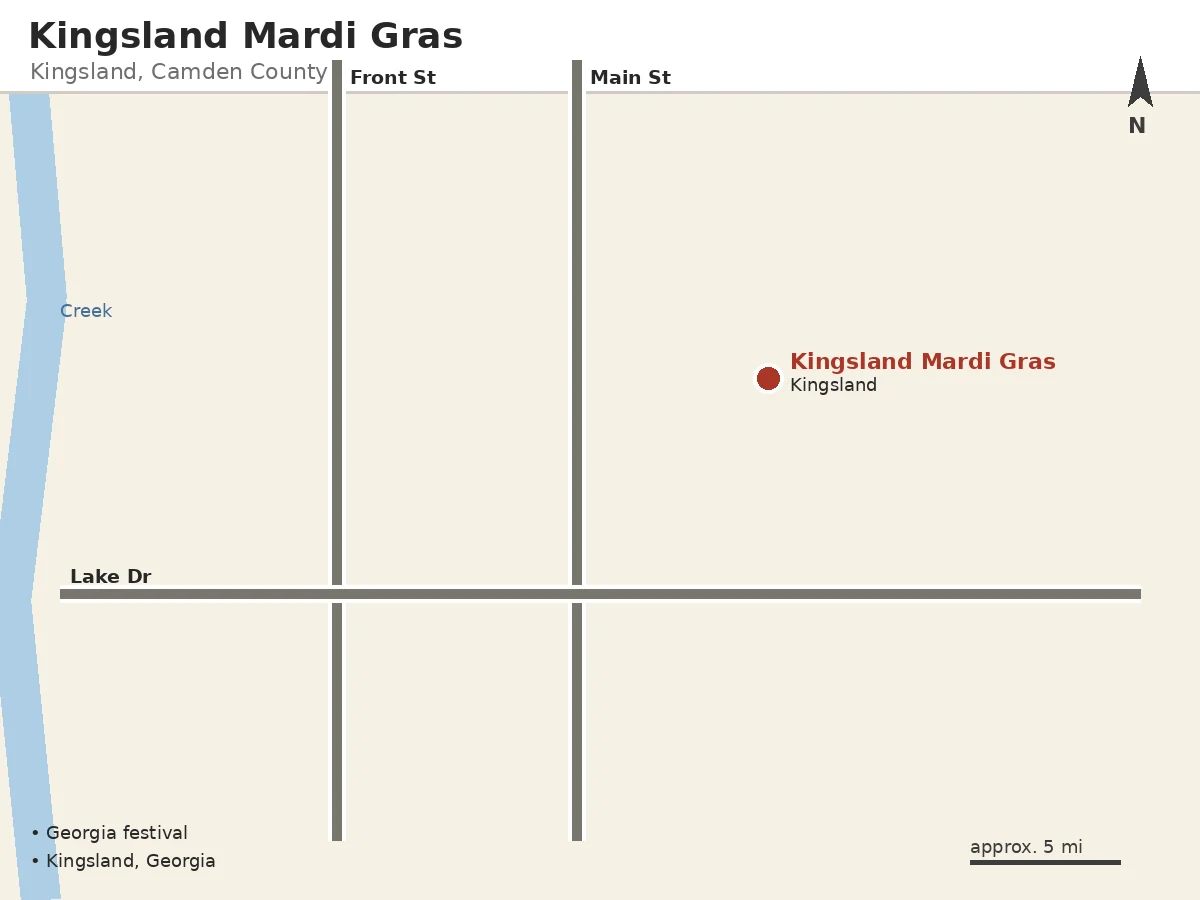
Kingsland Mardi Gras takes place in Kingsland, a Camden County community in southeast Georgia, with the county seat at Woodbine.
Kingsland Mardi Gras Questions First-Timers Ask
When is Kingsland Mardi Gras usually held?
Kingsland Mardi Gras is typically held during Carnival season, which usually falls in January or February. The date changes from year to year because it follows the Mardi Gras calendar. Check local listings before you travel so you can plan around the parade and any related activities.
Is Kingsland Mardi Gras free to attend?
Admission is typically free. You will still spend money if you buy food, drinks, or vendor items, but the core festival experience is generally open to the public. Bring a card and some cash so you have options at different stalls.
Is Kingsland Mardi Gras good for families?
Yes. The festival is generally family-friendly, with parade viewing, music, food, and activities that appeal to children. Keep an eye on little ones near the street, bring water, and plan for breaks if you are staying for several hours.
What should I wear to Kingsland Mardi Gras?
Wear comfortable shoes and layered clothing. Coastal Georgia weather can be mild during the day and cool in the evening. Add a touch of purple, green, or gold if you want to join the spirit. A light rain jacket is smart if the forecast looks unsettled.
Where do I park for Kingsland Mardi Gras?
Parking arrangements can vary by year, so follow local signs and event instructions. Arrive early, expect to walk, and avoid blocking driveways or private lots. If you are staying nearby, walking or using a rideshare can be easier than moving your car after the parade.
Can I bring my dog to Kingsland Mardi Gras?
Pet policies can change, so check local rules before bringing a dog. Even if pets are allowed, parade crowds, loud music, and dropped food can be stressful for animals. A safer choice for many visitors is to leave pets at home or at their lodging.
What happens if it rains during Kingsland Mardi Gras?
Weather can affect outdoor festival plans. Some events proceed rain or shine, while others may adjust the schedule. Check local updates on the day of the event. Bring a poncho rather than an umbrella, and wear shoes that can handle wet ground.
How does Kingsland Mardi Gras compare to New Orleans?
Kingsland Mardi Gras is much smaller and more local than the famous New Orleans celebration. That is part of its charm. You get parade energy, beads, music, and food without the huge crowds and complex logistics. For a first-timer, it is an easy and welcoming introduction to Carnival traditions in a Camden County setting.
The Next Chapter for Kingsland Mardi Gras
Kingsland Mardi Gras will continue to evolve as Camden County grows and changes. The festival’s future likely depends on the same things that built it: volunteers, local businesses, families, and a community willing to show up. As more visitors discover the event, organizers may face familiar challenges — parking, crowd flow, vendor space, and keeping the festival affordable. But those are good problems for a local celebration to have.
For first-timers, the outlook is simple. Kingsland Mardi Gras is worth putting on your calendar if you enjoy parades, live music, Southern food, and a community-centered atmosphere. It does not try to compete with the biggest Carnival cities. It offers something more personal: a Camden County celebration where the county seat is Woodbine, the population is 54,768, and the welcome feels local. Come with an open mind, and you will leave with beads, photos, and a better understanding of coastal Georgia’s festival spirit.
Last updated: October 2026
Whether you are a Camden County resident who has never made it to the parade or a traveler looking for a warm winter weekend, Kingsland Mardi Gras rewards the decision to show up. Bring your family, bring your appetite, and let the music lead you through town. The festival is not just an event on a calendar; it is a reminder that small places can throw a celebration with real heart.




One Comment