Dickinson County Kansas Central Kansas Free Fair Festival
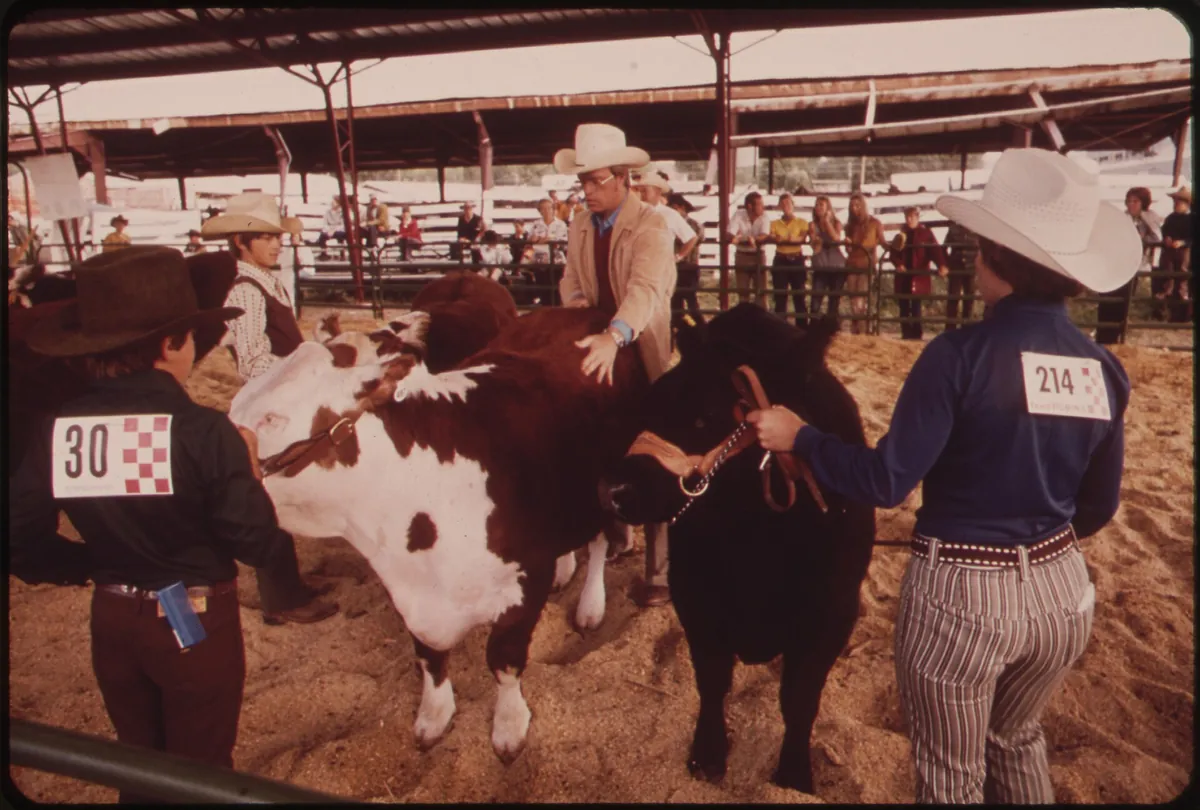
The Central Kansas Free Fair is Dickinson County’s biggest annual homecoming: a multi-day, late-summer run of livestock barns, carnival lights, grandstand entertainment and 4-H exhibits that pulls Abilene and the surrounding farm towns into one place. It is a classic Kansas county fair — traditionally free to walk into, easy to navigate, and built around the people who actually live here.
This guide covers what the fair really is, how it fits into Dickinson County’s history, what to eat and see, how to plan a trip around it, and what else is worth doing around Abilene while you are in the area.
Central Kansas Free Fair Basics in Dickinson County
| Town / area | Dickinson County area, anchored by Abilene |
| County | Dickinson County, Kansas — founded February 20, 1857 |
| County seat | Abilene |
| Population | 18,402 (2020 census) |
| Region | Central Kansas |
| Typical timing | A multi-day run in late summer |
| Admission | Grounds entry is traditionally free |
| Setting | Open fairgrounds with barns, exhibit halls, a midway and a grandstand |
| Signature features | Livestock and 4-H exhibits, carnival rides, grandstand shows, fair food |
| Organizer | Community volunteers, local exhibitors and fair supporters |
One number frames everything: Dickinson County covers 852 square miles, and most of it is farmland and small towns. A fair of this kind draws from a wide, thinly populated area, which is exactly why it still matters. For a few evenings, everyone is in the same place.
What the Central Kansas Free Fair Actually Is
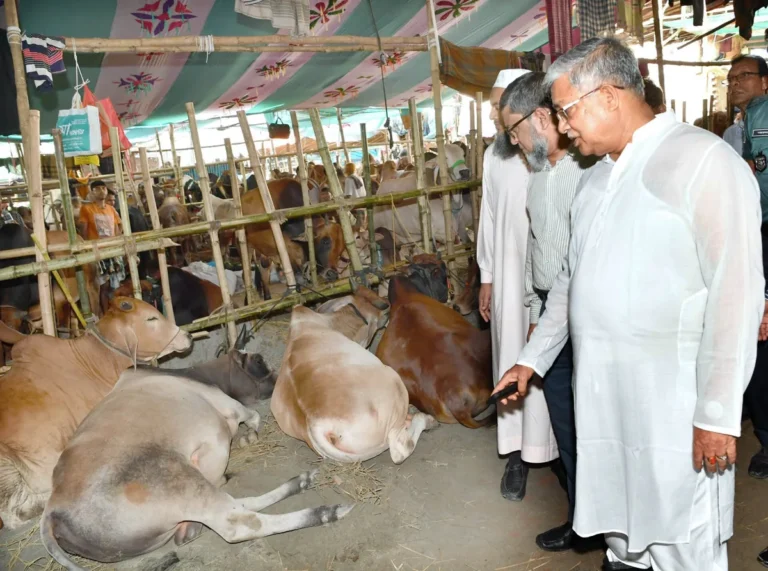
This is a traditional county agricultural fair, held in the Dickinson County area with Abilene — the county seat — as the main urban anchor for visitors. Expect the familiar anatomy of a Kansas fair: a midway with rides and games, barns full of cattle, swine, sheep, goats and poultry, an exhibit hall crowded with baked goods, canned preserves, quilts and photography, and a grandstand that hosts something loud most evenings.
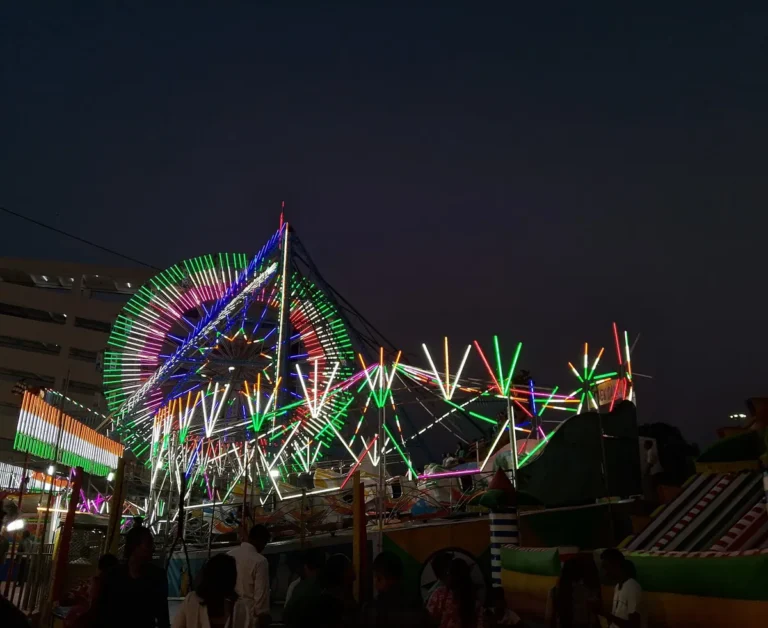
The fair runs for several days in late summer, the traditional slot for Kansas county fairs — after the growing season peaks and before school routines take over. Families tend to arrive in the late afternoon and stay through the evening, when the heat breaks and the lights come on over the midway.
For another look at how a community turns its own traditions into a gathering, see the Decatur County Kansas Decatur County Fair Festival for a useful comparison.
Because the grounds are traditionally free to enter, the fair works as a low-commitment stop. You can wander in for an hour, watch a livestock class, eat something fried, and leave without feeling you wasted a ticket. Rides, games and some grandstand events are the pay-as-you-go pieces.
Dickinson County’s Fair Tradition: From Prairie Town to Free Fair
Dickinson County was founded on February 20, 1857, with Abilene as its county seat. Abilene’s early identity was tied to the cattle trade and the railhead era, and later to Dwight D. Eisenhower’s boyhood years in town. The county fair tradition sits alongside that history rather than apart from it — this has always been a place where agriculture, commerce and community life overlap.
Kansas county fairs generally trace their roots to the late nineteenth-century agricultural society movement, when farmers organized to compare stock, share knowledge about seed and machinery, and celebrate a good harvest. The “free fair” wording in the name reflects a common Kansas convention: grounds admission kept free so every family in the county could attend, with revenue coming instead from concessions, entries and grandstand events.
That model has proved durable. With 18,402 residents spread across 852 square miles, Dickinson County is small enough that a shared annual gathering does real work. 4-H clubs and FFA chapters still build their year around fair week, and exhibitors who showed livestock here as children now watch their own kids in the ring.
What a Fair Day Feels Like in Abilene Country
Fair Food Worth the Walk
Fair food is its own genre here: funnel cakes, corn dogs, smoked brisket sandwiches, walking tacos and roasted corn. The best value is often at the community and 4-H concession stands, where church groups and local clubs serve homemade pie by the slice, cinnamon rolls and chili. Bring some cash for the smaller stands; card readers are more common than they used to be but not universal.
Grandstand Nights: Music, Motors and More
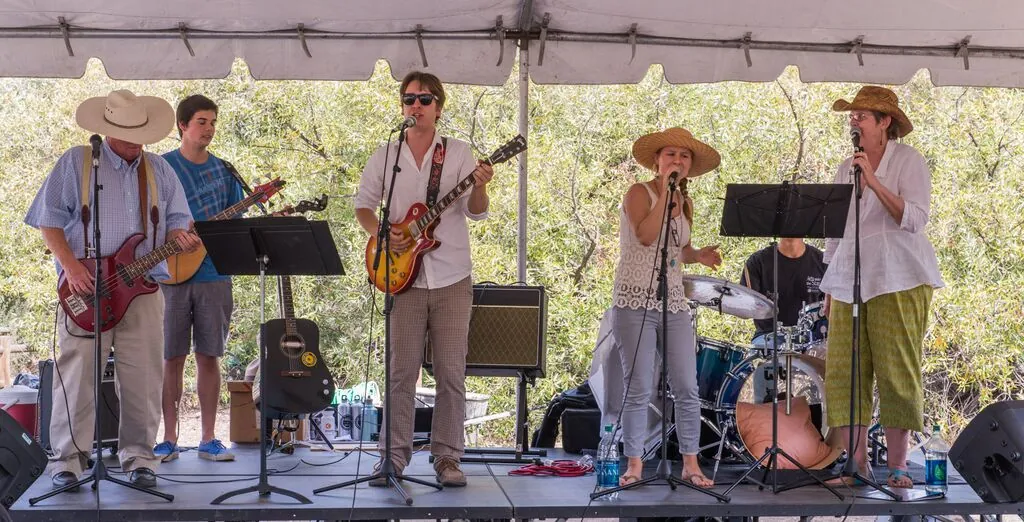
Evenings at the grandstand usually mean live country and rock cover bands, a demolition derby or a tractor pull, and occasionally a local talent showcase. Lineups rotate from year to year, so check the fair’s schedule once it is posted. Seating is typically first-come, so arriving early is worth it; a lawn chair or blanket helps if the venue allows it.
Family Activities, Livestock Barns and 4-H Exhibits
For families, the day usually splits into three parts: the barns and exhibit hall in the late afternoon, dinner on the midway, then rides and games after dark. Kids’ pedal pulls, petting areas and small carnival rides are common. The calmest window for young children is before the evening crowd builds, and the barns are the best place to teach a child where their food comes from.
Planning a Dickinson County Fair Trip
Getting to the Fairgrounds Near Abilene
Abilene sits on Interstate 70 in central Kansas, an easy drive from Salina to the west and Junction City to the east. Almost everyone arrives by car, and there is no meaningful public transit to the fairgrounds. Download your map before you leave town — rural Dickinson County roads get very dark after sunset, and a wrong turn costs more time than it would in the city.
Where to Stay in and Around Abilene
Abilene has the county’s main concentration of lodging, from interstate-side motels to smaller independent properties closer to downtown. Salina, a short drive west, offers a deeper bench of rooms if Abilene fills up during fair week. Campgrounds in the region are another option; late summer is peak season, so reserve ahead rather than assuming a site will be open.
Parking and Arrival Timing
Expect grassy, volunteer-directed parking on and around the fairgrounds. It is usually free, but it fills quickly on weekend evenings and on demolition derby nights. Arriving before the grandstand event starts is the simplest way to avoid a long walk. Agree on a meeting point with your group — cell service can get patchy in a crowded fairground.
Admission, Tickets and What Actually Costs Money
Grounds admission is traditionally free, which is the whole point of a “free fair.” Your budget goes to ride wristbands, games, food and grandstand tickets. Set a cash limit for kids before you walk in, and keep small bills handy for the booths that do not take cards.
Late-Summer Kansas Weather
Late summer in central Kansas means heat, humidity and the real possibility of a fast-moving thunderstorm. Afternoon temperatures can be punishing; evenings usually cool off nicely. Bring water, sunscreen and hats, keep an eye on the western sky, and expect outdoor events to pause if lightning moves in. Comfortable shoes matter more than you think — fairgrounds are gravel, grass and dust.
A Sample Fair Weekend in Dickinson County
Friday evening: arrive an hour before the grandstand event, park while lots are still open, and walk the exhibit hall first while it is quiet. Eat dinner on the midway, then settle in for the evening show.
Saturday: come back mid-afternoon for livestock judging and the 4-H exhibits — this is the heart of the fair and the part most visitors skip. Stay for rides after dark, when the midway is at its best.
Sunday: a slower day, good for browsing the barns, catching a final grandstand event, and driving into Abilene for a proper meal before heading home.
How the Central Kansas Free Fair Compares With Nearby Gatherings
Salina’s Smoky Hill River Festival, held in early summer, is an arts and music event in a city park — polished, curated and much larger, with juried art booths rather than livestock barns. Clay Center’s Clay County Fair is the closest cousin: another agricultural county fair with a similar rhythm of exhibits, carnival and grandstand nights.
Further afield, the Kansas State Fair in Hutchinson is a September-scale event with far more vendors and buildings. The Central Kansas Free Fair sits comfortably between a small-town celebration and a regional draw: big enough for a full evening of entertainment, small enough that you will run into someone you know.
A Fair-Day Checklist for Dickinson County Visitors
Cash in small bills — water bottles you can refill — sunscreen and a hat — comfortable closed-toe shoes — a light layer for after sunset — a lawn chair or blanket if the grandstand allows — bug spray for evening — a phone battery pack — a printed or screenshotted schedule in case signal drops — a meeting point agreed with your group — and a willingness to park a little farther out and walk.
Beyond the Fairgrounds: Abilene and the Rest of Dickinson County
Abilene rewards an extra half-day. The Eisenhower Presidential Library and Museum anchors the town’s heritage tourism, and the historic downtown has preserved storefronts, local cafés and small shops worth an hour of wandering. The Abilene & Smoky Valley Railroad and Old Abilene Town give a sense of the cattle-era railhead that made this town famous.
Beyond Abilene, Dickinson County opens into farm country punctuated by small towns — Chapman, Herington, Solomon, Enterprise and Hope among them — plus Milford Lake to the east and the Flint Hills rolling away to the south. If you are building a longer Kansas road trip, the fair makes a natural overnight stop between Salina and Junction City.
What the Free Fair Means to Dickinson County
In a county of 18,402 people spread over 852 square miles, institutions that bring everyone to one place are rare and valuable. The fair is where 4-H projects are judged, where scholarships and ribbons are handed out, where local businesses sponsor booths, and where kids learn to show an animal in front of a crowd. It is also, plainly, a good time — and that combination is why it has lasted.
Locating the Dickinson County Fairgrounds
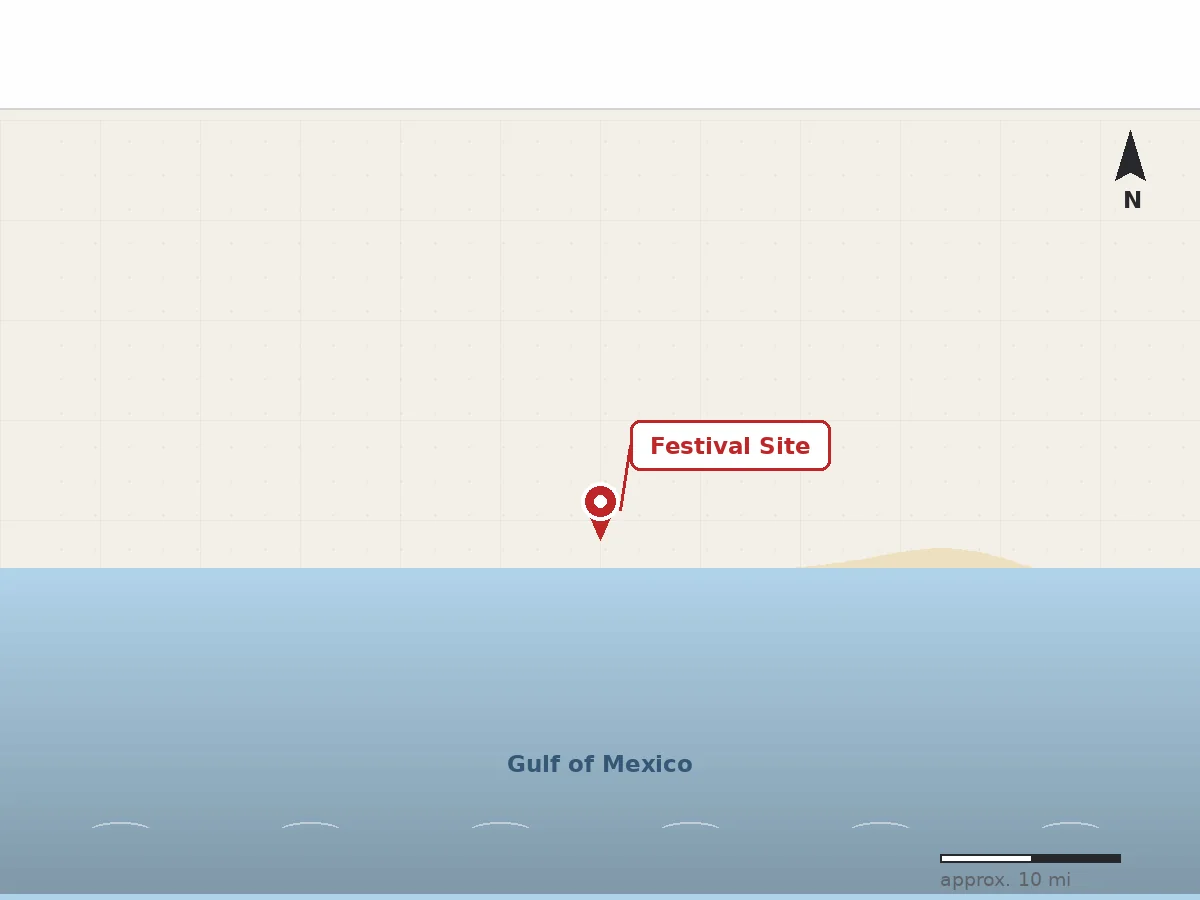
The fairgrounds sit in the Dickinson County area near Abilene, the county seat, in the heart of central Kansas.
Central Kansas Free Fair Visitor Questions
Is the Central Kansas Free Fair free to attend?
Grounds admission is traditionally free, which is consistent with the “free fair” tradition across Kansas. Individual attractions — carnival rides, games, grandstand events and food — are priced separately, so plan a budget for those.
When is the fair usually held?
It typically runs for several days in late summer, the standard window for Kansas county fairs. Check the fair’s own schedule closer to the season for the confirmed dates and daily lineup.
Is the fair good for young children?
Yes. Late afternoon is the easiest time with small kids — the barns and exhibit halls are open, the heat is easing, and the midway is not yet packed. Bring a stroller if you have one, though gravel and grass can make wheels work harder.
Do I need cash at the fairgrounds?
It helps. Larger vendors often take cards, but smaller community and 4-H stands may not, and ATMs at fairgrounds can run dry on busy nights. Carry small bills for food, games and parking donations.
Looking Ahead to Future Central Kansas Free Fairs
County fairs everywhere are adapting: more card-friendly vendors, broader entertainment lineups, and stronger outreach to families who no longer farm but still want the tradition. The Central Kansas Free Fair’s advantage is its role as Dickinson County’s shared calendar date — the week when Abilene, Chapman, Herington, Solomon and the surrounding countryside all show up in the same place.
Expect the essentials to stay put: livestock, exhibits, fair food and grandstand nights. Plan around a late-summer visit, keep your expectations practical, and you will get exactly what a Kansas county fair is supposed to deliver.
Last updated: October 2026
Whether you come for the demolition derby, a slice of pie from a church booth, or simply to watch a kid lead a calf around a ring for the first time, the Central Kansas Free Fair rewards the same thing every year: showing up, walking slowly, and talking to the people beside you.


One Comment