De Soto Parish Louisiana De Soto Parish Fair Festival
Dawn in De Soto Parish comes slow and gray over the pine ridges, and by the time the Thibodeaux family pulls out of the driveway, the truck bed is already packed — a cooler, two folding chairs, a wide-brimmed hat for Grandma Odile, and a nine-year-old who has been counting down the days since the first cool front moved through.
They head toward Mansfield, the parish seat, past hay fields and cutover timber, past church marquees and a roadside stand selling shelled pecans by the pound. It is fair weekend in De Soto Parish, and half the parish seems to be moving in the same direction.
This is what a parish fair looks like in northwest Louisiana: not a stadium spectacle or a ticketed mega-event, but a county-style gathering in a parish of 26,812 people, where the same families have been showing livestock, entering canned goods, and riding the same Ferris wheel for generations. Following one family through a single day is the best way to understand it.
De Soto Parish Fair Essentials on a Single Table
| Town / area | The De Soto Parish area, centered on Mansfield |
| County (parish) | De Soto Parish, Louisiana |
| County seat | Mansfield |
| Population | 26,812 |
| Region | Northwest Louisiana, within the Ark-La-Tex |
| Typical timing | Autumn, usually on a weekend during the fall season |
| Admission | General entry is typically free; food, rides, and games are pay-as-you-go |
| Setting | Open-air fairgrounds in the parish countryside, with exhibit space and outdoor seating |
| Features | Livestock and agriculture exhibits, carnival rides, pageants, live music, food vendors, community booths |
| Organizer | Local volunteers and parish community groups |
What the De Soto Parish Fair Feels Like Up Close
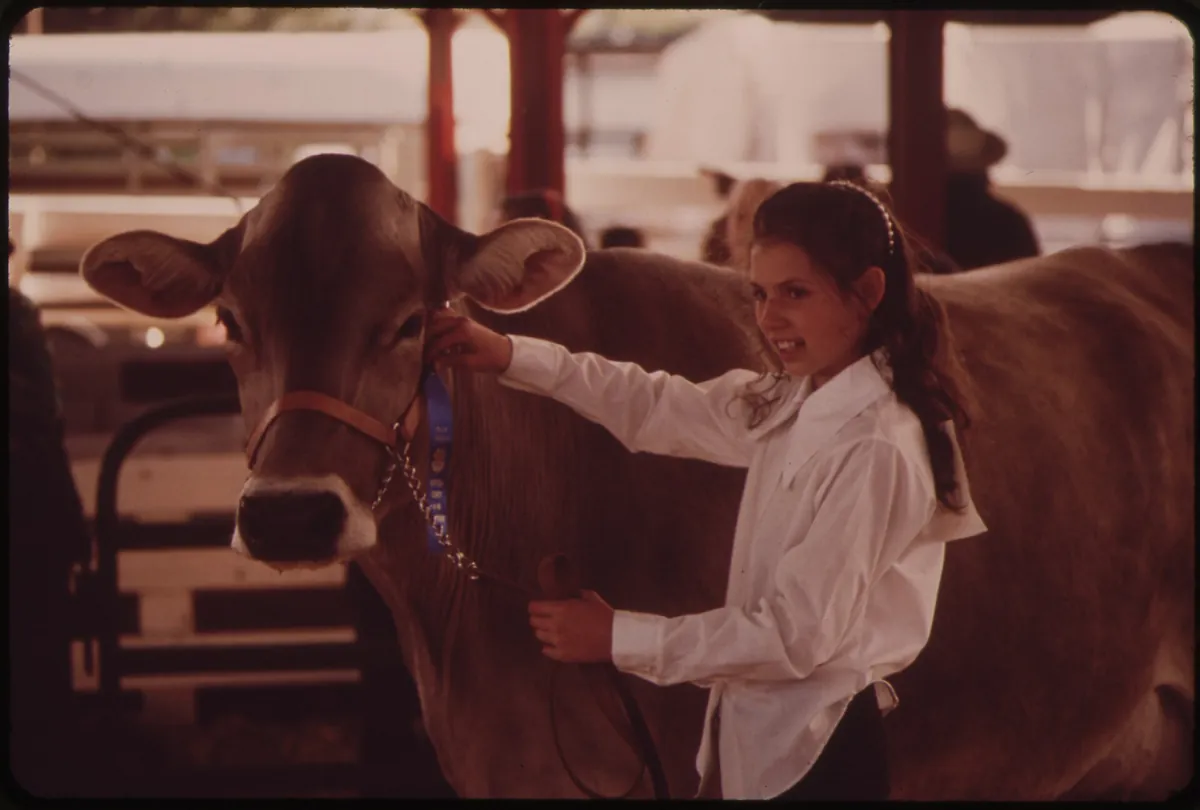
The De Soto Parish Fair is a traditional parish fair — the Louisiana equivalent of a county fair — and that shapes everything about it. It is built around agriculture and community rather than headline entertainment. Entries come from families who farm, raise cattle, keep chickens, or simply garden well enough to be proud of a row of tomatoes. Ribbons matter here. So do bragging rights.
The fairgrounds themselves are unpretentious: open space, exhibit buildings, a midway, a stage, and plenty of shade trees where grandparents park their lawn chairs and stay put for hours. Vendors sell the kind of food that only tastes right outdoors — smoked sausage, funnel cakes, corn dogs, sweet tea, and whatever the church booths are ladling out that year.
Because the fair is community-run, it moves at the pace of the people who put it on. Gates typically open in the morning, the livestock events and exhibits draw the early crowd, and the midway and stage carry the day into the evening. Nobody rushes. In a parish where Mansfield has been the seat of government since De Soto Parish was established in 1843, the fair functions as a yearly reunion with cotton candy attached.
1843 to Today: How De Soto Parish Built a Fair Tradition
De Soto Parish was established in 1843, and Mansfield has served as its seat through the long arc of Louisiana’s rural history — through the steamboat and rail eras, through cotton and timber cycles, and through the slow shift to the mixed farming and forestry economy that still defines the landscape today. Parish fairs grew up alongside that world. They were, and remain, the annual accounting of a place: what grew, what was raised, what was made, and who did it best.
The De Soto Parish Fair belongs to that lineage. Its shape has changed with the decades. Carnival rides replaced or joined older amusements. Pageants and music stages became fixtures alongside the livestock barns. Community organizations took on concession booths. What has not changed is the fair’s core function: it is a place where the parish shows itself to itself once a year.
That continuity is worth noticing. In a parish of 26,812 people, traditions survive because enough families keep showing up — grandparents who remember the fair as children, parents who entered exhibits when they were in 4-H, and kids who now walk the same midway their parents did. The fair is less a single event than a chain of them, one autumn weekend at a time.
A Thibodeaux Family Walk Through the Fairgrounds
By mid-morning the Thibodeauxs have paid for parking, walked through the gate, and split up according to interest. Here is how the day divides.
Fair Food Worth Standing in Line For in Mansfield
Food is the fair’s real social center. Local church groups, civic clubs, and vendors set up side by side, which means the menu runs from Louisiana standards — gumbo, jambalaya, boudin, fried fish — to classic fair fare like funnel cakes, cotton candy, and nachos. Grandma Odile makes straight for whatever booth is selling homemade pies, because those tend to sell out before noon. The practical advice is simple: eat early, eat at the booths run by local organizations, and save the midway snacks for later in the afternoon.
Music, Pageants, and Evening Entertainment in De Soto Parish
The stage carries the entertainment load, usually with a mix of local bands, gospel groups, school performers, and community announcements. Parish fairs often fold in pageants and crowning ceremonies, and the De Soto Parish Fair is the kind of place where a teenager you know is probably on stage at some point during the weekend. Evening is the loudest, busiest stretch — lights on the midway, music carrying across the grounds, and families settling into lawn chairs to stay a while.
Rides, Livestock, and Kid-Friendly Corners
For the nine-year-old, the midway is the main event: spinning rides, games with stuffed prizes, and the attendant negotiation over how many tickets are reasonable. For everyone else, the exhibits are the draw — livestock shows, poultry and rabbit entries, canned goods, baked items, quilts, photographs, and produce laid out with serious intent. Small children do best in the morning, when the grounds are shaded and the lines are short; older kids and teens come alive after dark.
Planning the Drive to De Soto Parish from Anywhere in the Ark-La-Tex
A fair weekend in De Soto Parish is easy to plan once you know the basics. A few practical notes for first-timers.
Getting to the De Soto Parish Fair Area
The fair sits in the De Soto Parish area around Mansfield, which is reached from the wider region by highway through northwest Louisiana. Most visitors arrive by car, often from elsewhere in the parish or from neighboring communities. Because the fair is a local event rather than a destination festival, driving in and out on the same day is entirely normal.
Where to Stay Around Mansfield, Louisiana
Lodging in the immediate area is limited, and many fairgoers simply drive in for the day. If you want a bed nearby, plan ahead and expect to look toward the larger towns in the region for the widest choice. Families visiting from out of parish often combine the fair with a weekend of visiting relatives, which is how the fair has always worked.
Parking Near the De Soto Parish Fairgrounds
Parking is generally handled on and around the fairgrounds, with volunteers directing traffic. Arrive before the midday rush if you want a shorter walk, and be patient at closing time, when everyone leaves at once. Carpooling with extended family is both practical and traditional.
Admission, Ride Costs, and a Family Budget
General admission is typically free, with costs coming from rides, games, food, and vendor purchases. That structure is good news for families: you can walk the grounds, see the exhibits, and listen to the music without spending much, then decide where to put your money. Bring cash, since small booths and ticket sellers are not always set up for cards.
Autumn Weather in Northwest Louisiana
Fall in this part of Louisiana is warm by afternoon and cool after sunset, with a real chance of rain somewhere in the weekend. Dress in layers, wear shoes you do not mind getting dusty, and keep a poncho in the truck. If a shower rolls through, most people wait it out under a tent and stay.
A Sample Fair Weekend for the Thibodeaux Crew
Saturday morning: Leave early, park before the crowd, and head straight for the exhibit buildings while the air is still cool. Look at livestock, produce, and baked entries, and let the kids see what other families brought.
Saturday midday: Eat lunch from the local booths — the church and civic stands first, since they sell out. Then walk the midway, buy ride tickets in a set amount, and stop when the tickets are gone. That one rule saves more family arguments than any other.
Saturday afternoon: Find shade, claim a spot near the stage, and let the grandparents hold the chairs while the kids go back for one more ride. This is the slow hour, and it is the best one.
Saturday evening: Stay for the music and the lights. Eat something fried, listen to the band, and let the day run long.
Sunday: Return for a shorter visit — exhibits, a last look at the livestock, and a quiet lunch before the drive home. Many families treat Sunday as the calmer half of fair weekend.
How the De Soto Parish Fair Differs from Nearby Louisiana Festivals
De Soto Parish sits within easy reach of several very different events, and the comparison helps set expectations. The Red River Revel in Shreveport is an arts and music festival with a big-city footprint — dozens of performers, juried art, and crowds that dwarf anything in Mansfield. The Natchitoches Christmas Festival, held later in the year, is a holiday lights and parade celebration built around a historic riverfront. Both are excellent and neither is remotely like a parish fair.
Closer to home, smaller community events in places like Logansport and Grand Cane share the De Soto Parish Fair’s local, volunteer-driven character, but the parish fair is the larger of the region’s homegrown gatherings. If you want funnel cakes, ribbons, and neighbors, this is the one. If you want a concert and a gallery, head to Shreveport.
A Practical Checklist Before You Leave for De Soto Parish
Cash for booths and tickets; sunscreen and a hat; a light jacket for after dark; comfortable closed-toe shoes; a folding chair or blanket if you plan to sit near the stage; a small cooler of water in the truck; a phone charger; and a meeting point decided in advance in case your group splits up. Leave the pets at home unless the fair advertises otherwise, and check the local forecast the morning you go.
Beyond the Fair: Mansfield, Logansport, and the Rest of the Parish
The fair is a good excuse to see more of De Soto Parish. Mansfield itself is the historic heart of the parish and the seat of government, with a downtown that rewards a slow drive. Mansfield State Historic Site, the preserved Civil War battlefield just outside town, is the area’s best-known landmark and a natural add-on for anyone already in the parish for the fair.
Beyond Mansfield, the parish opens into pine forest, pasture, and small communities strung along the highways — Grand Cane, Logansport, and a scatter of crossroads with churches, ball fields, and stores. The western edge of the parish runs toward the Sabine River country and Toledo Bend Reservoir, where fishing and lake weekends fill out the rest of the year. Give yourself an extra hour or two to drive the backroads; it is the most honest way to understand what the fair is celebrating.
Why a Parish Fair Still Matters in De Soto Parish
In a parish of 26,812 people, institutions that last are the ones people build themselves. The fair is volunteer-run, locally organized, and tied directly to the agricultural life of the parish. It gives students something to work toward, gives families a reason to gather, gives local organizations a fundraising weekend, and gives the parish a shared calendar date that everyone understands.
It also serves a quieter purpose: it keeps skills visible. Canners, bakers, quilters, photographers, and young exhibitors get an audience, and children see adults taking craft seriously. That is a form of community education no website can replicate. When the midway lights come on and the parking lot fills, what you are watching is a parish renewing its own traditions.
Where the De Soto Parish Fairgrounds Sit
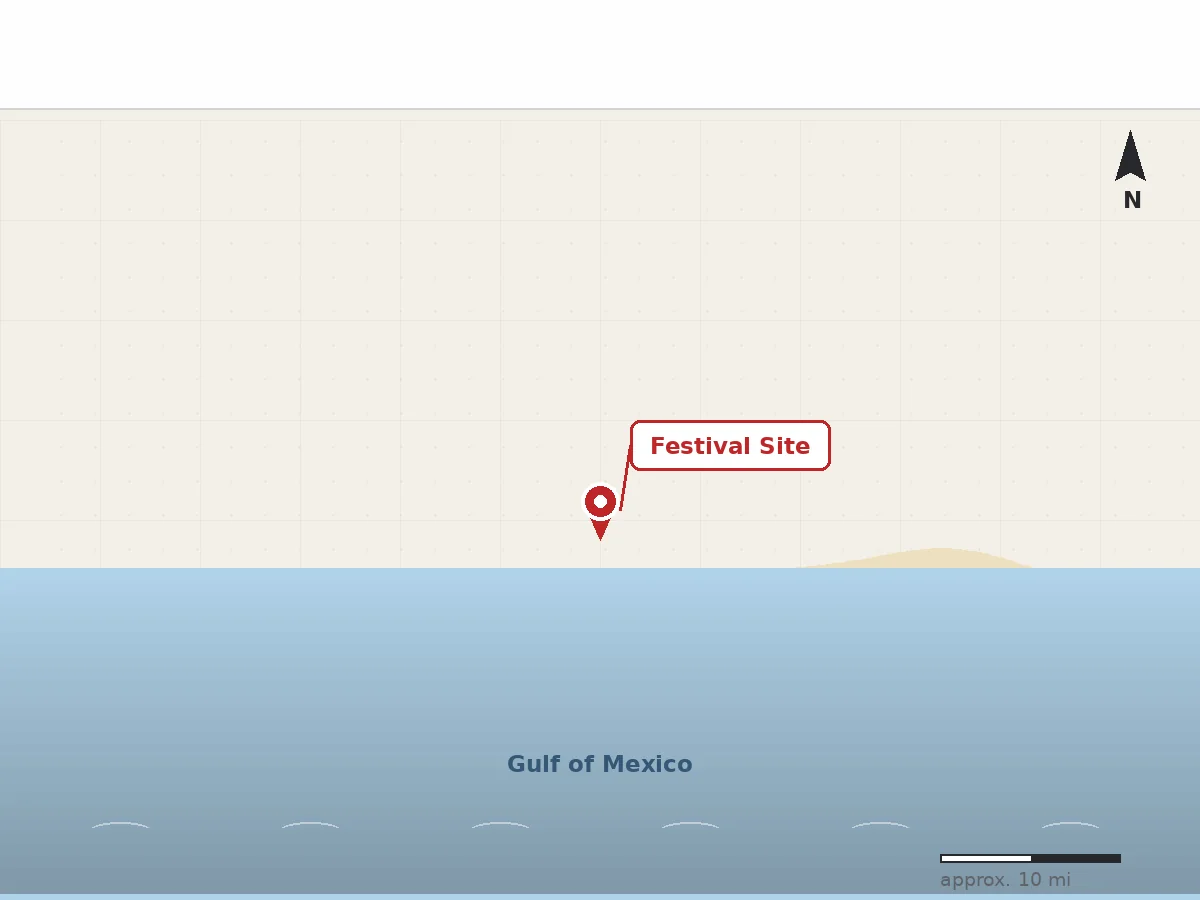
The De Soto Parish Fair takes place in the De Soto Parish area around Mansfield, the parish seat, in northwest Louisiana.
De Soto Parish Fair Answers for First-Time Visitors
Is the De Soto Parish Fair free to attend?
General admission is typically free, and the fair makes its money from rides, games, food, and vendor sales. That means you can walk in, tour the exhibits, and hear the music at no cost, then spend as much or as little as you like once you are inside.
When is the fair usually held?
The fair is an autumn event, generally held on a weekend during the fall season. Because the date shifts from year to year, check local listings before you plan a trip, and treat any weekend in the fall as a reasonable guess.
Is it a good outing for young children?
Yes, particularly in the morning. Mornings are cooler, lines are shorter, and the midway is calmer. Bring a stroller if you have a toddler, plan a midday break, and keep a clear meeting point in case anyone wanders off near the rides.
Should I bring cash to the De Soto Parish Fair?
Bring cash. Small booths run by local organizations and ride ticket sellers may not accept cards, and ATMs on site can be scarce. A modest amount of cash covers food, games, and entry to anything with a separate charge.
Looking Ahead to Future De Soto Parish Fairs
The fair’s future depends on the same things it always has: volunteers, exhibitors, and families willing to spend a fall weekend on the grounds. Youth livestock programs and school participation keep the exhibit halls full, while local organizations keep the food booths running. As the parish changes, the fair’s job stays steady — to gather De Soto Parish in one place, once a year, and let it show what it has made.
Expect the shape of the weekend to keep evolving while the purpose stays fixed. Weather will always be the wild card in northwest Louisiana, and organizers will continue to adapt to it. What will not change is the sight of lawn chairs under the shade trees and kids counting ride tickets in their pockets.
Last updated: October 2026
The Thibodeauxs will be back next fall, same truck, same cooler, same argument about how many tickets are reasonable. They will park in the same dusty field, find the same church booth, and settle into the same shade. That is the whole point of a parish fair in De Soto Parish — not that it surprises you, but that it is still there, waiting, the way it has been since long before any of us were counting down the days.