Clay County Indiana Festival of Trees Festival
Why the Clay County Indiana Festival of Trees Belongs on Your Holiday Calendar
Clay County spreads 26,466 people across 360.32 square miles of west-central Indiana, and when the holiday season arrives, a healthy share of that population ends up in the same room — walking past rows of decorated evergreens, greeting neighbors, and arguing politely about which tree deserves the most votes. The Clay County Indiana Festival of Trees is a community display first and a visitor attraction second, which is exactly why it rewards a drive from Terre Haute, Greencastle, or Indianapolis.
This guide is written for people who have never been. It covers what the display typically includes, how the timing generally works, where to sleep, what to budget, and how to pair the trees with the rest of the Brazil area so a short trip feels complete rather than rushed.
Clay County Festival of Trees: Key Details for Visitors
| Town / area | Clay County area, centered on Brazil |
| County | Clay County, Indiana |
| County seat | Brazil |
| County population | 26,466 |
| Region | West Central Indiana |
| Typical timing | Holiday season, generally late November through December |
| Admission | Typically free to attend |
| Setting | Indoor walk-through display of decorated trees at a community venue |
| Signature features | Themed trees, local entertainment, family activities, photo spots |
| Organizer | Local volunteers and community organizations across Clay County |
Because the festival is volunteer-driven, small details shift from one season to the next — which evenings feature live music, how many trees are on display, and which extras are added. Treat the table above as a reliable outline rather than a fixed schedule, and confirm the current year’s specifics through local Clay County sources before you make a long drive.
Inside the Clay County Indiana Festival of Trees Display
At its core, this is a walk-through exhibit of decorated trees. Each one is typically sponsored or trimmed by a different group — a family, a church, a school class, a farm operation, a downtown Brazil business, a fire department, a 4-H club. That mix is what gives the display its texture. A tree decorated entirely with handmade ornaments sits a few feet from one built around tractors or basketballs, and both draw a crowd.
Visitors move at their own pace. There is no ride, no script, and no strict route, which makes the festival unusually easy for grandparents, toddlers, and anyone who wants to linger in front of one particular tree. Expect quiet recorded holiday music in the background, the smell of evergreen and occasionally popcorn, and a steady hum of conversation.
For another look at how a community turns its own traditions into a gathering, see the Clay County Indiana 4-H Fair Festival for a useful comparison.
Most people spend somewhere between forty-five minutes and an hour and a half inside, depending on how many photos they take and whether they stop for a performance. Because the setting is indoors, the festival holds up in cold, wind, or light snow — a real advantage in an Indiana December. Comfortable shoes are still worth wearing, since you will be on your feet on hard flooring.
The Story Behind Clay County’s Forest of Decorated Trees
Clay County was founded on February 12, 1825, and Brazil has served as the county seat, anchoring a county that today covers 360.32 square miles of rolling farmland, timber, and small towns. For most of that history, holiday decorating here was a household and church affair: cedar and pine brought in from a fencerow, ornaments saved from year to year, a tree in the parlor and another in the fellowship hall.
Community tree displays grew out of that habit. The idea is simple and portable — invite organizations to decorate a tree, put them all in one room, open the doors to the public — and it took hold across the Midwest because it asks very little of any single volunteer while producing something that feels much bigger than the sum of its parts.
In Clay County, the festival has followed that pattern: a volunteer committee, a donated or borrowed venue, and a rotating cast of sponsors who return year after year because their tree becomes a small point of pride. Some participants carry themes forward across seasons; others start from scratch. The result is a display that changes noticeably from one holiday season to the next, even though the format stays familiar.
What a Visit to the Clay County Festival of Trees Feels Like
Food and Drink Around the Clay County Festival of Trees
Food at a volunteer-run tree festival is usually modest and seasonal: cookies, hot cocoa, coffee, sometimes soup or chili on colder evenings, often sold as a fundraiser by a local group. Treat it as a snack stop rather than dinner. The better plan is to eat in Brazil before or after your visit — the town has the usual small-city mix of diners, pizza places, and chain restaurants along the commercial strip, and a warm meal afterward pairs nicely with an evening of walking.
Music, Performances, and Holiday Entertainment
Live entertainment is typically the heartbeat of the event’s busier evenings. School choirs, church ensembles, handbell groups, and solo musicians from around Clay County rotate through short sets, which means the sound in the room changes every half hour or so. If you have a child performing, arrive early — seating is usually limited and standing room fills quickly near the front.
On quieter afternoons, recorded holiday music carries the room instead. That is often the better window for anyone who wants to actually study the trees, read the sponsor cards, and take pictures without waiting for a clear angle.
Family Activities and Things for Kids to Do
Children generally get more than a look-and-leave experience. Common additions include a voting or ballot box for favorite trees, a craft or ornament-making table, a coloring station, and a designated photo area with a backdrop. Santa appearances are common at community tree festivals, often on specific afternoons rather than every day, so check locally if that is the main draw for your family.
Strollers work fine in most indoor venues, though the busiest hours can make navigating between tree rows slow. If you have a toddler who wants to touch everything, plan a shorter visit and aim for a weekday evening or an early weekend slot.
Planning Your Trip to the Clay County Festival of Trees
Getting to Brazil and the Clay County Area
Brazil sits in the middle of Clay County and is the practical gateway for out-of-town visitors. Interstate 70 crosses the county with exits serving the Brazil area, and US-40 — the old National Road — runs through town as well, which makes the drive straightforward from Terre Haute to the west and the Indianapolis area to the east. State Road 59 provides another north-south option through the county.
If you are coming from a distance, think of Indianapolis as the airport option and Terre Haute as the closest city with a fuller range of hotels and services. Both are day-trip distance from Brazil.
Where to Stay Near Clay County, Indiana
Lodging inside Clay County is limited, so most visitors either stay in Terre Haute or push on to the Indianapolis suburbs. Terre Haute gives you the shortest drive back after an evening event and a wider choice of restaurants for breakfast. Staying east toward Indianapolis makes sense if you are combining the festival with a larger holiday shopping weekend.
Book early for the holiday season. Mid-November through December is the busiest lodging window of the year in west-central Indiana, and small inns and limited-service motels fill up first.
Parking and Getting Around the Venue
Parking at community festivals in small Indiana towns is usually free and close — a lot or street parking within a short walk of the entrance. Arrive before the start of a scheduled performance if you want the closest spaces, and expect a brief wait at the door during peak weekend evenings. Carpooling with family or friends smooths things out considerably.
Admission, Costs, and What to Budget For
Admission to the Festival of Trees is typically free, which is part of its appeal as a family outing. Where money does change hands: concession snacks, raffle or silent auction items, craft activities, and donation jars at the door. Bring a little cash even if you mostly use a card, since small volunteer operations do not always have card readers.
Budget realistically for the whole trip rather than the event alone. Fuel, one meal in Brazil or Terre Haute, and a night of lodging if you are traveling far will far outweigh anything you spend inside the venue.
Clay County Weather During Festival Season
Late November and December in west-central Indiana mean temperatures that hover near or below freezing, with a real chance of rain, sleet, or snow. Because the display is indoors, weather mainly affects your drive and your walk from the car. Keep a blanket, an ice scraper, and a charged phone in the vehicle, and build a little slack into your travel time on any evening with precipitation in the forecast.
A Sample Weekend Around the Clay County Festival of Trees
Friday evening. Arrive in Brazil in the late afternoon, check in, and eat dinner before the crowds build. Head to the festival as the evening entertainment begins — this is when the room feels most alive, with choirs rotating through and families arriving after work.
Saturday morning. Sleep in, then drive the county a little. Clay County is farm country, and a slow loop through the smaller communities around Brazil is a pleasant way to see what the area actually looks like when it is not hosting an event. Stop for lunch in town.
Saturday afternoon. Return to the festival during the quieter daylight hours. This is the best window for photos, for reading every sponsor card, and for letting kids work through the craft tables without a crush of people behind them.
Saturday evening. Have dinner, then either revisit for a second look at the trees lit for the evening or drive to Terre Haute for a bigger-city meal and an overnight stay.
Sunday. Wrap up with breakfast in Brazil, a walk around the courthouse square, and a last pass through the display before heading home. A weekend is more than enough time here — which is the point. This is a relaxed trip, not a packed one.
How the Clay County Festival of Trees Compares to Nearby Favorites
Parke County Covered Bridge Festival. Just north of Clay County, Parke County draws huge autumn crowds to its covered bridges and small-town vendor markets each October. It is bigger, more commercial, and firmly a fall event. Clay County’s tree festival is the opposite: indoor, intimate, and tied to the holidays.
Terre Haute and Vigo County. To the west, Terre Haute offers larger holiday programming, more lights, and far more dining and lodging options. If you want a full evening of city-scale entertainment, that is your pick. If you want something you can walk in twenty minutes and feel like a local, stay in Clay County.
Greencastle and Putnam County. East of the county line, Greencastle pairs a classic small-town square with the cultural calendar of a college town. It makes a good add-on for travelers building a two-county holiday loop rather than a single-stop trip.
A Practical Checklist for Festival of Trees Visitors
Confirm the current season’s hours and location through a local Clay County source before you leave; check whether a specific evening features a choir, Santa, or a special program; dress in layers, since indoor venues can run warm once crowded; wear shoes you can stand in for an hour; bring a small amount of cash for concessions, raffles, and donations; charge your phone for photos; keep an ice scraper and blanket in the car; arrive early if a child in your group is performing; and plan a meal before or after rather than counting on the snack table for dinner.
Beyond the Trees: Exploring Brazil and the Rest of Clay County
Brazil itself rewards a slow half hour. The courthouse square and surrounding downtown blocks show off the county’s older commercial architecture, and the town’s park spaces give kids somewhere to burn energy between indoor stops. It is the kind of downtown where you can park once and walk everything.
Beyond town, Clay County is quiet farm country — good for a scenic drive, a stop at a local diner, and a look at rural Indiana without a crowd. For a bigger outing, Parke County’s Turkey Run and Raccoon Lake state park areas lie to the north, and Terre Haute’s museums and riverfront sit a short drive west. Combined with the festival, any of these turns a single evening into a genuine weekend.
What the Festival of Trees Means to Clay County
Where to Find the Festival of Trees in Clay County
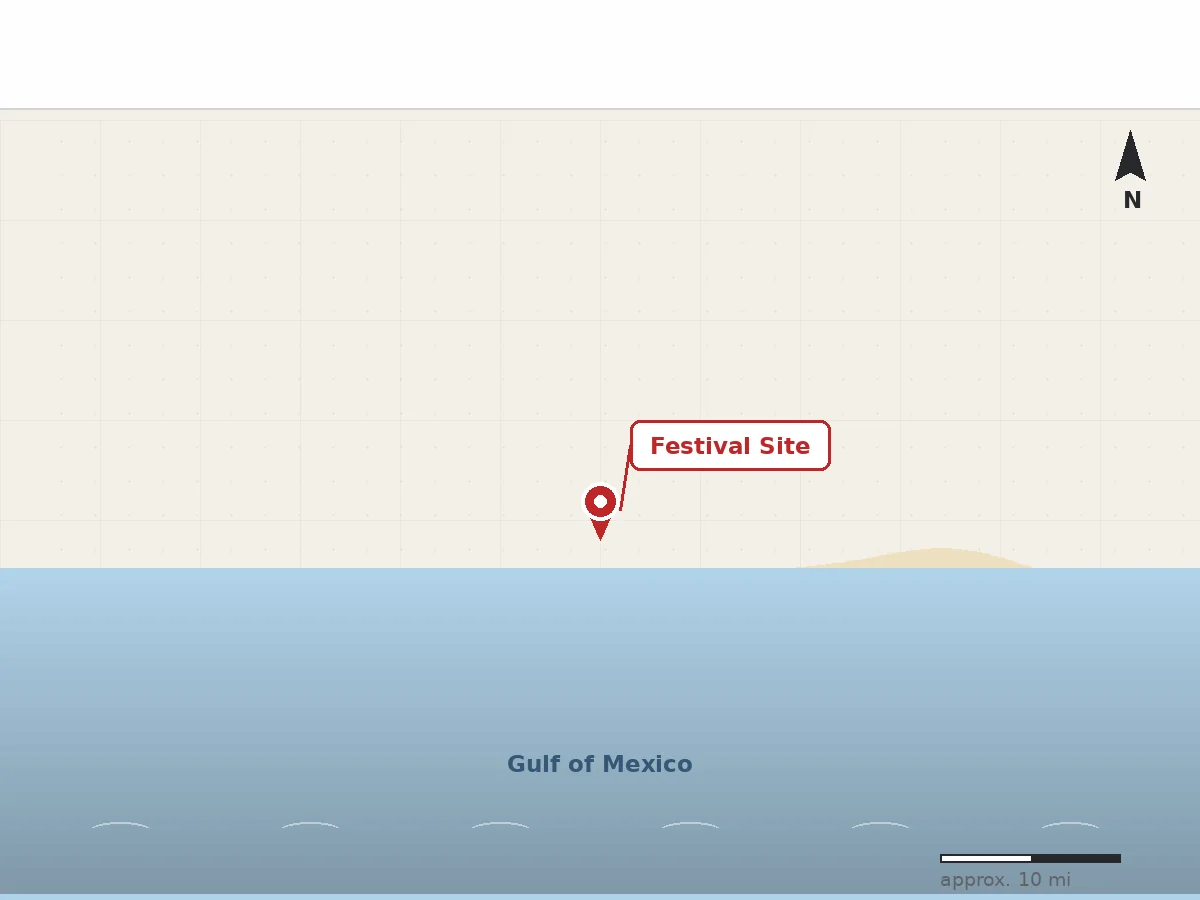
The Festival of Trees takes place in the Clay County area, with Brazil — the county seat — serving as the natural base for visitors arriving on Interstate 70 or US-40.
Practical Answers for First-Time Festival of Trees Visitors
Is admission really free?
Typically yes. The festival is built on volunteer labor and donated or sponsored trees, and charging at the door would work against its purpose as a community gathering. That said, expect opportunities to spend a little — concession snacks, raffle tickets, craft activities, and donation boxes — and treat those as the way you support the event.
How long should I plan for a visit?
Most visitors spend about an hour inside, though that stretches to ninety minutes or more if you stop for a performance, let children work through the activities, or take a lot of photos. Add travel time on either end if you are coming from Terre Haute, Greencastle, or Indianapolis.
When is it busiest, and when is it quietest?
Weekend evenings during the holiday season are the peak, especially when a popular choir or Santa visit is scheduled. Weekday evenings and early weekend afternoons are noticeably calmer and better for photography, browsing, and letting kids move at their own pace.
Can I take photos, and are there good family picture spots?
Personal photography is generally welcome, and community tree displays usually include at least one decorated backdrop or photo area set up specifically for family pictures. Be considerate during live performances, keep flash off when a group is singing, and avoid blocking the walkway while you line up a shot.
Looking Ahead to Future Seasons of the Clay County Festival of Trees
The festival’s future depends on the same things that built it: volunteers willing to coordinate, organizations willing to sponsor a tree, and a venue willing to open its doors during the busiest weeks of the year. Clay County’s population of 26,466 is small enough that a few dozen committed people can carry an event this size, and that is exactly what has kept it going.
Expect the format to stay recognizable — trees, music, kids’ activities, free admission — with gradual refinements rather than reinvention.
Last updated: October 2026
If you are looking for a holiday outing that does not require tickets, reservations, or a long walk through a parking lot, the Clay County Indiana Festival of Trees delivers exactly that. Come for the trees, stay for the choir, and leave with a better sense of what a small Indiana county looks like when it decorates together.